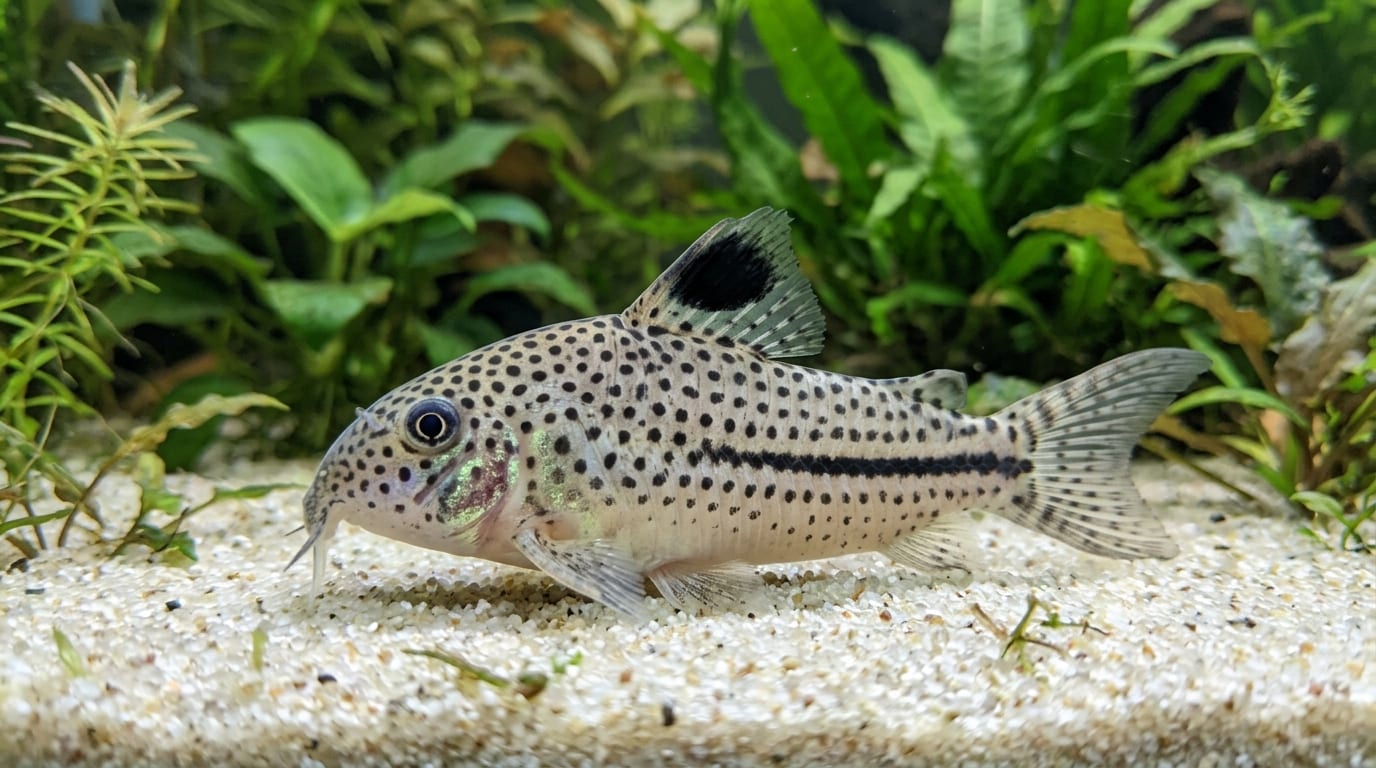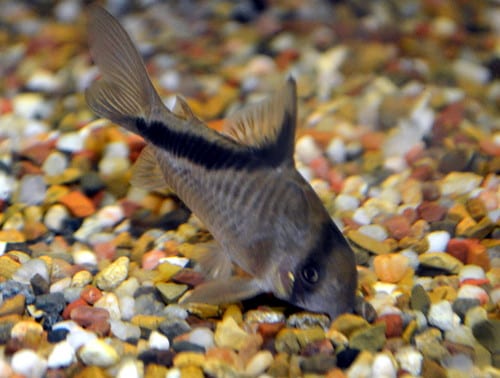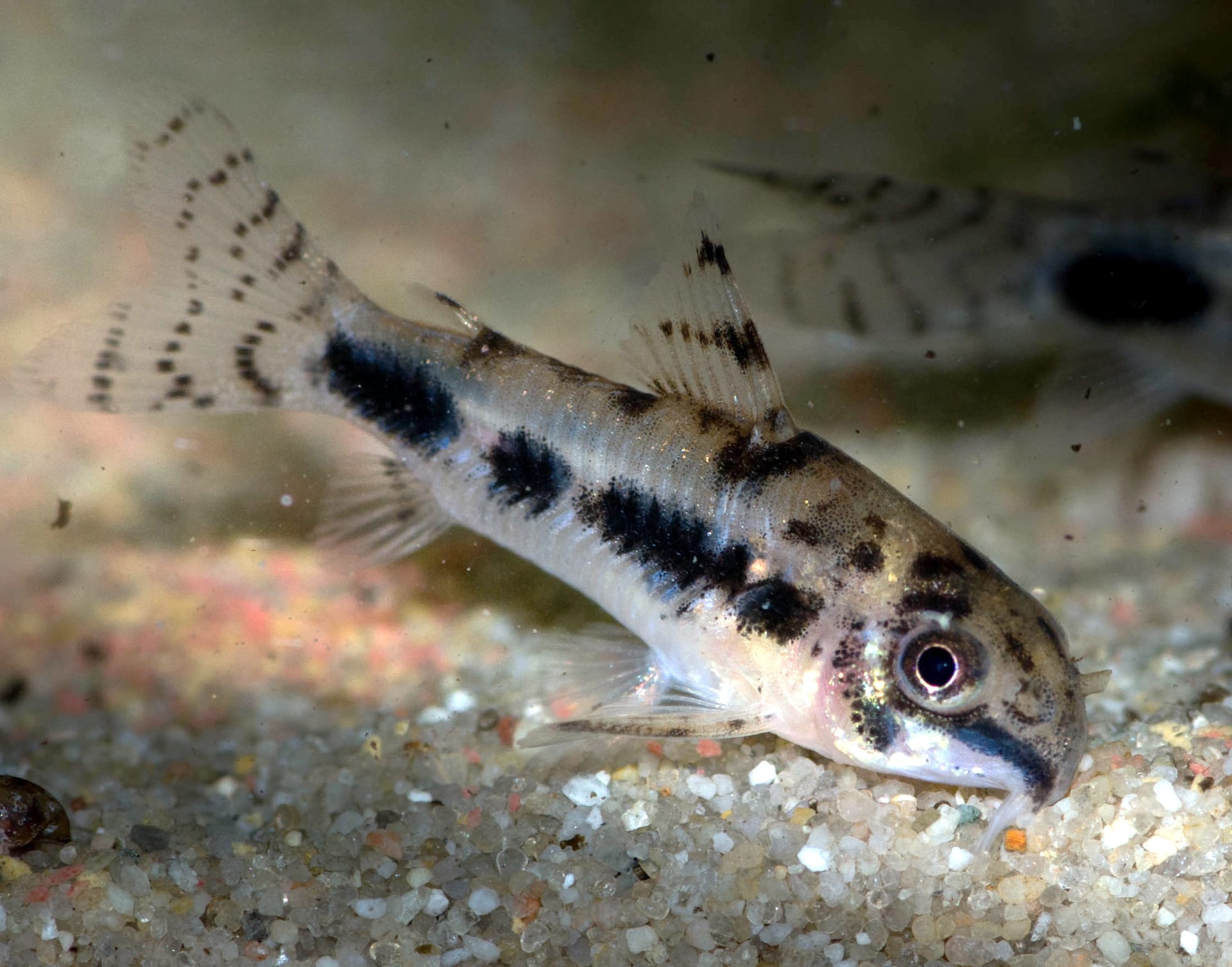
Source: Wikimedia Commons
Salt and Pepper Corydoras
IntermediateHoplisoma habrosum
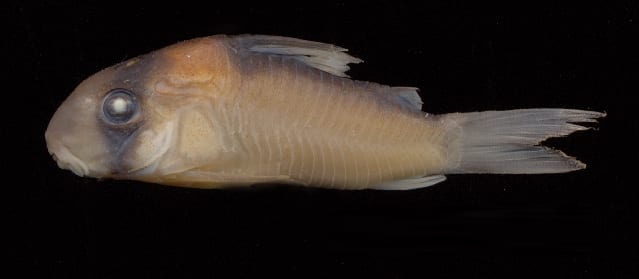
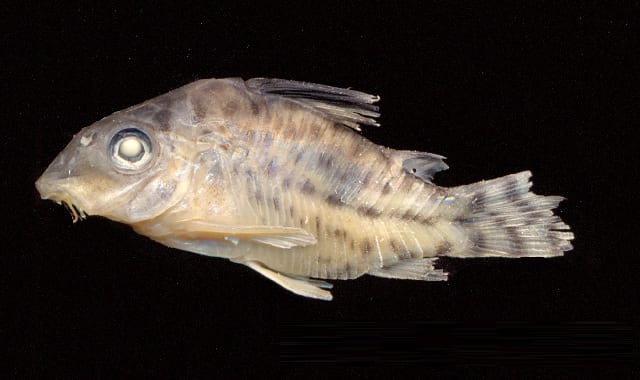
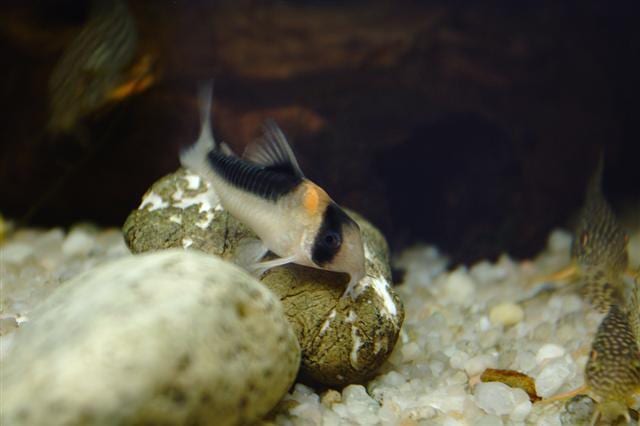
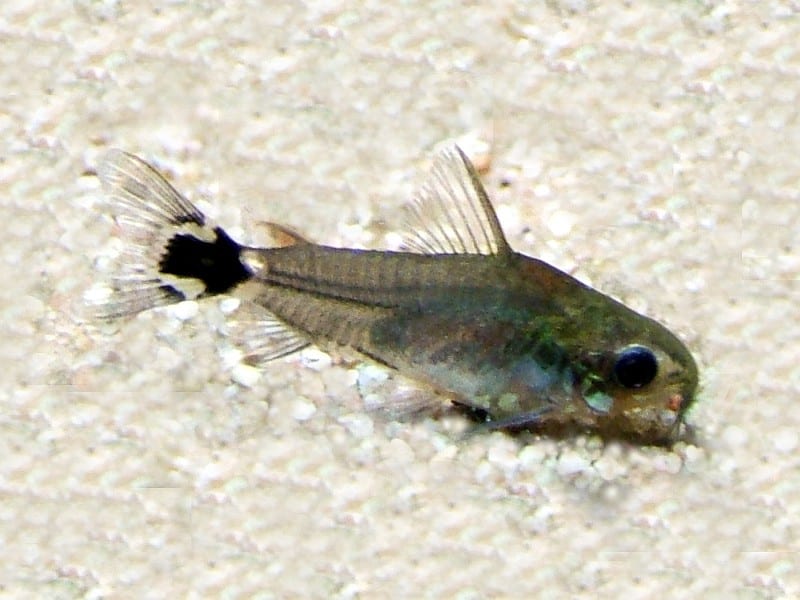
A miniature corydoras with three rows of broken black blotches along the flanks. It tops out at about 3.5cm and disturbs substrate far less than larger congeners, so it suits planted aquaria.
Difficulty
Intermediate
Temperature
20〜26℃
Lifespan
3-5 years
Size
2-3.5cm
Diet
Sinking dried foods, frozen bloodworm, Tubifex
About
Hoplisoma habrosum is a small callichthyid catfish from the upper Orinoco River basin, transferred from Corydoras habrosus in the 2024 generic revision of the family. FishBase records a standard length of 2.0cm while Seriously Fish gives 3.5cm, placing it among the smallest corydoras. Three rows of broken black blotches run along the flanks, the source of the English name Salt and Pepper. Aquarium conditions are 20-26C, pH 5.5-7.5 and 2-10dGH, with a 60 x 30cm base and roughly 54 litres as the practical minimum. It is peaceful and strongly gregarious, settling best in groups of at least 4-6 and ideally 10 or more. The mouth is tiny, so fine sinking foods are needed. Spawning uses two or more males per female and is triggered by a large water change with soft, cooler water; eggs hatch in 3-4 days. The IUCN Red List assesses it as Near Threatened.
Source: Wikipedia (CC BY-SA 4.0)
Lifespan of the Salt and Pepper Corydoras
The Salt and Pepper Corydoras lives 3-5 years.
Size of the Salt and Pepper Corydoras
The Salt and Pepper Corydoras grows to 2-3.5cm.
Temperature & humidity for the Salt and Pepper Corydoras
The ideal temperature for the Salt and Pepper Corydoras is 20〜26℃.
Basic Info
Origin
South America (upper Orinoco River basin)
Lifespan
3-5 years
Care Specifications
- pH
- 5.5–7.5
- Hardness (GH)
- 2–10 dGH
- Water Temp.
- 20–26℃
- Min. Tank
- 54 L
PeacefulGroupBreeding: Moderate
Sources: FishBase / Seriously Fish
References & Sources
Edited & verified by: BreederDirect editorial team
The taxonomic, regulatory, and husbandry data on this page are compiled and verified against the authoritative primary sources below.
Taxonomy & Authority
Accepted name: Hoplisoma habrosum (Weitzman, 1960)
Synonyms: Corydoras habrosus
Authority databases: FishBase
Nomenclature follows global taxonomic authority databases.
Regulations & Conservation Status
Not CITES-listedIUCN NT · Near Threatened
Sources: CITES Appendices (species not listed) / IUCN Red List
Regulations may change. Always verify the latest information with the relevant authorities.
Salt and Pepper Corydoras Listings
Loading latest listingsFind listings for this species