Source: Wikimedia Commons
Tiger Salamander
BeginnerAmbystoma tigrinum
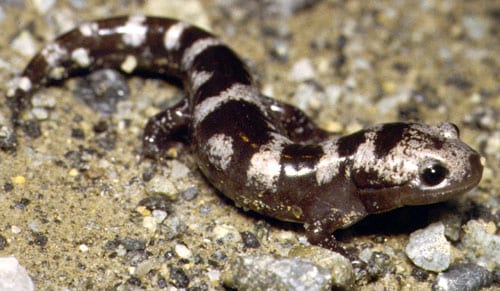
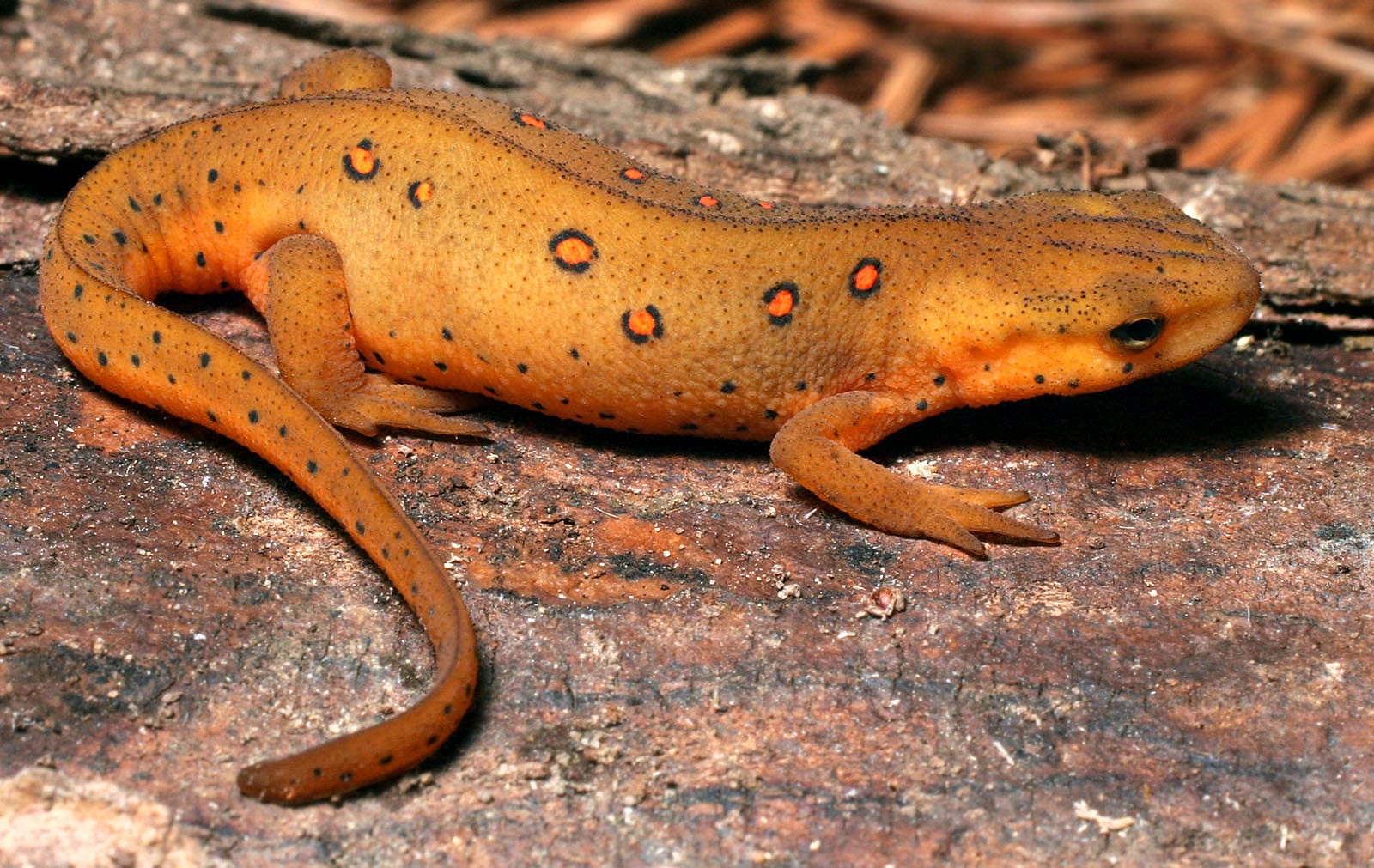
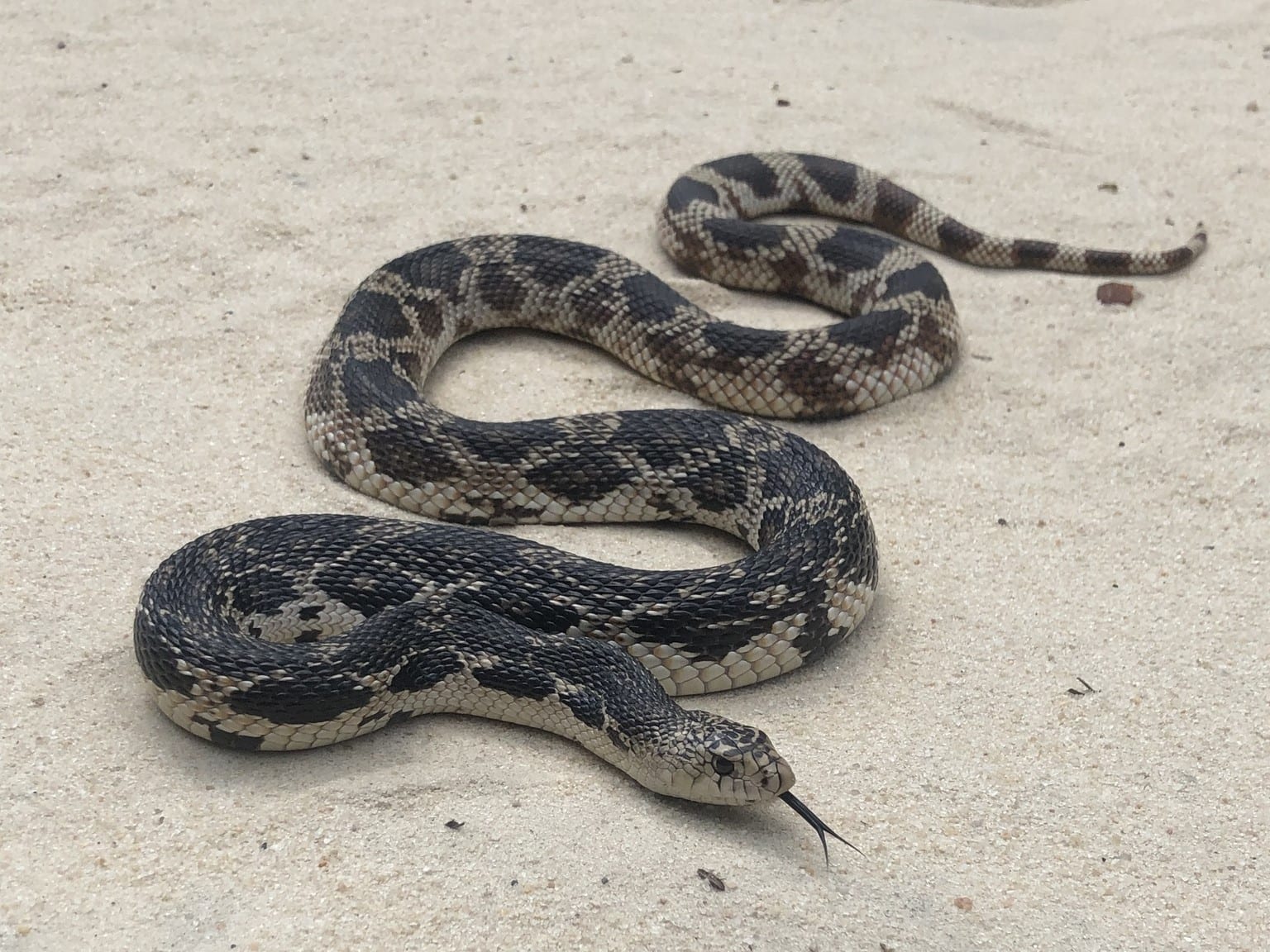
One of the largest terrestrial salamanders in North America, found in the east of the continent. Irregular yellow to yellow-green markings cross a black or dark brown body. It spends most of its life in burrows and is hardy with a large appetite.
Difficulty
Beginner
Temperature
16〜21℃
Lifespan
12-25 years in captivity
Size
15-20cm (up to 33cm)
Humidity
40〜70%
Diet
Crickets, earthworms, waxworms and roaches
About
Ambystoma tigrinum is a large mole salamander of eastern North America and one of the largest terrestrial salamanders in the world. It normally reaches 15-20 cm, with a record of 33 cm. Irregular yellow-brown to yellow-green markings cross a black or dark brown body, and the animal is stoutly built with thick limbs and a broad head. Males are larger than females and have longer tails. It spends most of its life in burrows, returning to its natal water body to breed after heavy spring rain. The gilled larvae are known as waterdogs and are often sold in that stage. Where conditions suit, individuals may forgo metamorphosis and mature as paedomorphs. Keep adults singly in an enclosure of about 61 x 30 x 30 cm with a deep moisture-retaining substrate for burrowing, held at a cool 16-21 C and never above 27 C. It has a strong appetite and takes crickets and earthworms readily.
Source: Wikipedia (CC BY-SA 4.0)
Lifespan of the Tiger Salamander
The Tiger Salamander lives 12-25 years in captivity.
Size of the Tiger Salamander
The Tiger Salamander grows to 15-20cm (up to 33cm).
Temperature & humidity for the Tiger Salamander
The ideal temperature for the Tiger Salamander is 16〜21℃.
Basic Info
Origin
Eastern North America (woodland, marshland and grassland of the eastern United States)
Lifespan
12-25 years in captivity
Care Specifications
AggressiveSolitaryBreeding: Hard
Sources: Amphibian Care: Tiger Salamander / Caudata Culture: Ambystoma tigrinum / Animal Diversity Web: Ambystoma tigrinum
References & Sources
Edited & verified by: BreederDirect editorial team
The taxonomic, regulatory, and husbandry data on this page are compiled and verified against the authoritative primary sources below.
Taxonomy & Authority
Accepted name: Ambystoma tigrinum (Green, 1825)
Synonyms: Amblystoma tigrinum (Green, 1825), Salamandra tigrina Green, 1825
Authority databases: GBIF
Nomenclature follows global taxonomic authority databases.
Regulations & Conservation Status
Not CITES-listedIUCN LC · Least Concern
Sources: CITES Appendices (species not listed) / IUCN Red List
Regulations may change. Always verify the latest information with the relevant authorities.
Tiger Salamander Listings
Loading latest listingsFind listings for this species