Source: Wikimedia Commons
Spectral Pygmy Chameleon
AdvancedRhampholeon spectrum
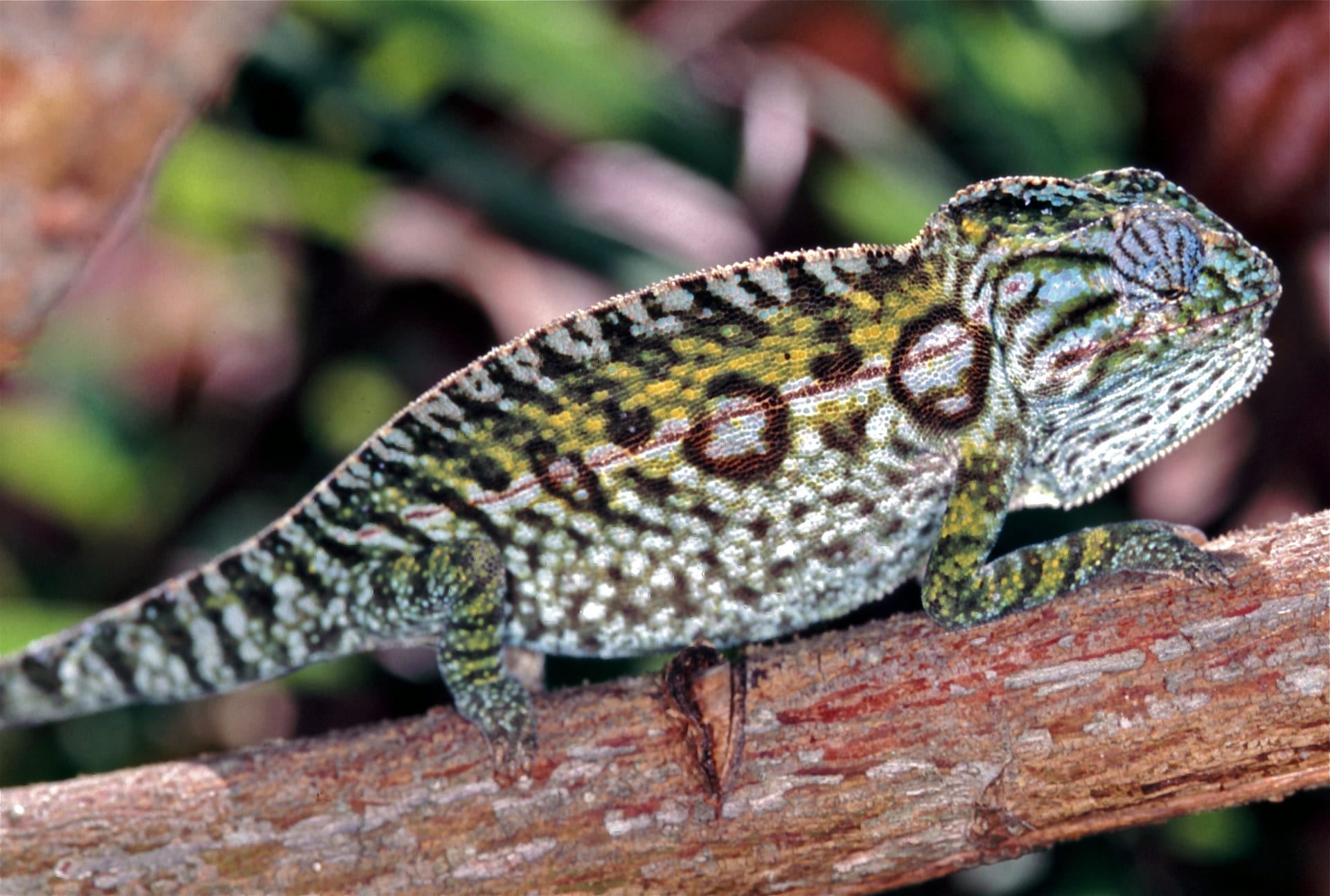
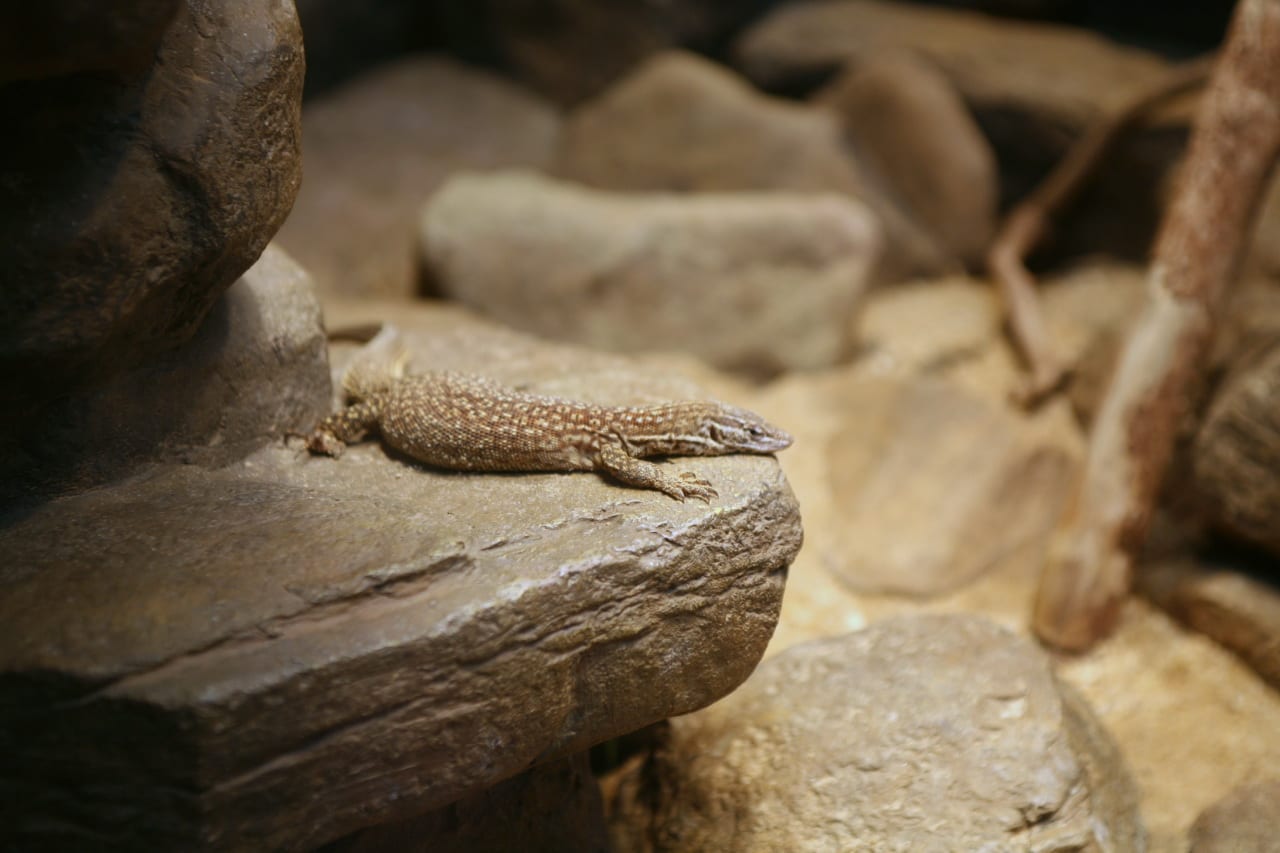
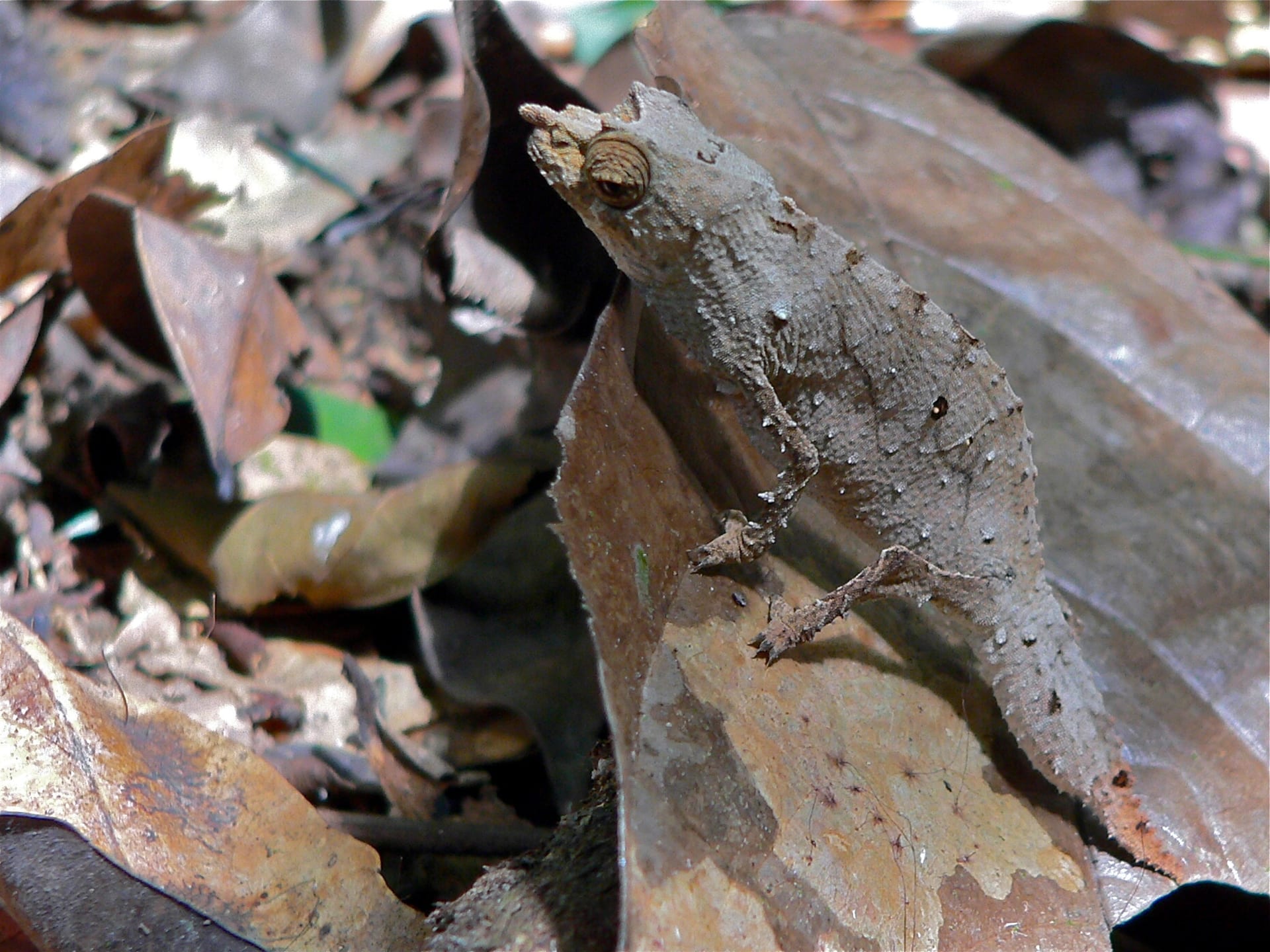
A pygmy chameleon under 10 cm long, living on the forest floor from Cameroon to Gabon. Sombre tan to grey colours mimic dead leaves, and the tail is short but still prehensile.
Difficulty
Advanced
Temperature
25〜32℃
Lifespan
2-5 years
Size
Under 10cm
Humidity
40〜70%
Diet
Fruit flies, small crickets and other small invertebrates
About
Rhampholeon spectrum is one of the so-called dwarf or leaf chameleons of mainland Africa. Sources differ on its exact range, but it includes at least Cameroon, Equatorial Guinea and Gabon. It does not exceed 10 cm in total length and has a very short though still prehensile tail, frequenting the ground and low shrubbery in forest. It changes colour within sombre shades of tan to grey and has a stripe running from the eye to above the tail base, though this is not always shown, and it can produce quite striking streaks and blotches. Apart from its small size, plain colour and largely terrestrial habits it is much like the larger chameleons, with independently rotating eyes, opposable digits and a projectile tongue. Males can be told from females by their wider tail bases. It is extremely sedentary and, unlike other chameleons, not territorial. It eats small invertebrates, its reproductive habits are poorly known, and it appears to prefer cooler temperatures.
Source: Wikipedia (CC BY-SA 4.0)
Lifespan of the Spectral Pygmy Chameleon
The Spectral Pygmy Chameleon lives 2-5 years.
Size of the Spectral Pygmy Chameleon
The Spectral Pygmy Chameleon grows to Under 10cm.
Basic Info
Origin
Cameroon, Equatorial Guinea and Gabon, and according to some sources also the Central African Republic, the Republic of the Congo and Nigeria, on the forest floor and in low shrubbery
Lifespan
2-5 years
Size
Under 10cm
Care Specifications
PeacefulSolitaryBreeding: Very hard
Sources: Chameleon Academy: Rhampholeon spectrum / Chameleon Forums: Pygmy Chameleon Care Sheet / Wikipedia (English)
References & Sources
Edited & verified by: BreederDirect editorial team
The taxonomic, regulatory, and husbandry data on this page are compiled and verified against the authoritative primary sources below.
Taxonomy & Authority
Accepted name: Rhampholeon spectrum (Buchholz, 1874)
Synonyms: Chamaeleo spectrum Buchholz, 1874, Brookesia spectrum (Buchholz, 1874), Rhampholeon affinis Steindachner, 1911
Authority databases: GBIF · Reptile Database
Nomenclature follows global taxonomic authority databases.
Regulations & Conservation Status
CITES Appendix IIIUCN LC · Least Concern
Pygmy chameleons, Rhampholeon spp., have been listed in CITES Appendix II as of January 2, 2017 (Species+). Because of Appendix II status, no individual registration certificate under the international rare and endangered species regulation is required. This species is not listed in the special animal table of the Enforcement Ordinance of the Animal Welfare and Management Act.
Sources: CITES Appendices (Rhampholeon spp., Appendix II, effective 2 January 2017) / IUCN Red List
Regulations may change. Always verify the latest information with the relevant authorities.
Spectral Pygmy Chameleon Listings
Loading latest listingsFind listings for this species