Source: Wikimedia Commons
Pacific Tree Boa
IntermediateCandoia bibroni
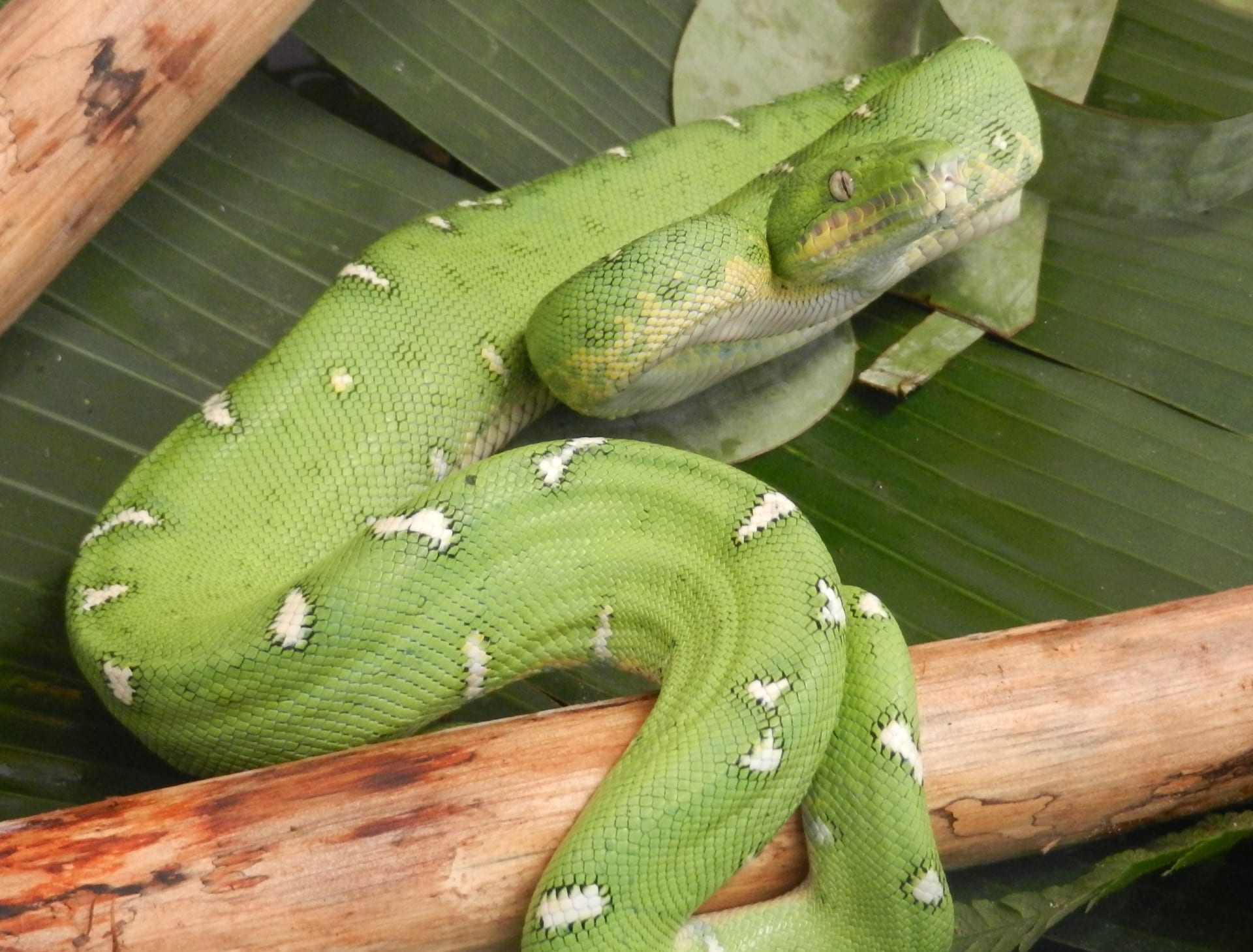
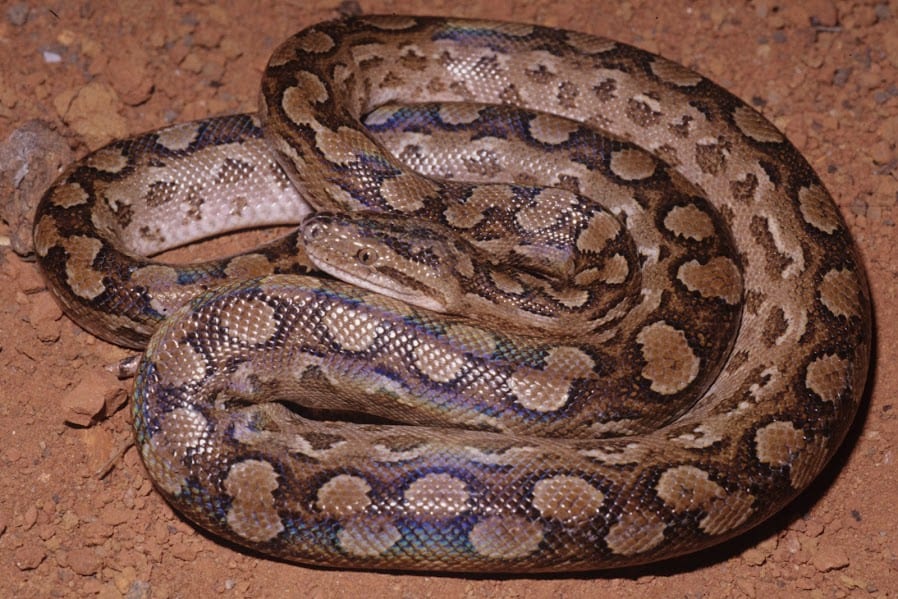
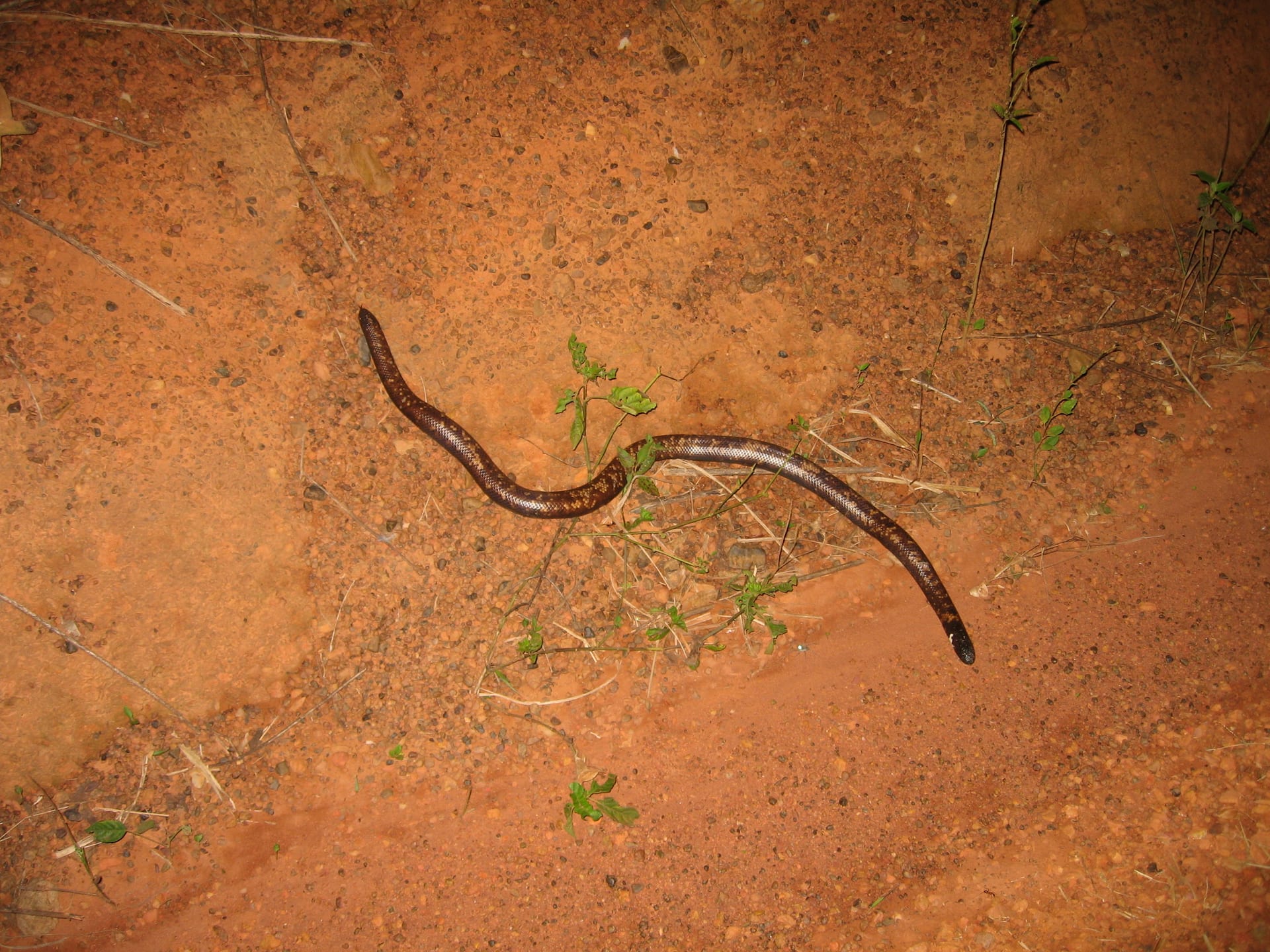
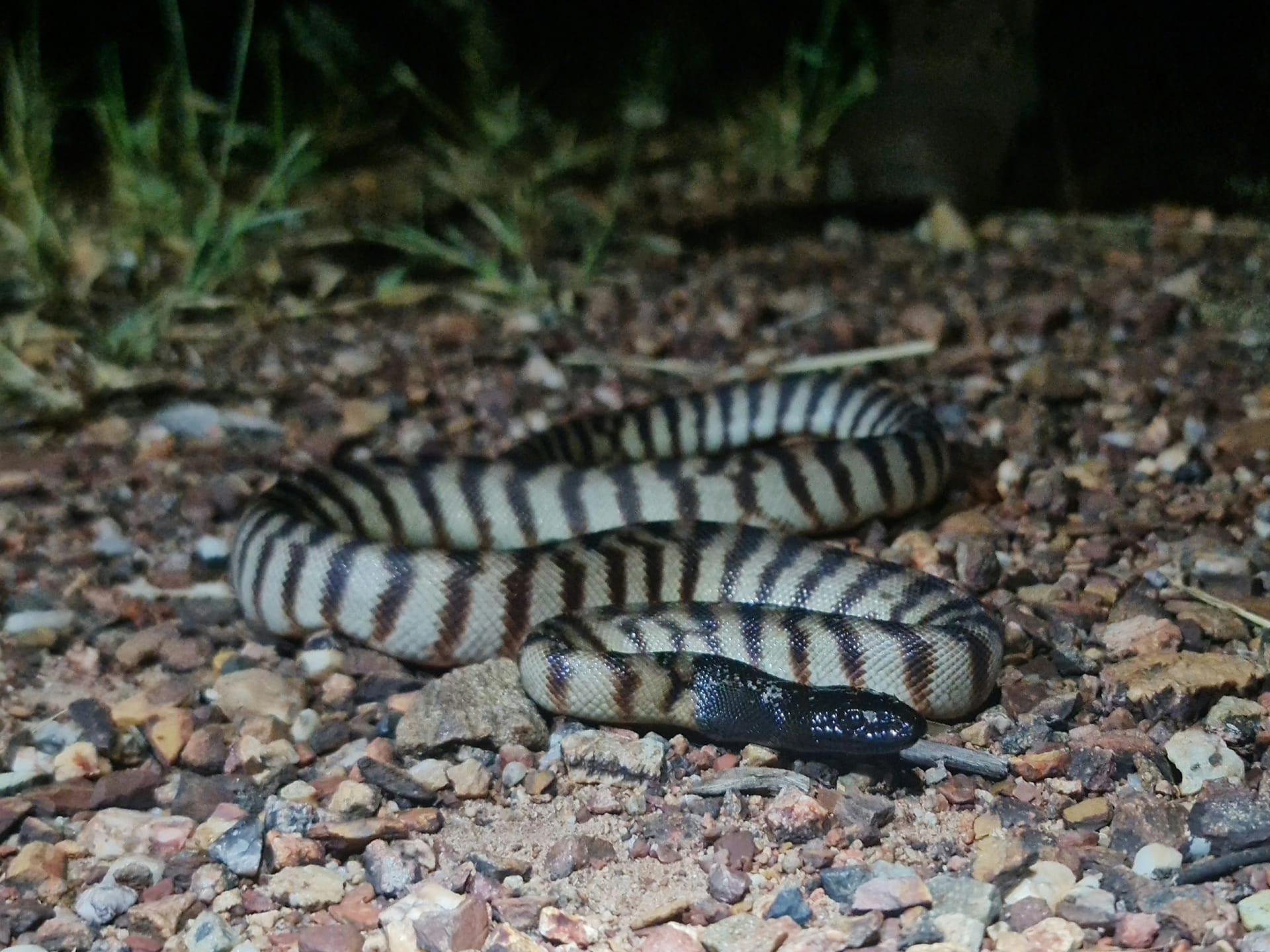
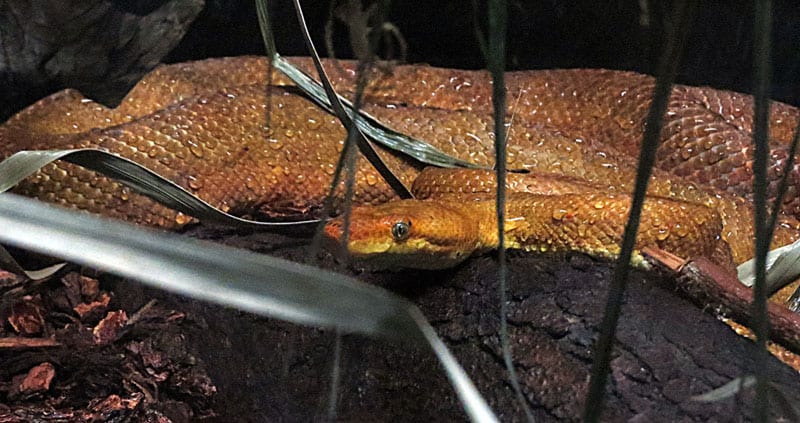
The largest member of the Pacific boa genus Candoia, found on South Pacific islands. Pale to reddish brown with stripes or blotches (some are plain), it is fully arboreal and gives birth to live young.
Difficulty
Intermediate
Temperature
25〜32℃
Lifespan
Few data on lifespan in captivity
Size
Up to about 1.5 m total length
Humidity
40〜70%
Diet
Carnivore (small mammals, birds, lizards)
About
Candoia bibroni, known as the Pacific tree boa or Fiji boa, is a boid snake with its type locality in Fiji. It ranges across Melanesia and Polynesia, including the eastern Solomon Islands, Vanuatu, the Loyalty Islands (but not mainland New Caledonia), Tonga, Tuvalu and Samoa. While most boas live in the Americas, this is one of the most isolated members of the family. It is the largest Candoia, reaching up to about 1.5 m in total length. The ground color is pale brown, tan or reddish brown with stripes, blotches or spots, though some animals are unpatterned. It inhabits forest from sea level to 1,600 m and is regarded as fully arboreal. Prey includes birds, island geckos and skinks, and small mammals such as rodents and bats. It is viviparous. Solomon Island animals have been called C. b. australis, but Reynolds and Henderson (2018) do not recognize that subspecies. Because it is easily confused with C. carinata and C. paulsoni, check the scientific name and origin before buying. In Japan it is only occasionally seen in specialist shops.
Source: Wikipedia (CC BY-SA 4.0)
Size of the Pacific Tree Boa
The Pacific Tree Boa grows to Up to about 1.5 m total length.
Basic Info
Origin
Fiji, eastern Solomon Islands, Vanuatu, Loyalty Islands, Tonga, Tuvalu and Samoa
Lifespan
Few data on lifespan in captivity
Size
Up to about 1.5 m total length
Temperature
25〜32℃
Humidity
References & Sources
Edited & verified by: BreederDirect editorial team
The taxonomic, regulatory, and husbandry data on this page are compiled and verified against the authoritative primary sources below.
Taxonomy & Authority
Accepted name: Candoia bibroni (Duméril & Bibron, 1844)
Synonyms: Boa australis Montrouzier, 1860, Enygrus bibroni Duméril & Bibron, 1844
Authority databases: GBIF · The Reptile Database: Candoia bibroni · GBIF: Candoia bibroni
Nomenclature follows global taxonomic authority databases.
Regulations & Conservation Status
CITES Appendix II
Listed in CITES Appendix II. International trade requires an export permit from the country of origin, but no registration is needed to keep or transfer the animal within Japan. The entire family Boidae has been listed since 1977.
Sources: Species+ (CITES): Candoia bibroni
Regulations may change. Always verify the latest information with the relevant authorities.
Pacific Tree Boa Listings
Loading latest listingsFind listings for this species