Source: Wikimedia Commons
Calabar Python
IntermediateCalabaria reinhardtii
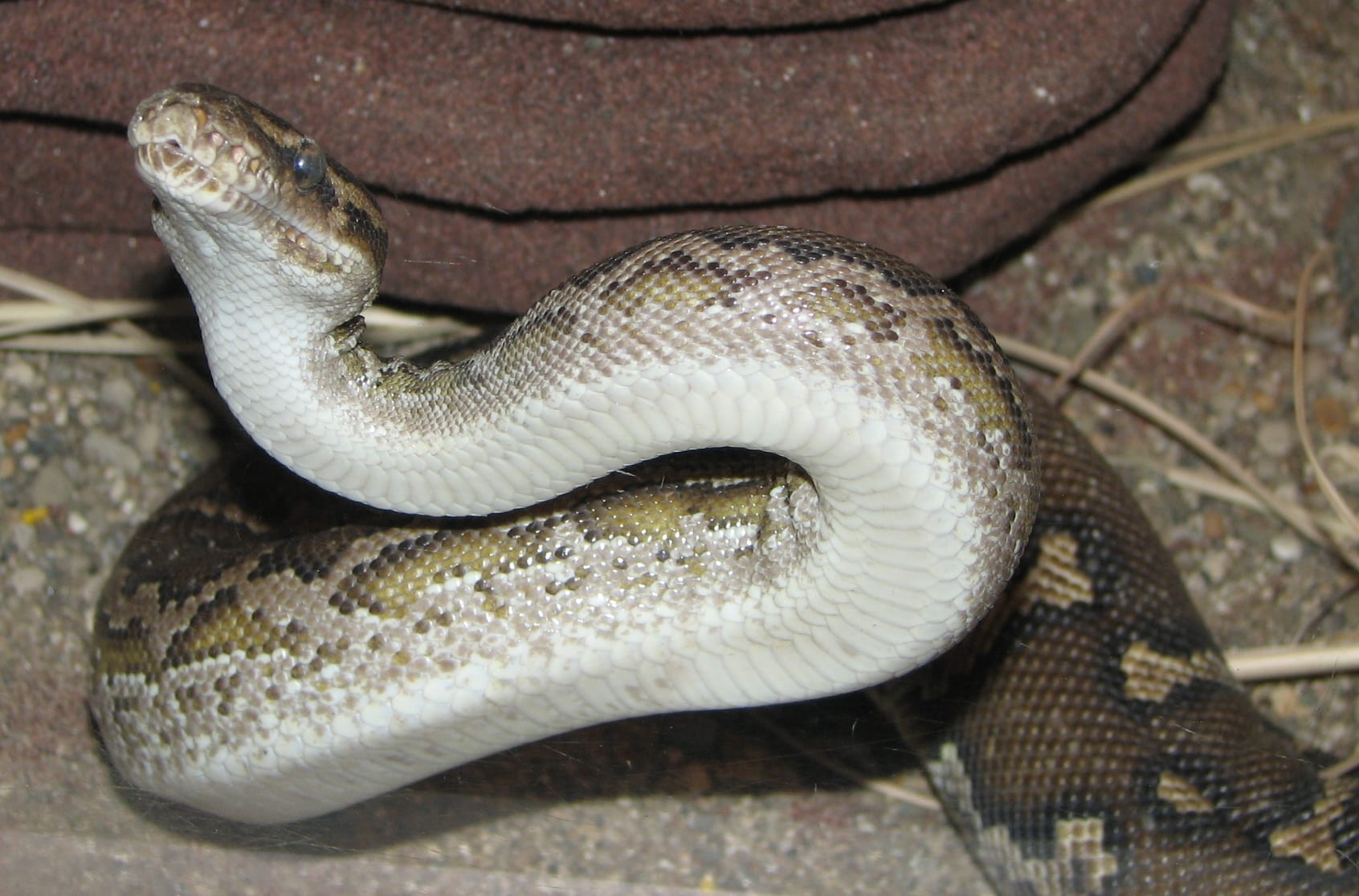
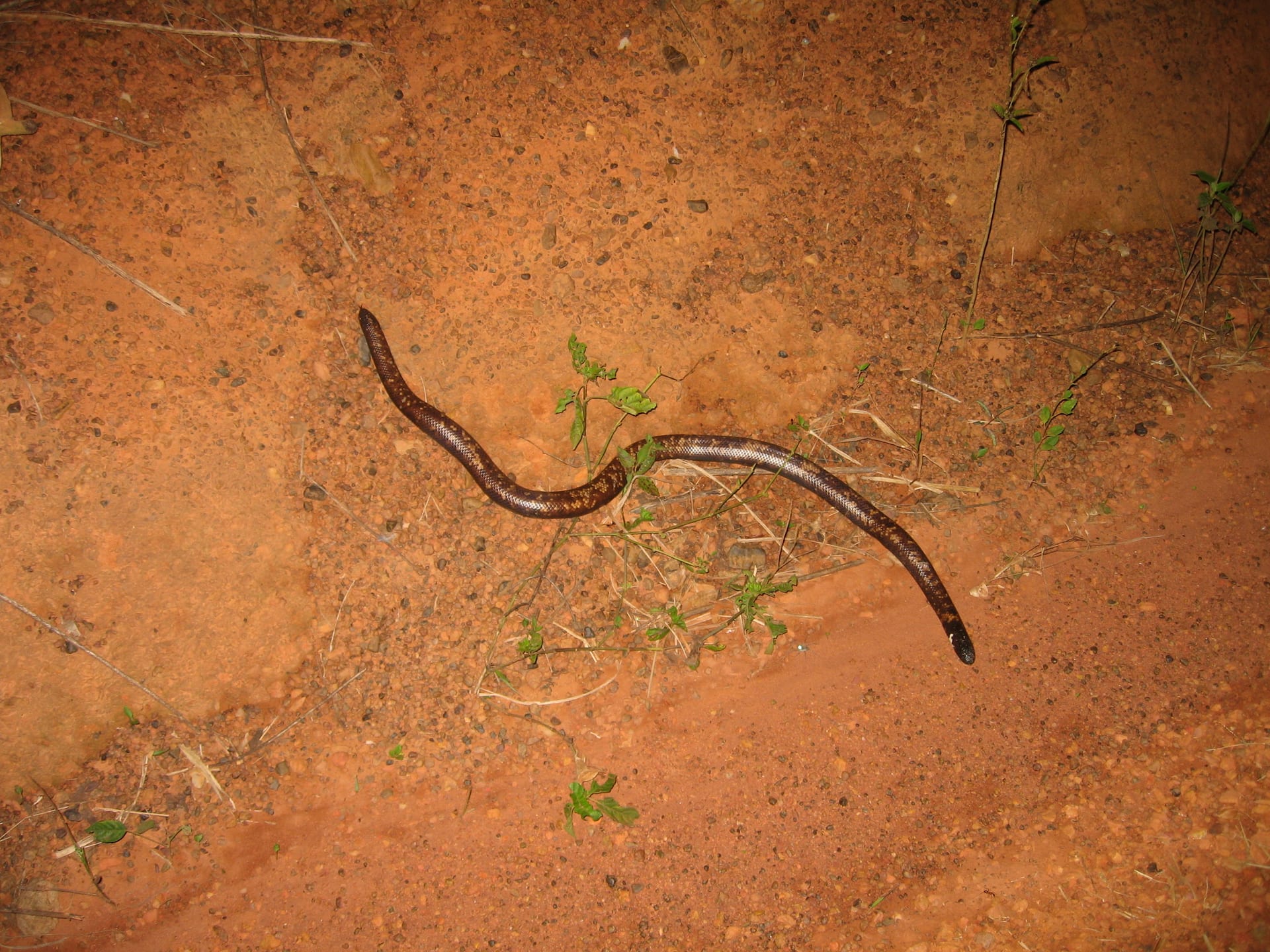
A burrowing boa under 1 m long from West and Central African rainforest. Its head and tail look alike, and when threatened it hides its head and waves its tail as a decoy. It specializes in baby rodents.
Difficulty
Intermediate
Temperature
25〜32℃
Lifespan
Few data on lifespan in captivity
Size
Up to 1 m total length
Humidity
40〜70%
Diet
Carnivore (nestling rodents)
About
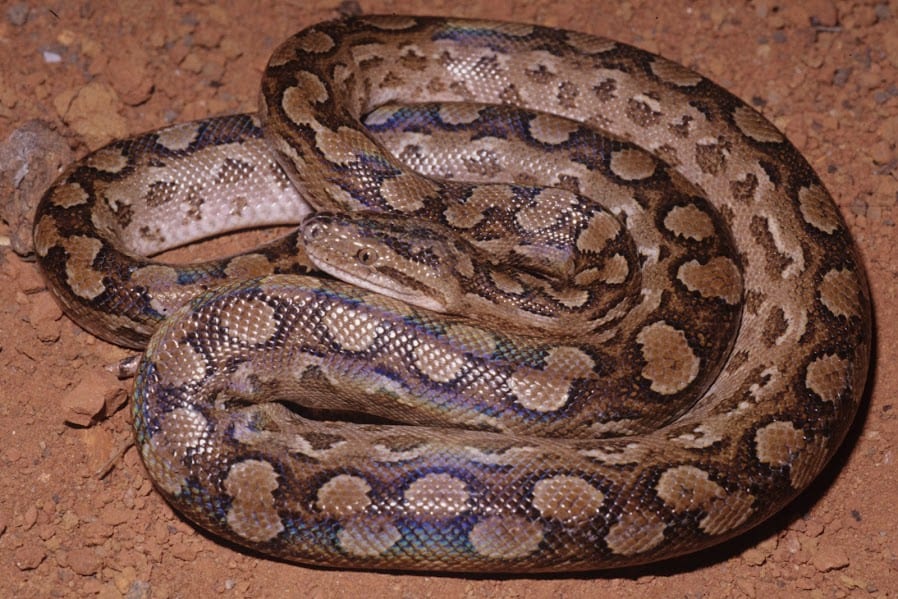
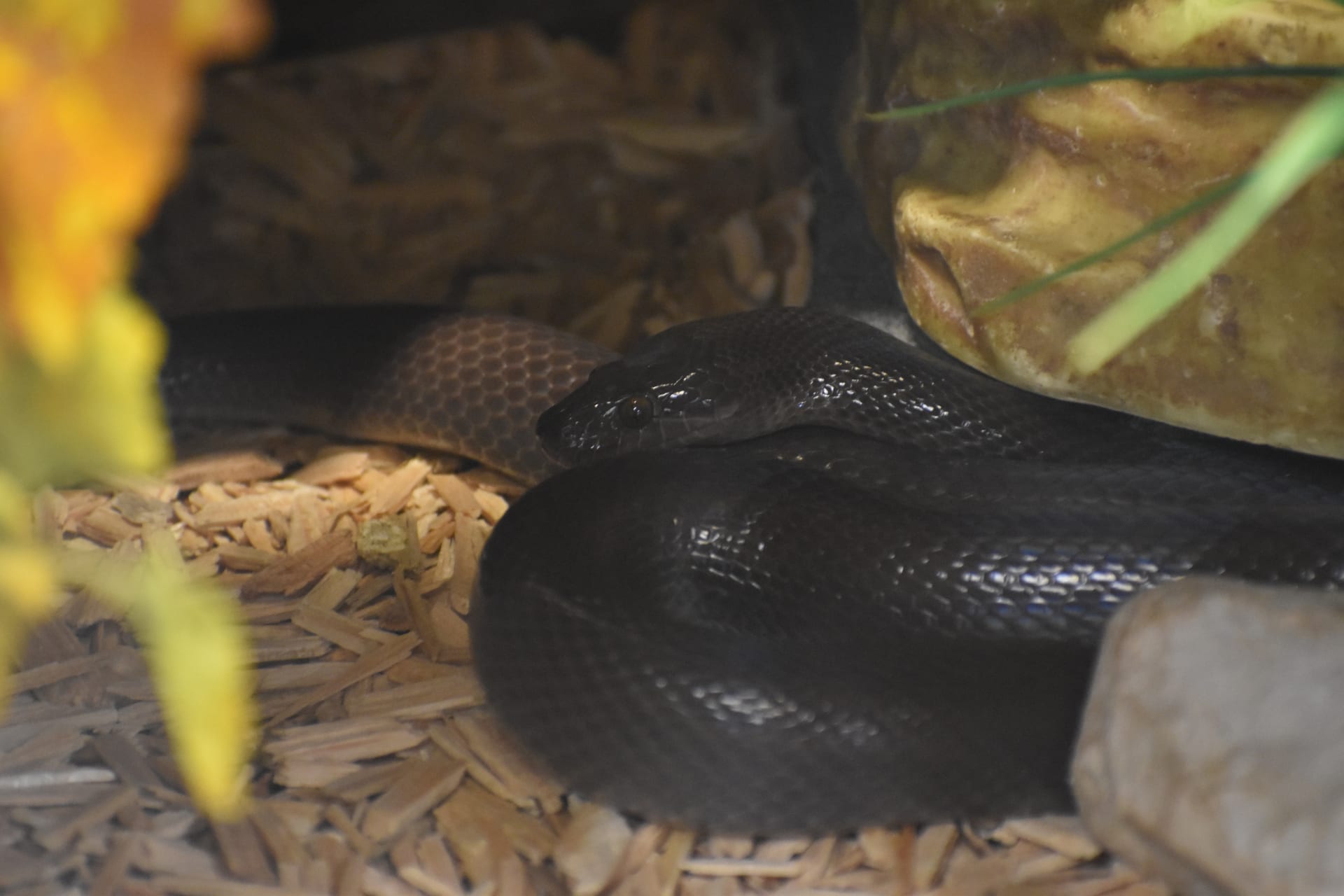
The Calabar python, or African burrowing python, is the only member of its genus and lives in equatorial rainforest of West and Central Africa, including Sierra Leone, Liberia, Côte d'Ivoire, Ghana, Nigeria, Cameroon, the Central African Republic, Gabon, the Republic of the Congo and the Democratic Republic of the Congo. It was long placed in the Pythonidae, which is why its common names still say "python", but DNA studies show it is an ancient lineage within the boas; some authors give it its own family, Calabariidae. The Reptile Database treats it as a subfamily of Boidae, and CITES covers it under Boidae in Appendix II. It grows to no more than 1 m and has a cylindrical body of almost uniform thickness. The head is covered with enlarged shields and blunt, and the tail looks much like it. There are no heat-sensing pits. It is dark brown to black speckled with red, yellow or grey, sometimes with a white ring or partial ring on the tail. It burrows in loose rainforest soil and leaf litter and raids rodent burrows for nestlings, and it is said to have the thickest skin of any snake, perhaps to withstand bites from mother rodents. When threatened it presses its head to the ground under a coil and raises and moves its tail as a decoy, and if that fails it rolls into a tight ball; it is said never to try to bite. In Japan imported animals are sold in specialist shops.
Source: Wikipedia (CC BY-SA 4.0)
Size of the Calabar Python
The Calabar Python grows to Up to 1 m total length.
Basic Info
Origin
Rainforest of West and Central Africa (Sierra Leone to the DR Congo)
Lifespan
Few data on lifespan in captivity
Size
Up to 1 m total length
References & Sources
Edited & verified by: BreederDirect editorial team
The taxonomic, regulatory, and husbandry data on this page are compiled and verified against the authoritative primary sources below.
Taxonomy & Authority
Accepted name: Calabaria reinhardtii (Schlegel, 1851)
Synonyms: Calabaria fusca Gray, 1858, Charina reinhardtii (Schlegel, 1848), Eryx reinhardtii Schlegel, 1851, Rhoptrura petiti Sauvage, 1884
Authority databases: GBIF · The Reptile Database: Calabaria reinhardtii · GBIF: Calabaria reinhardtii
Nomenclature follows global taxonomic authority databases.
Regulations & Conservation Status
CITES Appendix II
Listed in CITES Appendix II. International trade requires an export permit from the country of origin, but no registration is needed to keep or transfer the animal within Japan. The entire family Boidae has been listed since 1977.
Sources: Species+ (CITES): Calabaria reinhardtii
Regulations may change. Always verify the latest information with the relevant authorities.
Calabar Python Listings
Loading latest listingsFind listings for this species