Source: Wikimedia Commons
King Ratsnake
AdvancedElaphe carinata
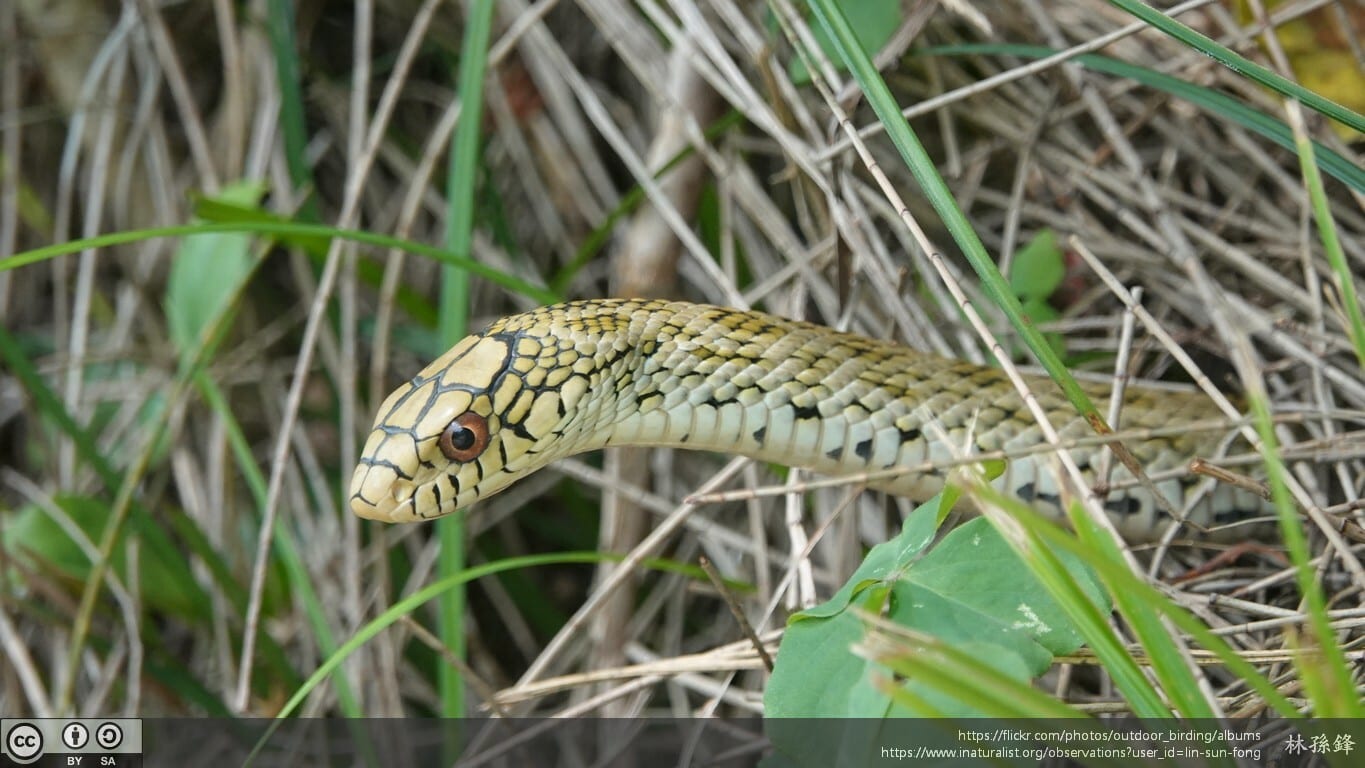
A large Elaphe ratsnake of about 2 m from southern China, Taiwan and nearby areas. It eats other snakes and releases a powerful foul-smelling secretion when threatened, hence its Japanese name "stink snake".
Difficulty
Advanced
Temperature
25〜32℃
Lifespan
Few data on lifespan in captivity
Size
120-250 cm total length (females larger)
Humidity
40〜70%
Diet
Carnivore (rodents, birds, eggs, lizards, frogs, snakes)
About
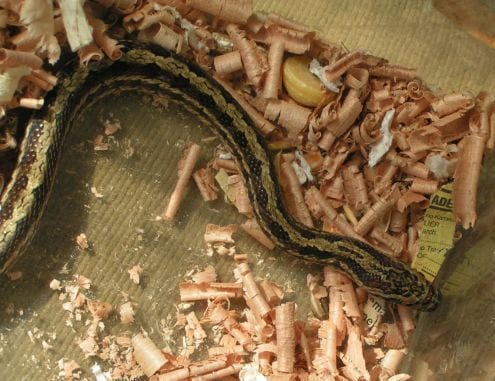
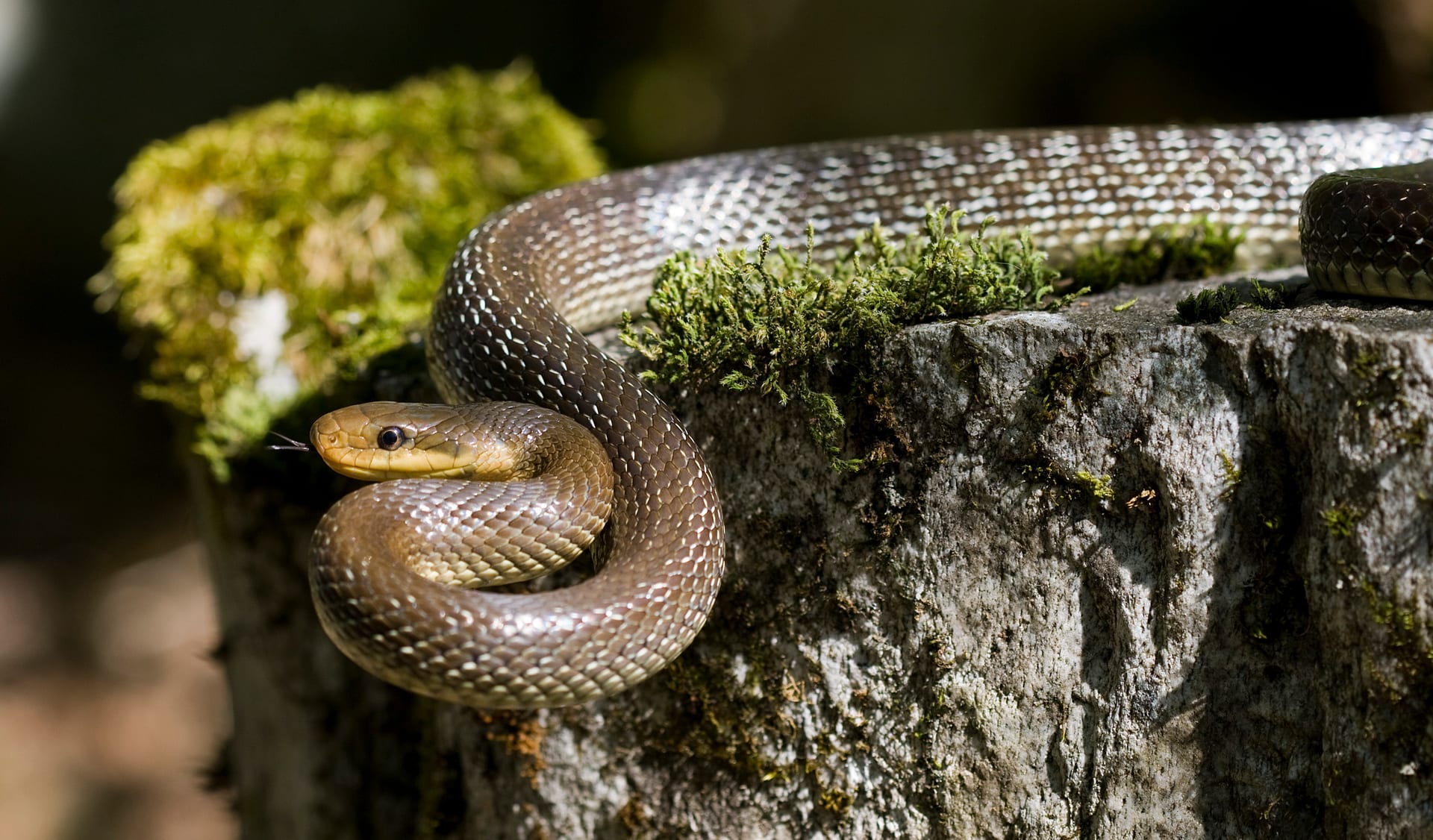
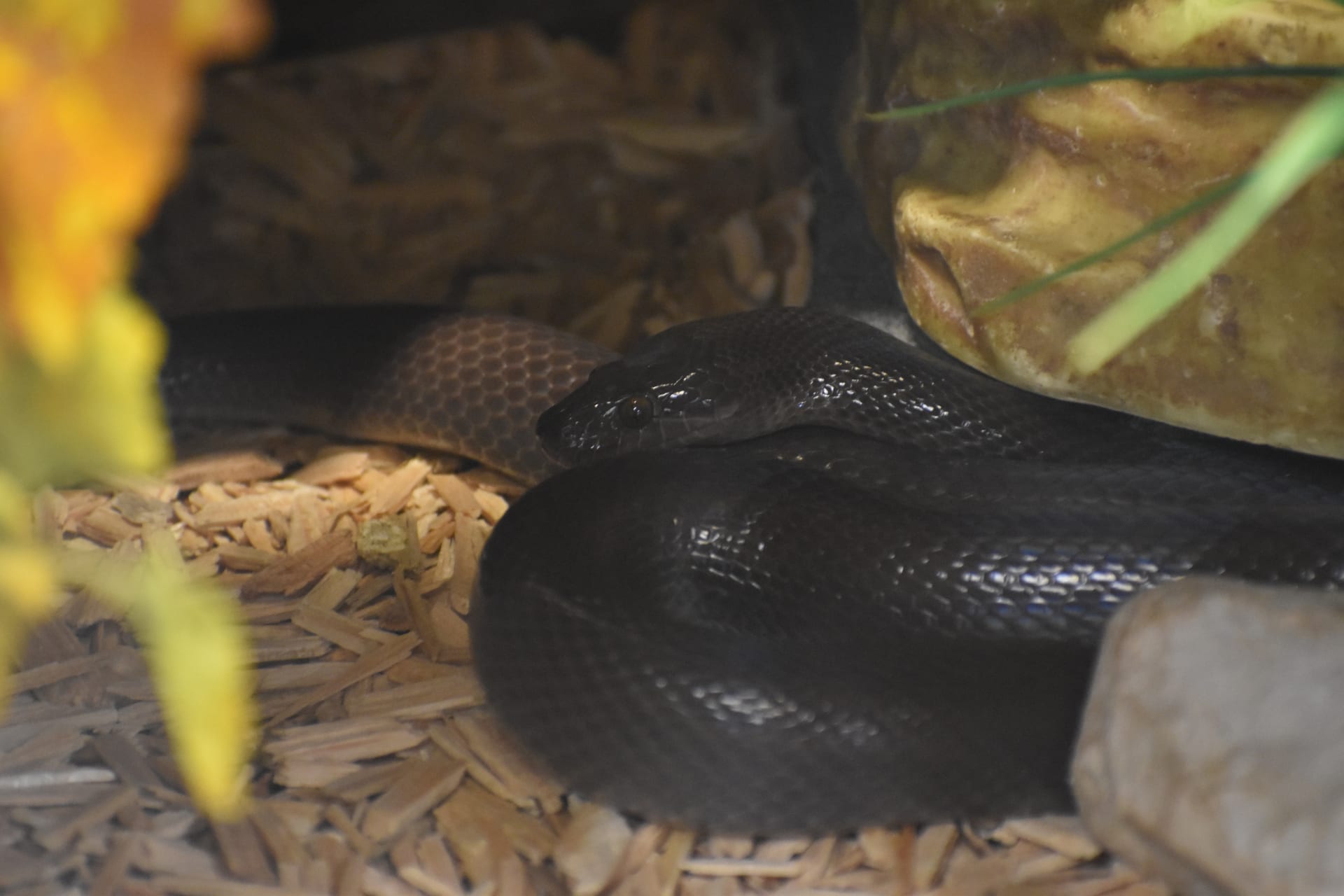
The king ratsnake is a large Elaphe found in China (widely, north to Henan, Shaanxi and Gansu), northern Vietnam, Taiwan and Japan (the Senkaku Islands and Yonaguni), in forest, grassland, waterside habitats, farmland and near houses from 100 to 2,500 m. It measures 120 to 250 cm in total length, and females are larger. Two subspecies are recognized: the nominate form and the Yonaguni endemic E. c. yonaguniensis; both Japanese populations are listed as Endangered (EN) on Japan's Ministry of the Environment Red List. Adults of the nominate form are dark brown with yellow or white spots on the forebody, while the Yonaguni form is pale brown and keeps stripes on the rear body as an adult. Juveniles are pale brown with black stripes and crossbars, and the pattern shifts markedly from striped to banded with growth. It constricts rodents, birds and their eggs, lizards, frogs and other snakes, including venomous species. When threatened it hisses, inflates its body and releases a foul-smelling secretion from its vent that can ruin clothing. It is regarded as bad-tempered. Its popularity as a pet is growing, and color mutations such as albinos are being bred.
Source: Wikipedia (CC BY-SA 4.0)
Size of the King Ratsnake
The King Ratsnake grows to 120-250 cm total length (females larger).
Basic Info
Origin
China, northern Vietnam, Taiwan and Japan (Senkaku Islands, Yonaguni)
Lifespan
Few data on lifespan in captivity
Size
120-250 cm total length (females larger)
Temperature
25〜32℃
References & Sources
Edited & verified by: BreederDirect editorial team
The taxonomic, regulatory, and husbandry data on this page are compiled and verified against the authoritative primary sources below.
Taxonomy & Authority
Accepted name: Elaphe carinata (Günther, 1864)
Synonyms: Coluber camillo-schneideri Vogt, 1927, Coluber phyllophis Boulenger, 1894, Coluber phyllophis Müller, 1895, Elaphe osborni Schmidt, 1925, Phyllophis carinata Günther, 1864
Authority databases: GBIF · The Reptile Database: Elaphe carinata · GBIF: Elaphe carinata
Nomenclature follows global taxonomic authority databases.
Regulations & Conservation Status
Not CITES-listed
Not listed under CITES (not listed in Species+). It is not a National Endangered Species under the Act on Conservation of Endangered Species of Wild Fauna and Flora, but the Japanese populations on the Senkaku Islands and Yonaguni (nominate and E. c. yonaguniensis) are Endangered (EN) on the Ministry of the Environment Red List. Never release captive animals into the wild.
Sources: Species+ (CITES): Elaphe carinata / Ministry of the Environment, Japan: list of National Endangered Species
Regulations may change. Always verify the latest information with the relevant authorities.
King Ratsnake Listings
Loading latest listingsFind listings for this species