Source: Wikimedia Commons
Aesculapian Snake
IntermediateZamenis longissimus
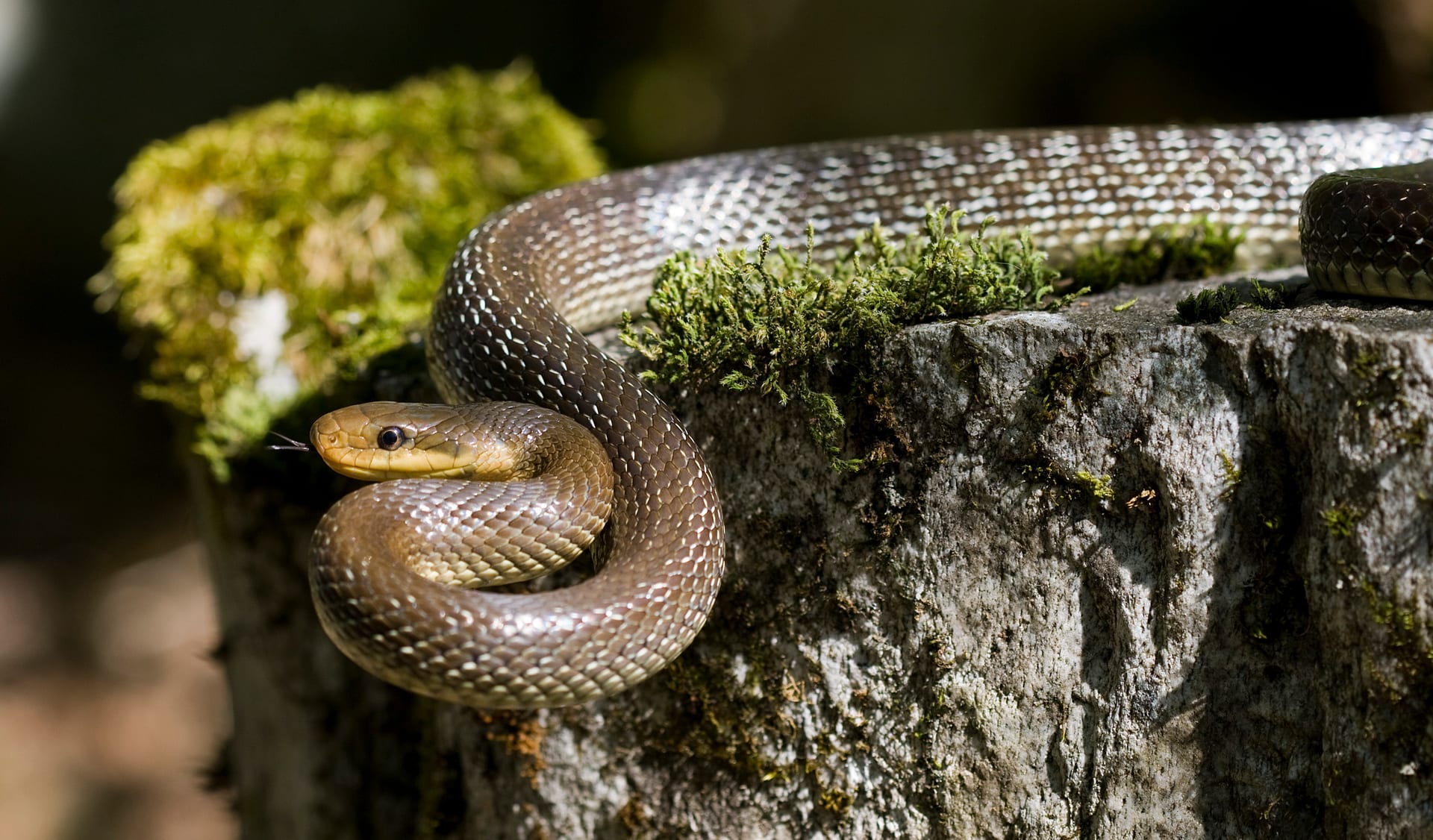
One of the largest European snakes, usually 110-160 cm and up to 225 cm long. Its smooth scales have a metallic sheen, and it is the snake associated with the Rod of Asclepius.
Difficulty
Intermediate
Temperature
25〜32℃
Lifespan
Estimated 25-30 years
Size
110-160 cm total length (max 225 cm)
Humidity
40〜70%
Diet
Carnivore (rodents and insectivores)
About
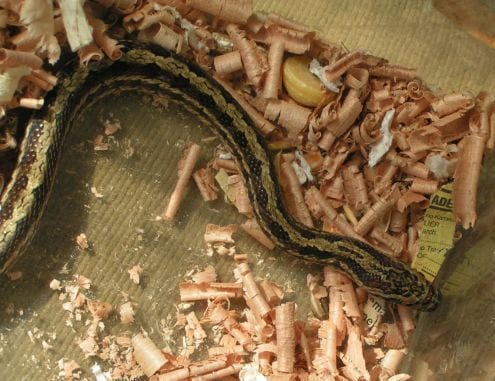
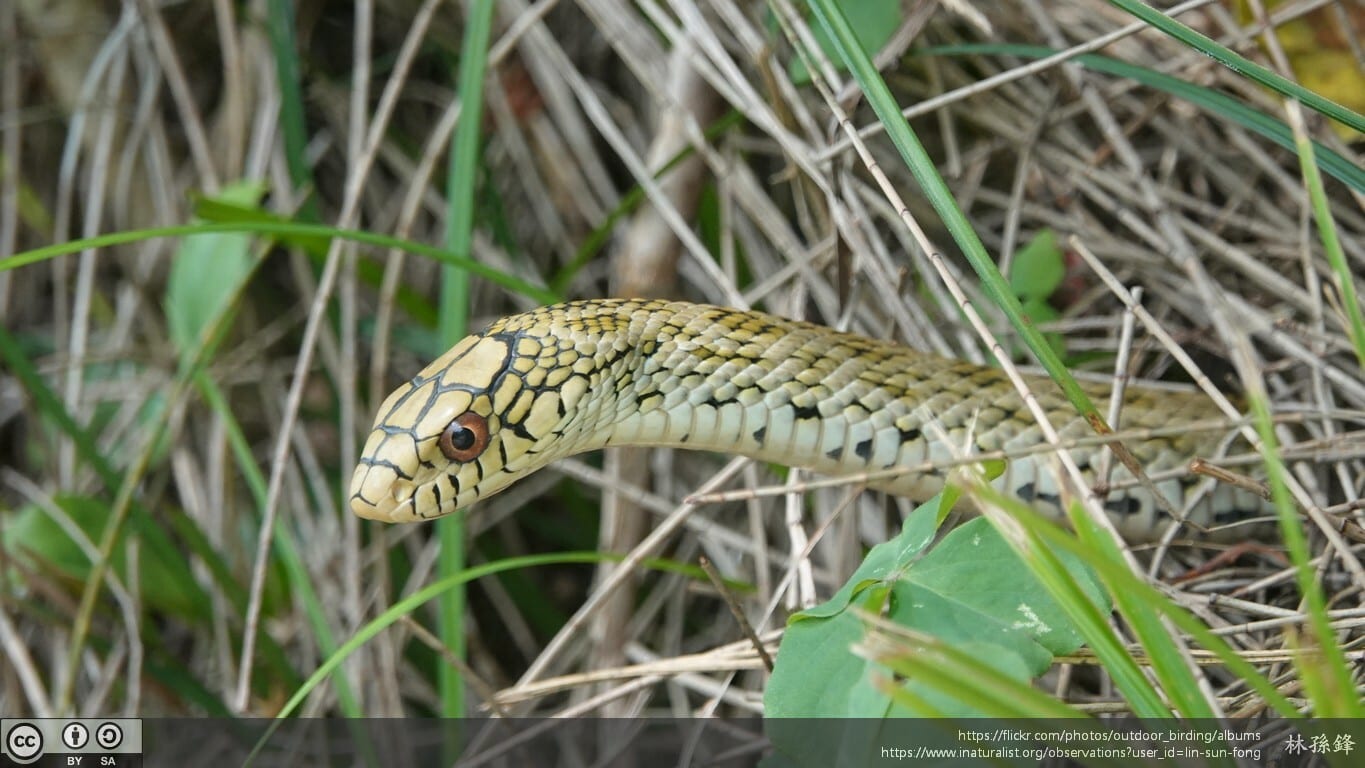
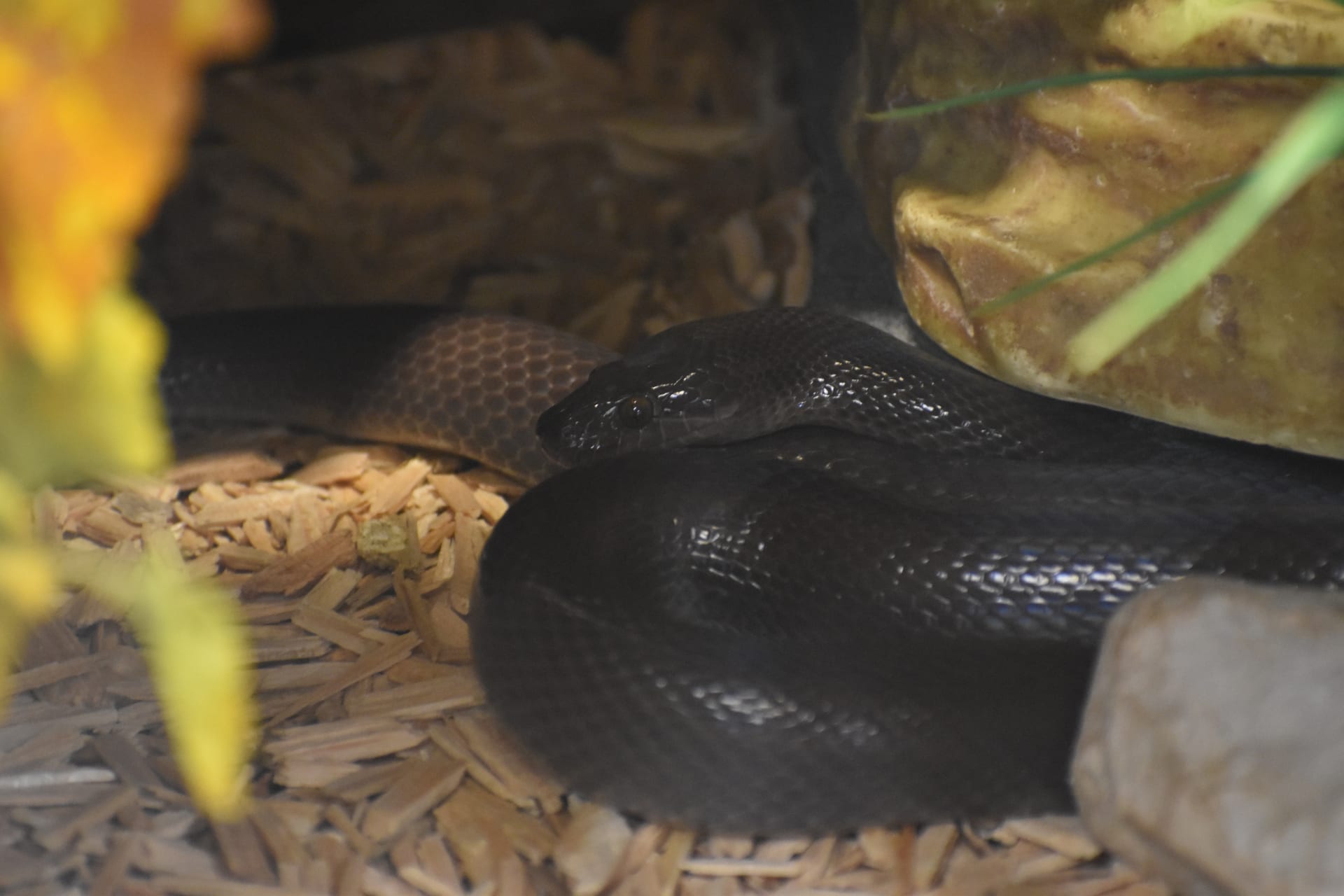
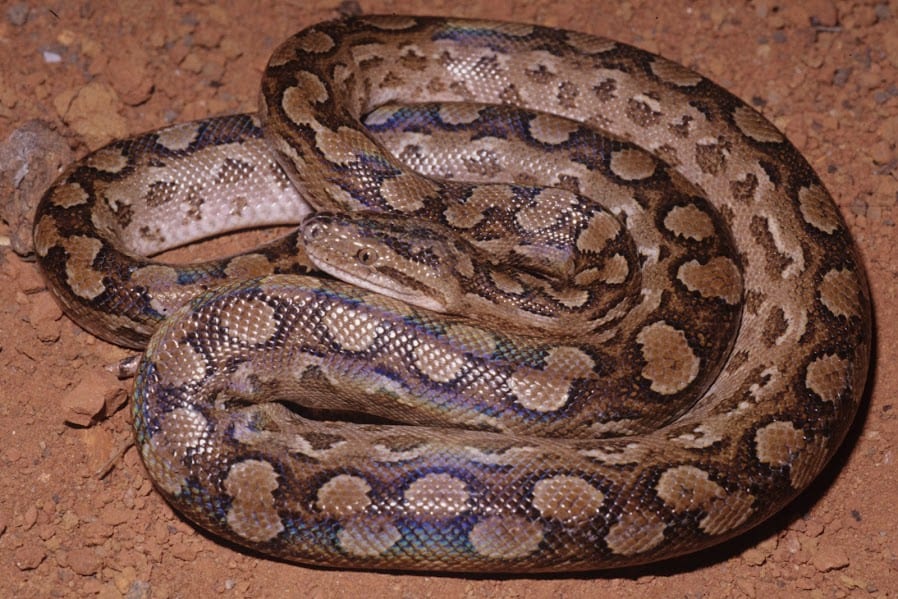
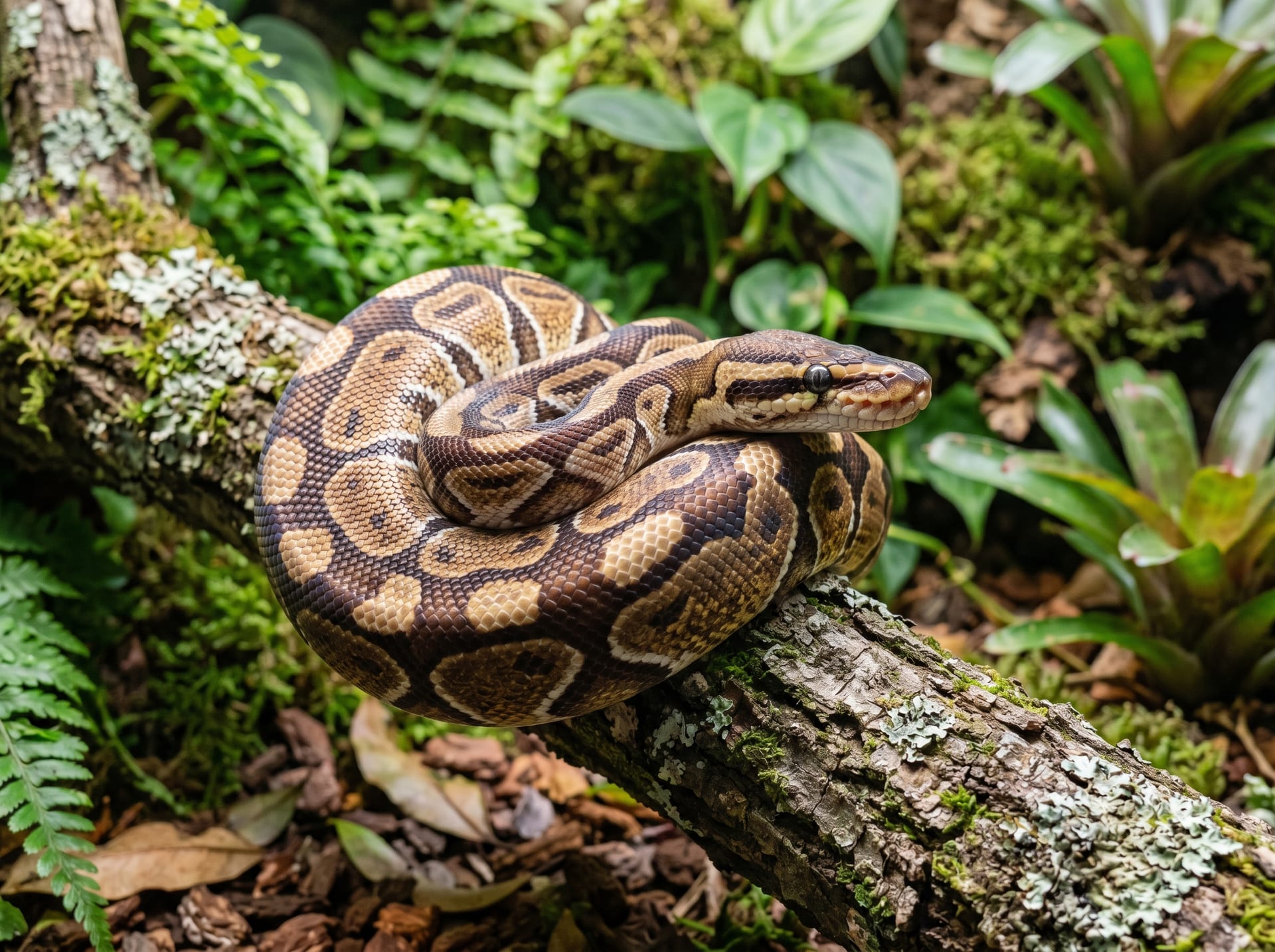
The Aesculapian snake is a non-venomous colubrid of the genus Zamenis found in France (south of Paris), northern Spain, northern Italy, southern Switzerland, Austria, the southern Czech Republic, Slovakia, Hungary, the Balkans, northern Turkey, south-western Ukraine, the Caucasus and north-western Iran, with introduced populations in Britain. It is culturally significant through its links to Asclepius in Greek and Roman mythology and the symbol of medicine. Hatchlings are about 30 cm, adults are usually 110 to 160 cm and can reach 225 cm, making it one of Europe's largest snakes. Its smooth scales give a metallic sheen. Adults range from olive-yellow and brownish green to almost black, often with white-edged scales, and the belly is yellow to off-white. Juveniles are light green or brownish green with a yellow collar and are easily mistaken for young grass snakes. Males grow larger than females. It was formerly Elaphe longissima; the southern Italian form is now Zamenis lineatus and the northern Iranian form Zamenis persicus. It favors humid temperate mixed forest with rocky areas, is partly arboreal and feeds mainly on rodents. In Japan captive-bred animals are sold in specialist shops.
Source: Wikipedia (CC BY-SA 4.0)
Lifespan of the Aesculapian Snake
The Aesculapian Snake lives Estimated 25-30 years.
Lifespan is estimated at 25 to 30 years.
Size of the Aesculapian Snake
The Aesculapian Snake grows to 110-160 cm total length (max 225 cm).
Basic Info
Origin
Southern and central Europe to eastern Europe, northern Turkey, the Caucasus and north-western Iran
References & Sources
Edited & verified by: BreederDirect editorial team
The taxonomic, regulatory, and husbandry data on this page are compiled and verified against the authoritative primary sources below.
Taxonomy & Authority
Accepted name: Zamenis longissimus (Laurenti, 1768)
Synonyms: Coluber aesculapi Lacepede, 1789, Coluber auculapii Battersby, 1952, Coluber longissima Laurenti, 1768, Coluber scopoli Risso, 1826, Coluber sellmani Donndorff, 1798
Authority databases: GBIF · The Reptile Database: Zamenis longissimus · GBIF: Zamenis longissimus
Nomenclature follows global taxonomic authority databases.
Regulations & Conservation Status
Not CITES-listed
Not listed under CITES (no entry in Species+). Never release a captive animal into the wild.
Sources: Species+ search (Zamenis longissimus: no match)
Regulations may change. Always verify the latest information with the relevant authorities.
Aesculapian Snake Listings
Loading latest listingsFind listings for this species