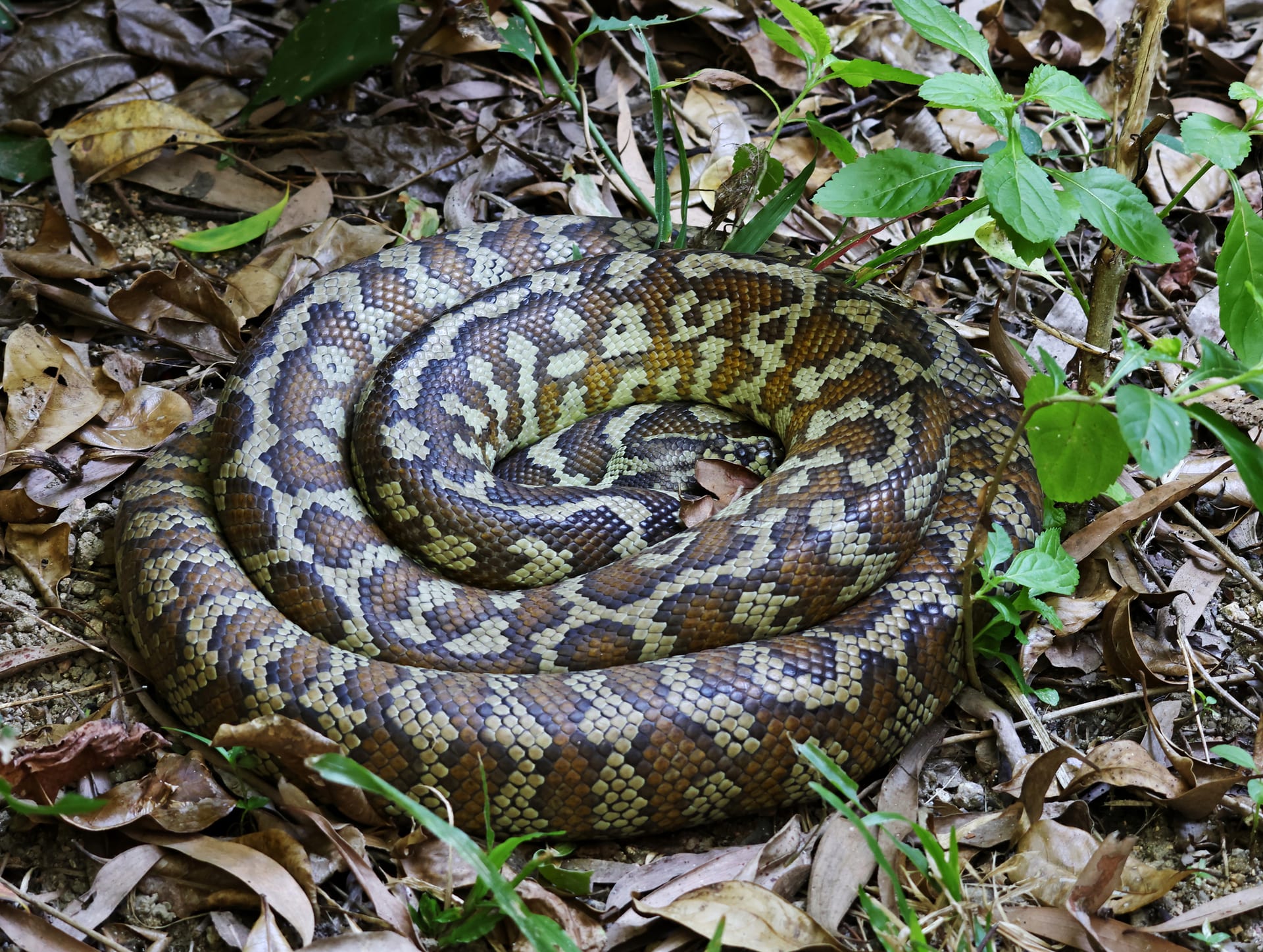
Source: Wikimedia Commons
Jungle Carpet Python
IntermediateMorelia spilota cheynei
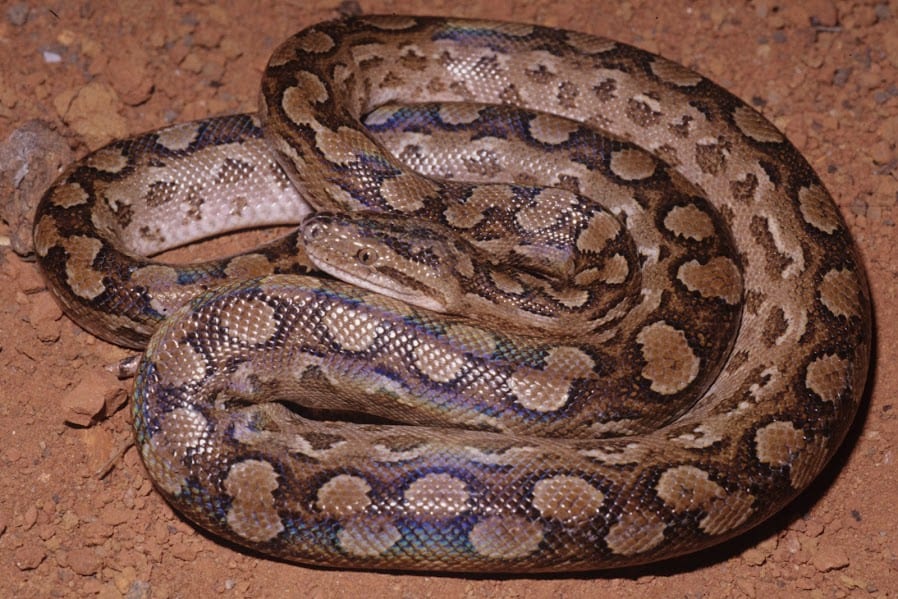
A carpet python subspecies from the rainforests of north-eastern Queensland, Australia. A medium-sized, semi-arboreal python usually 1.5-2.1 m long.
Difficulty
Intermediate
Temperature
25〜32℃
Lifespan
up to about 20 years (captive record)
Size
1.5-2.1 m total length (wild females over 2.6 m recorded)
Humidity
40〜70%
Diet
Carnivore (rats, mice and other rodents)
About
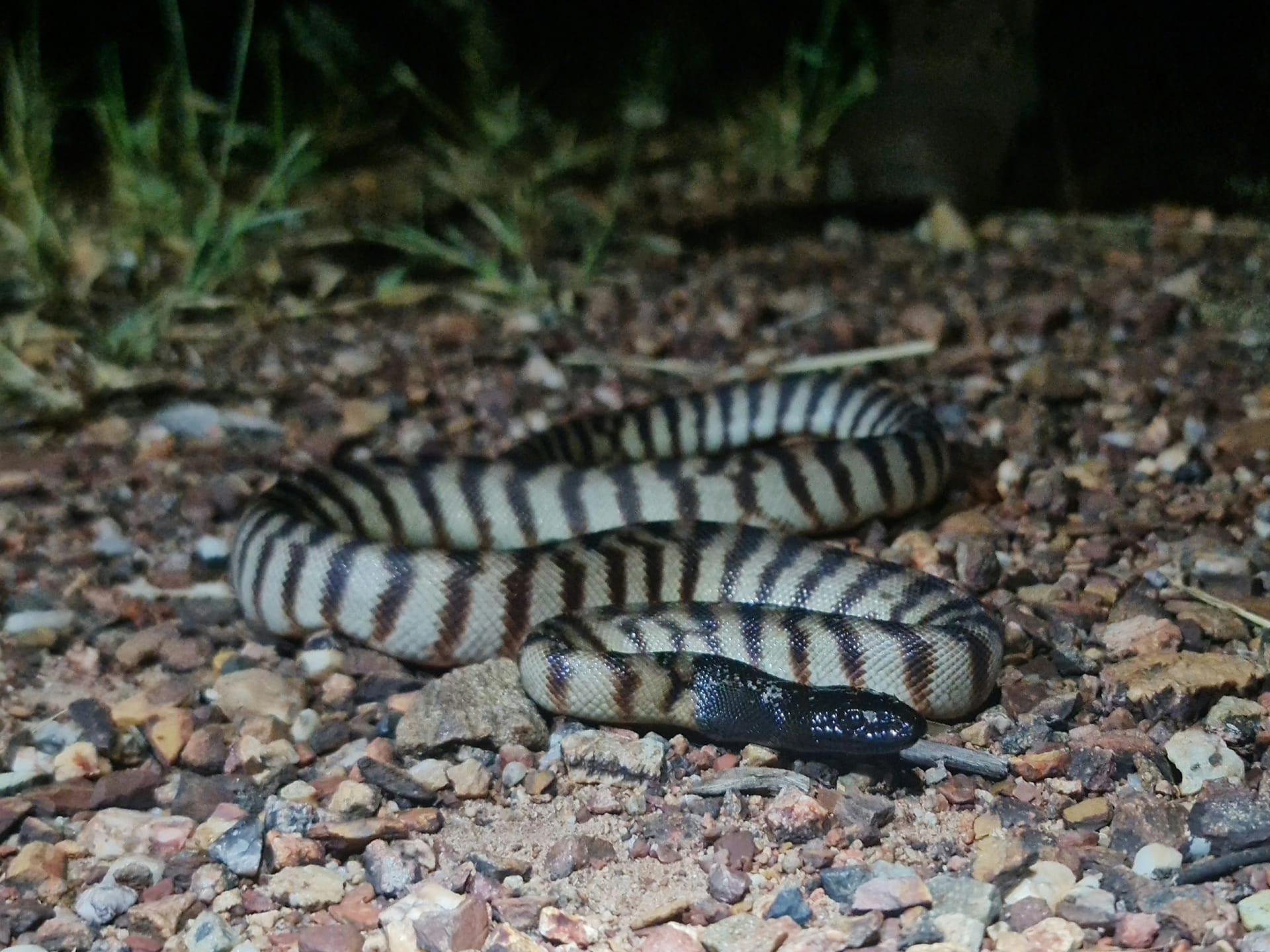
The jungle carpet python is Morelia spilota cheynei, a subspecies of the carpet python in the family Pythonidae. Its type locality is Ravenshoe on the Atherton Tableland in north Queensland, and it inhabits the rainforests of north-eastern Queensland. The carpet python ranges widely across New Guinea and Australia and is divided into subspecies such as the coastal carpet python (M. s. mcdowelli) from north Queensland to northern New South Wales, the diamond python (the nominate M. s. spilota) of coastal New South Wales, M. s. variegata of northern Australia and the inland M. s. metcalfei. The species is extremely variable, with brown, red, green, yellow and bluish forms known, so subspecies are best distinguished by locality and lineage rather than looks alone. Adults are medium-sized at about 1.5 to 2.1 m, wild females have exceeded 2.6 m, and females are typically larger than males. It is semi-arboreal and in captivity eats medium-sized rodents such as rats, mice and young rabbits. In Japan captive-bred animals are sold at specialist shops and reptile shows.
Source: Wikipedia (CC BY-SA 4.0)
Lifespan of the Jungle Carpet Python
The Jungle Carpet Python lives up to about 20 years (captive record).
Size of the Jungle Carpet Python
The Jungle Carpet Python grows to 1.5-2.1 m total length (wild females over 2.6 m recorded).
Basic Info
Origin
North-eastern Queensland, Australia (rainforest around the Atherton Tableland)
Lifespan
up to about 20 years (captive record)
References & Sources
Edited & verified by: BreederDirect editorial team
The taxonomic, regulatory, and husbandry data on this page are compiled and verified against the authoritative primary sources below.
Taxonomy & Authority
Accepted name: Morelia spilota cheynei Wells & Wellington, 1984
Synonyms: Morelia cheynei Wells & Wellington, 1984
Authority databases: GBIF · The Reptile Database: Morelia spilota · GBIF: Morelia spilota cheynei
Nomenclature follows global taxonomic authority databases.
Regulations & Conservation Status
CITES Appendix II
Listed in CITES Appendix II. International trade requires an export permit from the country of origin, but no registration is needed to keep or transfer the animal within Japan. The entire family Pythonidae has been listed since 1977, and this subspecies is covered as part of Morelia spilota.
Sources: Species+ (CITES): Morelia spilota
Regulations may change. Always verify the latest information with the relevant authorities.
Jungle Carpet Python Listings
Loading latest listingsFind listings for this species