Image: tobyyy / CC BY-SA 4.0 / Wikimedia Commons
Black-headed Monitor
AdvancedVaranus tristis
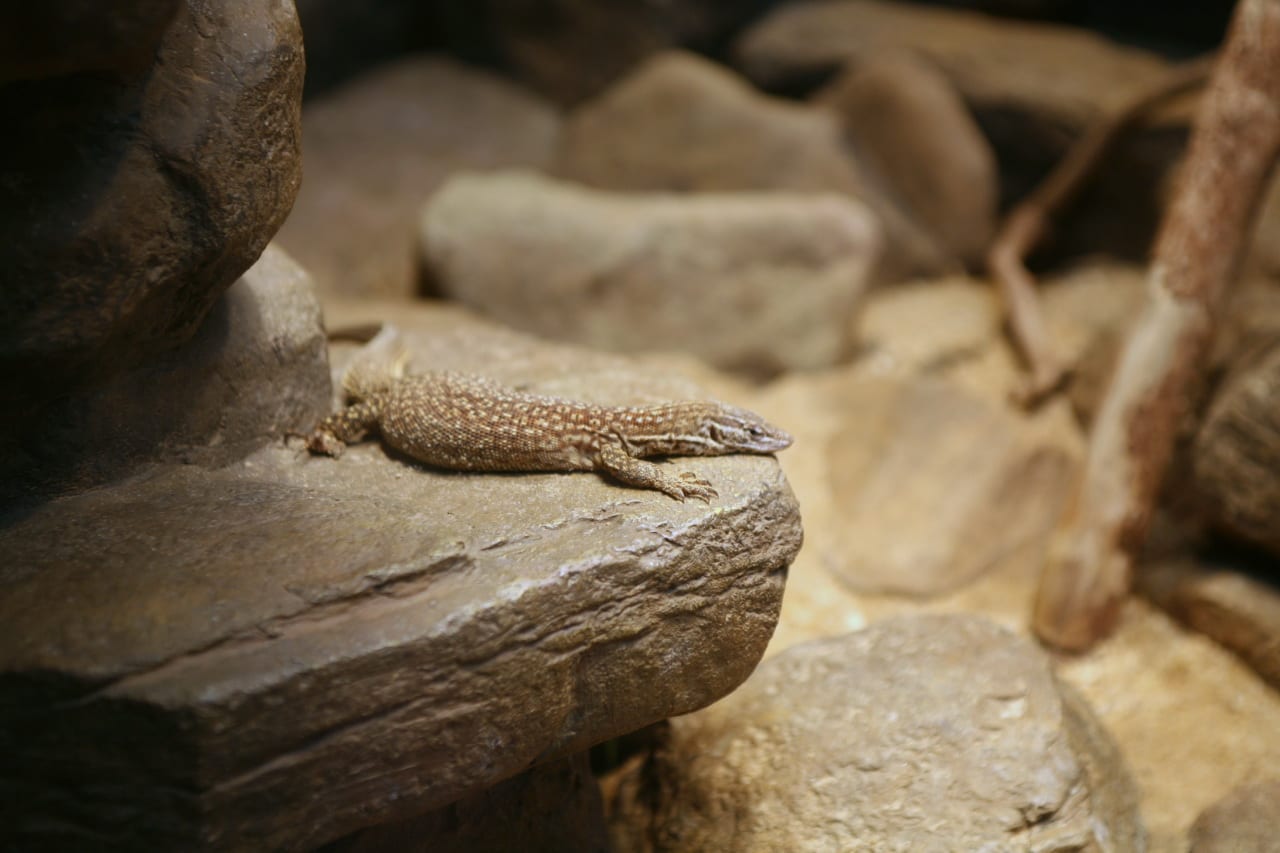
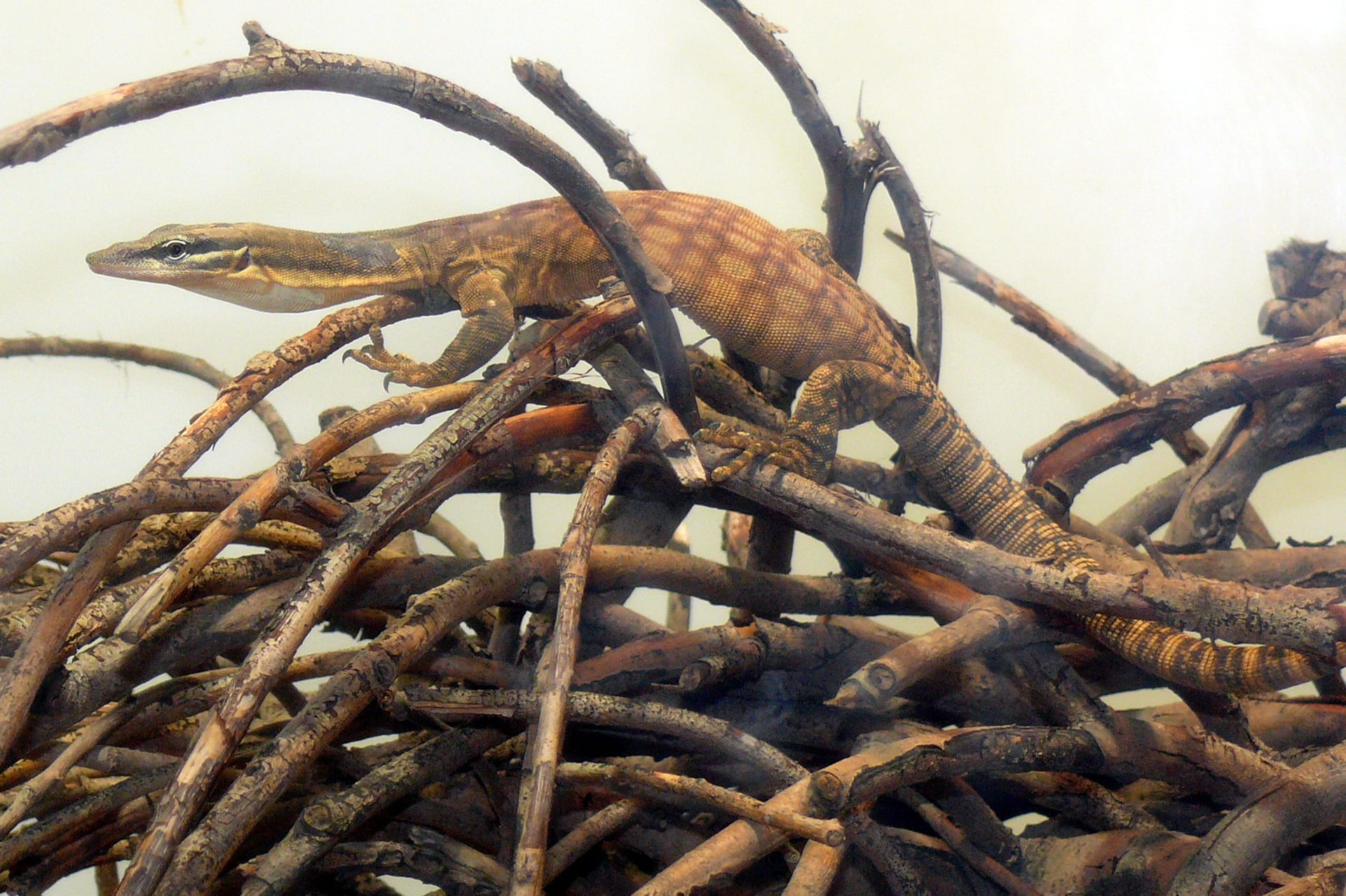
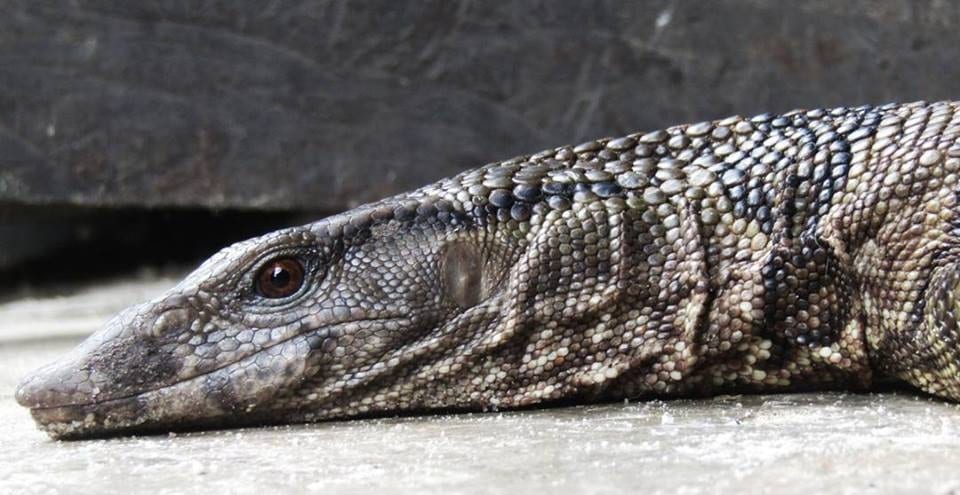
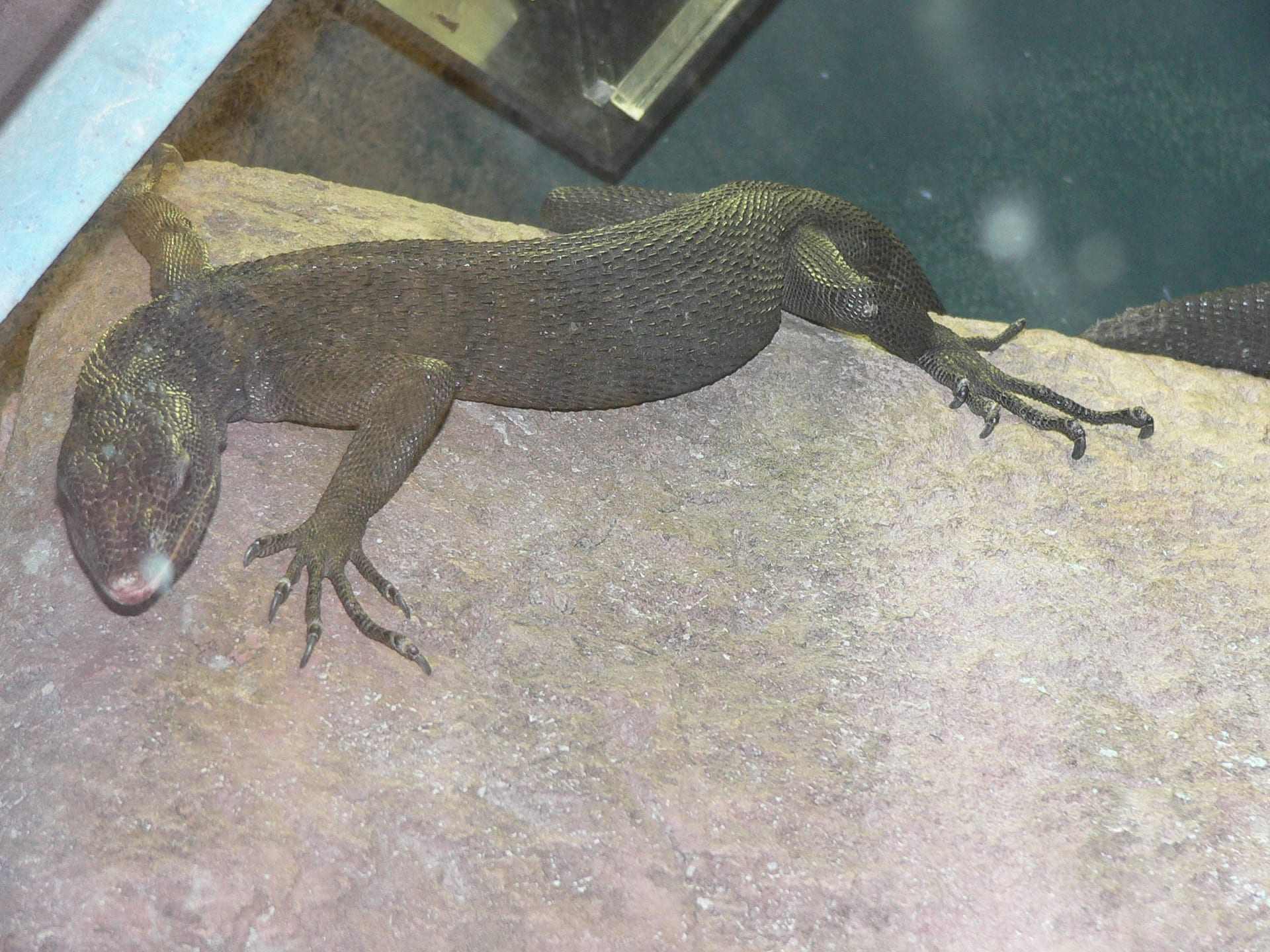
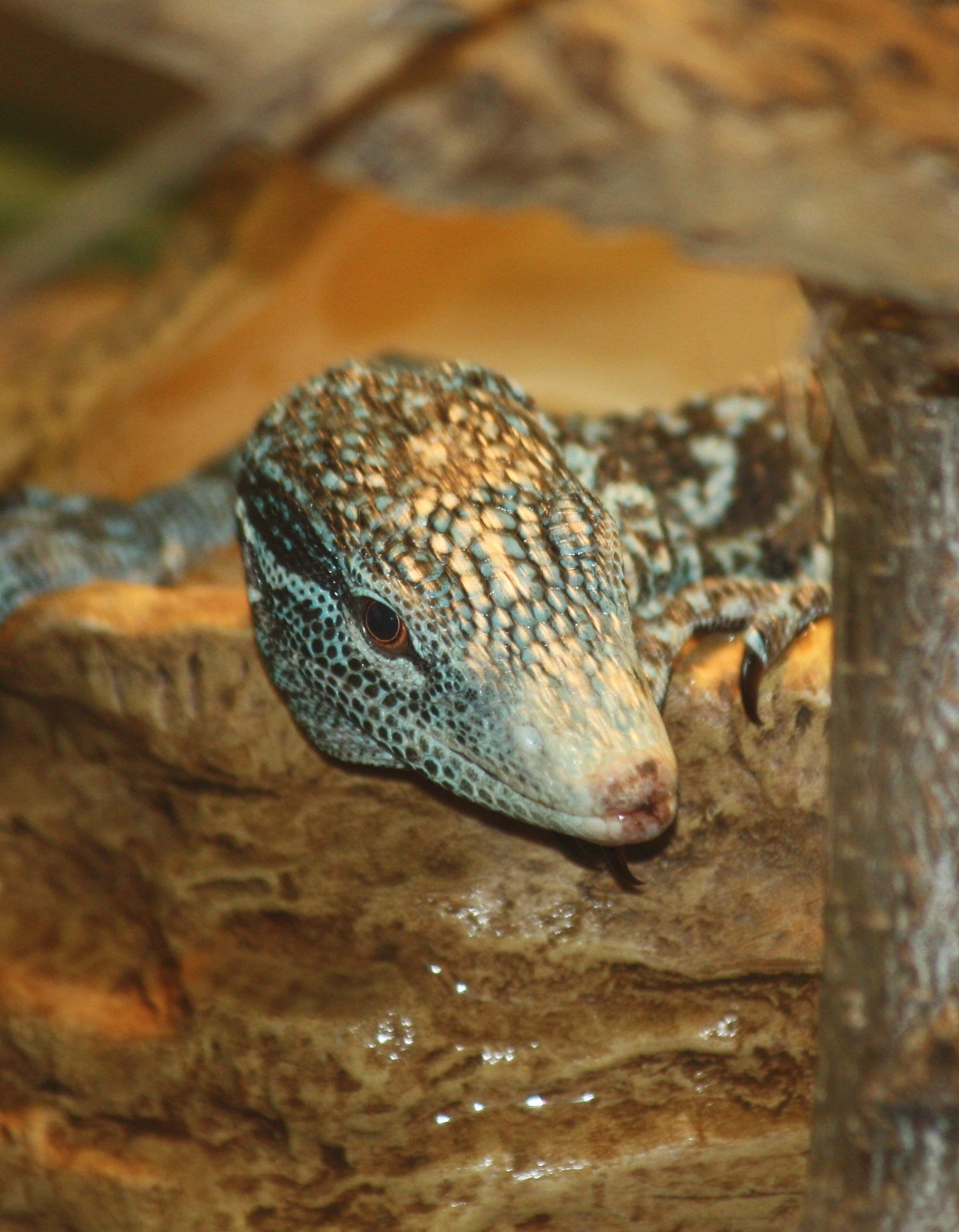
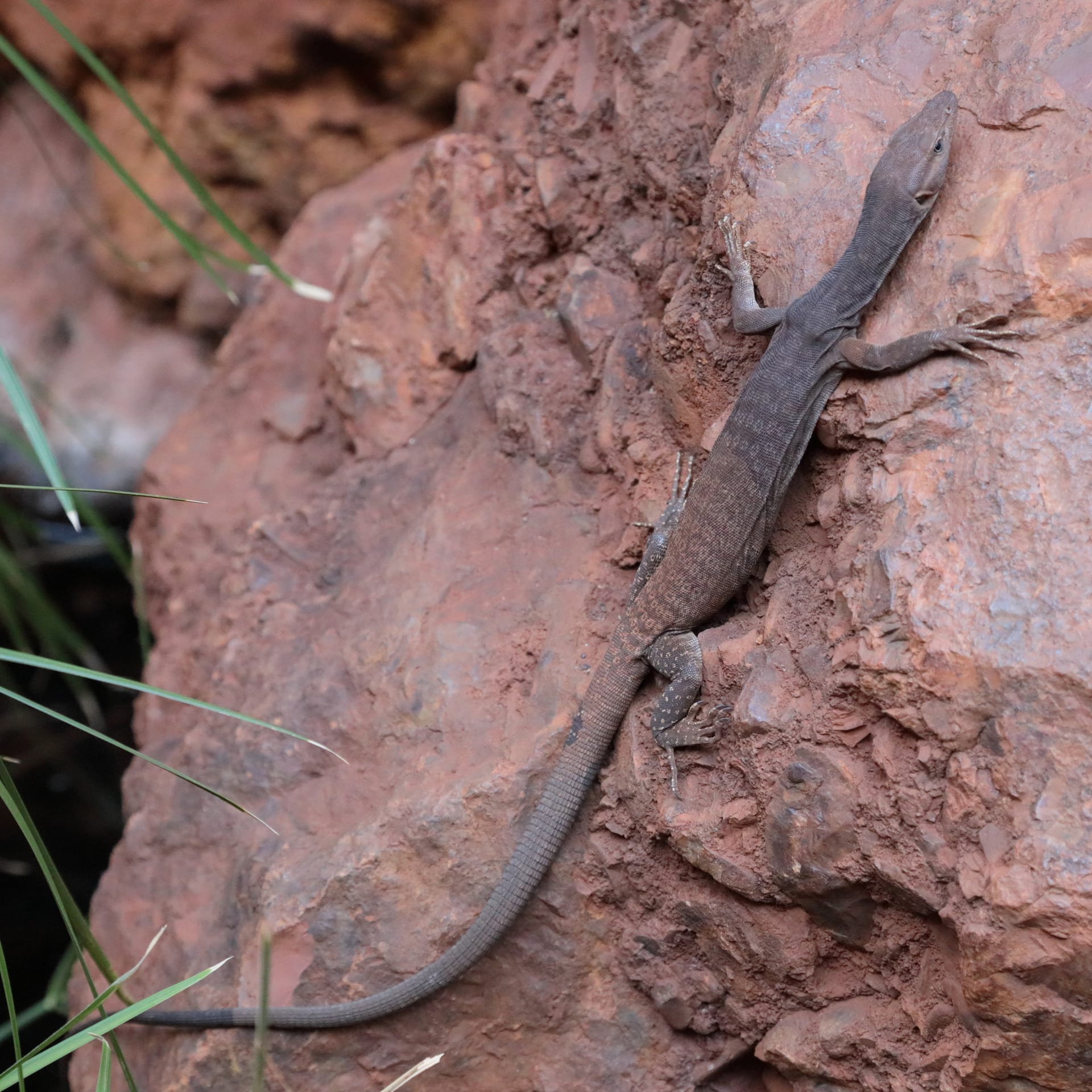
The most widespread monitor in Australia and a small one. Western nominate animals can be all black, while the eastern subspecies is lighter and freckled. It is semi-arboreal and very fast.
Difficulty
Advanced
Temperature
25〜32℃ (typical for Reptile & Amphibian)
Size
Up to 80 cm (nominate) or 60 cm (orientalis) total length
Humidity
40〜70%
Diet
Carnivore (insects, lizards, small mammals, bird eggs)
About
The black-headed or black-tailed monitor is a small Varanus in the subgenus Odatria. It is the most widespread monitor in Australia, occurring over nearly the whole mainland and some northern islands such as Magnetic Island, and absent only from the far south and south-east. Two subspecies are recognized: the nominate V. t. tristis of the west and centre, and V. t. orientalis, the freckled monitor, of the north and north-east; the two overlap in places such as coastal Queensland. The nominate form is larger at up to 80 cm. Populations around Perth are completely black, hence the name tristis ("sad"), and animals become lighter farther north. V. t. orientalis reaches only about 60 cm and is lighter and more distinctly patterned with a less spiny tail. Hatchlings of both subspecies are brightly colored. It is semi-arboreal, sheltering under loose bark, in tree hollows and in rock crevices, and eats small mammals, lizards, frogs, bird eggs and chicks, and insects. In Japan captive-bred animals are occasionally offered by specialist shops.
Source: Wikipedia (CC BY-SA 4.0)
Size of the Black-headed Monitor
Black-headed Monitor adult size: Up to 80 cm (nominate) or 60 cm (orientalis) total length
Basic Info
Origin
Most of mainland Australia except the far south and south-east
Size
Up to 80 cm (nominate) or 60 cm (orientalis) total length
Temperature
25〜32℃ (typical for Reptile & Amphibian)
Humidity
40〜70%
References & Sources
Edited & verified by: BreederDirect editorial team
The taxonomic, regulatory, and husbandry data on this page are compiled and verified against the authoritative primary sources below.
Taxonomy & Authority
Accepted name: Varanus tristis Schlegel, 1839
Synonyms: Monitor tristis Schlegel, 1839, Odatria punctata Gray, Varanus punctatus orientalis Fry, 1913, Varanus timorensis tristis (Schlegel, 1839)
Authority databases: GBIF · The Reptile Database: Varanus tristis · GBIF: Varanus tristis
Nomenclature follows global taxonomic authority databases.
Regulations & Conservation Status
CITES Appendix II
Listed in CITES Appendix II. International trade requires an export permit from the country of origin, but no registration is needed to keep or transfer the animal within Japan. The genus Varanus spp., excluding the five species in Appendix I (such as the Komodo dragon), has been listed since July 1, 1975.
Sources: Species+ (CITES): Varanus tristis
Regulations may change. Always verify the latest information with the relevant authorities.
Black-headed Monitor Listings
Loading latest listingsFind listings for this species