Tropical Fish Community Tank Guide | Good Pairings and Precautions
We explain compatibility checkpoints to avoid failure in tropical fish community tanks. We've compiled judgment criteria including matching water temperature and quality, balancing body size, distributing by swimming layer, and assessing aggression levels.
Key Takeaways
We explain compatibility checkpoints to avoid failure in tropical fish community tanks. We've compiled judgment criteria including matching water temperature and quality, balancing body size, distributing by swimming layer, and assessing aggression levels.
Related Species
Tropical Fish Community Tank Guide | Good Pairings and Precautions
Keeping multiple species of tropical fish together in the same tank—called "community tanks"—is one of the joys of aquarium keeping. A tank full of colorful fish swimming around is healing just to watch, but if you get the combinations wrong, the fish can wound each other or become stressed and sick, potentially dying. In this article, we'll explain in detail everything from the basic principles for successful community tanks, to concrete pairing examples that even beginners can try, to the NG patterns you should absolutely avoid.
---
5 Basic Rules for Successful Community Tanks
When deciding whether a community tank will work, there are basic principles you should understand first. Understanding these can greatly reduce problems.
1. Be Careful About Size Differences
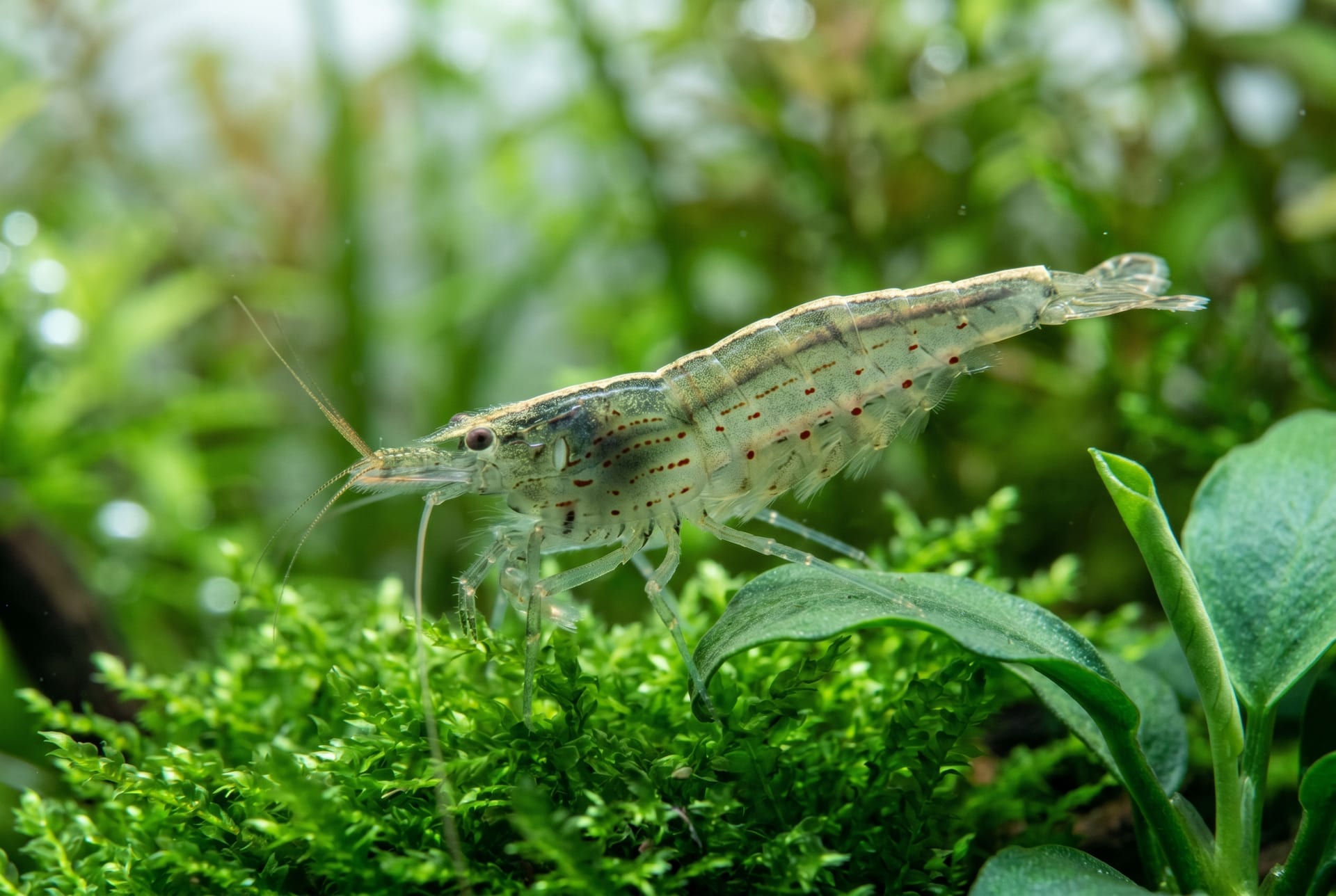
Fish have an instinct to recognize anything that fits in their mouth as food. When the size difference is 2-3 times or more in length, the risk of the smaller fish being predated increases significantly. Special caution is needed when pairing carnivorous or large-bodied fish with small species.
2. Match Preferences for Water Quality (pH and Temperature)
Each fish has preferred water conditions. If you house a fish that prefers slightly acidic water with one that prefers slightly alkaline water, one will constantly experience stress. The same applies to water temperature—combining fish that prefer warm water with those that prefer cool water doesn't work. Check the appropriate water conditions and temperature for each species in advance, and maintain them within overlapping ranges.
3. Be Cautious with Highly Territorial Fish
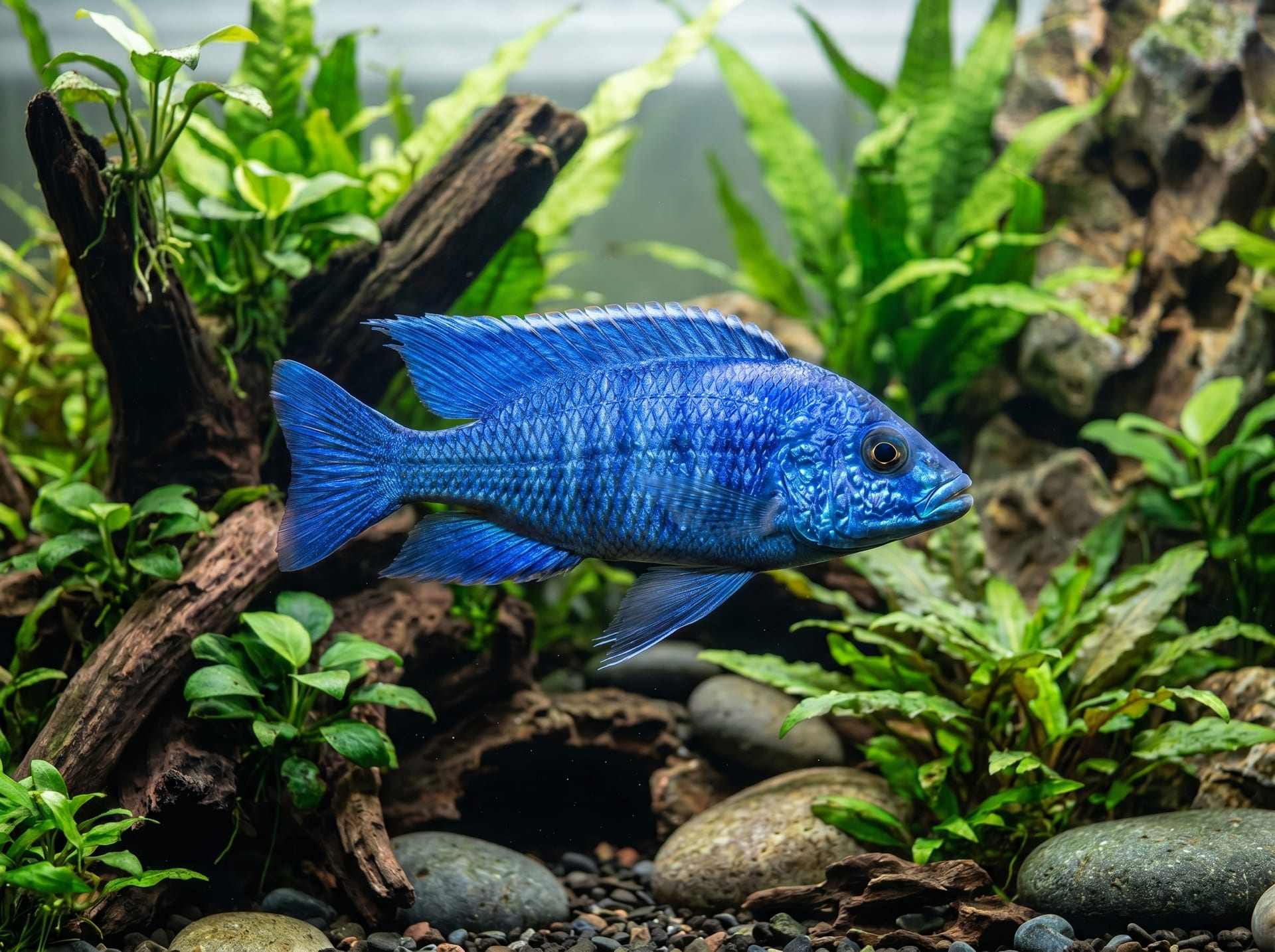
Highly territorial species like male bettas and African cichlids aggressively attack fish that enter their territory. Many of these fish are inherently suited to solitary keeping, and if you do try community tanks, you must choose tankmates very carefully. Methods for managing cichlid aggression are detailed in How to Reduce Cichlid Territorial Disputes.
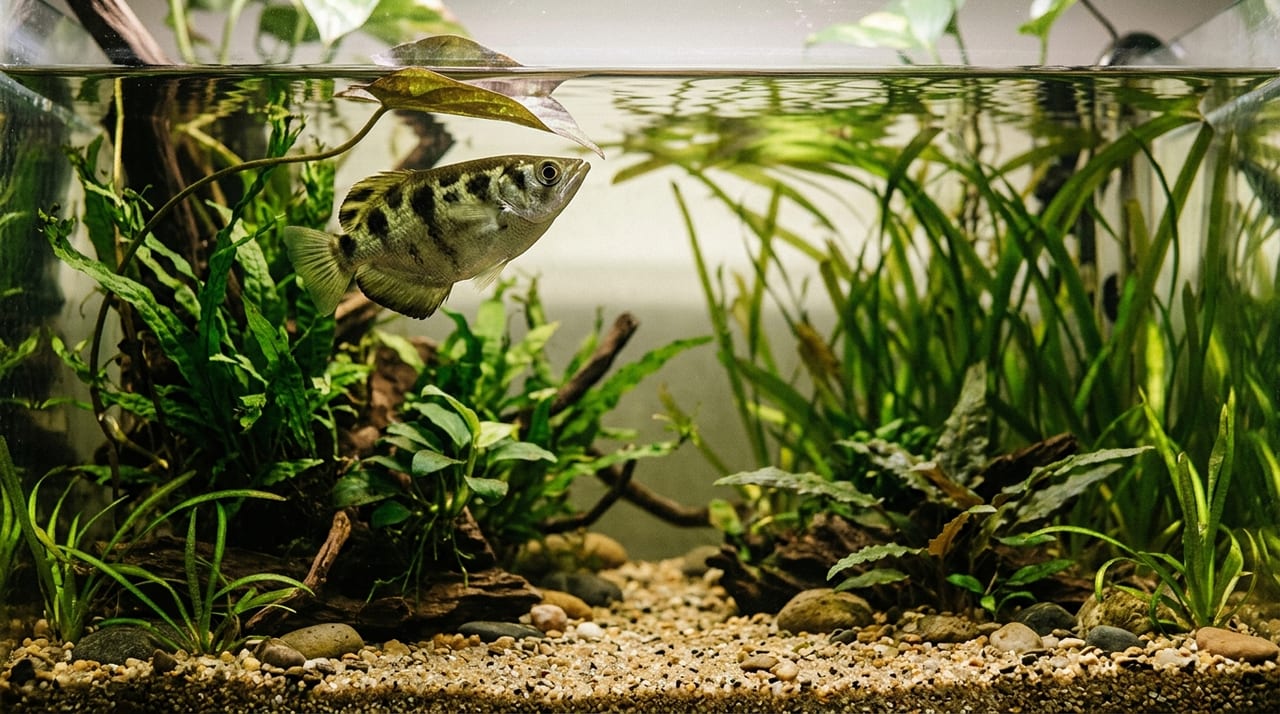
4. Distribute Fish by Swimming Layer
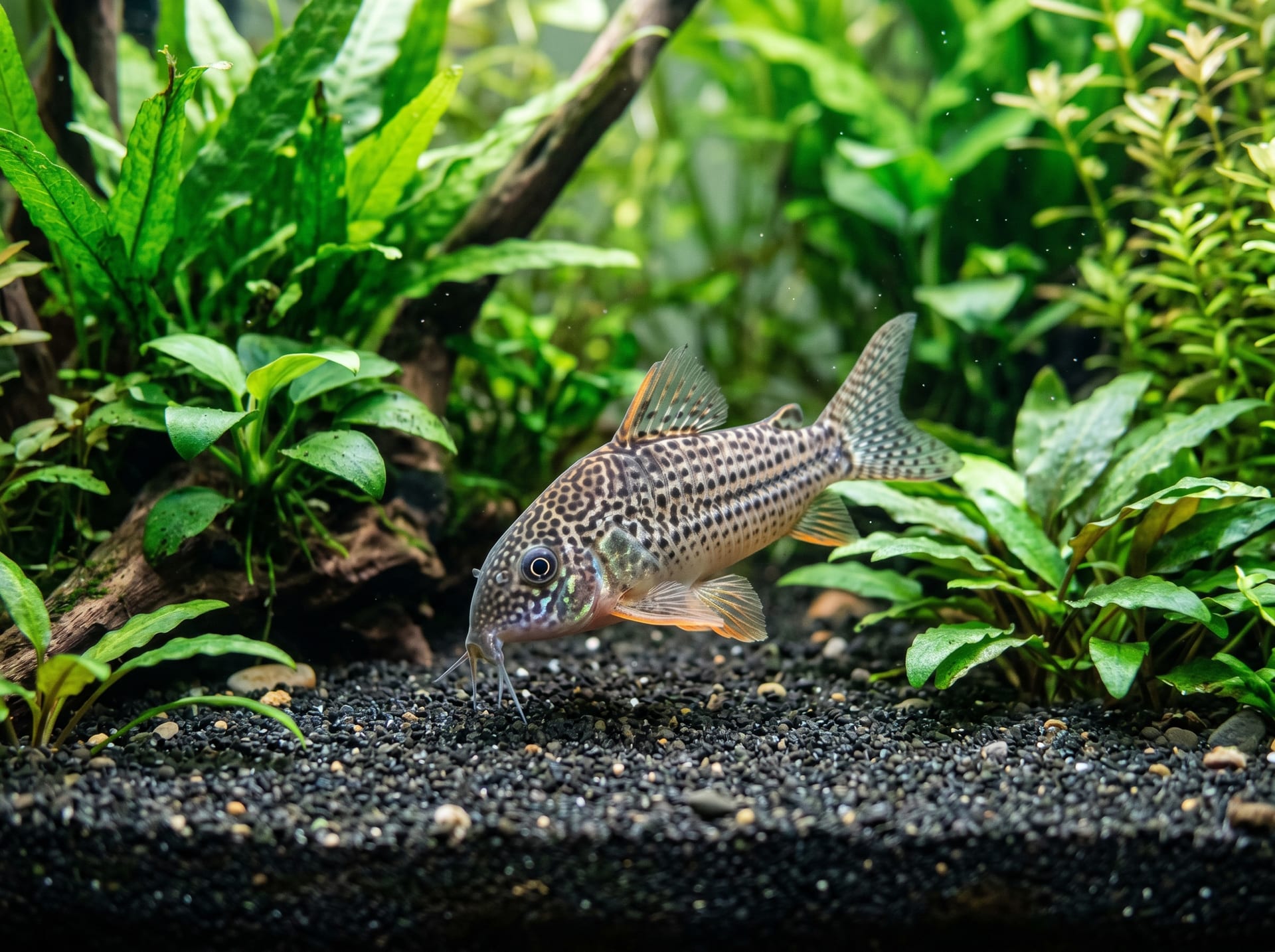
Within the tank, there are different "swimming zones"—the upper, middle, and bottom layers. When similar fish concentrate in the same layer, territorial disputes and competition for food become more likely. By combining fish that occupy different layers, you can naturally reduce competition.