How to Suppress Territorial Disputes in Cichlids | Aggression Management Techniques
Explains methods to manage aggressive behavior in cichlids. Introduces high-density stocking methods, aquarium layout techniques, and the use of dither fish.
Key Takeaways
Explains methods to manage aggressive behavior in cichlids. Introduces high-density stocking methods, aquarium layout techniques, and the use of dither fish.
Related Species
How to Suppress Territorial Disputes in Cichlids | Aggression Management Techniques
Cichlids are among the most intelligent tropical fish species, prized for their vibrant colors and distinctive individual behaviors. However, their strong territorial instinct and aggression can make many aquarists feel that they are "difficult to keep." With the right techniques, cichlid community tanks are entirely enjoyable. This article explains the mechanisms behind cichlid aggression and provides practical management methods in detail.
---
Why Cichlids Become Aggressive
To understand cichlid aggression, it is first important to know the question: "Why do they attack?"
Territoriality and Breeding Instinct
Almost all cichlid species possess a strong sense of territory. In the wild, defending territory to secure spawning sites and feeding grounds is directly tied to survival strategy, and this instinct is fully expressed even within an aquarium. Particularly during breeding season, males become noticeably more aggressive and may relentlessly chase other fish in the tank without hesitation.
Hostility Toward Same and Related Species
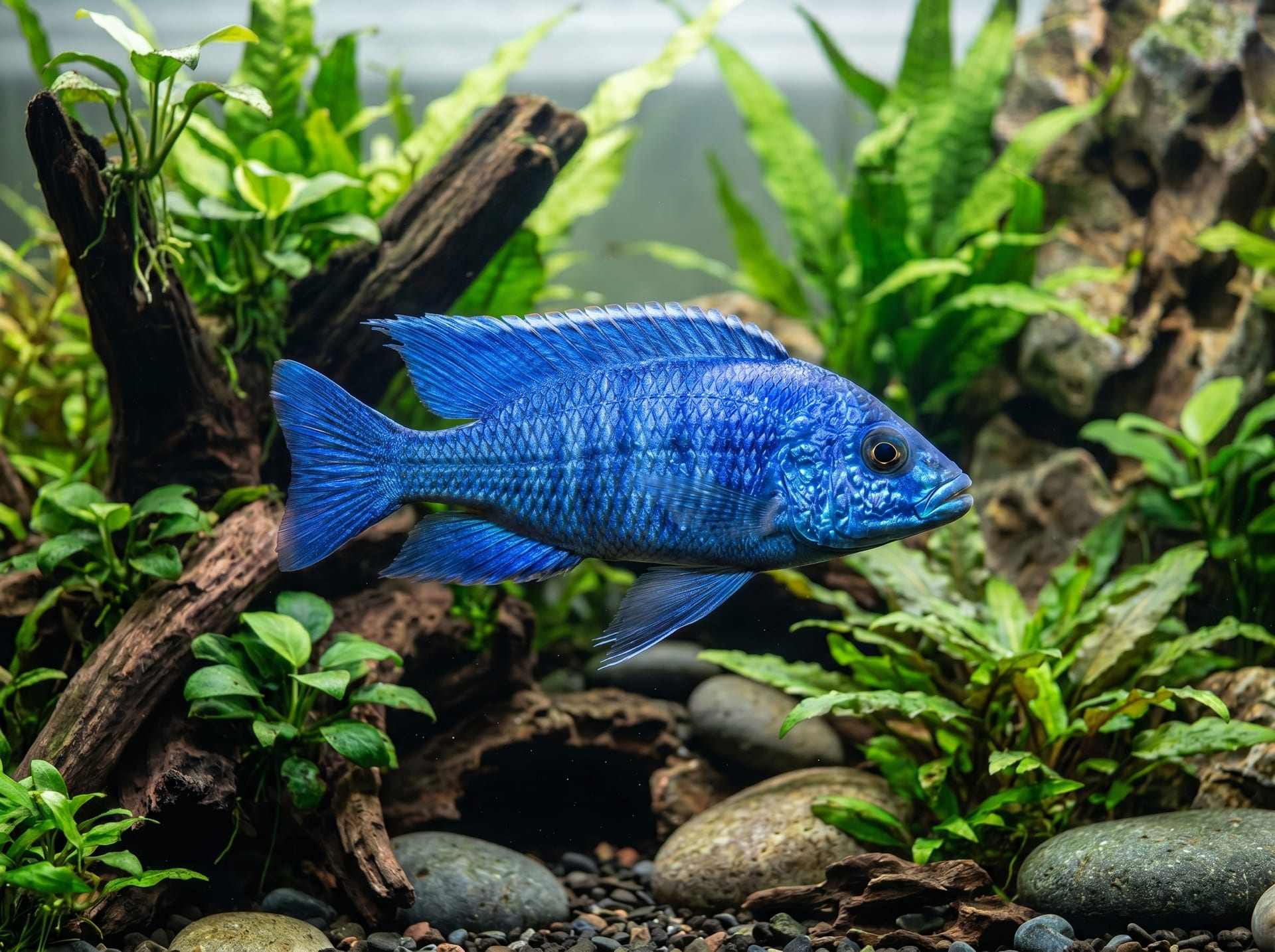
Cichlids have a habit of recognizing fish with similar coloration and body shape as "rivals." For example, among African cichlids in the Mbuna group, cases of mistaken identity and fierce attacks on different species with similar patterns are frequently observed. This "color-based misidentification aggression" requires particular attention when keeping multiple species together for collection purposes.
Competition for Resources
In the confined space of an aquarium where resources such as feeding areas, hiding places, and spawning beds are limited, dominant individuals may relentlessly corner weaker ones. When a specific individual is consistently unable to access food, it can lead to weakness and death, making prompt countermeasures essential.
---
Four Basic Techniques to Suppress Aggression
1. Strategic "High-Density Stocking" to Disperse Attacks
While it may seem counterintuitive, in highly aggressive species like Mbuna African cichlids, increasing the number of individuals to a certain degree reduces the likelihood of attacks concentrating on a single fish. This concept, called "attack dispersal," is widely adopted among aquarium shops and breeders.