Cichlid Care Beginner's Guide | African and Central/South American Cichlids: Species-Specific Management and Territory Control
A guide to raising cichlids, popular for their distinctive behavior and beautiful coloration. We explain the differences between African and Central/South American cichlids, territory management, and breeding basics.
Key Takeaways
A guide to raising cichlids, popular for their distinctive behavior and beautiful coloration. We explain the differences between African and Central/South American cichlids, territory management, and breeding basics.
Related Species
The Appeal of Cichlids: Tropical Fish Royalty with Personality and Intelligence
Cichlids (family Cichlidae) are a large group widely distributed across Central/South America and Africa. In the aquarium hobby, they are renowned for being "distinctive personalities" with their own unique popularity. Their greatest characteristic is their high intelligence. Many individuals recognize their keeper's face and approach the front of the tank, and it is not uncommon for some species to become so tame they will eat from your hand. What makes cichlid keeping special is that despite being ornamental fish, they inspire the kind of attachment one feels for a pet.
On the other hand, they are sometimes avoided as "difficult" due to their strong territorial nature and high aggression. However, if you properly understand each species' characteristics and set up an appropriate environment, even beginners can enjoy keeping them. In this article, we will explain species-specific management methods for African and Central/South American cichlids, as well as concrete strategies to address territorial issues.
African Cichlid Species and Keeping Tips
Most African cichlids are species groups endemic to Lake Malawi, Lake Tanganyika, and Lake Victoria, located in the Great Rift Valley of Africa. Since water quality characteristics differ for each lake, it is important to identify the fish's origin and adjust water parameters accordingly.
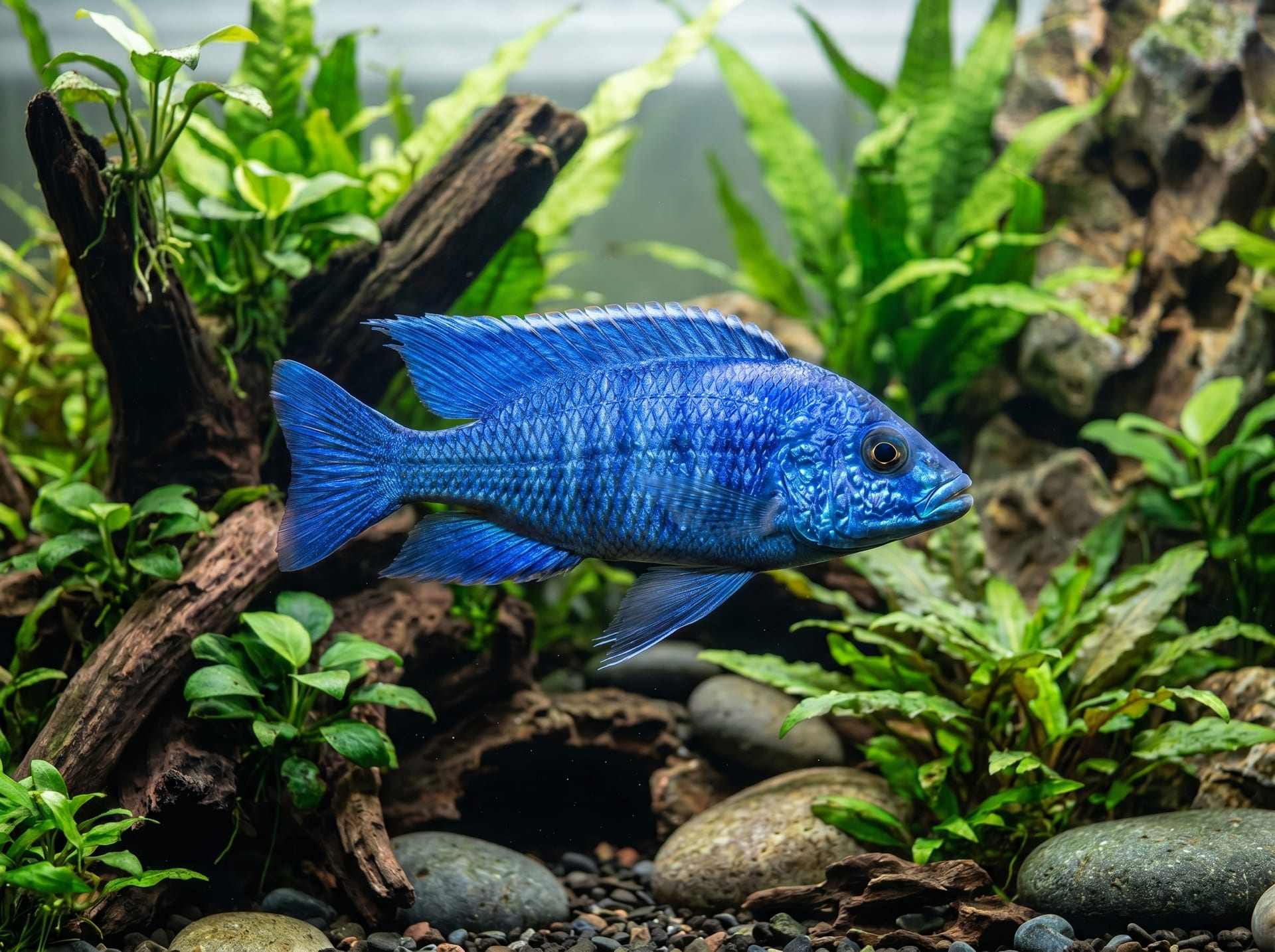
- Malawi Cichlids (Mbuna and Haplochromis): Lake Malawi has alkaline hard water with a pH of 7.8–8.5. Mbuna species that inhabit rocky areas (such as Cobalt Blue Cichlid and Multicolor Cichlid) are characterized by vibrant coloration and pair beautifully with rock-based layouts. Haplochromis species that swim in open water (such as Cynotilapia and Venustus) grow large and require tanks of 90 cm or larger. Mixing coral sand or crushed oyster shell into the substrate helps stabilize pH.
- Tanganyika Cichlids: Lake Tanganyika is also alkaline (pH 7.5–8.5) but slightly more stable and lower than Lake Malawi. Shell dwellers (such as Lamprologus ocellatus) are small species that use shells as their territory and are beginner-friendly, allowing you to enjoy breeding even in 45–60 cm tanks. Frontosa is an impressive large species, but it grows slowly and requires long-term care.
Central and South American Cichlid Species and Keeping Tips
Central and South American cichlids are primarily species adapted to the soft water and slightly acidic environment of the Amazon Basin. Since they prefer water chemistry opposite to African cichlids, avoid housing them in the same tank.
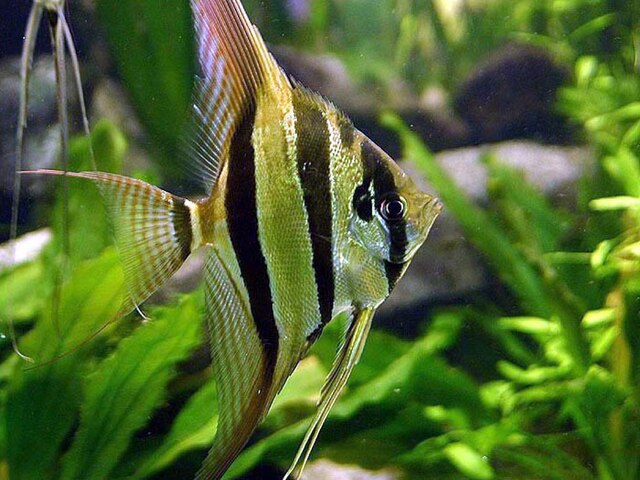
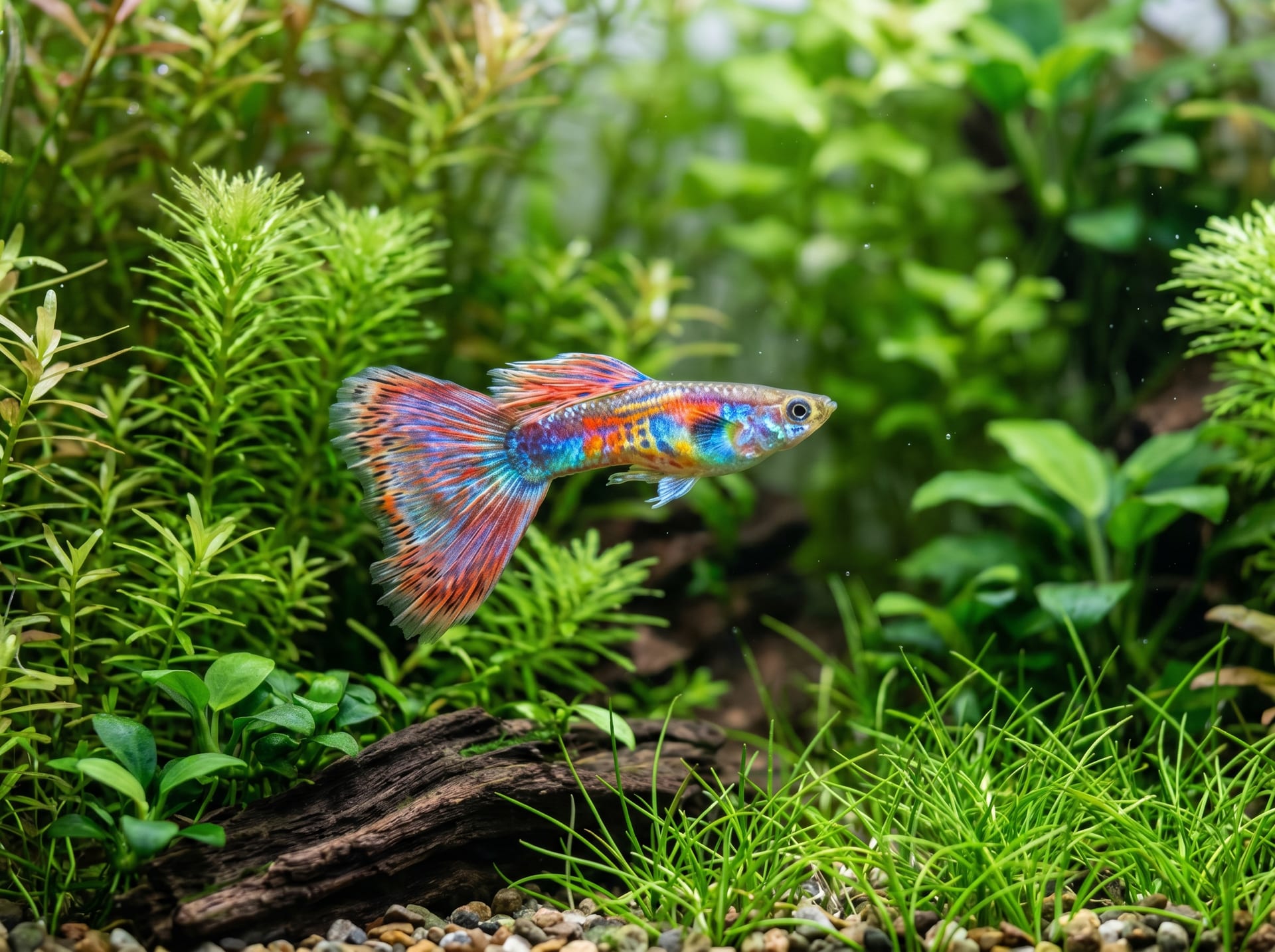
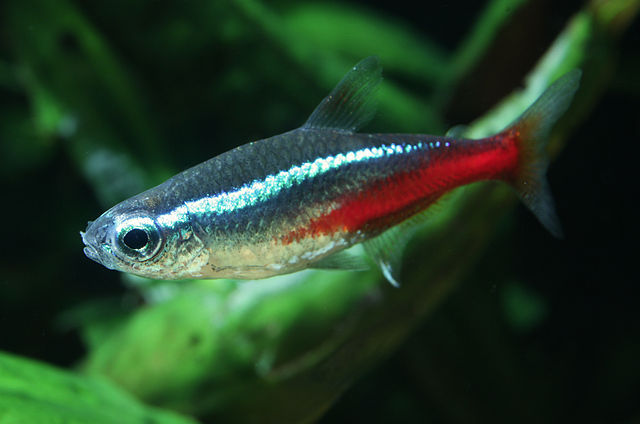
- Angelfish: The most popular Central and South American cichlid. They prefer slightly acidic to neutral water (pH 6.5–7.5) and temperatures of 25–28°C. They have a gentle temperament and are suitable for community tanks, but be aware that small fish 3 cm or smaller in length, such as guppies and neon tetras, may be predated upon. Their vertically elongated body shape requires a tank that is at least 60 cm long and of considerable height.
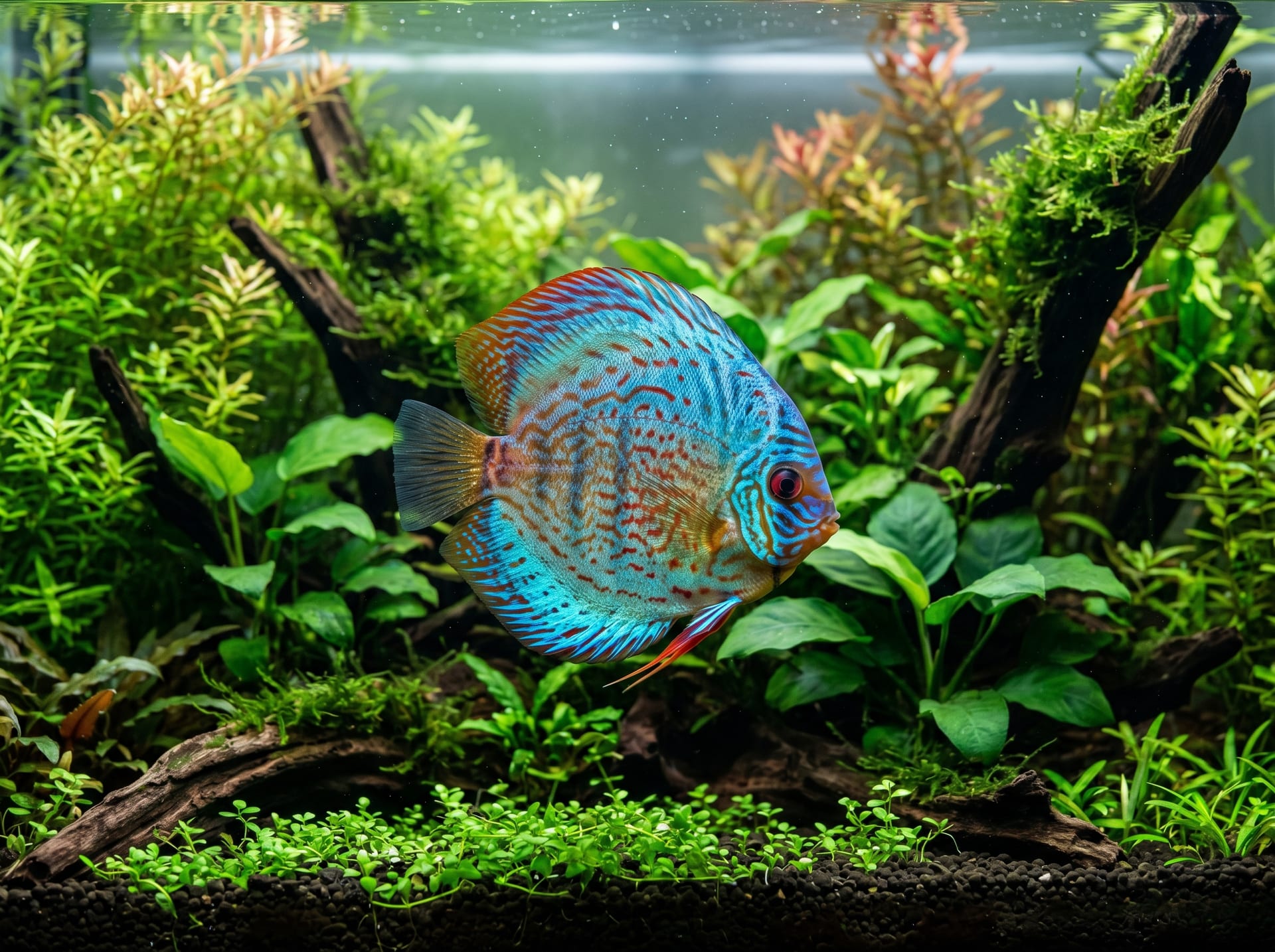
- Discus: Beautiful disc-shaped fish called "the king of tropical fish." This advanced species requires strict water parameter management: temperatures of 28–30°C, pH 5.5–6.8, and TDS (total dissolved solids) below 100 ppm. Water changes 2–3 times weekly and high-protein live food and frozen bloodworms are essential. Ideally, they should be kept alone in a spacious discus-dedicated tank (90 cm or larger).
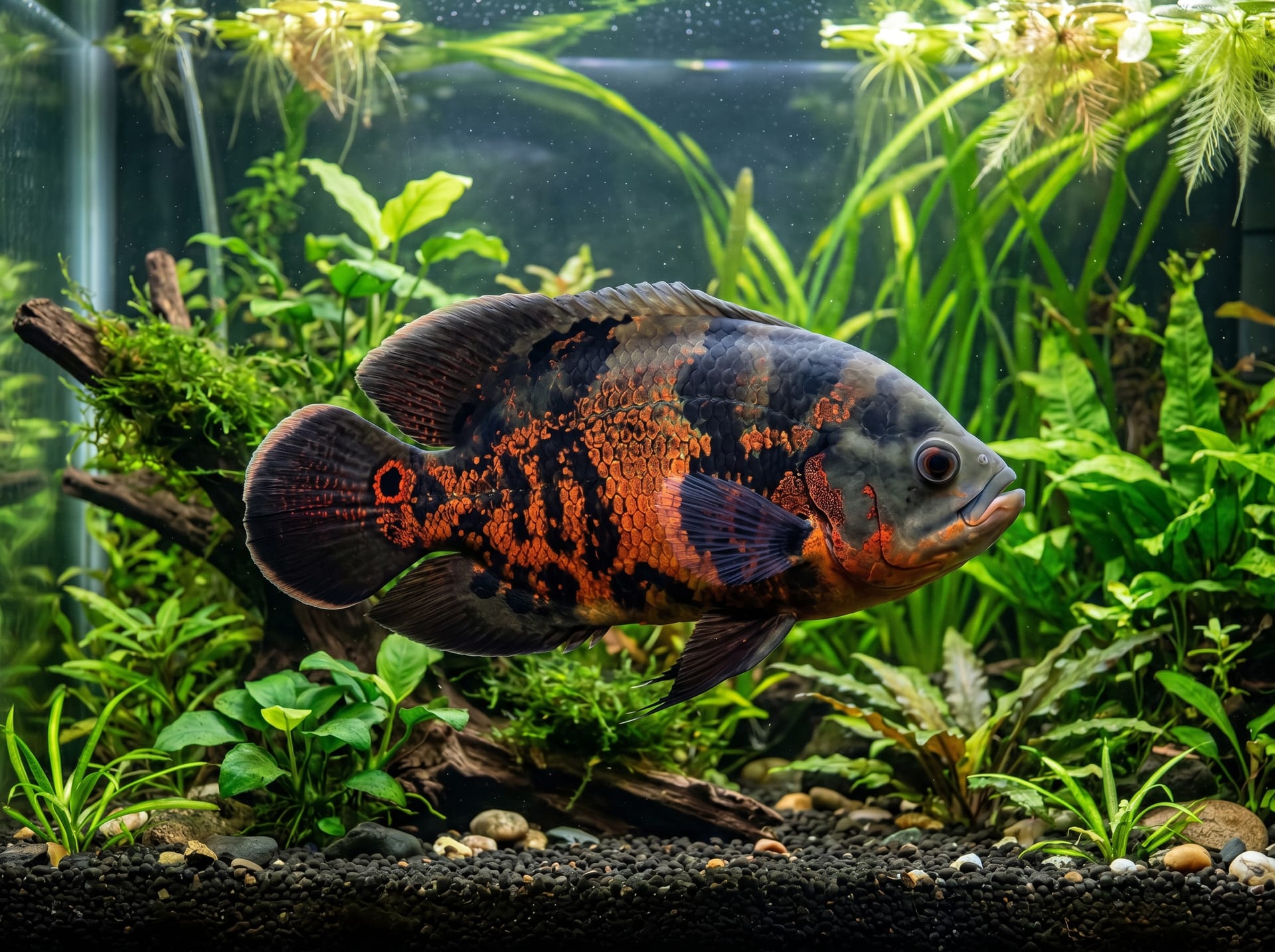
- Oscar and Geophagus species: Oscar cichlids are large fish exceeding 30 cm and among those that bond most strongly with their keepers. They are voracious eaters that easily foul the water, making a powerful filter system (external filter plus secondary filter) and regular large water changes essential. Geophagus species have a habit of digging in the substrate, and any planted aquatic plants will be uprooted. Keeping them in a bare-bottom tank without substrate is another option.
Concrete Strategies for Territory Management
Most cichlid problems stem from territorial disputes. By combining the following strategies, you can significantly reduce aggression.
- Layout design: Place multiple hiding spots using rocks, caves, and driftwood to divide the territory. The key is to "block sightlines." Creating situations where the fish cannot see each other greatly reduces direct confrontation. For African cichlids, stacking rocks high and distributing territories vertically is especially effective.
- Adjusting numbers and ratios: Introducing females at a ratio of 3–5 females per male of the same species reduces conflict between males. Also, introducing aggressive species in even numbers rather than odd numbers prevents "concentrated bullying."
- Introduction timing and tank size: When adding new individuals, it is best practice to rearrange the layout first to reset the territory of existing fish. Generally, a 60 cm tank can house a maximum of 2–4 cichlids, and larger tank sizes (90–120 cm) are needed as you increase the number of cohabitants.
Breeding Basics
Many cichlids exhibit sophisticated breeding behavior, forming pairs to raise their young.
There are two main spawning methods.
- Substrate spawning (angelfish, discus, oscar, etc.): They spawn on flat rocks or leaves and both parents guard the eggs.
- Mouthbrooding (most mbuna and haplochromis, etc.): Females incubate eggs and fry in their mouths. Since females fast for 2–3 weeks until the eggs hatch, ensure they are well-fed before spawning.
Cichlid fry are born relatively large and are soon large enough to eat brine shrimp nauplii. During breeding season, parental aggression is especially high, so consider moving tankmates to a separate tank.
Summary: Choosing the Right Species is the First Step to Success
Cichlids vary greatly in water chemistry requirements, temperature, aggression level, and necessary tank size depending on species. For beginners, angelfish—which adapt well to various water conditions and are relatively peaceful—and shell dwellers, which are small and rewarding to breed, are especially recommended. African cichlids, when pH is carefully maintained, tend to be hardy and easy to keep, and their vibrant colors make them particularly popular.
Master the techniques of territory management and enjoy keeping these personality-filled cichlids. The more you deepen your knowledge of each species, the richer and more rewarding your cichlid keeping experience becomes.