Lampeye (African Lampeye) Care Guide | Schooling, Water Quality, and Breeding Basics
Lampeye (Poropanchax normani) is a small African killifish with beautiful blue-white glowing eyes. It is popular as a beginner fish due to the beauty of schooling behavior, low cost, and ease of breeding. This guide covers water quality, lighting, tank mates, and breeding methods in detail.
Key Takeaways
Lampeye (Poropanchax normani) is a small African killifish with beautiful blue-white glowing eyes. It is popular as a beginner fish due to the beauty of schooling behavior, low cost, and ease of breeding. This guide covers water quality, lighting, tank mates, and breeding methods in detail.
Related Species
What Kind of Fish is the Lampeye?
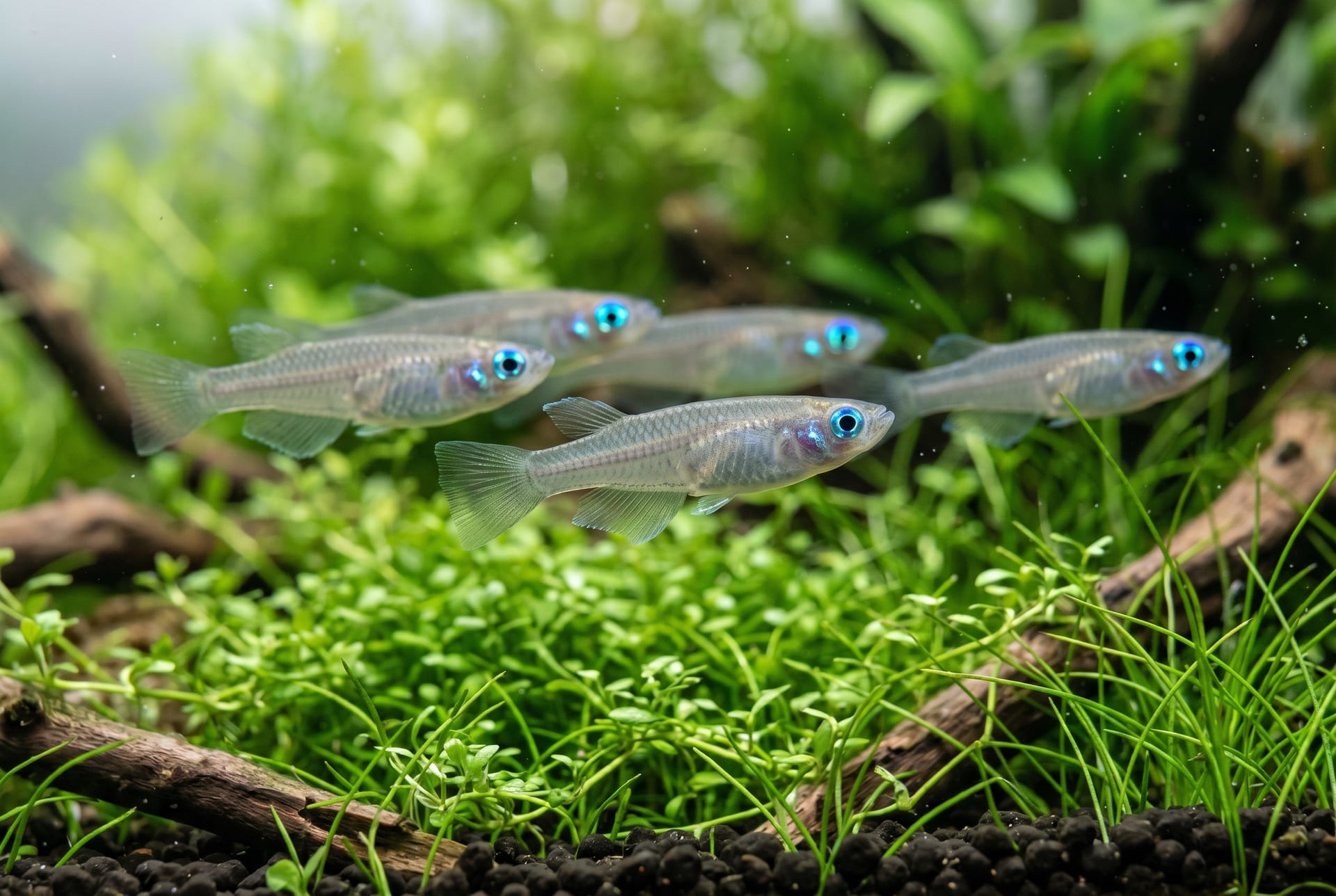
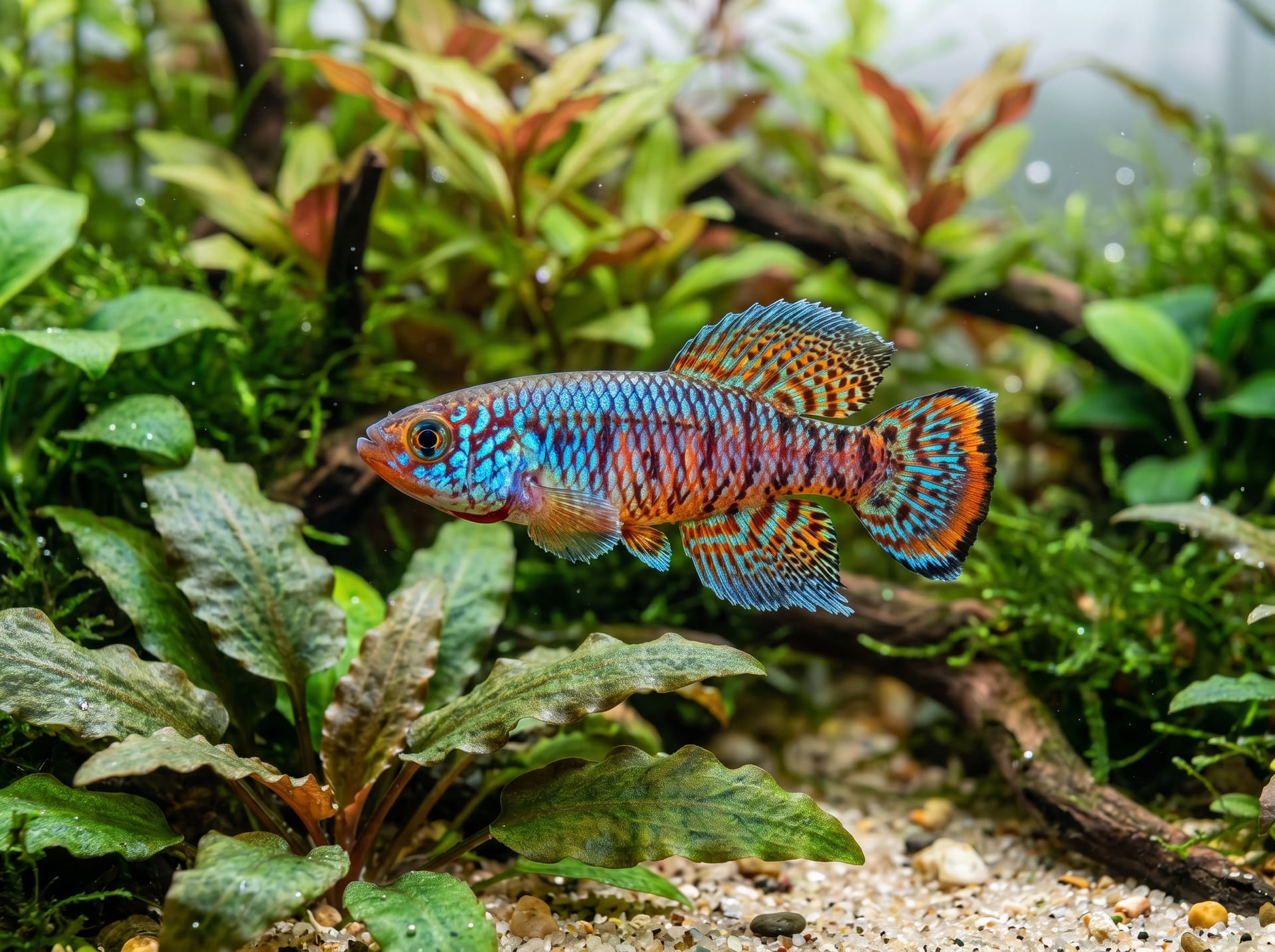
Lampeye (African Lampeye, Poropanchax normani) is a small freshwater fish native to West Africa (around Nigeria and Cameroon) and is classified as a member of killifish (egg-laying medaka).
The most distinctive feature is the blue-white fluorescent glow of its eyes (upper half), which gives the fish its name. When schooling, this luminescence flickers fantastically near the water surface, creating a beautiful "light curtain" landscape even in small tanks.
Basic Information
| Item | Details |
|---|---|
| Scientific Name | Poropanchax normani |
| Common Name | Norman's Lampeye Killifish |
| Origin | West Africa (Nigeria, Cameroon) |
| Size | 3–4 cm (females slightly larger) |
| Lifespan | 2–3 years |
| Difficulty | Easy (beginner-friendly) |
| Behavior | Schooling in upper to mid-water column |
| Water Temperature | 22–28℃ |
Water Quality and Environmental Conditions for Keeping
Lampeye has high adaptability to water quality and is easy for beginners to keep. However, it is sensitive to sudden water parameter changes, so maintaining a stable environment is key to long-term care.
Water Quality Parameters
| Parameter | Target Value |
|---|---|
| Water Temperature | 22–28℃ (Optimal: 24–26℃) |
| pH | 6.5–7.5 |
| Hardness | Soft to moderately hard water (GH 5–15) |
| Ammonia and Nitrite | Should not be detected |
| Nitrate | Maintain below 20 ppm |
Compatibility with Blackwater: Lampeye thrives beautifully in weakly acidic water containing tannins and humic acids (blackwater). It is excellent for natural tanks featuring almond leaves and driftwood.
Choosing Tank Size and Equipment
Recommended Tank Sizes
| Tank | Number of Fish |
|---|---|
| 30 cm tank (approx. 13 L) | 10–15 fish |
| 45 cm tank (approx. 34 L) | 20–30 fish |
| 60 cm tank (approx. 57 L) | 40–60 fish |
To maximize the beauty of schooling, keeping at least 10 or more fish is recommended. With fewer fish, they tend to hide and lose much of their appeal.
Filter and Water Flow
Lampeye prefers gentle water flow. If using a power filter (external or hang-on type), weaken the outflow by using a sponge at the outlet. Sponge filters or adjusting shower pipes also work well.
Lighting
Choosing the right lighting to bring out the fluorescence in the eyes is the key to enjoying lampeye care.
- White LED lights: The blue-white glow of the eyes stands out
- UV or violet-spectrum lights: Further enhances fluorescent coloration, but consider the impact on aquatic plants
- Backlighting effects: Placing a black background screen behind the tank makes the fluorescence more visible
Feeding
Lampeye have small mouths, so feed finely-sized food.
Recommended Foods:
- Small tropical fish flake food (can also crush small catfish food)
- Granular micro-pellet food (Tetra Min, medaka food, etc.)
- Frozen brine shrimp: Excellent nutritional balance and ideal for preparing for breeding
- Frozen daphnia: Highly palatable
Feeding Tips: Feed twice daily, in amounts that will be consumed in 2–3 minutes. Remove uneaten food as it degrades water quality. Since lampeye swim in the upper to mid-water column, slowly-sinking flakes and small pellets work best.
Tank Mate Compatibility
Lampeye have a gentle and timid temperament, so they are best kept with similarly-sized or smaller peaceful fish.
Good Tank Mates:
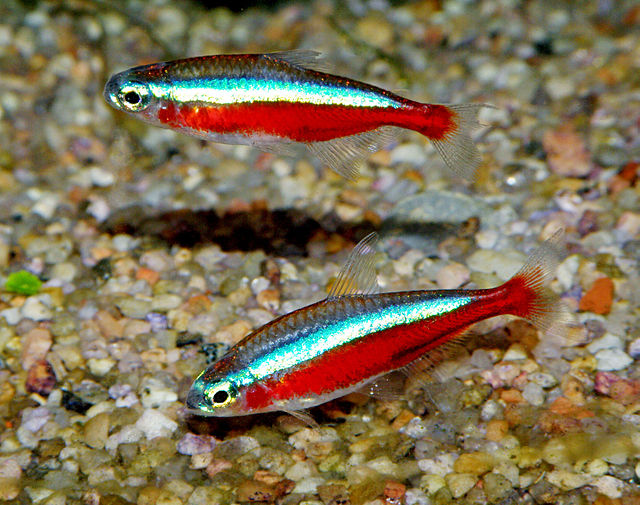
- Neon tetras and cardinal tetras (also enjoy schooling)
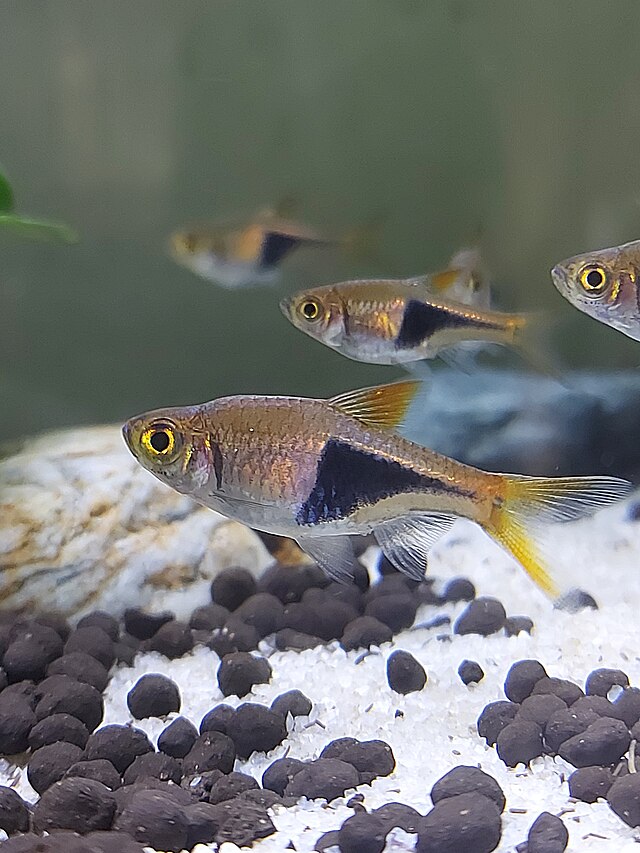
- Rasboras (harlequin rasboras, dwarf rasboras)
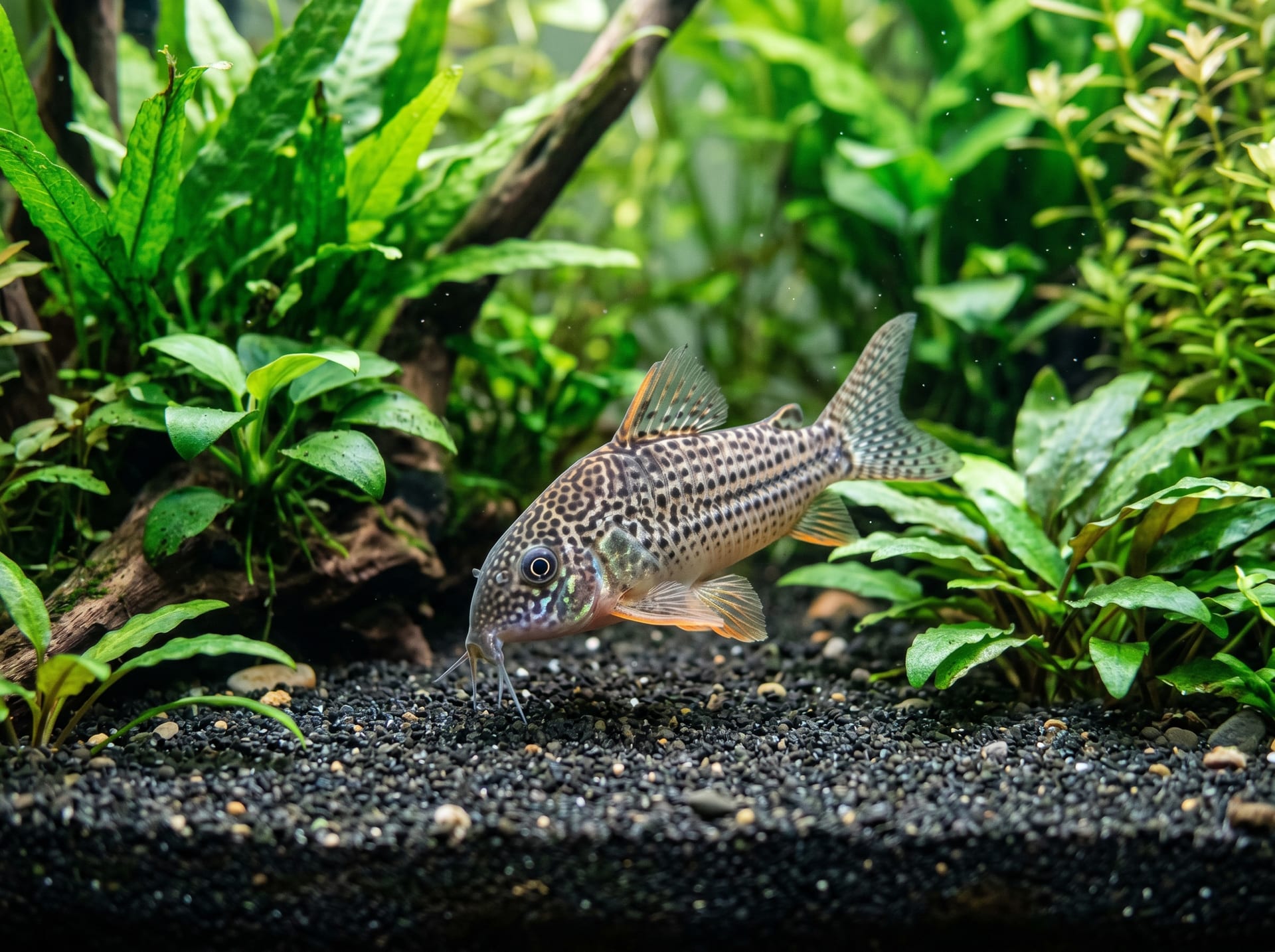
- Corydoras (occupy the bottom layer and do not interfere)
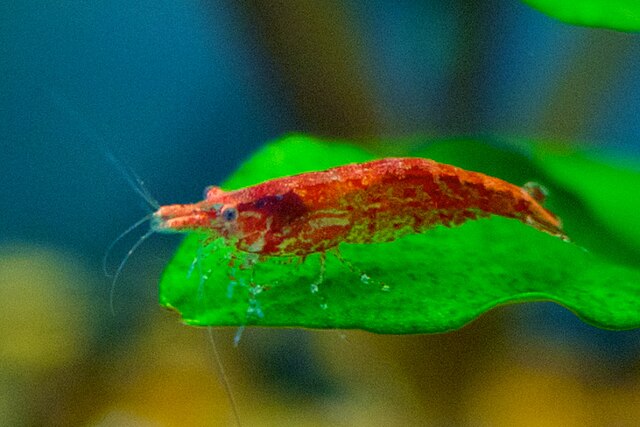
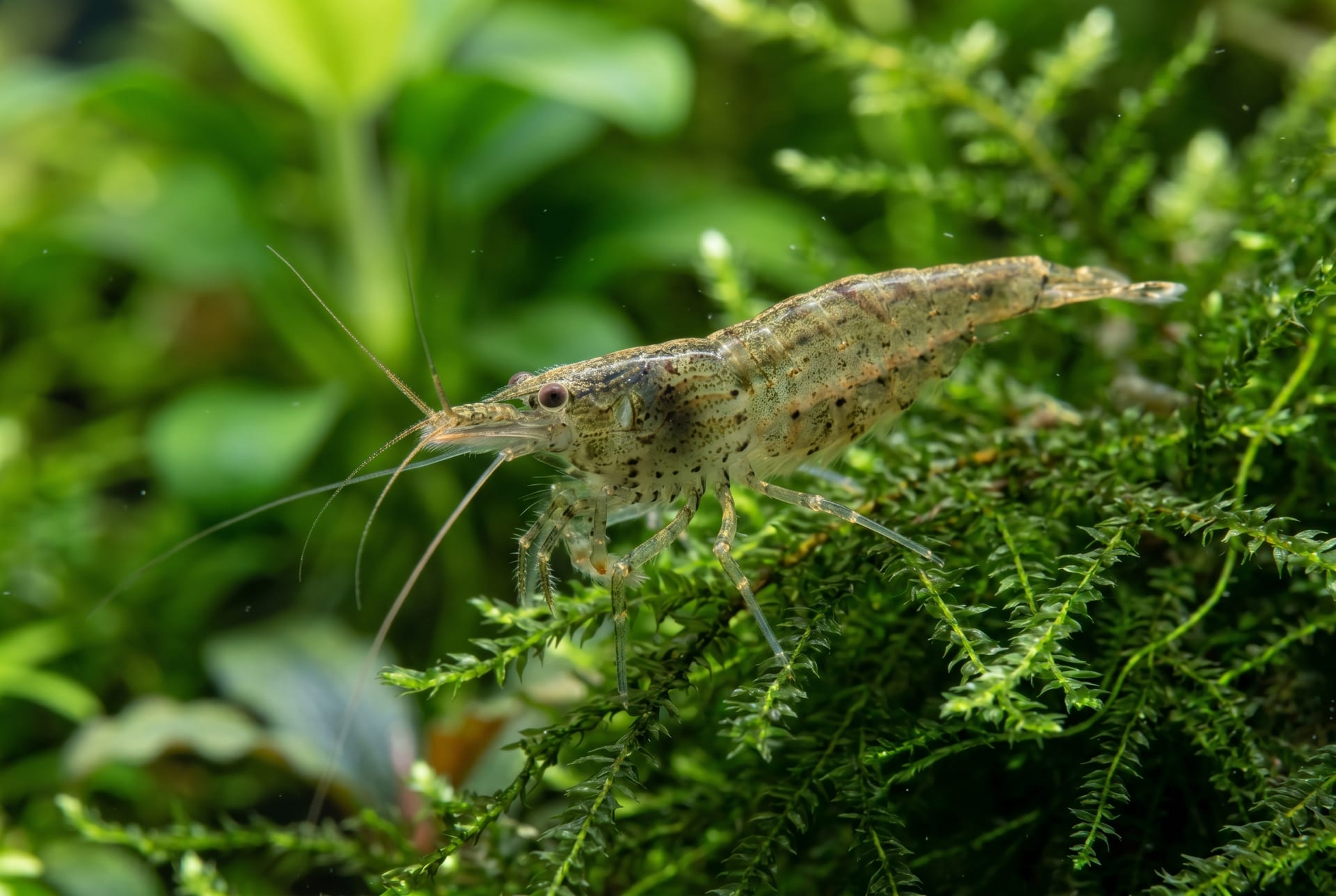
- Cherry shrimp and Amano shrimp (larger individuals can coexist)
Fish to Avoid:
- Bettas and gouramis (may harass lampeye)
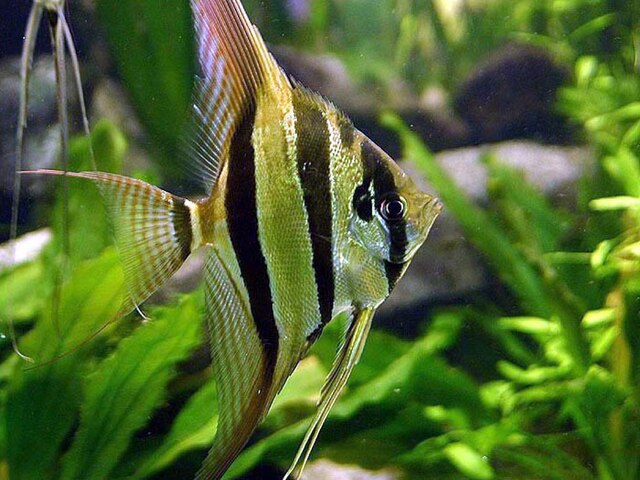
- Angelfish and cichlids (predation risk)
- Large carnivorous fish with size differences
Breeding
African lampeye breeding is relatively easy among small fish and will spawn naturally in a well-established tank. Rather than producing large quantities at once, they practice continuous "scattered spawning", releasing a few eggs daily, so the standard method is to collect the spawning substrate every few days and rear the fry separately.
Distinguishing Male and Female
| Trait | ♂ | ♀ |
|---|---|---|
| Body Shape | Slender | Slightly rounded |
| Coloration | Vibrant | Dull |
| Abdomen | Thin | Swollen before spawning |
| Eye Glow | More brilliant | Somewhat subdued |
Breeding Steps
- Prepare spawning sites: Place fine aquatic plants such as willow moss or cabomba, or artificial spawning substrate (sponge-type) in multiple locations
- High-protein feeding: Feeding frozen brine shrimp once daily will promote active spawning behavior
- Confirm spawning: Fish attach adhesive eggs one by one to plant leaves
- Collect eggs: Transfer spawned eggs along with the plants to a separate container (breeding tank or satellite tank)
Raising Fry
Eggs hatch in 10–14 days. Newborn fry should start on infusoria (paramecia) or commercial liquid fry food, then transition to finely-crushed flake food after one week. Performing small water changes (10–20%) frequently will improve survival rates.
Summary of Lampeye Appeal
Lampeye are affordable (around 100–200 yen per fish) and offer excellent value for the landscape created by schooling. Even in a small 30 cm tank, keeping 20 or more fish produces a magical scene of blue-white light particles dancing across the water surface.
Breeding is also relatively simple, making it worthwhile to try as your introduction to tropical fish breeding. Through learning to distinguish males from females, manage eggs, and rear fry, your knowledge of aquarium keeping will deepen significantly.
Whether in a planted tank, blackwater setup, or small fish community tank, lampeye blend seamlessly into any style. Consider adding this charming fish to your tank.