Tropical Fish Compatibility Guide | Good Combinations and Important Considerations
A compatibility checklist for keeping tropical fish together. Includes example combinations of popular species such as neon tetras, guppies, corydoras, and rasboras, as well as combinations to absolutely avoid.
Key Takeaways
A compatibility checklist for keeping tropical fish together. Includes example combinations of popular species such as neon tetras, guppies, corydoras, and rasboras, as well as combinations to absolutely avoid.
Related Species
Tropical Fish Compatibility Guide | Good Combinations and Important Considerations
Keeping multiple tropical fish together in one tank, known as "community tank keeping," is one of the joys of aquarium hobby. A tank filled with colorful fish swimming around brings peace of mind just from watching. However, not all fish can be kept together. Water quality differences, size disparities, and temperament variations are among various factors that influence the success or failure of community tank keeping. This guide provides detailed explanations from basic principles for success, to compatibility between popular species, to tips for avoiding common mistakes.
---
Five Checkpoints for Successful Community Tank Keeping
Before starting a community tank, there are essential basic items to confirm. Overlooking even one can result in injuries to fish or, in the worst case, death. Make your decisions carefully.
1. Water Temperature and Quality Compatibility
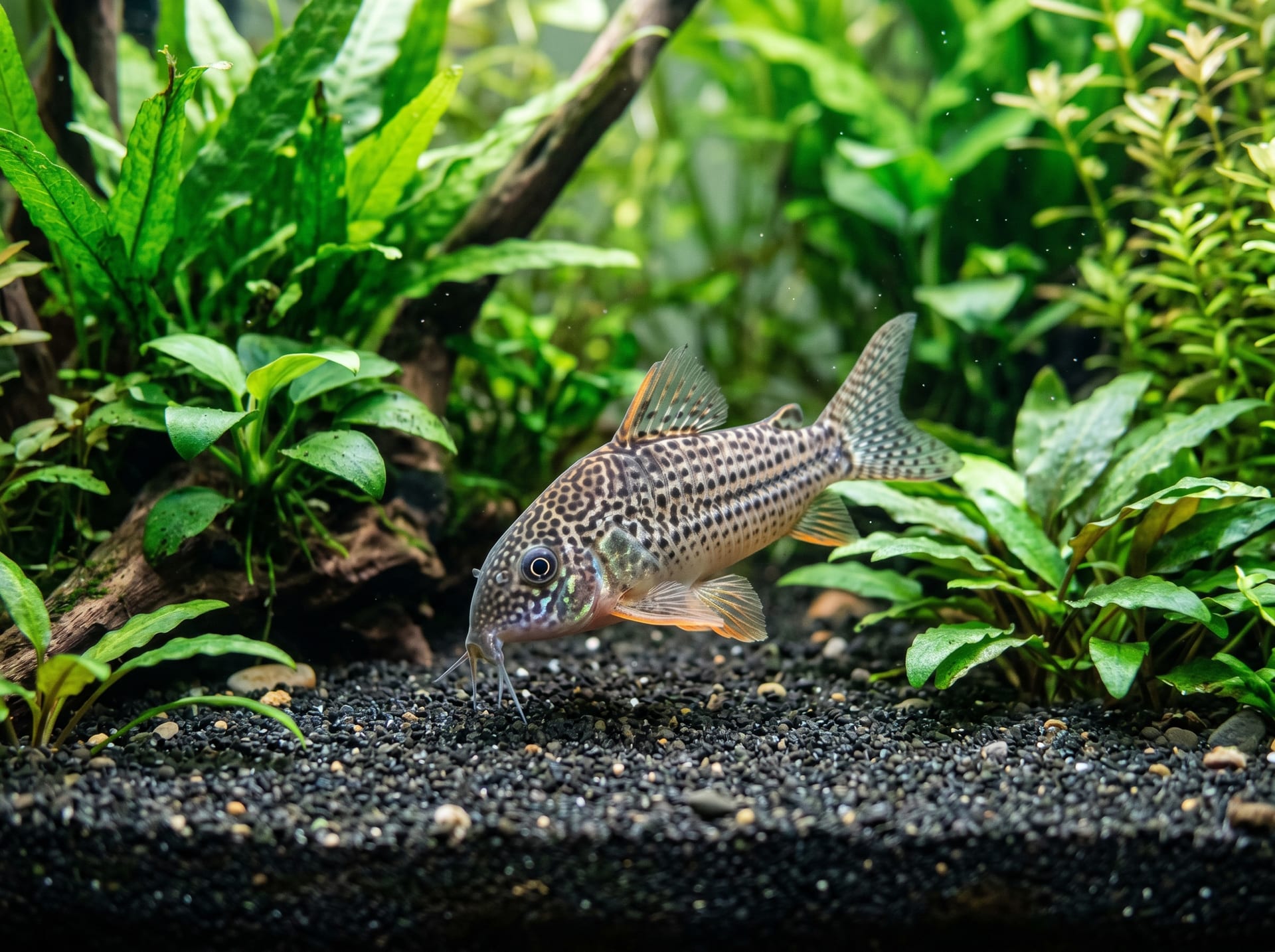
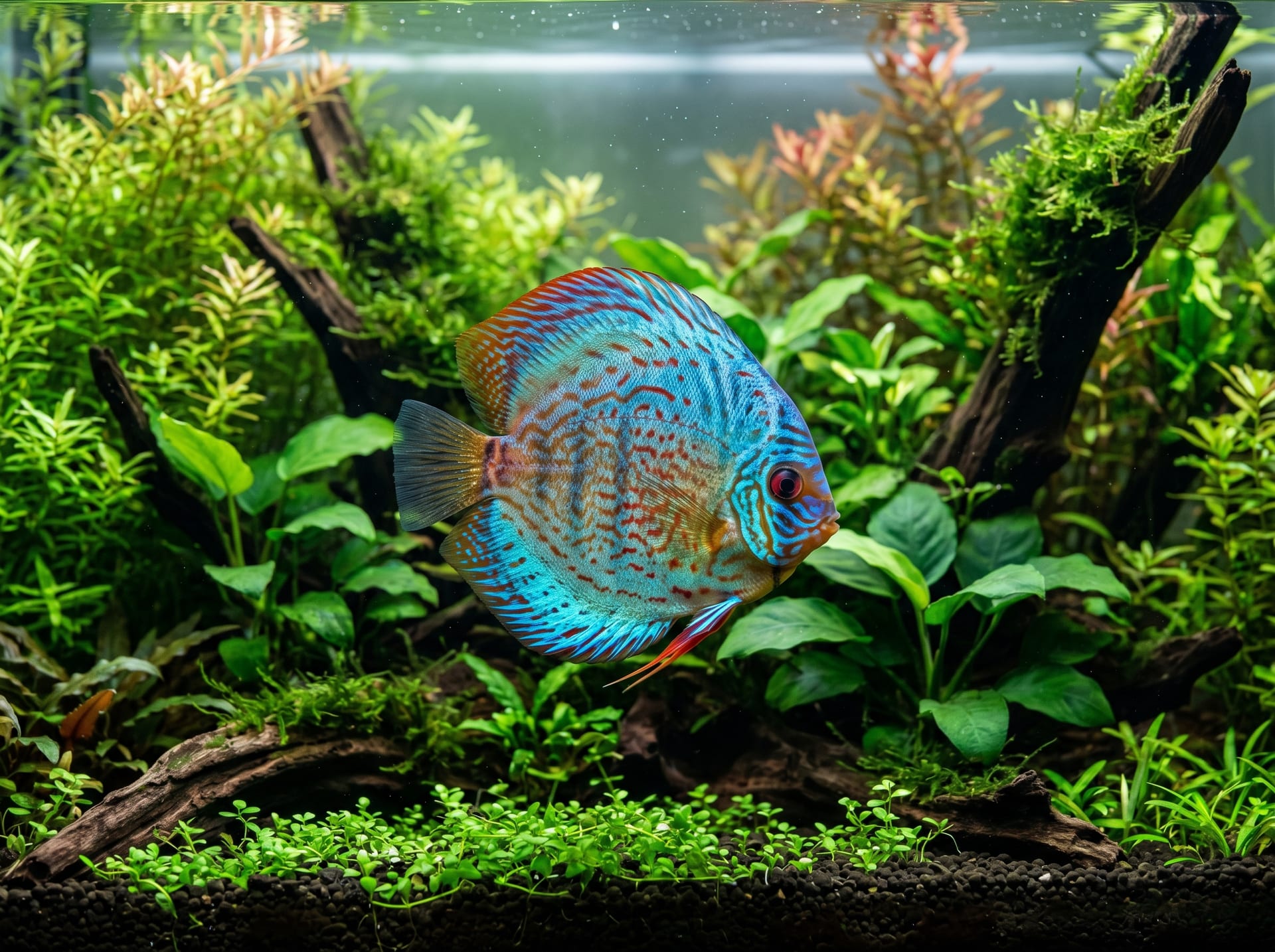
Different tropical fish species prefer different water temperatures and pH levels. For example, discus fish prefer high temperatures of 28–30°C, while most corydoras species thrive around 25°C. The key principle is to select fish that prefer similar water quality and temperature ranges for the same tank.
2. Size Balance
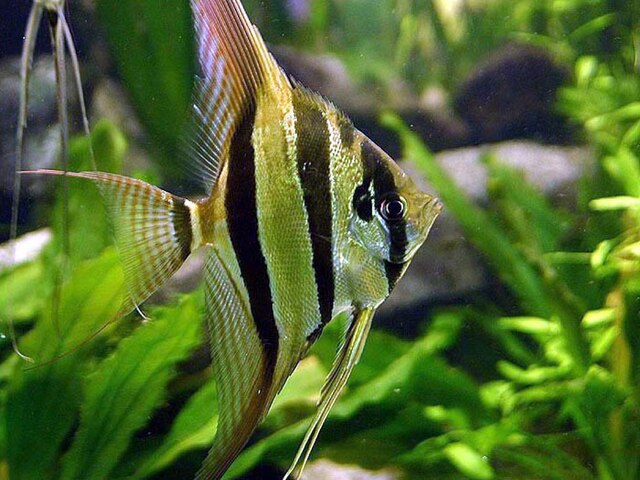
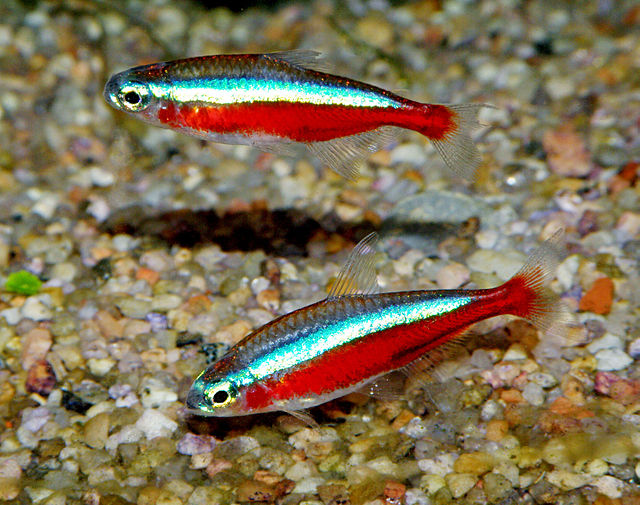
In nature, "if it fits in the mouth, it will be eaten." The combination of angelfish and neon tetras is a classic example—as angelfish mature, neon tetras become ideal prey. For community tank fish, aim to keep sizes uniform or avoid extreme size differences.
3. Water Column Distribution
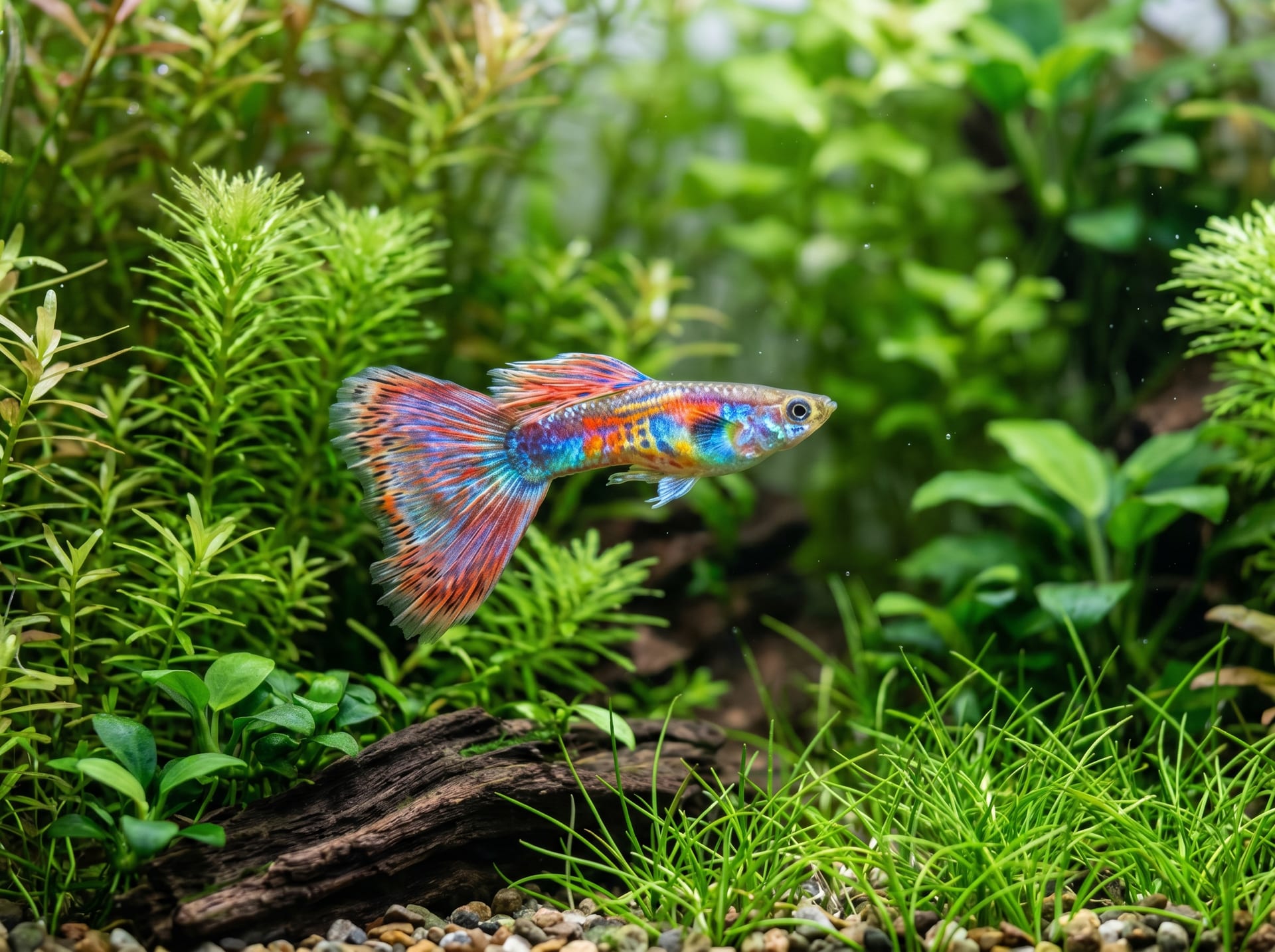
Within a tank, there are upper, middle, and bottom "zones." Fish that prefer the same zone are more prone to territorial disputes. Combinations like guppies in the upper zone, neon tetras in the middle zone, and corydoras at the bottom create an ideal arrangement where each fish can swim comfortably without stress.
4. Diet and Mouth Size
Different diets—herbivorous, carnivorous, and omnivorous—mean different prey targets. Large catfish like plecos may attach themselves to discus fish and suck body fluids, so caution is needed when keeping them together.