Insect Encyclopedia | Characteristics and Care Guide for Popular Rhinoceros Beetles and Stag Beetles
Illustrated encyclopedia featuring popular beetles including domestic Japanese rhinoceros beetles, Hercules beetles, saw stag beetles, and giant stag beetles. Organized by species with details on body length, origin, breeding difficulty, larval rearing methods, lifespan, and price range to help you understand the characteristics and care requirements of each beetle type.
Key Takeaways
Illustrated encyclopedia featuring popular beetles including domestic Japanese rhinoceros beetles, Hercules beetles, saw stag beetles, and giant stag beetles. Organized by species with details on body length, origin, breeding difficulty, larval rearing methods, lifespan, and price range to help you understand the characteristics and care requirements of each beetle type.
Beetles (rhinoceros beetles and stag beetles) are popular insects enjoyed by people of all ages, from children to adults. We introduce the characteristics and care tips for species ranging from domestic varieties to large exotic species. Be sure to also refer to the insect purchasing guide.
Popular Rhinoceros Beetle Species
Japanese Rhinoceros Beetle (Kabutomushi)
Body Length: Males 30–80mm (including horns)
Breeding Temperature: 20–28°C
Breeding Difficulty: ★☆☆☆☆ (Very Easy)
An iconic insect symbolizing Japanese summers, known for its powerful horns
Larvae can be raised with fermented leaf mold mulch available at home improvement stores, making them perfect for beginners
Larval stage lasts approximately 10 months. They pupate in June–July and emerge as adults
Adult lifespan is approximately 1–3 months
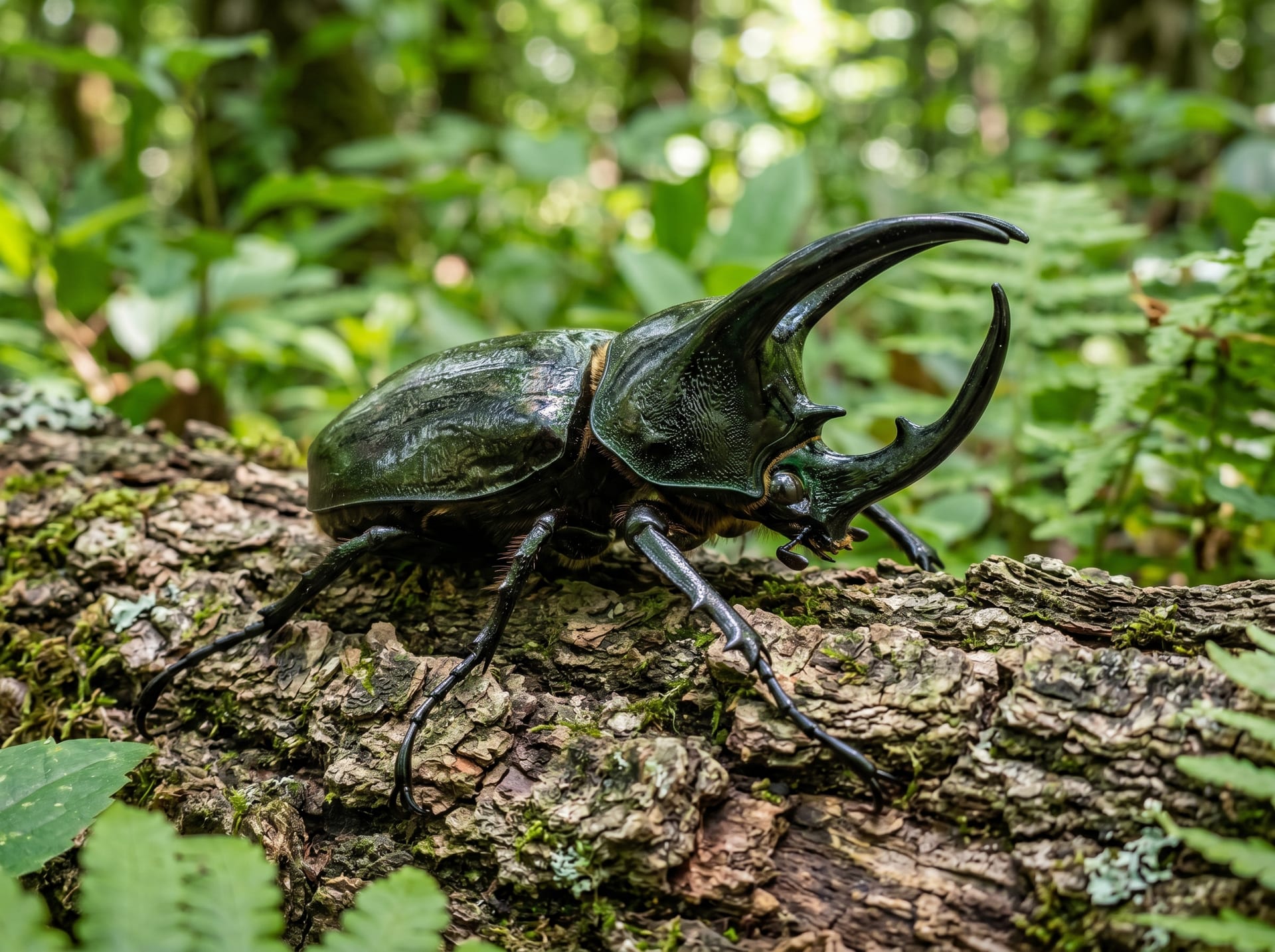
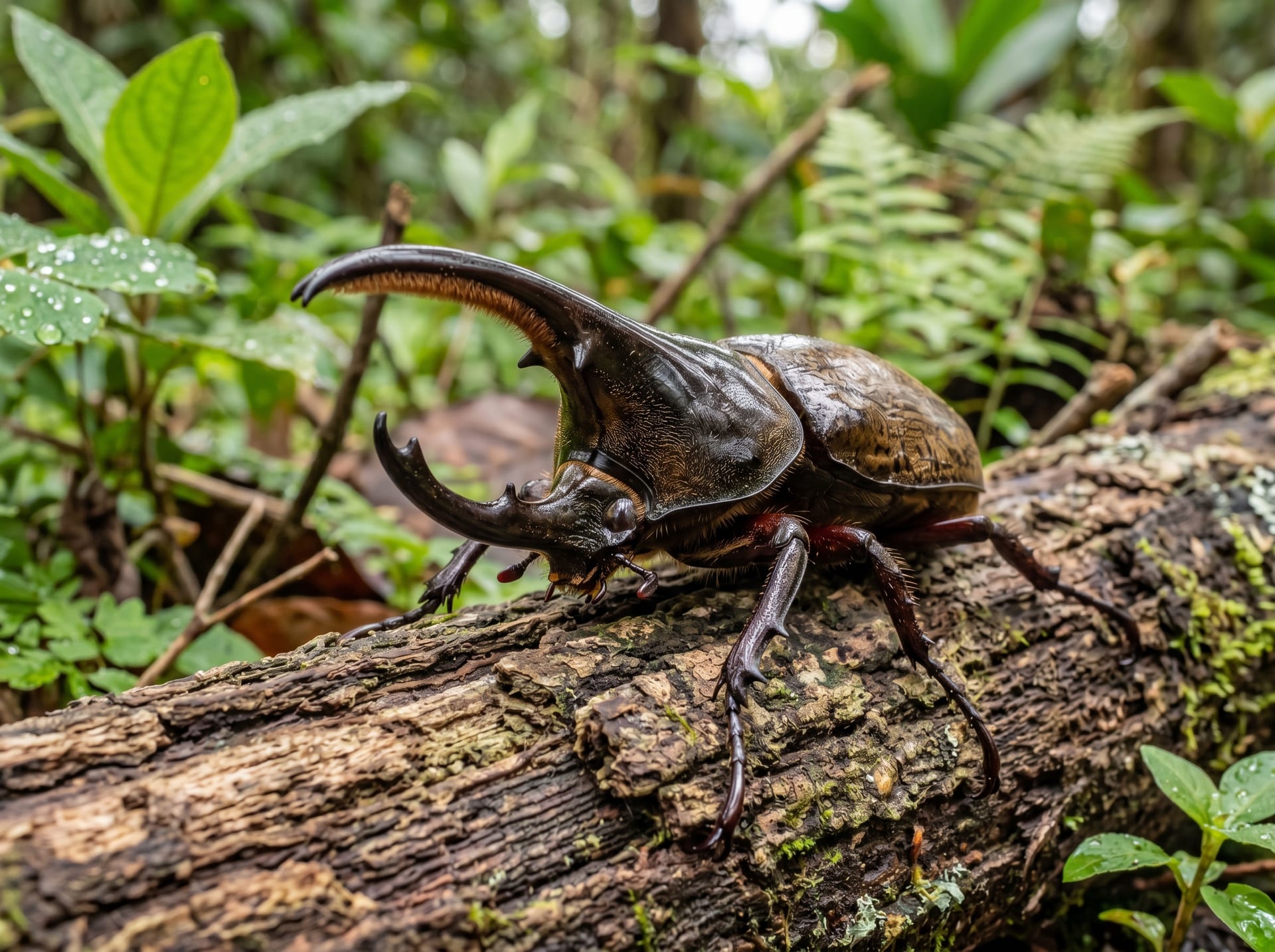
Hercules Beetle
Body Length: Males up to 180mm (among the world's largest)
Breeding Temperature: 20–25°C
Breeding Difficulty: ★★★☆☆ (Moderate)
Extraordinarily popular as the world's largest rhinoceros beetle
The long upper horn and powerful gripping action of the lower horn create an impressive appearance
Larval stage lasts 1–1.5 years and requires a large enclosure
Humidity management is critical; excessive dryness can cause horn deformation
The BreederDirect editorial team specializes in care information for animals, covering veterinary care and breeding to deliver beginner-friendly guides.
Find Insects on BreederDirect
Buy directly from verified breeders
Browse Related Listings
Find Insects listings related to this article on BreederDirect. Buy directly from verified breeders.
Asia's largest rhinoceros beetle, characterized by three horns
Extremely aggressive temperament; cohousing with other beetles is strictly prohibited
Sensitive to high temperatures, making summer temperature management especially important
Popular Stag Beetle Species
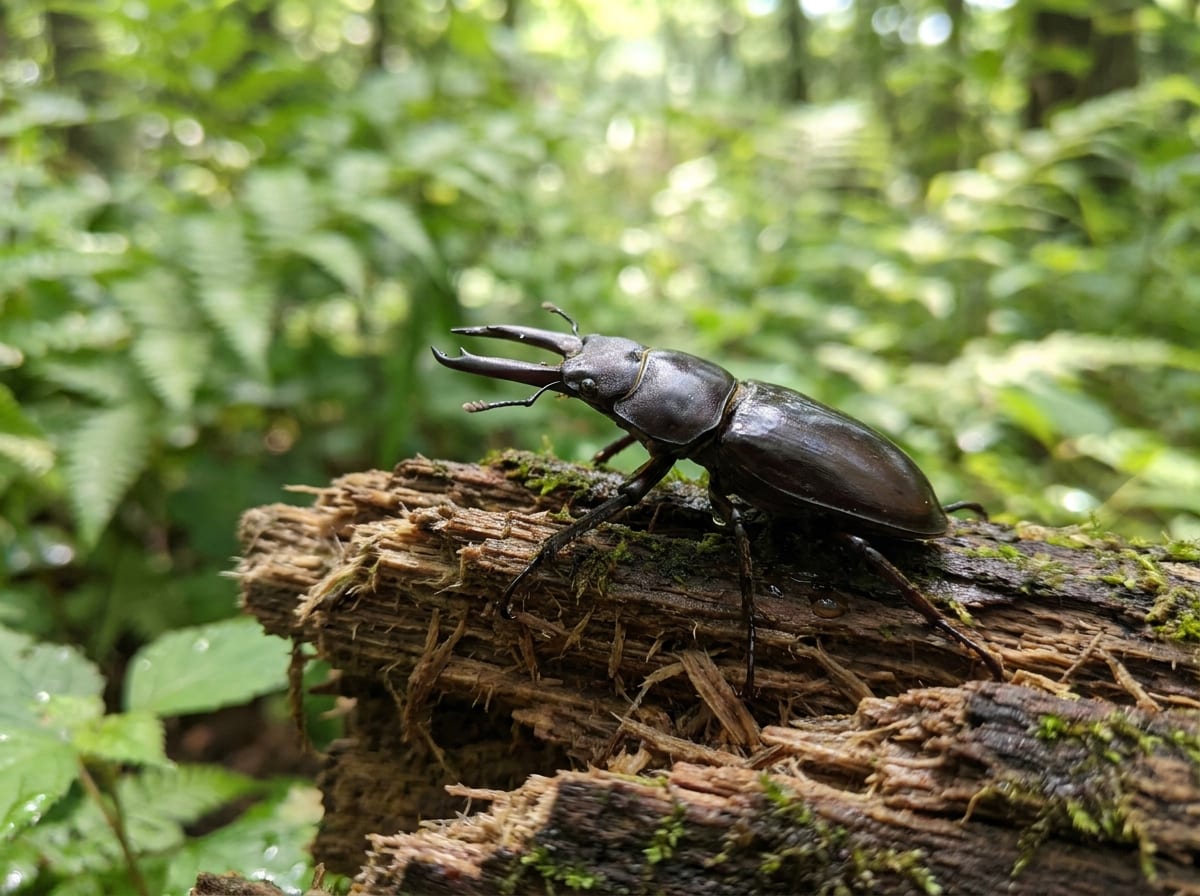
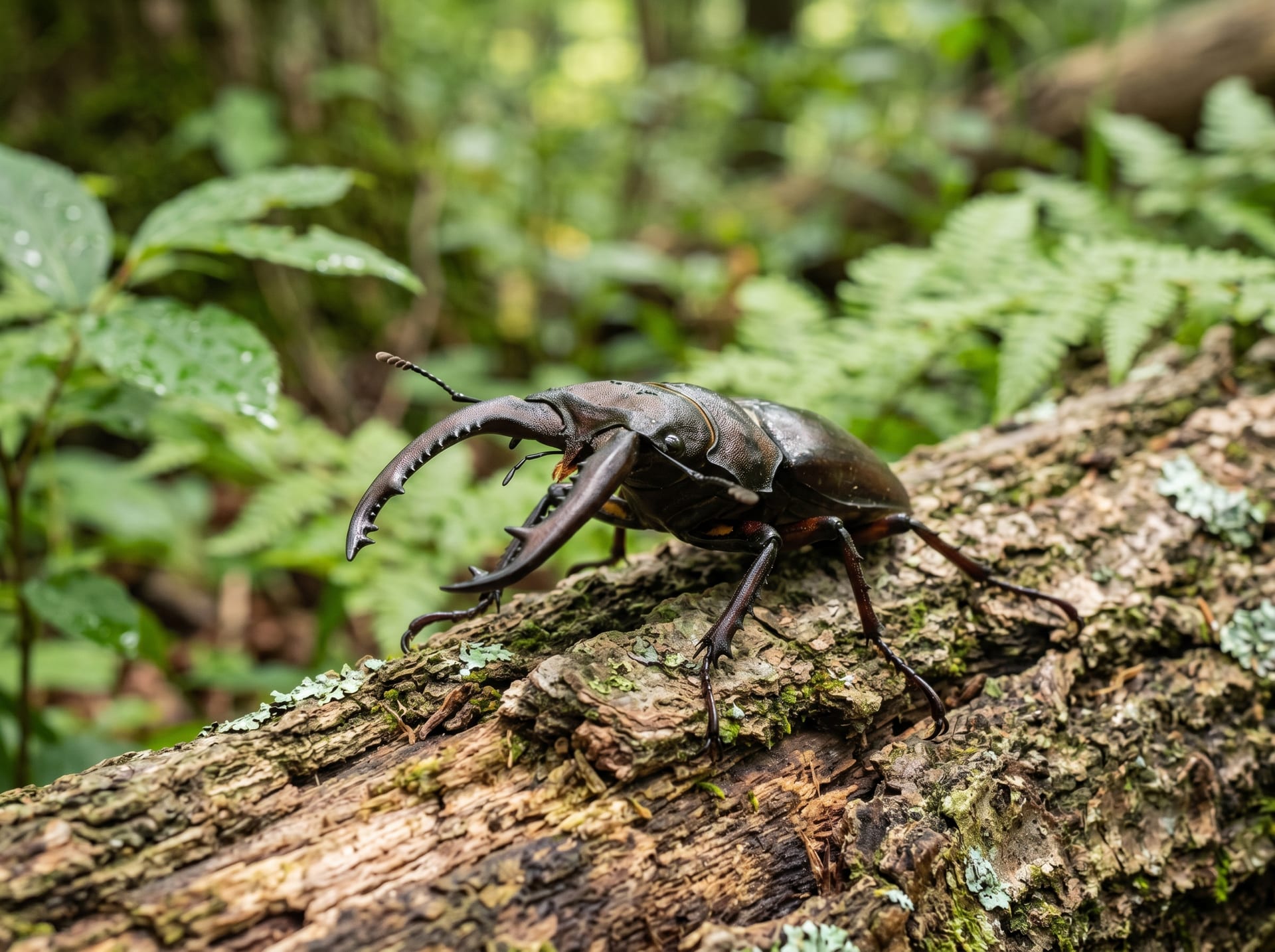
Giant Stag Beetle
Body Length: Males 30–80mm
Breeding Temperature: 18–28°C
Breeding Difficulty: ★★☆☆☆ (Easy)
The most popular species among domestic Japanese stag beetles
Using fungal breeding bottles allows you to aim for larger specimens upon emergence
Adults live 2–5 years, making them appealing for long-term enjoyment
Timid by nature; providing hiding places with tree bark or breeding wood helps them feel secure
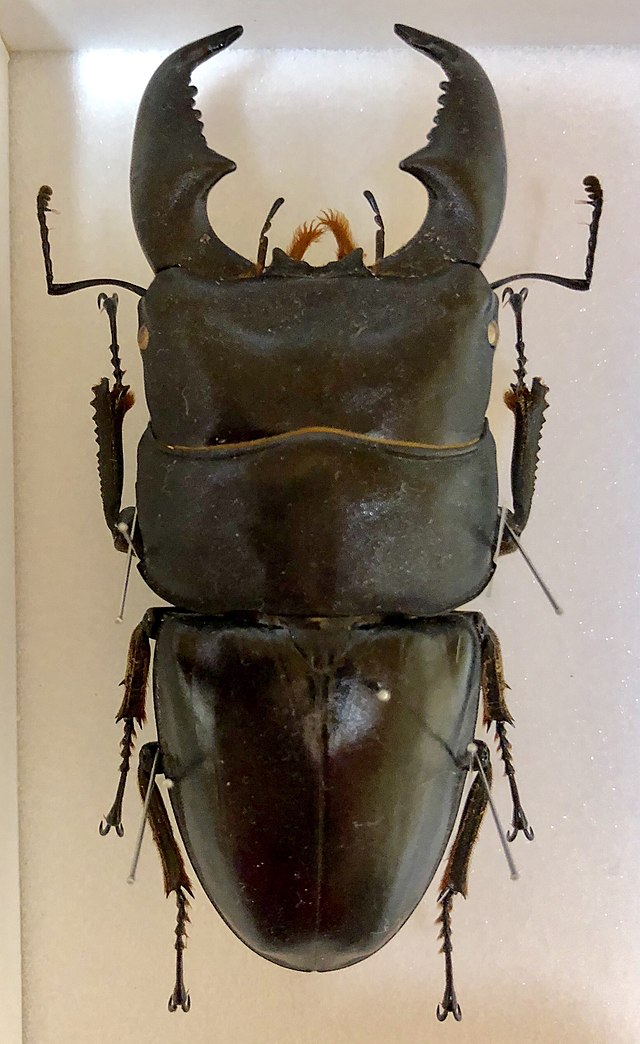
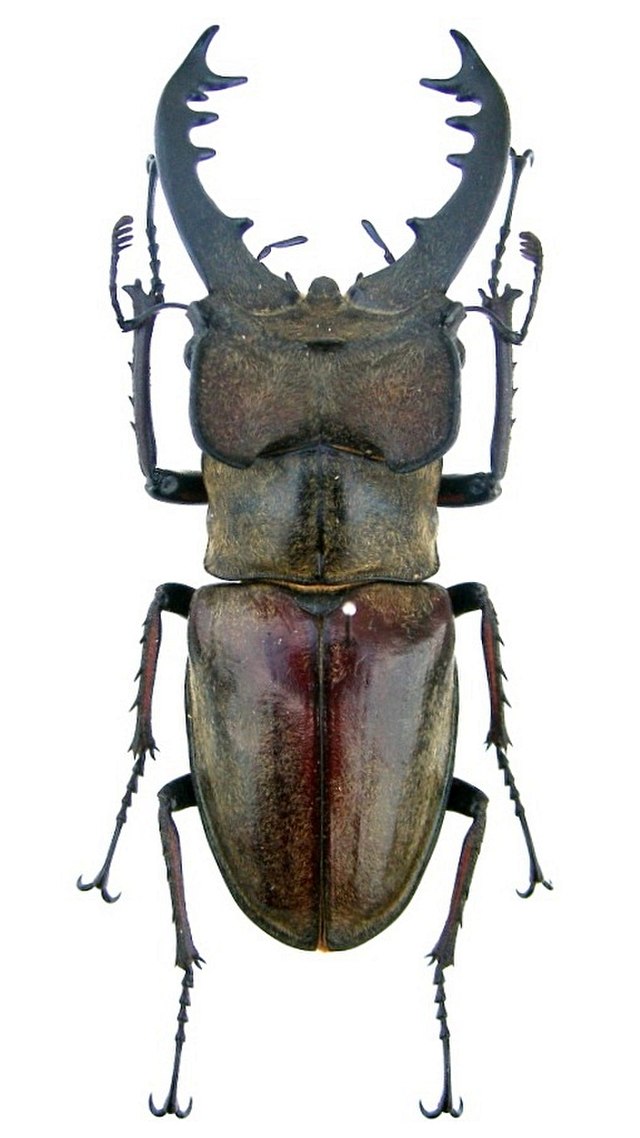
Saw Stag Beetle
Body Length: Males 25–75mm
Breeding Temperature: 20–28°C
Breeding Difficulty: ★☆☆☆☆ (Very Easy)
Characterized by distinctly curved mandibles; particularly popular among domestic stag beetles for their striking appearance
Relatively easy to collect in the wild, commonly found on Japanese oak and daimyo oak trees in deciduous forests
Larvae can be successfully raised using fermented mulch alone
Adult lifespan is approximately 3–6 months
Rainbow Stag Beetle
Body Length: Males 35–65mm
Breeding Temperature: 20–25°C
Breeding Difficulty: ★★☆☆☆ (Easy)
Called the world's most beautiful stag beetle, with iridescent rainbow coloring as its greatest appeal
Native to Australia; hardy and easy to care for once proper temperature management is established
Larvae can be raised in either fungal breeding bottles or standard mulch
Docile temperament with relatively weak biting force, making them easy to handle
Basic Equipment for Beetle Breeding
The following items are the minimum required to keep beetles:
Items Needed for Adult Care
Breeding enclosure (medium to large size)
Insect mulch (hardwood mulch)
Insect jelly (primary food)
Perches or bark pieces (prevents overturning)
Spray bottle (for humidity management)
Items Needed for Larval Care
Fermented mulch or fungal breeding bottles
Larval breeding containers (800–1400cc)
Thermometer
Temperature Management Tips for Summer 2026
Recent summers have seen increasingly high temperatures, with room temperatures often exceeding 30°C. Since most beetles thrive best at 28°C or below, proper temperature control using air conditioning or cooling fans is essential. Check insect summer care for detailed care techniques.
Wait for Sexual Maturity: Don't attempt pairing immediately after emergence. Rhinoceros beetles require 1–2 weeks, while stag beetles need 2–6 months depending on species for the pre-feeding period
Pairing: Place males and females in the same enclosure for 1–2 weeks
Breeding Setup: Transfer the female to an enclosure equipped with breeding mulch or breeding wood
Larval Collection: 1–2 months after egg-laying, break apart the mulch or breeding wood to collect larvae
Individual Management: Keep larvae in separate bottles to prevent cannibalism
Find Insects on BreederDirect
On BreederDirect, you can purchase beetles carefully raised by dedicated breeders. You can verify bloodlines and parental size information, and ask breeders directly about care methods. Find your favorite specimen and enjoy the world of beetle keeping.
The Charm of Beetles Lies in Their Diversity
Once you venture into the world of beetles, you'll be amazed by their diversity. Domestic species alone include giant stag beetles, small stag beetles, flathead stag beetles, saw stag beetles, and mountain stag beetles, each with different care requirements and environmental preferences. Looking toward exotic species opens up a world of variety, from the world's largest Hercules beetle to jewel-like metallic rainbow stag beetles. In recent years, rainbow stag beetles have gained particular popularity for their ease of care, and collectors are increasingly assembling beautiful color variety collections. Use the insect larval rearing guide to challenge yourself at breeding. The opportunity to learn about insect ecology and evolutionary biology through raising them is another major appeal of this hobby. Discover your own favorite species and enjoy the profound world of beetle keeping.