Buying Guide for Stag Beetles and Rhinoceros Beetles | How to Identify Healthy Individuals | ブリちょく
Insects| ✍️ BreederDirect Editorial
Buying Guide for Stag Beetles and Rhinoceros Beetles | How to Identify Healthy Individuals
Key checkpoints when purchasing stag beetles and rhinoceros beetles. Learn how to assess individual health, how to choose trustworthy breeders, tips for buying pairs, and important considerations for transportation.
Key Takeaways
Key checkpoints when purchasing stag beetles and rhinoceros beetles. Learn how to assess individual health, how to choose trustworthy breeders, tips for buying pairs, and important considerations for transportation.
Related Species
The first step in starting to keep rhinoceros beetles and stag beetles is "purchasing individuals." However, it's often difficult to judge health condition based on appearance alone, and cases of specimens dying shortly after purchase are not uncommon. In this article, we will carefully explain the key points to keep in mind when purchasing, from how to identify healthy individuals to how to choose a trustworthy breeder.
Health Check Points
Key points that should always be checked before purchase are as follows.
Appearance Check
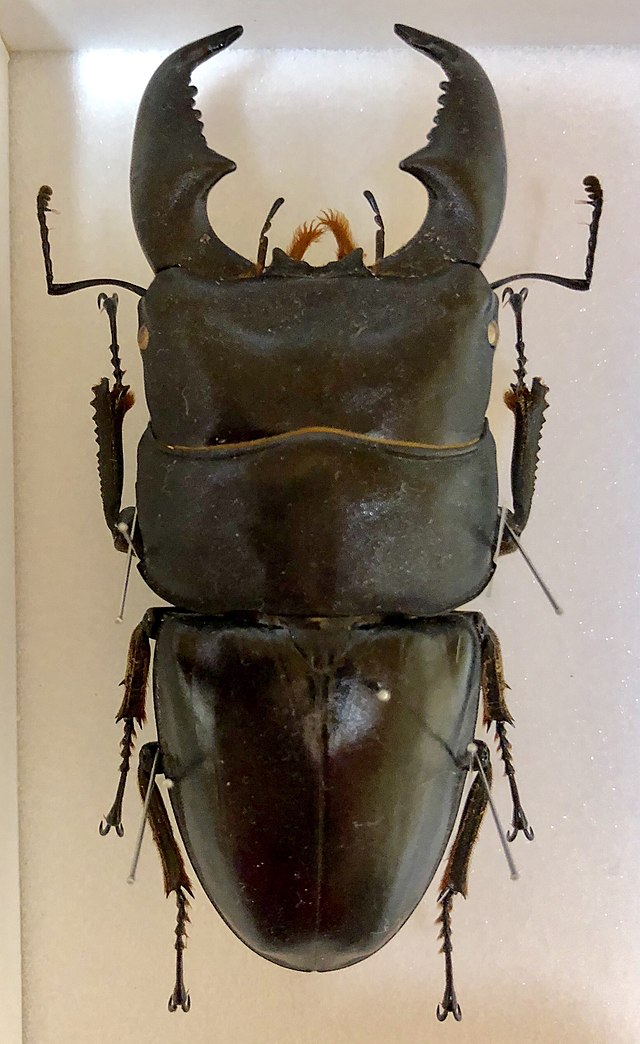
Tarsi defects: Check that the claws on the legs are not chipped. Tarsi loss is a sign of aging or stress
Body surface injuries or dents: Check that there are no dents or cracks in the elytra (wing covers). There may be incomplete metamorphosis
Mandible damage (stag beetles): Check that the tips are not broken. Fighting individuals require caution
Bent horns (rhinoceros beetles): If the pupal chamber was small, horns can become bent
Mite infestation: Check that there are no large amounts of small mites on the body surface
Behavior Check
Does it move actively: Does it have the strength to firmly grasp with its legs when touched?
Is it eating: It's reassuring to have an individual that has confirmed post-feeding (started eating jelly)
Can it right itself if flipped over: Individuals that cannot right themselves may be weakened
Verifying Size and Age
Emergence date: Confirm when it emerged. Ideally a young individual within 3 months of emergence
Actual size measurements: Check actual measurements (calipers) in addition to listing photos
Post-feeding status: Individuals that have not yet post-fed are immature and cannot breed immediately
✍️
BreederDirect Editorial
The BreederDirect editorial team specializes in care information for animals, covering veterinary care and breeding to deliver beginner-friendly guides.
Find Insects on BreederDirect
Buy directly from verified breeders
Browse Related Listings
Find Insects listings related to this article on BreederDirect. Buy directly from verified breeders.
Finding a trustworthy breeder is the most important point in obtaining good individuals.
Does it specify lineage information: Sellers with notations like WD (wild-caught), F1, CBF1 etc. have high credibility
Does it disclose emergence date and maintenance temperature: Breeders that disclose information about their rearing environment are evidence of careful management
Reviews and ratings: Check past transaction history and buyer ratings
Response to questions: Whether they respond carefully to pre-purchase inquiries
Packaging and shipping track record: How familiar they are with live insect shipping is extremely important
If you're aiming for breeding, we recommend purchasing pairs from the start.
Same lineage pairs: Pairs selected by the breeder from the same lineage have good compatibility
Size balance: If the male is extremely large and the female is small, there is a risk of male killing the female (especially in flat-horned stag beetle types)
Different lineage pairs: For advanced generations (F3 or higher), consider introducing a different lineage for genetic refreshment
Align emergence timing: Having similar emergence timing for males and females makes it easier to time mating
Live insect shipping risks vary greatly depending on the season.
Summer (June-September): A styrofoam box with cooling packs is essential. Never leave in a vehicle
Winter (December-February): Use heat packs for warmth. Pay special attention to cold-sensitive exotic species
Packaging: Place individually in plastic cups or small cases and secure with newspaper. Separate multiple individuals with dividers
Upon arrival: Be careful of temperature differences and gradually acclimate to room temperature. Immediately provide food and water
It's also important to confirm beforehand how dead-on-arrival (DOA) cases are handled. Trustworthy breeders clearly state their DOA compensation policy.
How to Choose Your Purchase Timing
Adult insects: Listings increase during emergence season (June-August for domestic species, year-round for exotic species)
Larvae: Young larvae shortly after separation are affordable. Can be placed in fungal substrate bottles to grow large
Eggs: Inexpensive but have hatching risks. For advanced users
Important Checkpoints in the First Week After Arrival
The first week after bringing your purchased insect home is a critical period for environmental adaptation. When the individual arrives, first place the case in a quiet location and allow it to acclimate for 2-3 hours without handling. Then, set up jelly to check its feeding response. It may not eat on the first day, but if it's still not eating from day 2 onward, reconsider the temperature and environment. Check the substrate condition and mist with water if it's dry. For males, install a perch to climb on and don't forget measures to prevent overturning. For females, confirm the timing for preparing a breeding setup with your breeder so you can start breeding efficiently. If the environment stabilizes within the first week, subsequent care should proceed smoothly. If you're concerned about illness or problems, also refer to Insect Disease and Trouble Troubleshooting.