Purchasing Guide for Beetles and Stag Beetles | How to Select Healthy Individuals
A detailed guide on how to select healthy Japanese beetles and stag beetles when purchasing from pet shops or breeders. This covers distinguishing healthy individuals, confirming size, differences from wild specimens, and timing considerations—all the checkpoints for a purchase you won't regret.
Key Takeaways
A detailed guide on how to select healthy Japanese beetles and stag beetles when purchasing from pet shops or breeders. This covers distinguishing healthy individuals, confirming size, differences from wild specimens, and timing considerations—all the checkpoints for a purchase you won't regret.
Related Species


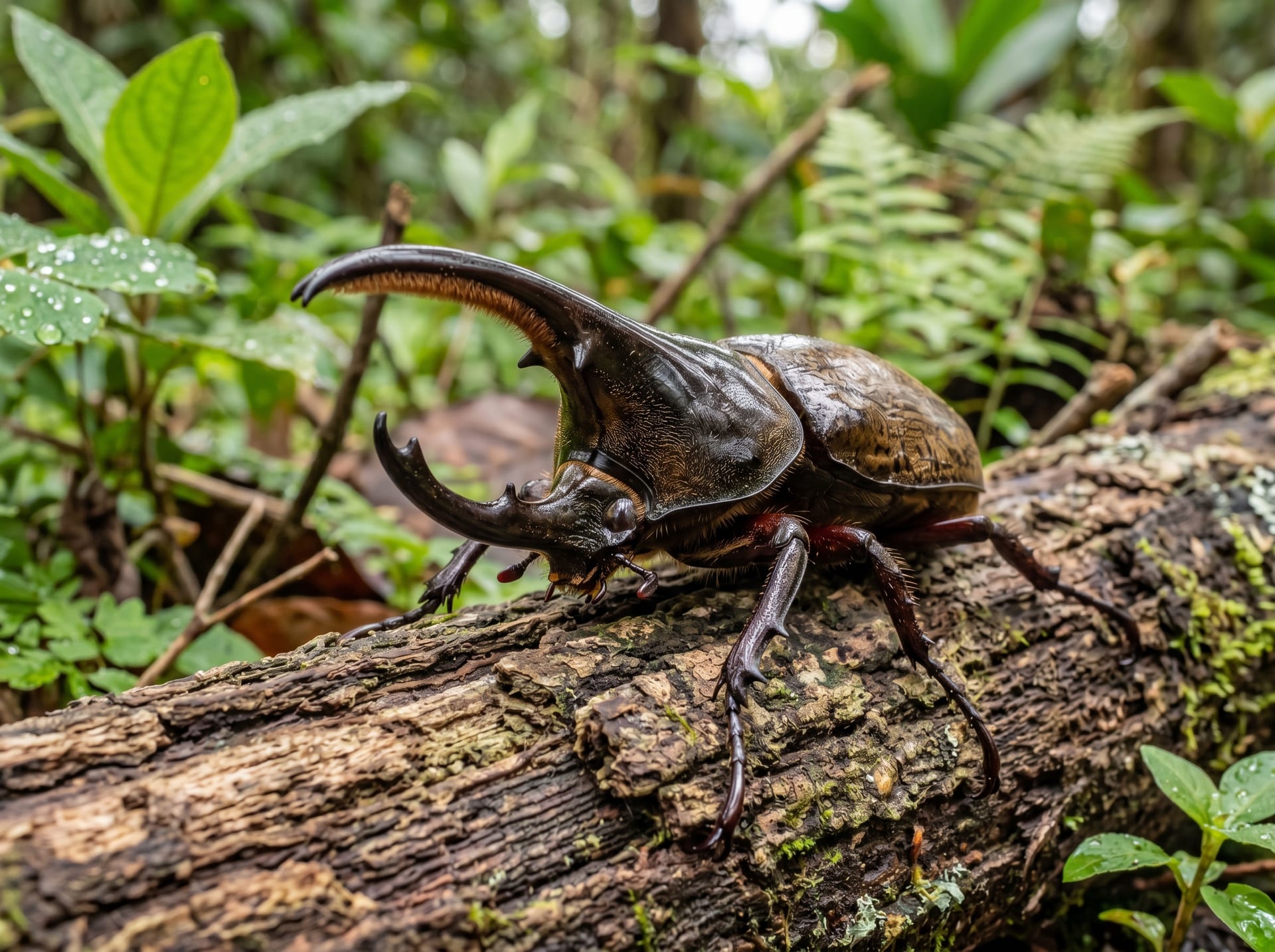
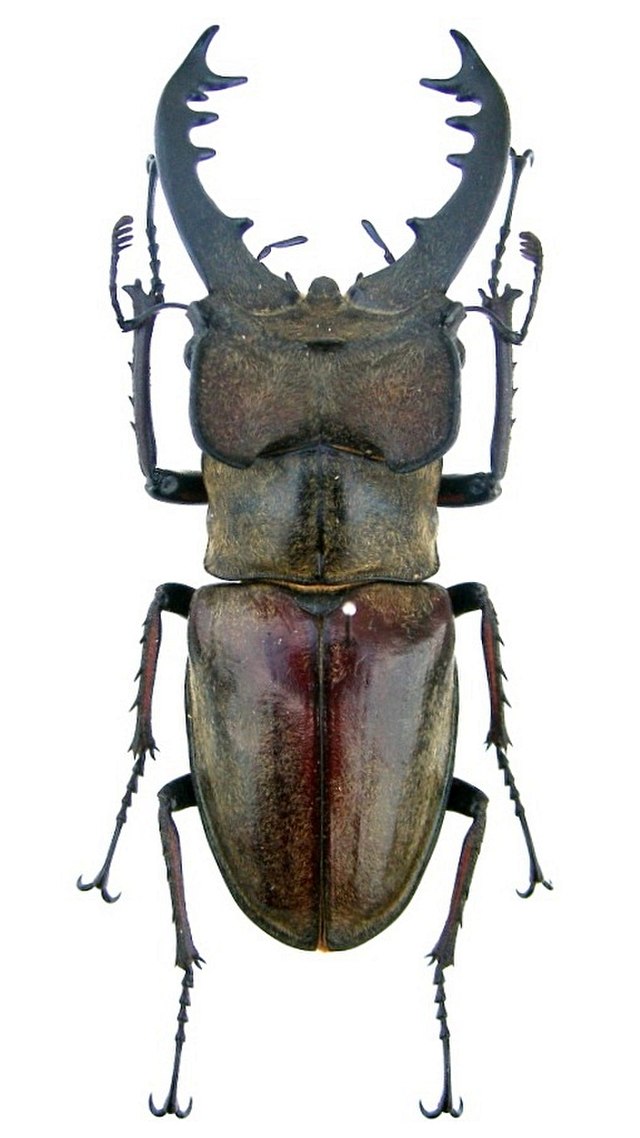
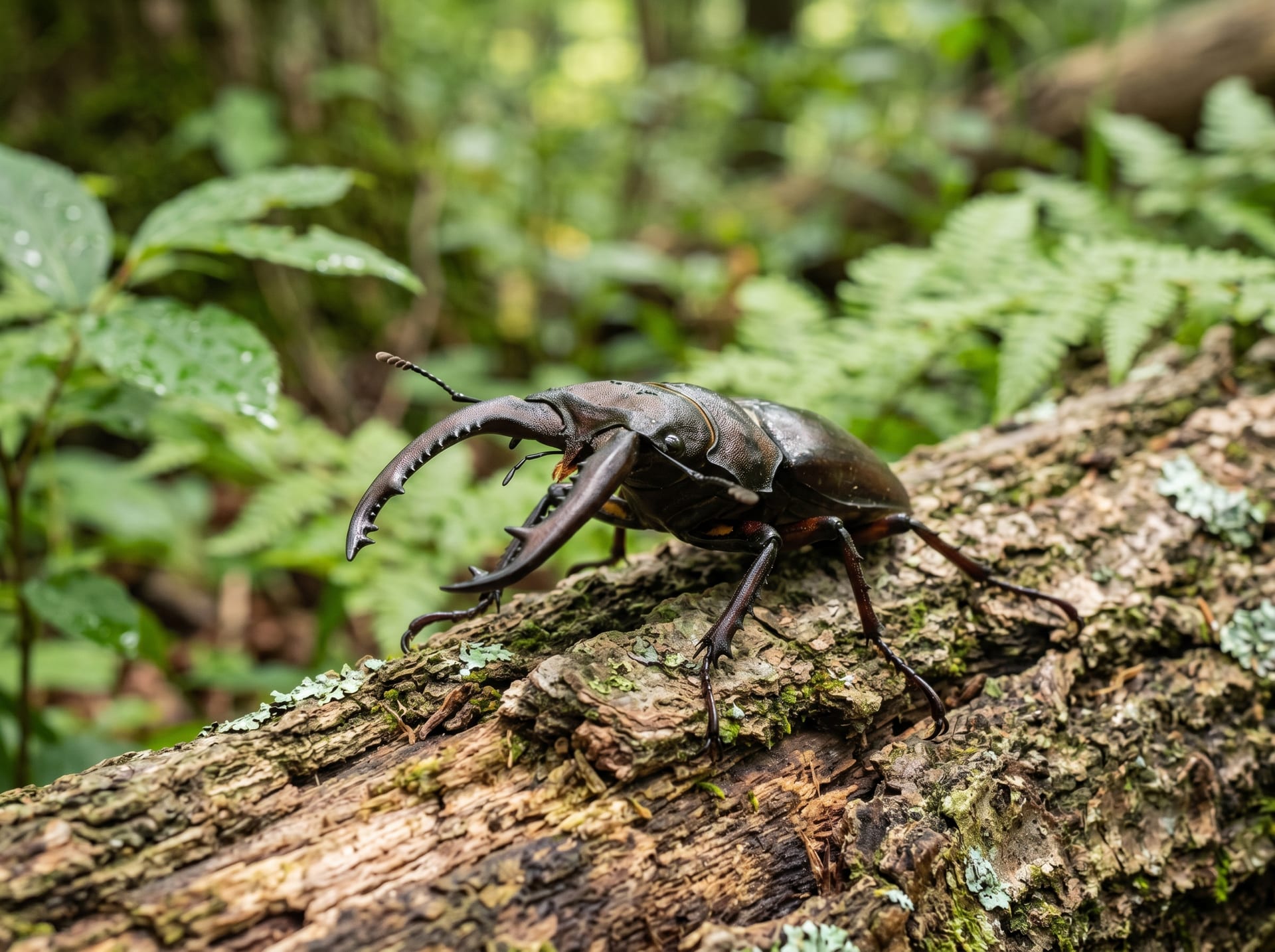
Japanese beetles and stag beetles are popular insects across all ages, from children to adults. When bringing one home, you'll want to choose a healthy individual you can enjoy for a long time. As of 2026, online platforms where you can purchase directly from breeders have become widespread, making it possible to find quality specimens from across the country from the comfort of your home. This guide covers choosing a source, optimal purchase timing, how to select healthy individuals, and preventing purchasing troubles.
Purchasing Options
You can purchase beetles and stag beetles from several sources. Understand the characteristics of each to make the best choice.
- Insect specialty shops: Wide selection of species and supplies available together. Easy to consult with staff
- Breeders (private breeders): Access to carefully bred bloodlines and larger specimens. Can confirm detailed information directly
- Home centers: Focus on domestic species during summer months. Convenient but quality varies
- Breeder direct-sales platforms: Services like BreederDirect allow you to purchase directly from insect breeders across the country. A major advantage is being able to confirm emergence dates, bloodlines, and breeding temperatures in advance
- Insect events and swap meets: Many breeders gather in one place, allowing direct selection. A great opportunity to develop your eye
Optimal Purchase Timing
Japanese Beetles
- Adults: Late June through August is ideal. July has the highest market volume
- Larvae: September through March the following year is when they're easiest to obtain. Purchasing in autumn allows you to enjoy the adult emergence the following summer
Japanese Stag Beetles
- Japanese giant stag beetle adults: Available year-round. Breeders typically sell them around the time of emergence
- Saw-tooth and mountain stag beetle adults: Primarily June through August
- Larvae: Typically purchased in autumn and winter for emergence in the following year or later
Foreign Species
Many are available year-round, but timing may be limited depending on when breeders' insects emerge. Popular species like Hercules beetles and long-horned beetles often sell out early, so we recommend contacting breeders in advance if you have a specific species in mind.
How to Select Healthy Individuals
For Adult Insects
Visual Inspection
- Tarsi (claw) condition: Check that all claws on the legs are intact. Insects missing tarsi may have shortened lifespans
- Body damage and dents: Avoid specimens with large scratches or dents. Avoid emergence failures (wings not fully closed)
- Shine: The body should have a natural gloss; avoid dull or powdery individuals as they may show signs of aging
- Mandibles (for stag beetles): Should be symmetrical with no chips or breaks
- Size: Larger individuals of a given species generally have greater display and breeding value
Behavior Inspection
- Activity level: The insect should move its legs vigorously and have a strong grip
- Feeding: Should be eating jelly well (should be post-feeding)
- Energy: An insect that's energetic and active is a good sign
For Larvae
- Size: Among larvae of the same stage, larger individuals show more promise
- Body color: Healthy larvae are milky white to slightly yellowish. Avoid darkened specimens
- Movement: When touched, curling its body in response shows it's healthy
- Instar confirmation: Ask the seller what stage (first, second, or third instar) the larva is in
What to Confirm Before Purchasing
- Emergence date (for adults): Tells you the expected remaining lifespan
- Post-feeding status: Has the insect begun eating jelly after emergence? (Especially important if considering breeding)
- Generation number: Which breeding generation it is. Excessive inbreeding may raise concerns about trait degradation
- Collection location (for wild-caught specimens): Where it was collected
- Breeding temperature: What temperature range it was kept in (you'll want to replicate the same environment after purchase)
Cautions When Purchasing Foreign Species
- Specified invasive species are prohibited from ownership: Check the Ministry of the Environment's list before purchasing
- Temperature control is necessary: Tropical species require heater management during winter months
- Lifespan varies: Lifespan differs greatly by species, ranging from several months to several years
- Verify regulations: Confirm any laws and regulations regarding the import and ownership of foreign insects beforehand
Initial Care After Purchase
- Temperature: Domestic species can be kept at room temperature. Foreign species require temperatures appropriate for their origins
- Enclosure setup: For adults, spread about 5 cm of substrate on the bottom and add pieces of wood or bark to prevent flipping
- Food: Always keep insect jelly available. Fruit is not recommended as it rots easily—jelly is the standard
- Pair management: Keep males and females in separate enclosures, housing them together only when breeding
Preventing Purchase Troubles
The most common purchasing issue with insects is receiving an individual different from expectations. Particularly on auction sites, discrepancies between photos and the actual insect can be problematic. To prevent this, review photos from multiple angles, request explicit size measurements (total body length), and confirm generation markings (such as CBF1 or WF1) before purchasing. Also pay attention to shipping timing. Shipping during extreme temperatures—scorching heat (35°C or above) or freezing cold (5°C or below)—increases the risk of mortality during transport. It's reassuring to confirm shipping methods in advance, such as whether cooling agents or disposable heat packs will be used.
Find Beetles and Stag Beetles on BreederDirect
On BreederDirect, you can purchase directly from breeders who specialize in breeding beetles and stag beetles. You can confirm detailed information with breeders such as emergence dates, bloodlines, and breeding environments, allowing you to select healthy individuals with confidence. If you're looking for large specimens or rare varieties, be sure to check it out. Payment methods and timing are negotiated directly with the breeder, making it possible to arrange payment after confirming arrival and condition.