How Much Do Cats Cost? Cat Breed Price Ranking | Reasons for Price Differences and Budget Guide
How much do cats cost? We introduce price ranges for 8 popular cat breeds including Scottish Fold, Munchkin, Ragdoll, and British Shorthair, ranked from highest to lowest. The average is approximately 370,000 yen. We explain price differences based on bloodline, coat color, and age, as well as guidelines for initial costs, annual maintenance expenses, and lifetime costs.
Key Takeaways
How much do cats cost? We introduce price ranges for 8 popular cat breeds including Scottish Fold, Munchkin, Ragdoll, and British Shorthair, ranked from highest to lowest. The average is approximately 370,000 yen. We explain price differences based on bloodline, coat color, and age, as well as guidelines for initial costs, annual maintenance expenses, and lifetime costs.
When bringing a cat into your home, it's important to understand the price range for each breed. Even within the same breed, prices vary significantly depending on bloodline, coat color, and age. Here we've compiled the price ranges for popular cat breeds, the reasons price differences occur, and an overview of the costs required to own a cat.
Popular Cat Breed Price Rankings
Below are general guidelines for selling prices from breeders (as of 2026). When purchasing through pet shops, prices are often marked up further. The breeds are listed in order from highest to lowest price range.
Rank
Cat Breed
Price Range Guide
Median Guide
1
British Shorthair
270,000–580,000 yen
Approx. 430,000 yen
1
Maine Coon
270,000–580,000 yen
Approx. 430,000 yen
3
Ragdoll
270,000–520,000 yen
Approx. 400,000 yen
4
Munchkin
220,000–520,000 yen
✍️
BreederDirect Editorial
The BreederDirect editorial team specializes in care information for animals, covering veterinary care and breeding to deliver beginner-friendly guides.
Find Cats on BreederDirect
Buy directly from verified breeders
Browse Related Listings
Find Cats listings related to this article on BreederDirect. Buy directly from verified breeders.
The average median price for the 8 major cat breeds is approximately 370,000 yen. Among these, the most affordable and easiest to acquire is the American Shorthair (from 160,000 yen), and the straight-eared Scottish Straight can be obtained for as little as 50,000–150,000 yen (see Scottish Straight Cat Care Guide for details).
Please refer to the following for characteristics of each breed and detailed care guides:
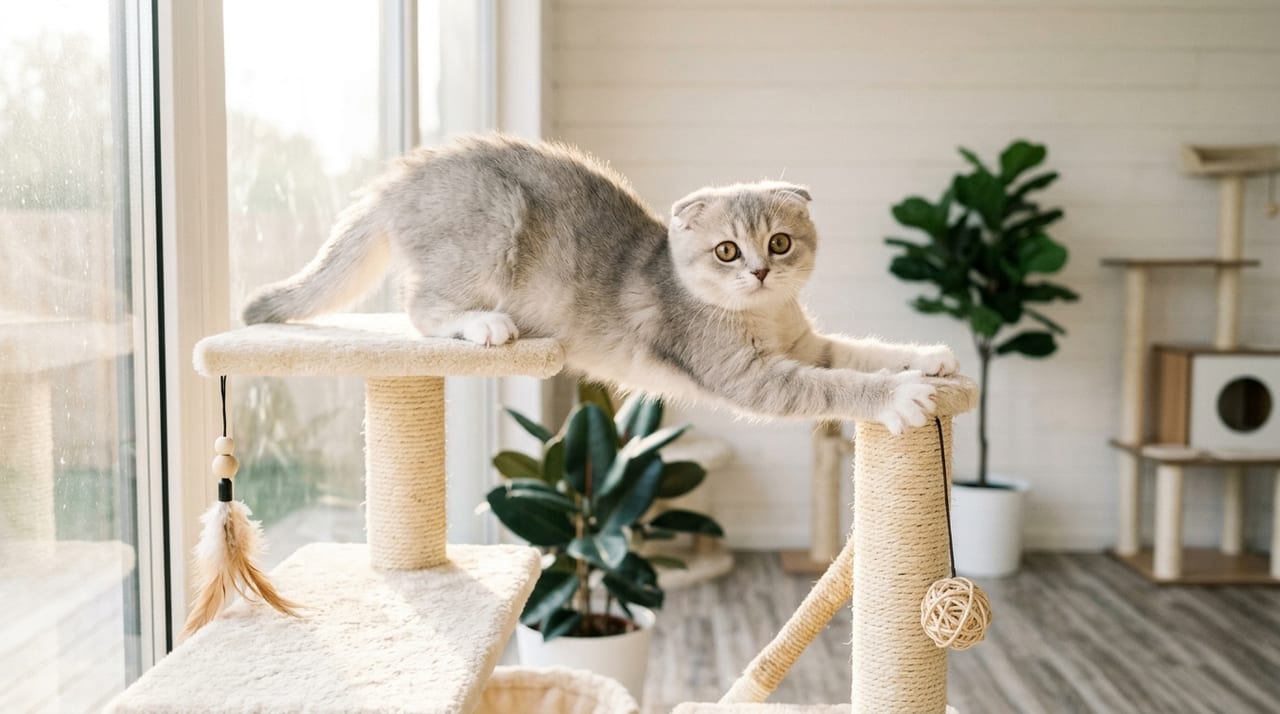
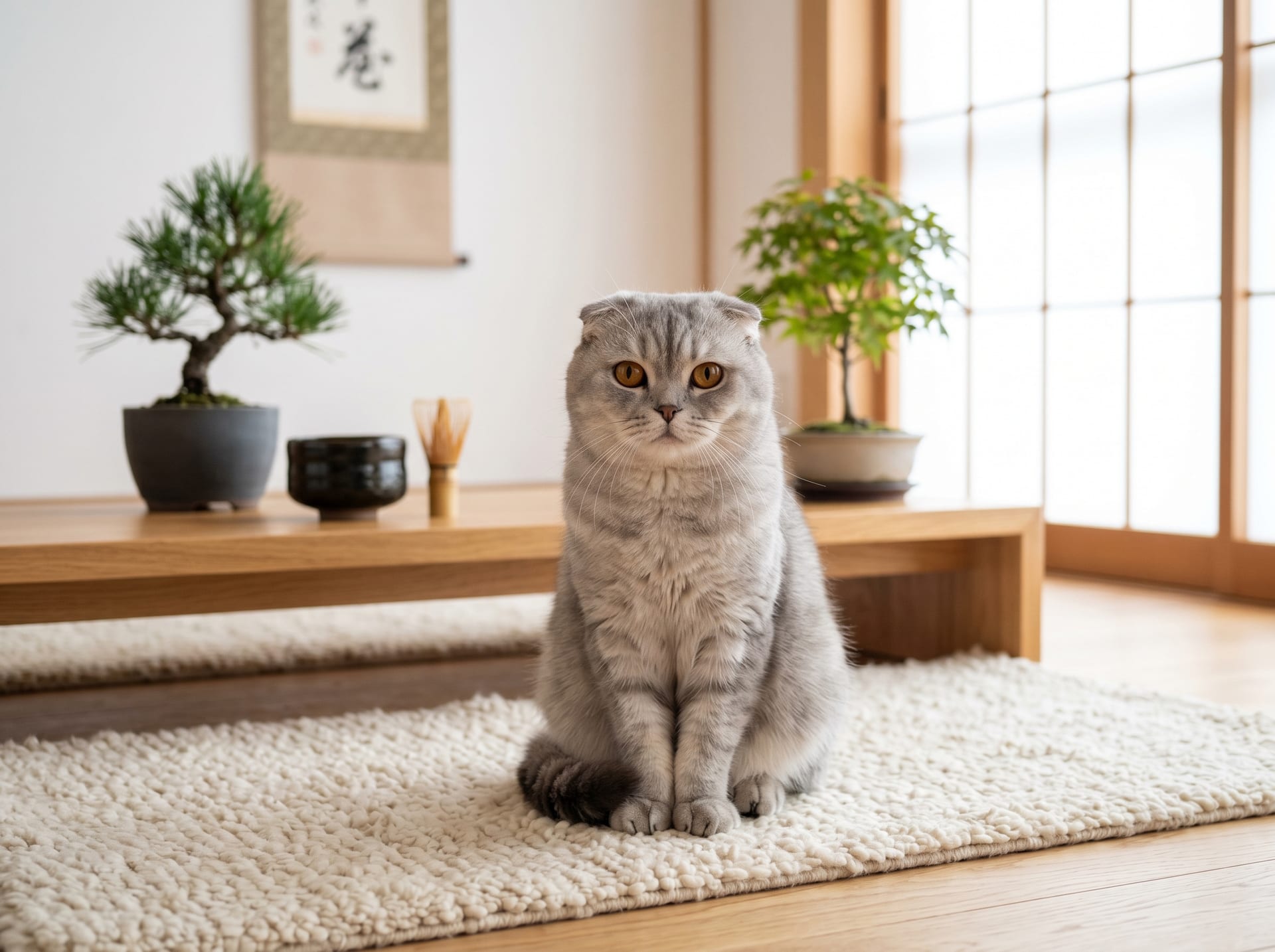
Scottish Fold: Folded-ear types tend to command higher prices. Long-haired types are also popular. See Scottish Fold Cat Care Guide for details.
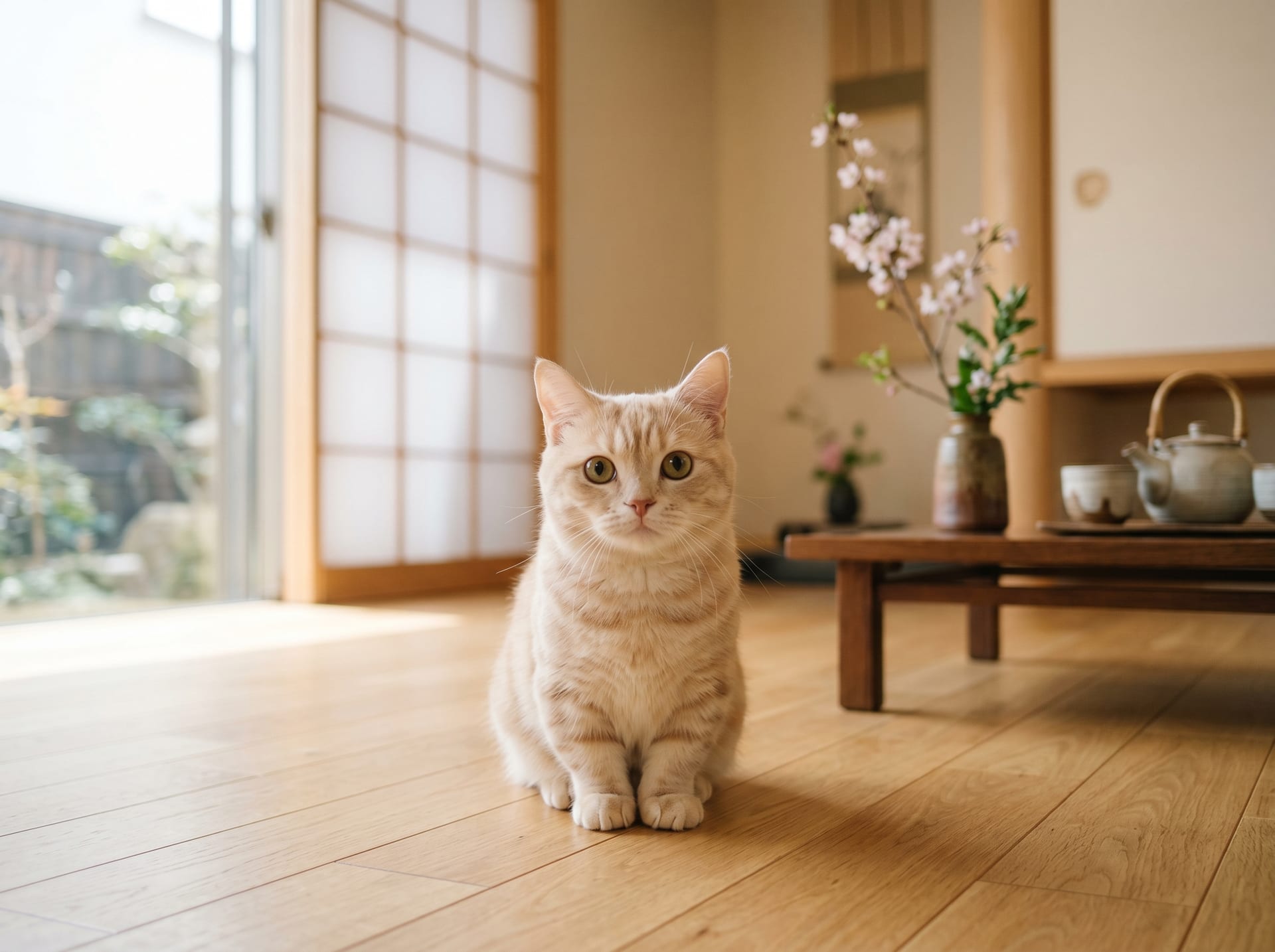
Munchkin: Short-legged types are more expensive than long-legged types. Rare colors command even higher prices. See Munchkin Cat Care Guide for details.
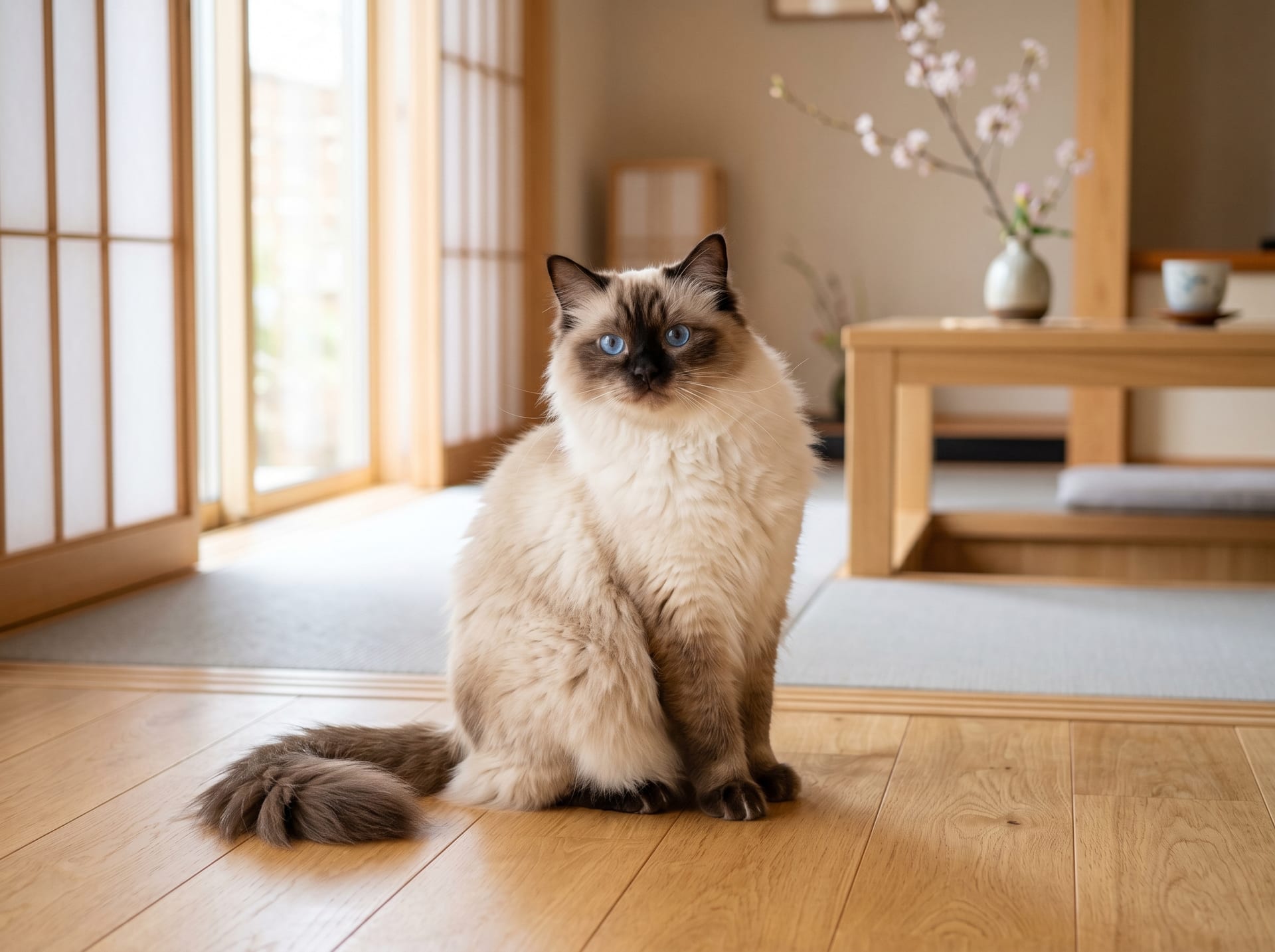
Ragdoll: Blue point and seal point colorations are popular. As a large breed, it's important to confirm their adult appearance beforehand. See Ragdoll Cat Care Guide for details.
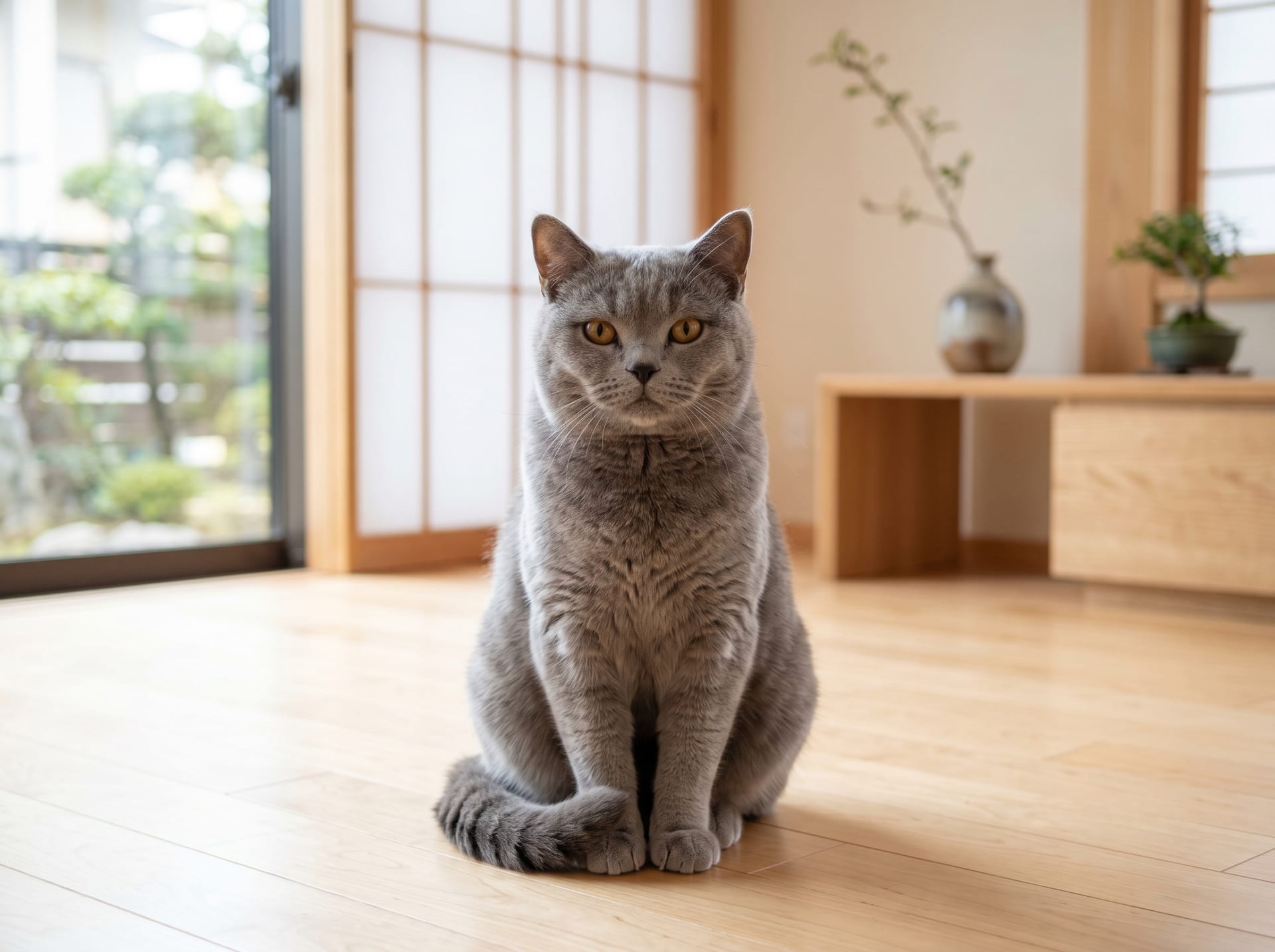
British Shorthair: Blue (gray) is the signature color. Their plush, teddy bear-like build is popular. See British Shorthair Cat Care Guide for details.
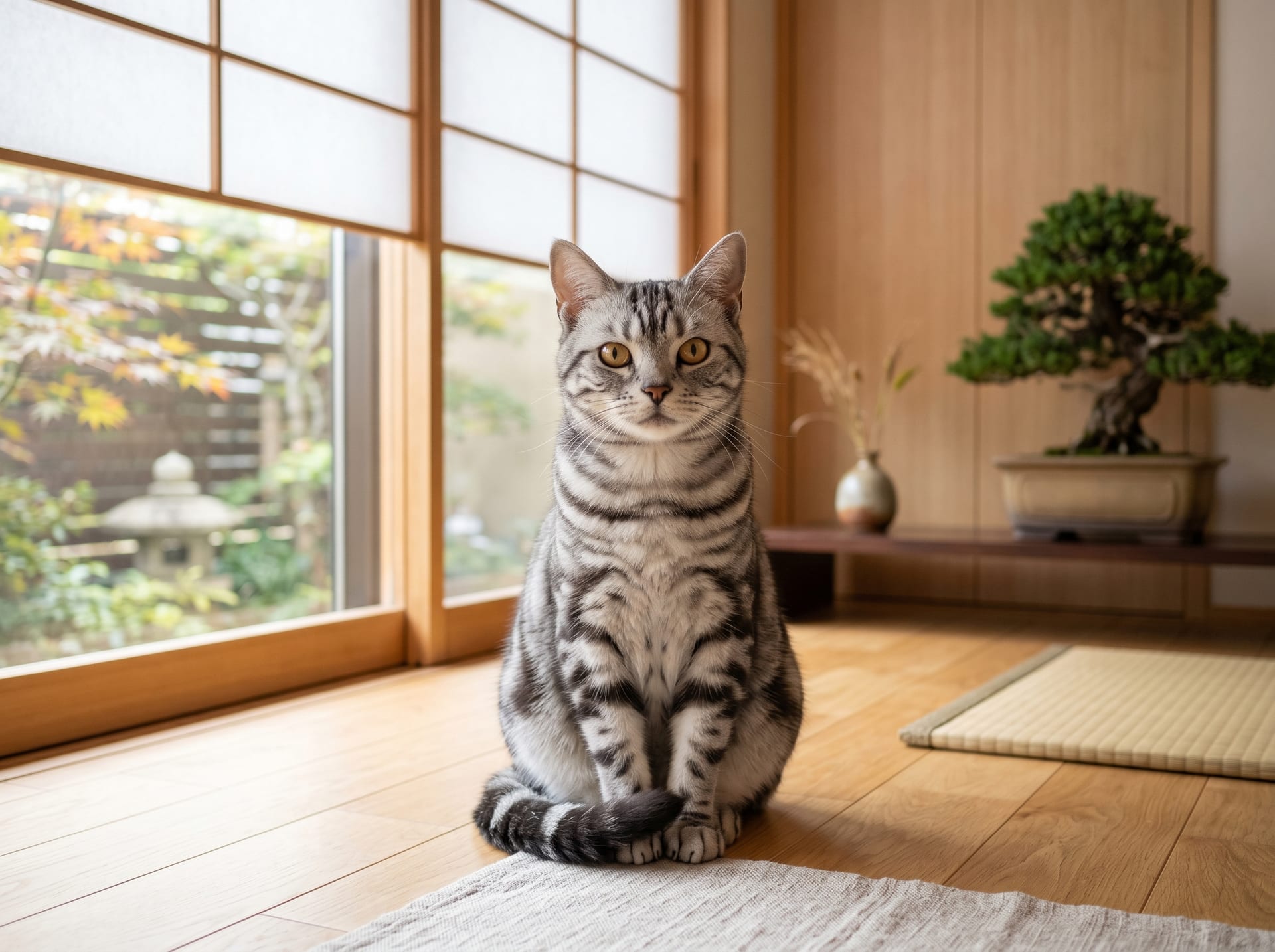
American Shorthair: Silver tabby is the most popular. Hardy and easy to care for, making them ideal for beginners. See American Shorthair Cat Care Guide for details.
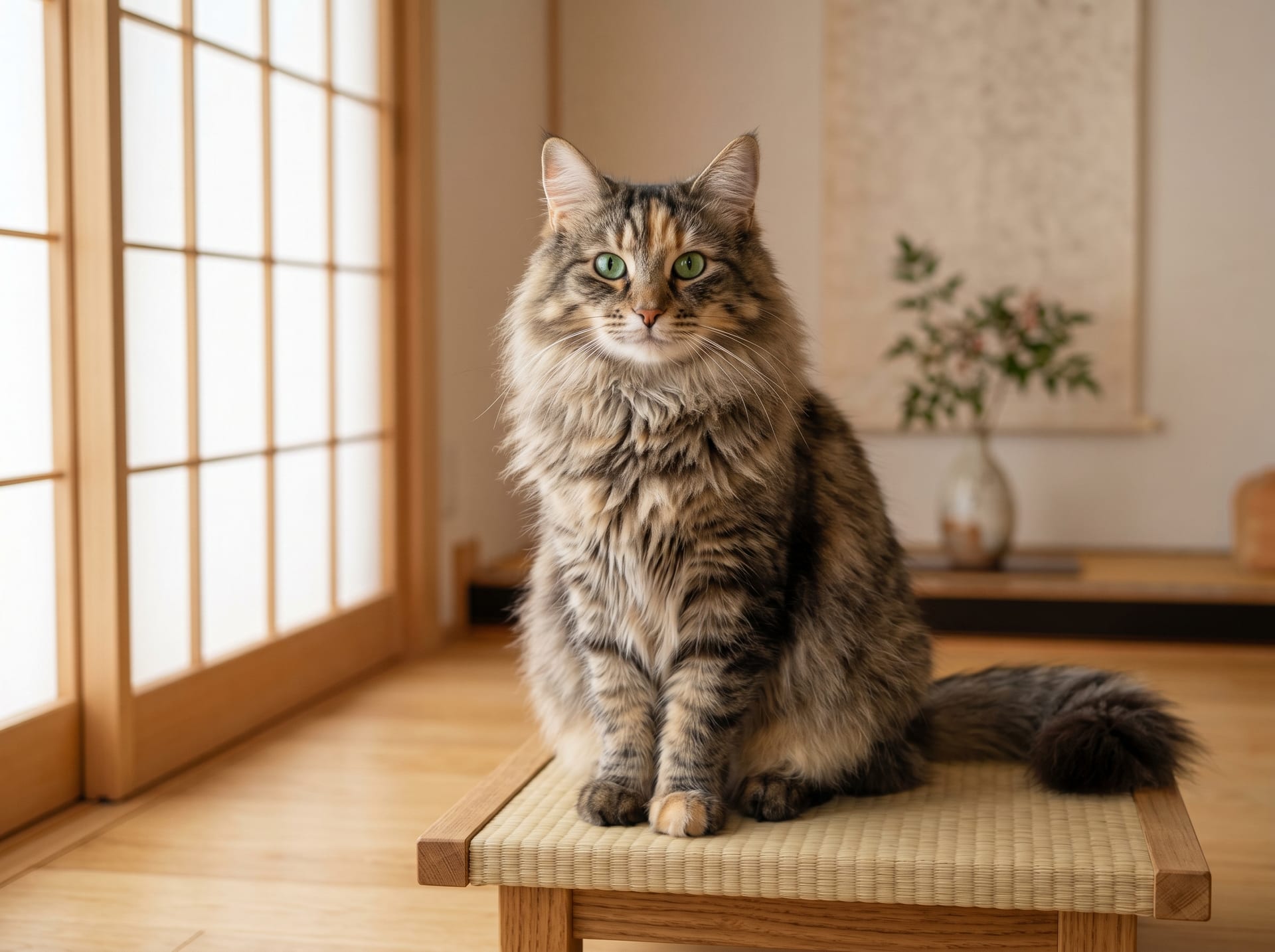
Norwegian Forest Cat: A large long-haired breed. They have calm temperaments and are suitable for multi-cat households.
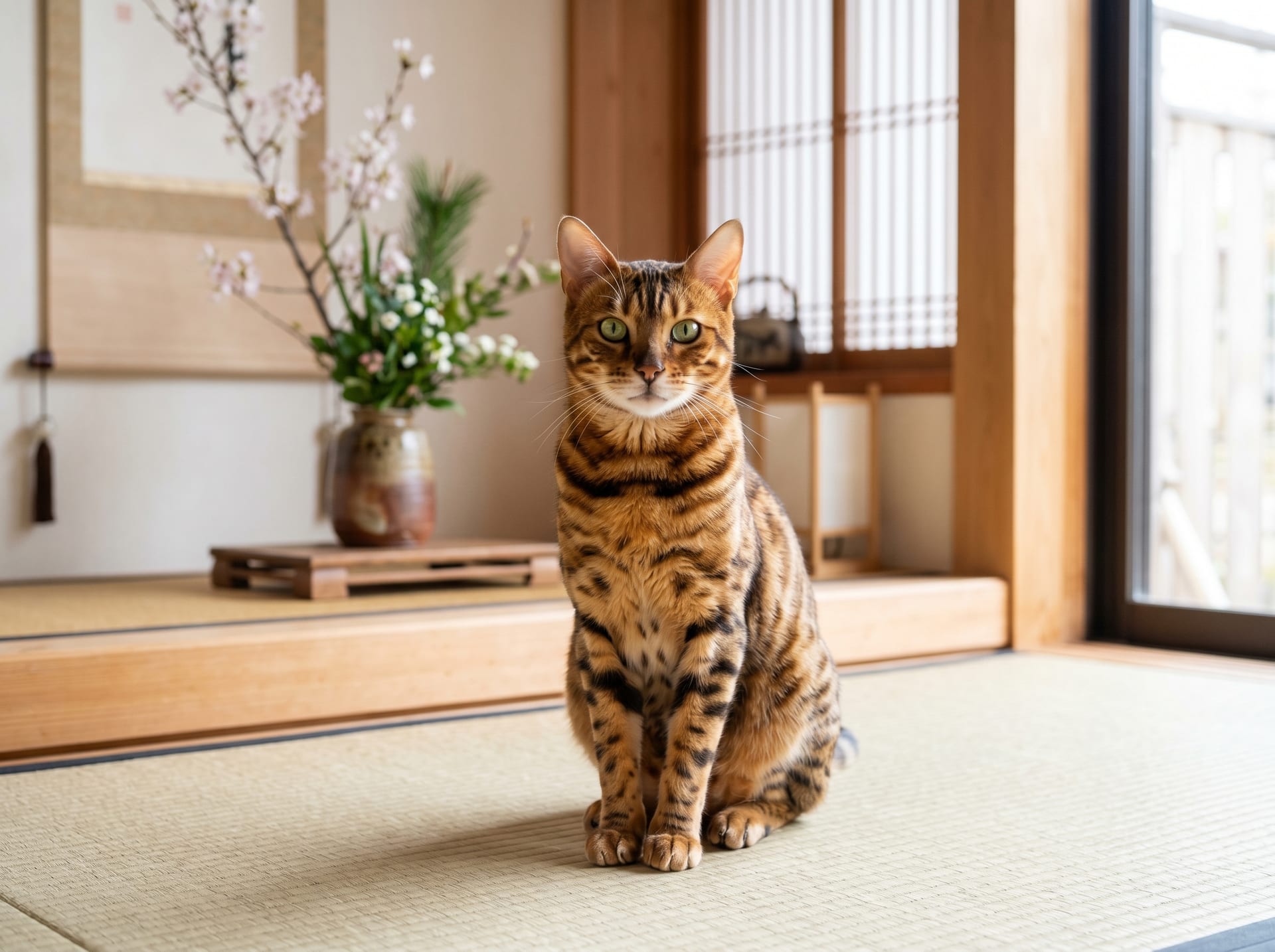
Bengal: Characterized by wild leopard-like spotted patterns. Individuals with distinct rosette markings tend to be priced higher. See Bengal Cat Care Guide for details.
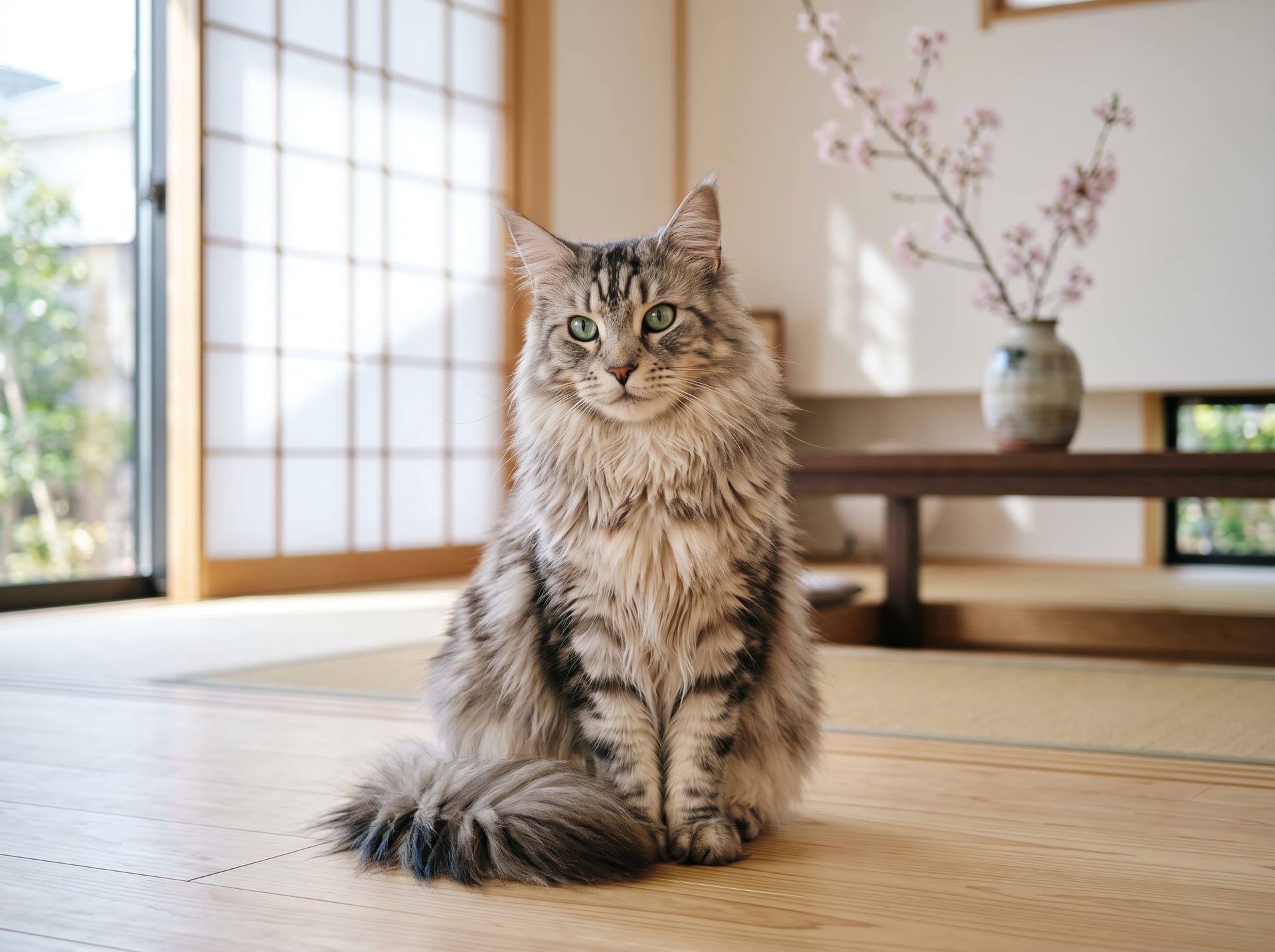
Maine Coon: One of the largest cat breeds in the world. They have calm, gentle temperaments and are sometimes called "dog-like cats." See Maine Coon Cat Care Guide for details.
Key Factors Affecting Price
Bloodline and Cattery
Kittens from parents holding champion titles in cat breed registries such as TICA and CFA command higher prices. Kittens from well-known catteries can be expected to more closely conform to breed standards in appearance.
Coat Color and Pattern
Each breed has popular color patterns. For example, blue and white Scottish Folds and brown rosette Bengals tend to be highly sought after. Rare colors (such as silver or gold) may command premium prices.
Ear Shape and Leg Length (Specific Breeds)
Scottish Fold folded ears and Munchkin short legs do not appear in all individuals genetically and have limited occurrence rates, making them more expensive. However, these traits come with health considerations, so it's important to understand them before choosing.
Age
Kittens aged 2–4 months are the most sought after and command the highest prices. As kittens get older, prices drop, but there are benefits such as more predictable temperament and initial vaccinations being already completed.
Initial Cost Guidelines
In addition to the cat's purchase price, the following initial costs apply (2026 estimates):
Vaccinations (remaining doses): 3,500–7,500 yen per dose × 1–2 doses
Spaying/neutering: Approximately 15,000–35,000 yen
Microchip: Approximately 3,000–5,000 yen (often already installed by breeders)
Living supplies (litter box, cat litter, food bowls, carrier, scratching posts, cat trees, etc.): Approximately 25,000–55,000 yen
Pet insurance (annual): Approximately 20,000–65,000 yen
The total initial costs, excluding the cat's purchase price, are estimated at approximately 55,000–130,000 yen.
Annual Maintenance Cost Guidelines
Annual cat maintenance costs are as follows (2026 estimates):
Food: 35,000–65,000 yen/year (premium food can exceed 90,000 yen)
Cat litter and toilet supplies: 10,000–25,000 yen/year
Vaccinations and regular check-ups: 10,000–25,000 yen/year
Pet insurance: 20,000–65,000 yen/year
Flea and tick prevention: 5,000–12,000 yen/year
Nail trimming and grooming supplies: 3,000–6,000 yen/year
The annual total is estimated at approximately 100,000–220,000 yen. Long-haired breeds may require additional grooming costs. We also recommend setting aside 5,000–10,000 yen per month for emergency medical expenses.
Price Difference Between Pet Shops and Breeders
Even for the same breed and equivalent quality, pet shops typically charge 15–30% more than buying directly from breeders. This price difference is due to the following middleman costs:
Middleman (wholesale) markup
Store rent, utilities, and personnel costs
Markup for unsold inventory risk
Transportation costs
When purchasing directly from a breeder, these middleman costs are eliminated, allowing you to acquire a kitten of the same quality at a more reasonable price. Additionally, you have the benefit of directly confirming the health information of the parents, their living environment, and their socialization.
Don't Judge by Price Alone
Be cautious if prices are extremely low (half of market rates or less). There may be risks such as inadequate health management, indiscriminate breeding, or inbreeding. In the long term, selecting a breeder with robust health management and breeding ethics within an appropriate price range is the best choice.
Lifetime Cost Simulation
Let's simulate the lifetime costs of a cat with an average lifespan of 15 years (2026 estimates):
Expense Item
Amount (15-Year Total)
Purchase price
160,000–580,000 yen
Food
520,000–970,000 yen
Litter and supplies
150,000–370,000 yen
Vaccinations and check-ups
150,000–370,000 yen
Pet insurance
300,000–970,000 yen
Unexpected medical costs
100,000–550,000 yen
Total
1.38–3.81 million yen
Lifetime costs are a minimum of approximately 1.38 million yen, and with comfortable care may exceed 3.5 million yen. It's important to understand the long-term financial commitment before bringing a cat into your home.
Is Negotiating a Discount Appropriate?
Let's clarify the basic principles around asking breeders "Is a discount possible?" when purchasing.
Breeder-set prices include actual costs for raising healthy kittens, such as parent cat care, genetic testing, vaccinations, veterinary health examinations, and care supplies. Demanding extreme discounts can compromise the quality of the breeder's care.
However, in the following cases, price adjustments within an appropriate range may be possible:
Older kittens (over 6 months of age)
When a breeder places a retired breeding cat in a home
When adopting multiple kittens at the same time
Find Cats on BreederDirect
Buying directly from breeders allows you to avoid pet shop markups while confirming parent information and breeding conditions. On the BreederDirect cat category, many breeders are registered offering pedigree kittens at fair prices. Focus on finding trustworthy breeders rather than just comparing prices.