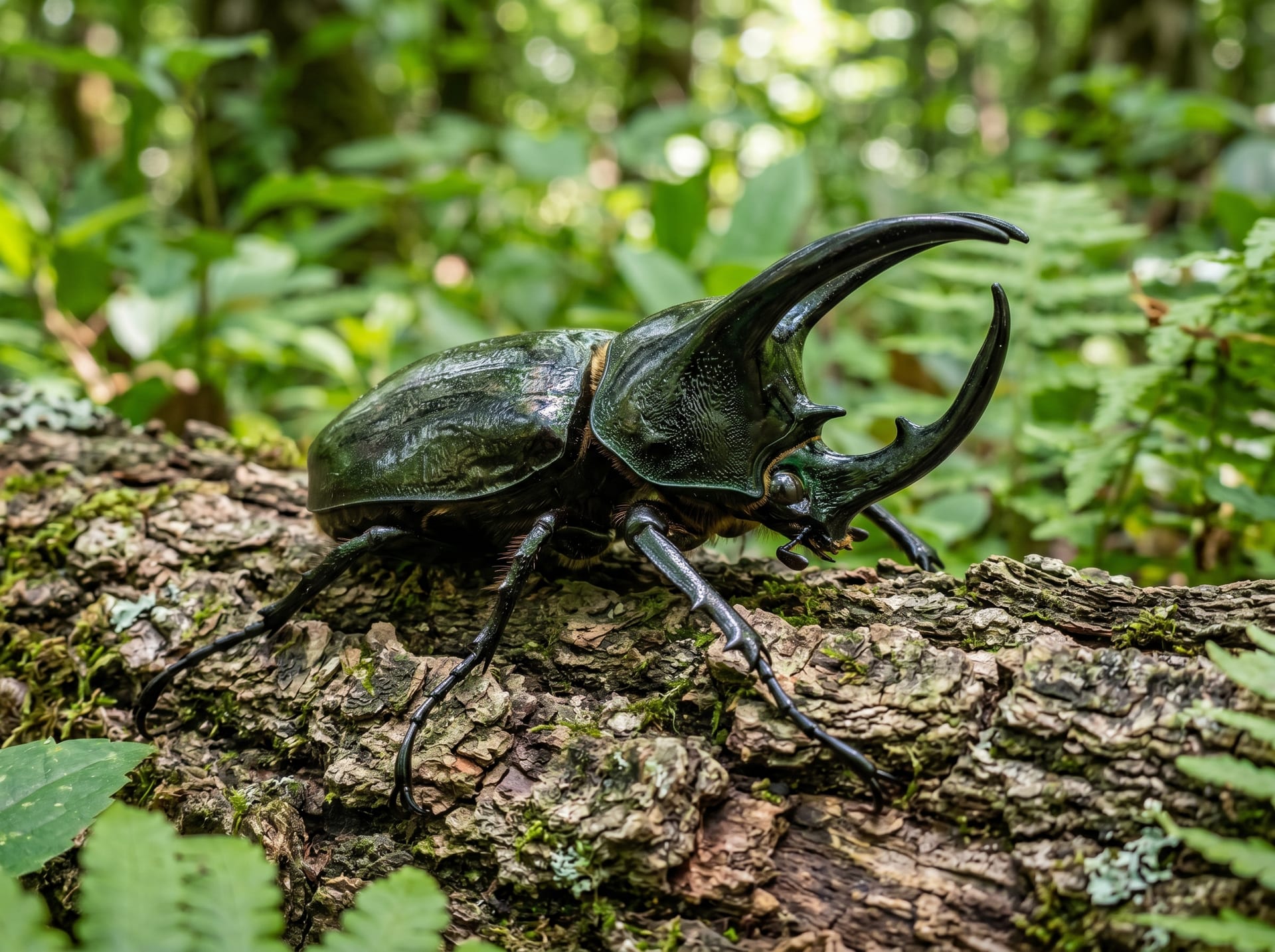
© Hectonichus / CC BY-SA 3.0Breeder Direct Marketplace
Purchase Insects directly from certified Breeder breeders. All listings clearly specify life stage and breeding units (pair/trio/colony).
First 3 sales - 0% commission!Register as a breeder by July 31, 2026 and your first 3 sales are commission-free!
Breeder Wanted!
List on BreederDirect and sell directly to customers nationwide!
When listing Insects, Breeders disclose the following. We guarantee transparency on growth stage and breeding unit.
Price
Region
Attributes
Adjust your filters, or get notified when new listings arrive.
Getting alerts is free with a member account. When new listings match your saved search, we'll notify you by email and in-app.
Are you raising insects?
Register as a breeder and connect with buyers directly.
The insect category on Bree-Choku lets you welcome rhinoceros beetles, stag beetles, tarantulas and more, directly from the breeders who raised them. Many insects are short-lived as adults, yet they offer deep enjoyment from egg-laying through larval rearing to multi-generation breeding. While checking the rearing environment and lineage, you can choose one after understanding each species' care methods.
1Understand the short adult lifespan
Adult Japanese rhinoceros beetles live only a few months, and many insects have a short adult stage. Some stag beetles, however, live for years, so lifespan varies by species. Research how long your chosen insect will live before adopting.
2Manage temperature to suit the species
Insects are strongly affected by temperature, and summer heat or winter cold can decide success. Some non-native species need equipment to hold a steady range. Research each species' target temperature and keep a stable environment year-round with air conditioning or heaters.
3Know how to set up for egg-laying and larval rearing
For breeding, rhinoceros beetles need fermented mat, while stag beetles need fungus bottles or laying wood, suited to the species. Larvae grow by eating mat or fungus, so periodic replacement is essential. Research the supplies and steps needed before adopting.
4Prepare for overwintering and surviving summer
Species such as stag beetles that overwinter as adults need suitable temperature and humidity through winter. Conversely, some species are weak to summer heat, so seasonal management is required. Confirm whether your species overwinters or oversummers and plan care for the full year.
5Know the joy and responsibility of multi-generation breeding
A major appeal of insect keeping is multi-generation breeding, following eggs to larvae, emergence, and the next generation. It also brings the responsibility of caring for every individual that results. Breed thoughtfully and enjoy it on a scale you can fully manage.
6Confirm a trustworthy breeder and lineage
For insects such as stag beetles, breeders may record origin, lineage, and size. Checking the rearing environment and parent information makes it easier to choose a healthy, well-conditioned individual. On Bree-Choku you can also hear care advice straight from the breeder.
7Understand emergence timing and when to obtain insects
The season when adults are available, and when larvae can be obtained, differs by species. It is important to look for listings matching the stage you want to raise. Decide whether to keep adults or rear from larvae, and confirm condition and timing with the breeder.
Insect Pheromones and Instinctive Behavior Guide | How Reproduction, Territorial, and Aggregation Pheromones Work and Their Application to Pet Care
Explores how insect pheromone communication works. Introduces the types of reproduction, territorial, and aggregation pheromones, with practical applications for keeping pet insects such as beetles, stag beetles, and crickets.
Breeding Guide for the Black Diamond Weevil | How to Care for the World's Hardest Insect, Feeding, and Reproduction
Breeding methods for the Black Diamond Weevil, the world's hardest insect. Detailed explanation of host plants, temperature and humidity, reproduction, and larval management.
Earwig Care Guide | How to Raise and Breed Japanese Littlewigs and Hokkaido Earwigs
An earwig care guide covering housing, feeding, and breeding methods for littlewigs and Hokkaido earwigs. Discover fascinating maternal behaviors, including how mothers protect their eggs.
Japanese Rhinoceros Beetle Adult Care Guide | Post-Emergence Feeding, Mating, Egg-Laying Setup, and Longevity Tips
Butterfly Captive Breeding Guide: From Pairing Swallowtails, Brush-footed, and Blue Butterflies to Larval Management
A practical guide to captive breeding of butterflies. Explains specific procedures for managing host plants, inducing mating, managing eggs, and all developmental stages from larvae through pupation and emergence of Swallowtails, Brush-footed, and Blue butterflies.