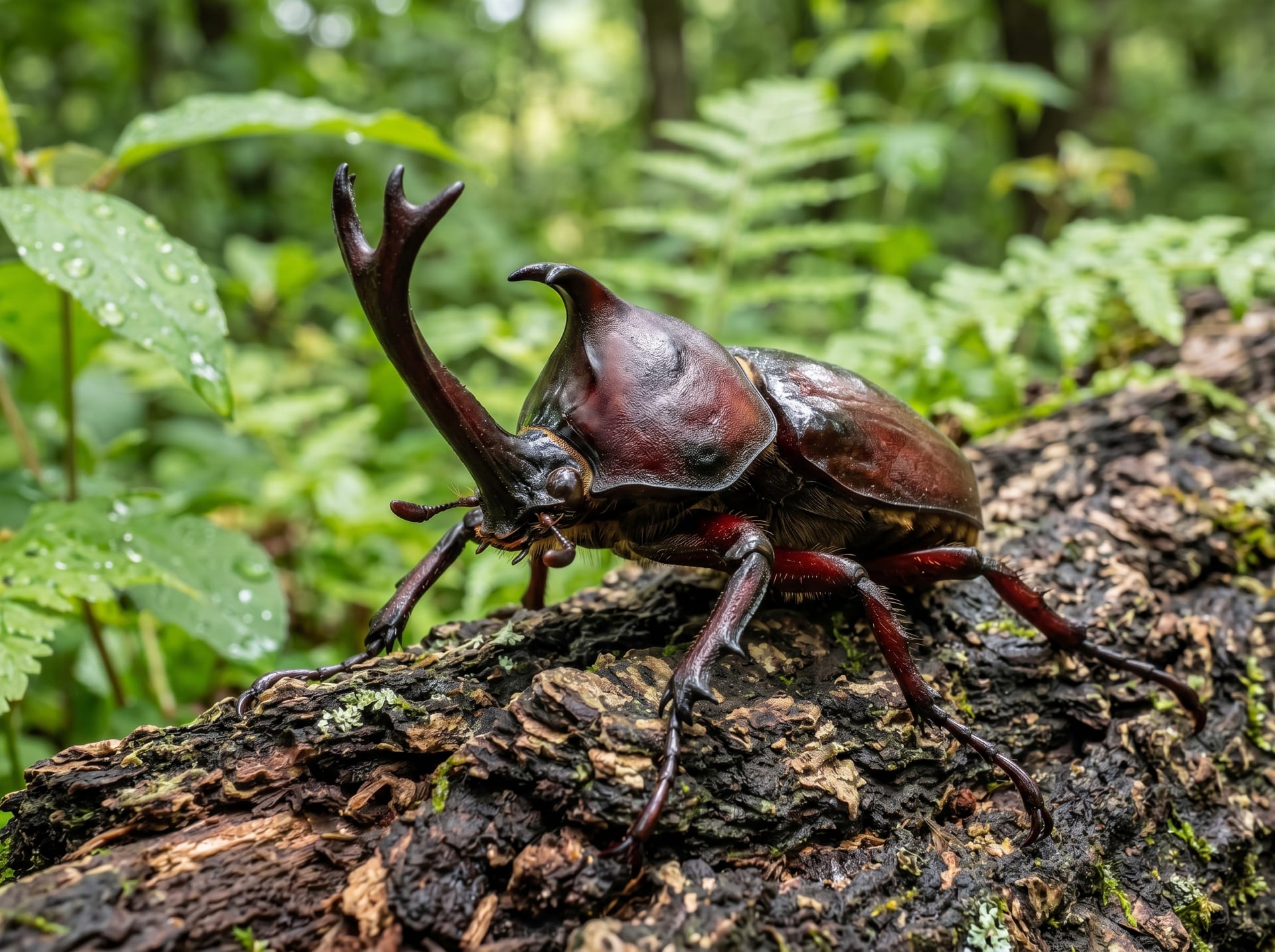
Japanese Rhinoceros Beetle
A Japanese summer icon. Popular from kids to adults. Larvae grow in leaf compost, pupating into adults in about a month. Perfect starter beetle.
View Japanese Rhinoceros Beetle encyclopedia →0% commission on your first sales!Register by September 30, 2026 and your first 2 sales are commission-free!
Breeder Wanted!
List on BreederDirect and sell directly to customers nationwide!
6 Transparency Standards You Can Trust
When listing Insects, Breeders disclose the following. We guarantee transparency on growth stage and breeding unit.
- Life Stage Clarity
- Generation Info
- Real Photos
- Breeding Unit
- Country of Origin
- Body Length (mm)
Browse all 26 breeds
No listings match your filters
Adjust your filters, or get notified when new listings arrive.
Getting alerts is free with a member account. When new listings match your saved search, we'll notify you by email and in-app.
Browse other categories
Verified breeders (preview)
Japanese Rhinoceros Beetle key facts
- Care level
- Beginner-friendly
- Lifespan
- Adult 2-3 months / Larva ~10 months
- Size
- 30-80mm (including horn)
- Temperature
- 20〜28℃
- Diet
- Jelly (adult) / Leaf compost & fermented mat (larva)
- Enclosure
- Medium plastic case. Substrate depth 15cm+
- Breeding
- Lay in fermented mat. ~20-30 eggs per female
- Larva Care
- Change substrate every 2-3 months. Use nutrient-rich mat for larger adults
- Notes
- Males fight. Add bark pieces to prevent flipping
About Japanese Rhinoceros Beetle
The Japanese rhinoceros beetle (Trypoxylus dichotomus) is one of Japan's largest beetles, belonging to the family Scarabaeidae, and has long been a beloved symbol of summer. Males bear a distinctive Y-shaped horn used in territorial battles over tree sap. Males measure roughly 50–80 mm in length, while hornless females are slightly smaller at 30–60 mm. Their glossy exoskeleton ranges from black to reddish-brown, with color variation across individuals and collection sites. Larvae feed on leaf mold or fermented substrate for about a year before pupating and emerging as adults in early summer. Adults are relatively straightforward to keep — insect jelly, proper substrate, and temperature control are the essentials, making them accessible to beginners. The ability to observe the full life cycle from egg to adult in your own home is a key reason this species remains popular both as a nature education tool for children and as a serious multi-generation breeding project for enthusiasts.
Featured breeders for Japanese Rhinoceros Beetle
 小澤昌樹 Breeder岐阜県0 Japanese Rhinoceros Beetle listings中澤望 Breeder新潟県0 Japanese Rhinoceros Beetle listings
7 things to know before welcoming a Japanese Rhinoceros Beetle
1Choosing the Right Enclosure
A container at least 30 cm wide is recommended for one adult. Males fight aggressively, so keep them separate or provide ample space when housing together. Use a well-ventilated, secure-lidded enclosure to prevent escapes.
2Substrate Depth and Type
Spread 5–10 cm of broadleaf insect substrate for adults. If you want the female to lay eggs, provide 15 cm or more, as she burrows to deposit them. Replace the substrate regularly to maintain hygiene.
3Temperature and Humidity
Keep temperatures between 20–28°C; heat above 30°C puts stress on the beetle. Lightly mist the substrate to maintain moisture — damp but not waterlogged. Avoid sealed, overly humid setups, which encourage mite infestations.
4Feeding and Hydration
Commercial beetle jelly (high-protein type) is the most convenient and hygienic option. Watermelon and fruit are accepted but introduce excess moisture that can rot the substrate, so offer sparingly. Check food daily and remove leffers promptly.
5Adult Lifespan and Seasonality
Adults typically live 1–3 months after emerging, mirroring their brief wild summer lifespan. Long-term adult care is not realistic; accepting this is part of beetle keeping. Raising larvae gives you a full year of observation through to the following summer.
6Basics of Larval Care
Larvae feed on composted leaf litter or fermented beetle substrate. Replace the substrate several times as they grow through three instars, always keeping plenty available. Handle larvae with gloves to reduce bacterial transfer, and disturb them as little as possible.
7Expected Costs
Initial setup — enclosure, substrate, feeding dish, and jelly — typically runs ¥2,000–¥5,000. Adult prices vary by size and origin; large specimens or beetles from specific localities can cost more. Raising from larvae is more economical and offers a richer learning experience.
Frequently asked questions about Japanese Rhinoceros Beetle
- Q.How long do Japanese rhinoceros beetles live?
- A.Adults live roughly one to three months and do not survive winter. Including the larval stage, the full life cycle from egg to adult spans about one year.
- Q.Can males and females be kept together?
- A.They can be housed together for breeding purposes, but separating them after mating reduces stress on the female and tends to improve egg-laying rates. Avoid keeping multiple males in the same enclosure, as they will fight aggressively.
- Q.Is rearing larvae difficult?
- A.Larvae are relatively easy to raise — simply place them in a deep container packed with fermented substrate and they will largely care for themselves. Monitoring for substrate degradation, dryness, and fungus gnats, and replacing the substrate every two to three months, is enough for beginners to achieve successful adult emergence.
- Q.Should I worry about odor or hygiene?
- A.With proper care, odor is minimal. Using a well-sealed enclosure and replacing the fermented substrate regularly helps control fungus gnats. Changing insect jelly every two to three days keeps the habitat clean and hygienic.
- Q.What are the benefits of buying from a breeder?
- A.Breeder-sourced beetles come with clear emergence dates and health records, and typically carry lower parasite risks than wild-caught specimens. You can also ask the breeder directly for care advice, making it a reassuring choice for first-time keepers.
Useful tools for Japanese Rhinoceros Beetle care
Learn more about Japanese Rhinoceros Beetle in the encyclopedia
View Japanese Rhinoceros Beetle encyclopedia entry →
Care difficulty, lifespan, size and diet — all basics covered.
Japanese Rhinoceros Beetle related articles
Japanese Rhinoceros Beetle Adult Care Guide | Post-Emergence Feeding, Mating, Egg-Laying Setup, and Longevity Tips
A Home Collecting, Breeding, and Care Guide for Japanese Rhinoceros Beetles | Collection Sites, Feeding, Egg-Laying Setups, and Larval Rearing Tips
A complete guide for beginners on collecting, caring for, and breeding Japanese rhinoceros beetles, Japan's iconic summer insect. Learn how to find collection sites, manage adults, set up egg-laying beds, and raise larvae from start to finish, with step-by-step instructions for each season.
Flipping Over Prevention Guide for Japanese Rhinoceros Beetles & Stag Beetles|How to Choose Climbing Logs and Anti-Tipping Supplies
A guide explaining anti-tipping measures to prevent the common accident where Japanese rhinoceros beetles and stag beetles flip over, become unable to right themselves, and weaken. We cover how to choose and install climbing logs, cork, and charcoal; how to position homemade alternatives like wooden chopsticks, fallen leaves, and netting; and the correct technique for righting a flipped beetle.
Complete Japanese Rhinoceros Beetle Care Guide | Keeping Them Healthy from Larvae to Adulthood
A comprehensive guide to rearing domestic Japanese rhinoceros beetle larvae, pupation, eclosion, and adult management. We detail the complete rearing process from substrate selection, temperature control, mating, to egg-laying.
Tips for Raising Large Japanese Rhinoceros Beetles | The Three Key Elements: Bloodline, Substrate, and Temperature
Explains methods for raising large adult Japanese rhinoceros beetles. Introduces techniques for growing larger individuals, including bloodline selection, use of high-nutrition substrate, and extension of larval period through temperature management.
Japanese Rhinoceros Beetle Larva Care Guide | Mat Management and Temperature for Raising Large Specimens
Explains how to raise large Japanese rhinoceros beetle larvae. Introduces how to choose fermented mat, timing for replacement, and temperature management tips.
More in this category
Can't find the one you're looking for?
Post your wishes for free and breeders with matching animals will contact you with introductions.