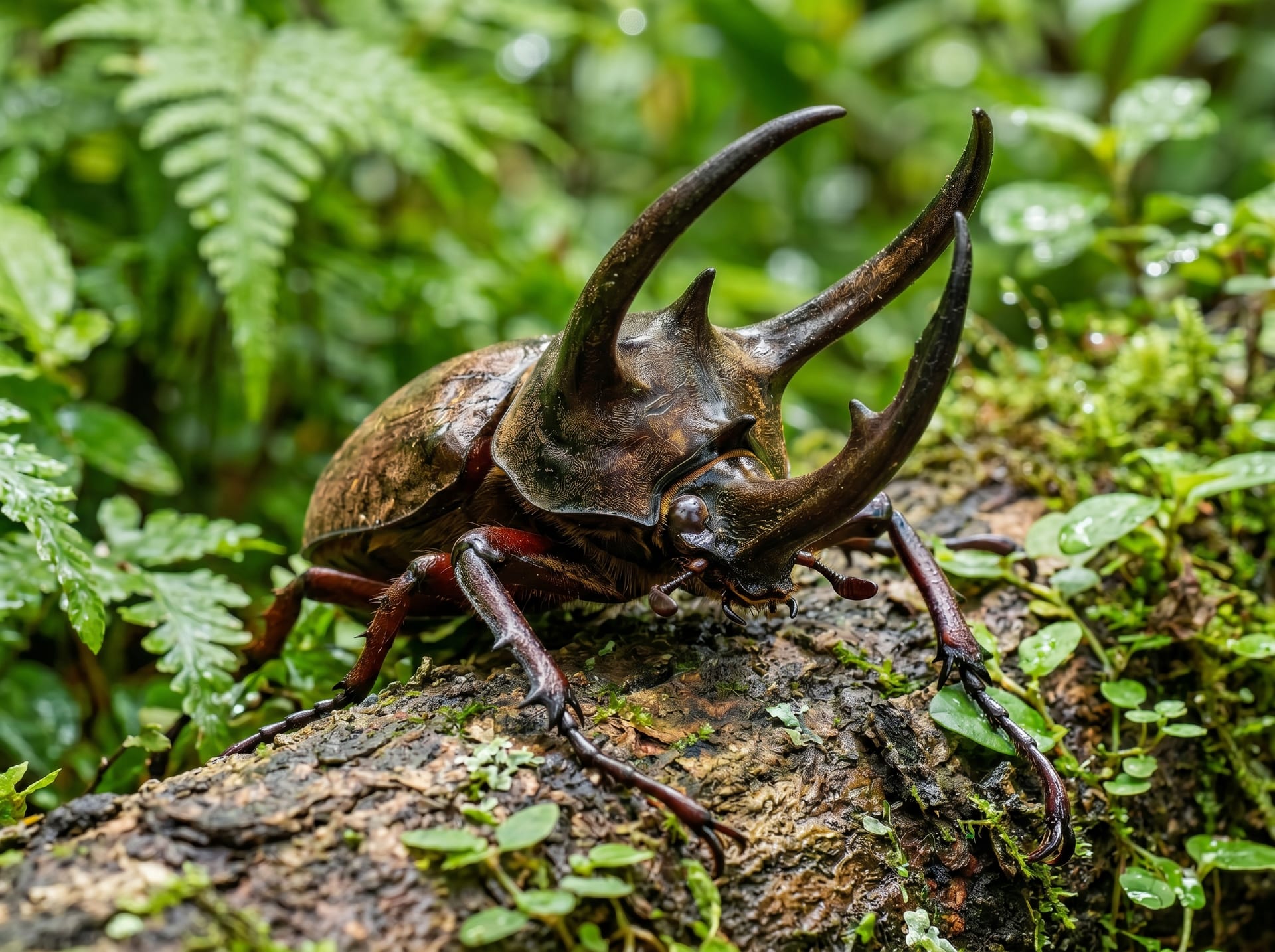
Atlas Beetle
Large beetle from Southeast Asia. Three horns similar to Caucasus but smaller. Relatively easy to keep.
View Atlas Beetle encyclopedia →0% commission on your first sales!Register by September 30, 2026 and your first 2 sales are commission-free!
Breeder Wanted!
List on BreederDirect and sell directly to customers nationwide!
6 Transparency Standards You Can Trust
When listing Insects, Breeders disclose the following. We guarantee transparency on growth stage and breeding unit.
- Life Stage Clarity
- Generation Info
- Real Photos
- Breeding Unit
- Country of Origin
- Body Length (mm)
Browse all 26 breeds
No listings match your filters
Adjust your filters, or get notified when new listings arrive.
Getting alerts is free with a member account. When new listings match your saved search, we'll notify you by email and in-app.
Browse other categories
Verified breeders (preview)
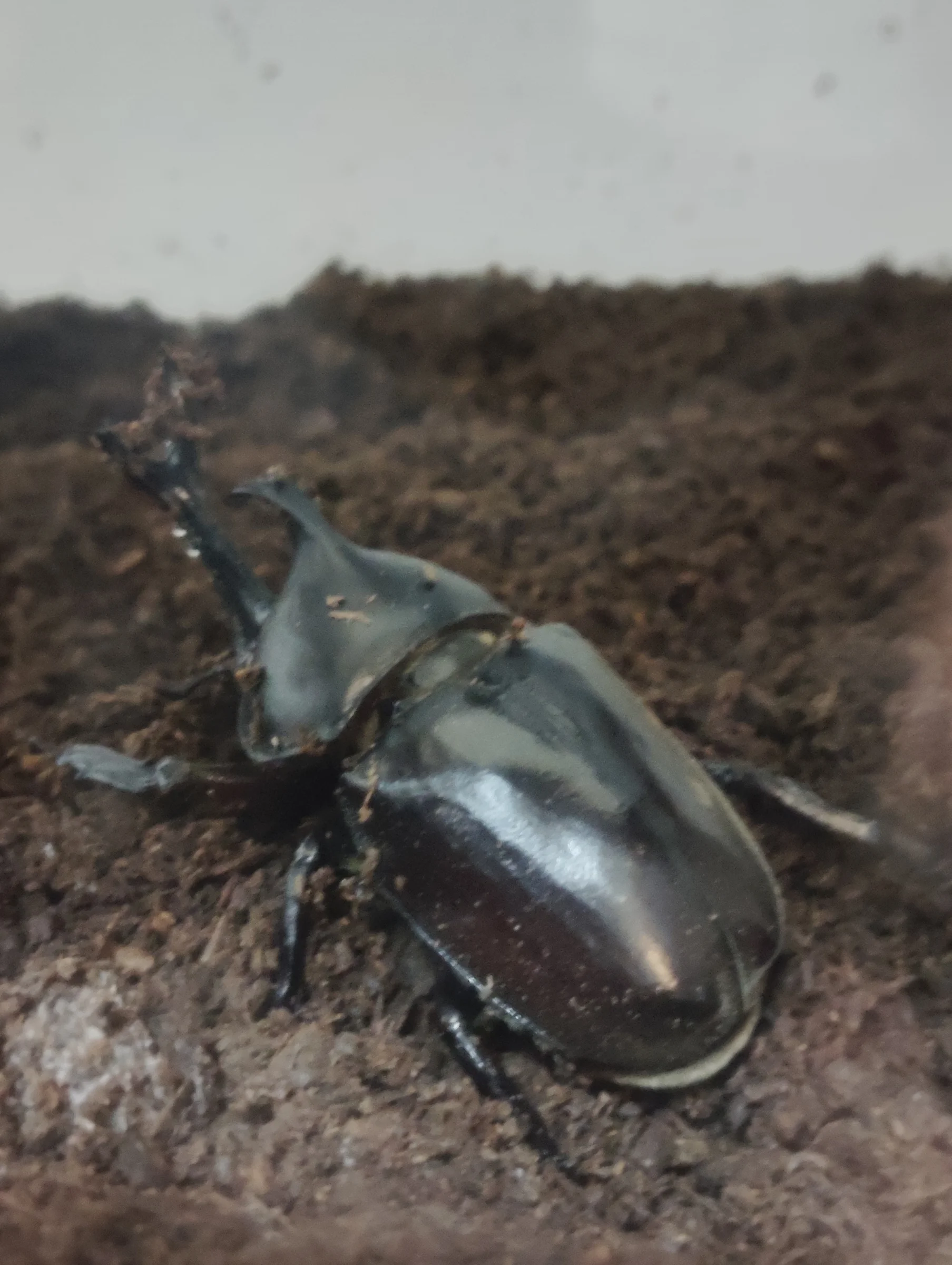
Atlas Beetle key facts
- Care level
- Beginner-friendly
- Lifespan
- Adult 3-6 months, larva 8-12 months
- Size
- Up to 100mm
- Temperature
- 22〜28℃
- Diet
- Beetle jelly (adult), fermented substrate (larva)
- Housing
- Keep in a medium to large case with a deep layer of fermented substrate. Feed adults beetle jelly or banana.
- Temperature & Humidity
- 22-28°C is suitable. Above 28°C adults wear out faster, so keep them at a cool 22-26°C in summer.
- Breeding & Egg-laying
- Females lay eggs in the fermented substrate. Larvae grow in fermented substrate, with a larval period of about 8-12 months.
- Difficulty
- Among the easier exotic beetles to keep
- Notes
- Often confused with Caucasus — distinguish by horn shape
- vs. Caucasus Beetle
- The Atlas has a thinner, more upward thoracic horn and smaller body; the Caucasus has thicker, longer horns and is more aggressive. The Atlas is the easier to keep.
About Atlas Beetle
The Atlas beetle (Chalcosoma atlas) is a large rhinoceros beetle found across the tropical rainforests of Southeast Asia, including Indonesia, the Philippines, and Malaysia. Its name derives from Atlas, the titan of Greek mythology, a fitting tribute to its imposing stature. The species is distinguished by one large curved horn on the head and two shorter horns on the thorax — three in total — closely resembling the Caucasus beetle but slightly smaller at 7–12 cm in length, making it highly sought after by collectors. Males are combative toward one another but move in a slow, deliberate manner that makes handling relatively manageable compared to many other large beetles. The appeal of keeping Atlas beetles lies not only in the adult's dramatic appearance but also in the rewarding experience of raising larvae through pupation to emergence — a complete lifecycle that captivates beginners and experienced keepers alike.
7 things to know before welcoming a Atlas Beetle
1Enclosure Size
A medium-sized enclosure (approximately 30cm x 20cm or larger) is suitable for adults. Be mindful of lid design, as the male's horns can easily get caught. Housing multiple individuals together tends to cause aggressive fighting, so single-specimen keeping is recommended.
2Substrate Depth
Providing fermented mat at a depth of around 5–10 cm for adult beetles helps reduce stress by allowing them to burrow. Maintain moderate moisture and replace the substrate roughly every one to two months. Replace earlier if you notice strong odor or excessive mold growth.
3Short Adult Lifespan
Adult Atlas Beetles typically live only 3–6 months. After eclosion, it may take several weeks before they begin feeding for the first time — a stage known as "post-eclosion feeding." It is best to attempt pairing only after confirmed feeding, and attentive daily care is especially important given their short lifespan.
4Larval Rearing Mat
The larval stage lasts approximately 8–12 months, during which fermented mat serves as the primary food source. Mat quality degrades over time, so replacing it every 2–3 months is advisable. Unlike stag beetles, rhinoceros beetle larvae are mat feeders and do not require logs or dead wood.
5Temperature Management
The recommended temperature range for both adults and larvae is approximately 23–28°C. Temperatures exceeding 30°C can reduce activity and shorten lifespan, so careful management during summer is essential. In winter, larval development slows considerably below 15°C, so maintaining stable room temperature is important.
6Male Temperament
Male Atlas Beetles have powerful gripping strength and can pinch fingers when handled bare-handed. They may reflexively grab skin when startled, so it is best to calm them before picking them up. They are generally less aggressive than Caucasus Beetles, but beginners should still handle them with care.
7Regional Variation
Atlas Beetles vary significantly in body size and horn shape depending on their locality — Sumatra, Java, Philippines, and others each produce distinct morphs. Checking locality information at the time of purchase helps you anticipate the adult's potential size and appearance. Mixed-locality individuals are generally unsuitable for breeding pure lines, so confirm with the seller if lineage matters to you.
Frequently asked questions about Atlas Beetle
- Q.How is the Atlas beetle different from the Caucasus beetle?
- A.The main difference is size: the Atlas beetle is noticeably smaller than the Caucasus, reaching around 7–12 cm in total length. The horn shape also differs slightly, with the Atlas having horns that curve more inward at the tips. Care requirements are similar, but Atlas beetles tend to be more readily available in the hobby market.
- Q.Can males and females be kept together?
- A.Cohabitation is not recommended except for short-term pairing for breeding purposes. Males can become aggressive toward females and may injure them. Once mating is confirmed, the female should be separated promptly and placed in a dedicated laying enclosure.
- Q.How much space does an Atlas beetle need?
- A.A single plastic container around 30 cm wide is sufficient for one adult beetle. Larvae are commonly raised individually in 800 ml to 2 L containers or small enclosures. For multiple beetles, adding more individual containers is more practical than using one large shared space.
- Q.How should I manage temperature in winter?
- A.As a tropical species, Atlas beetles are sensitive to cold and should not be exposed to temperatures below 15°C. During winter, use a heat mat or low-wattage heat lamp to keep the enclosure area at or above 20°C. Placing a thermometer inside the room and checking it regularly will help maintain a stable environment.
Useful tools for Atlas Beetle care
Learn more about Atlas Beetle in the encyclopedia
View Atlas Beetle encyclopedia entry →
Care difficulty, lifespan, size and diet — all basics covered.
Atlas Beetle related articles
Imported Beetle Comparison Guide|Breeding and Appeal of Caucasus Beetles, Atlas Beetles, and Giant Beetles
Compare the differences between Caucasus and Atlas beetles (horn protrusions, body color, size, price, larval period) in a table, and explain how to distinguish them and which to choose. Also introduces difficulty levels and larval rearing methods for large imported beetles, including Elephant beetles.
How to Care for Atlas Beetles | Lifespan, Larval Period, Adult Care, and Breeding Guide
A comprehensive guide to keeping Atlas beetles, Southeast Asian large rhinoceros beetles. Covers whether care is difficult (WD individuals, tarsal claw loss, emergence timing mismatches), why they're inexpensive, adult lifespan and larval duration, hand-pairing and egg-laying setup, and tips for mat changes and temperature management.
Atlas Beetle Care Guide | How to Raise the Southeast Asian Rhinoceros Beetle with Three Horns
Guide to raising the large Southeast Asian rhinoceros beetle "Atlas Beetle (Chalcosoma atlas)". Explains the differences from Caucasus Beetles, fermented substrate management for larvae, temperature and humidity settings, adult lifespan and tips for activation, and detailed larval management techniques to maximize size.
More in this category
Can't find the one you're looking for?
Post your wishes for free and breeders with matching animals will contact you with introductions.