Source: Wikimedia Commons
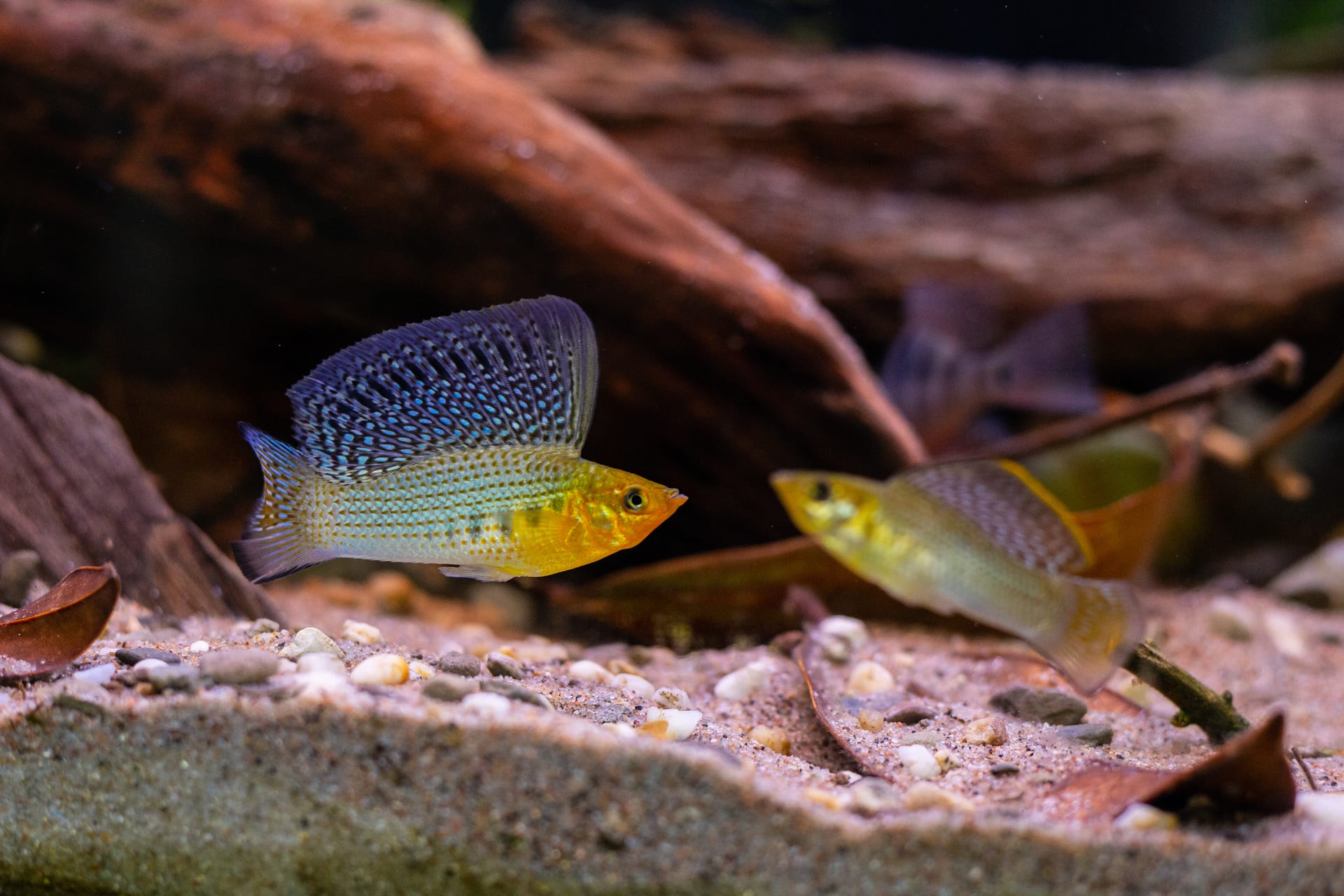
Sailfin Molly
IntermediatePoecilia velifera
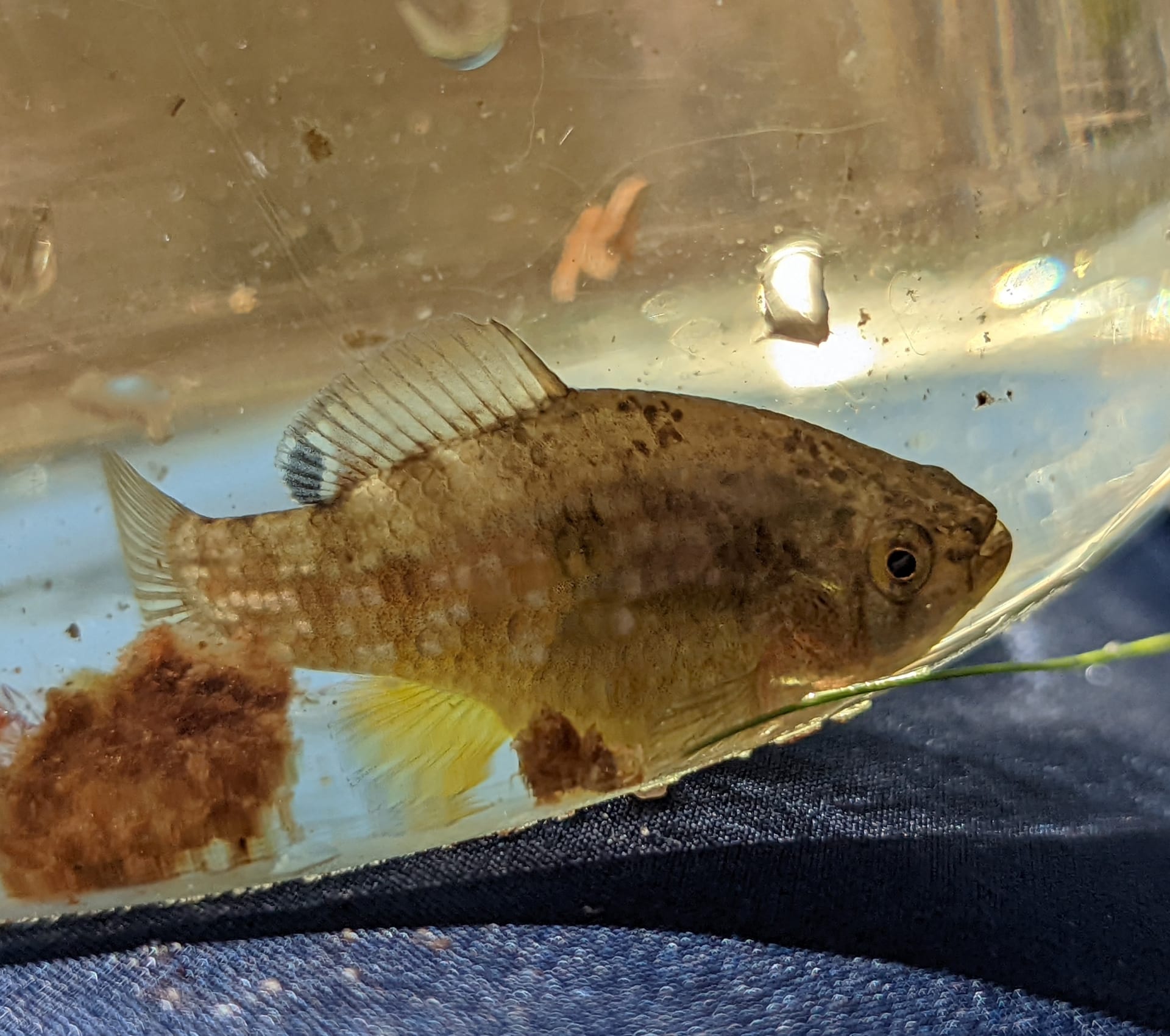
A large livebearer whose males raise a huge sail-like dorsal fin. Endemic to the Yucatan peninsula of Mexico, it needs hard alkaline water and weakens in soft water.
Difficulty
Intermediate
Temperature
22〜28℃
Lifespan
4-6 years
Size
About 15cm
Diet
Prepared foods, frozen foods, vegetable matter such as blanched spinach or cucumber
About
Poecilia velifera is a livebearer endemic to the Yucatan peninsula of southeastern Mexico that also enters brackish water. FishBase gives a total length of 15.0cm and Seriously Fish a standard length of 150mm. Males carry a tall, sail-like dorsal fin that they spread in display. That fin fails to develop fully in small or overcrowded tanks, so Seriously Fish advises as large an aquarium as possible and suggests 91 x 38cm, about 104 litres. Its water requirements are specific: moderately hard or harder water with a basic pH is essential. In soft or acidic water it weakens quickly, showing shimmying, fungus or clamped fins. Salt is not required; what matters are hardness minerals such as calcium and magnesium. It is a livebearer with a gestation of four to eight weeks, producing 20 to 60 young typically and up to 200. Because its range is confined to the peninsula, the IUCN assessed it as Vulnerable in 2018.
Source: Wikipedia (CC BY-SA 4.0)
Lifespan of the Sailfin Molly
The Sailfin Molly lives 4-6 years.
Size of the Sailfin Molly
The Sailfin Molly grows to About 15cm.
Temperature & humidity for the Sailfin Molly
The ideal temperature for the Sailfin Molly is 22〜28℃.
Basic Info
Origin
Central America (southeastern Mexico, Yucatan peninsula)
Lifespan
4-6 years
Care Specifications
- pH
- 7–8.5
- Hardness (GH)
- 15–35 dGH
- Water Temp.
- 22–28℃
- Min. Tank
- 104 L
PeacefulGroupBreeding: Moderate
Sources: FishBase / Seriously Fish
References & Sources
Edited & verified by: BreederDirect editorial team
The taxonomic, regulatory, and husbandry data on this page are compiled and verified against the authoritative primary sources below.
Taxonomy & Authority
Accepted name: Poecilia velifera (Regan, 1914)
Synonyms: Mollienisia velifera
Authority databases: FishBase
Nomenclature follows global taxonomic authority databases.
Regulations & Conservation Status
Not CITES-listedIUCN VU · Vulnerable
Sources: CITES Appendices (species not listed) / IUCN Red List
Regulations may change. Always verify the latest information with the relevant authorities.
Sailfin Molly Listings
Loading latest listingsFind listings for this species