Complete Guide to Platy and Molly Breeding | The Mechanics of Livebearing and Practical Techniques for Fry Protection
A comprehensive guide to the breeding ecology, fry protection, and management methods of platies and mollies. Introduces practical techniques for identifying pregnancy, protecting fry using breeding boxes, aquatic plants, and dedicated tanks, from initial feeding to growth management and preventing overpopulation.
Key Takeaways
A comprehensive guide to the breeding ecology, fry protection, and management methods of platies and mollies. Introduces practical techniques for identifying pregnancy, protecting fry using breeding boxes, aquatic plants, and dedicated tanks, from initial feeding to growth management and preventing overpopulation.
Basic Profile of Platies and Mollies
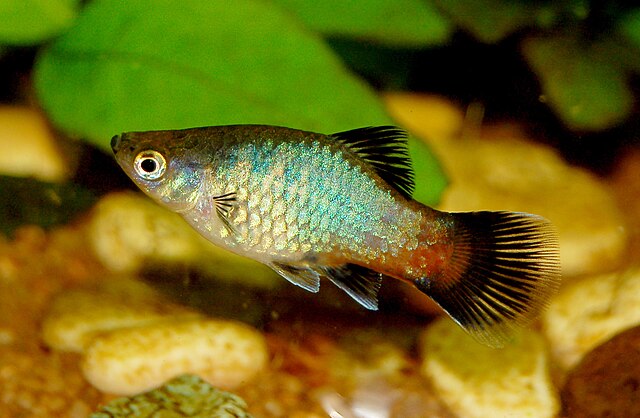
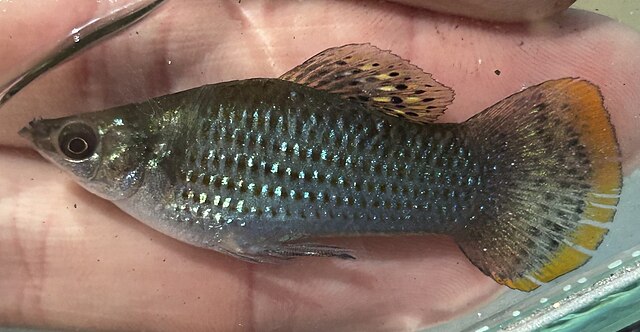
Both platies and mollies are popular tropical fish belonging to the livebearer family (Poeciliidae). Since they are livebearers that give birth to fully-formed fry, they have the advantage of not requiring spawning beds or hatching management. This article provides detailed explanations of the breeding ecology, fry protection, and management tips for both species.
✍️
BreederDirect Editorial
The BreederDirect editorial team specializes in care information for animals, covering veterinary care and breeding to deliver beginner-friendly guides.
Find Tropical Fish on BreederDirect
Buy directly from verified breeders
Browse Related Listings
Find Tropical Fish listings related to this article on BreederDirect. Buy directly from verified breeders.
Gestation Period: Approximately 28-32 days (at 25°C water temperature)
Fry Count: 10-80 fry per birth (more in fully mature females)
Sexual Maturity: Approximately 3-4 months after hatching
Characteristics of Mollies
Scientific Name: Poecilia sphenops (Shortfin Molly), P. latipinna (Sailfin Molly)
Size: Males 5-7 cm, Females 7-10 cm (mollies are slightly larger)
Gestation Period: Approximately 28-35 days (at 25°C water temperature)
Fry Count: 20-100 fry per birth
Special Note: They have some salt tolerance and can be kept in brackish water.
Breeding Mechanisms and Breeding Management
The Mechanics of Livebearing
In both platies and mollies, fertilization occurs internally, and eggs develop and hatch within the mother's body, with fully-formed fry being born. Once a female has been bred, she has the ability to store sperm in her body (sperm storage), allowing her to give birth 2-3 times even if separated from the male.
Important: If you want to maintain pure bloodlines, even if a female is separated after being housed with a male, sperm from other lineages may already have been used. Maintaining pure bloodlines requires separating them into different tanks from the start.
How to Identify Pregnancy
The key points to check for female pregnancy are as follows.
Abdominal Swelling
As pregnancy progresses, the abdomen becomes increasingly rounded. Particularly in the 1-2 weeks before giving birth, the abdomen becomes noticeably larger.
Gravid Spot (Dark Spot)
A dark spot (gravid spot) becomes visible at the rear of the abdomen (near the anus). This is the eyes of the developing fry showing through. When this spot becomes darker and larger, it's a sign that birth is imminent.
Behavioral Changes
Just before giving birth, movement becomes sluggish, and she tends to stay still near the water's surface or in the corners of the tank.
Methods for Protecting Fry
The biggest challenge with livebearing fish is "predation of fry by parent fish." In particular, platies and mollies are voracious eaters and actively consume newly born fry.
Method 1: Breeding Box (Floating Trap)
A commercial breeding box is floated in the tank. When the female gives birth, the fry automatically fall into the separated compartment below.
Pros: Easy to use, low cost, minimal water quality changes
Cons: The confined space causes stress to the mother fish. Keeping her in too long can weaken her.
Tips for Use:
- Place her in when the gravid spot becomes very prominent (too early is counterproductive)
- Return the mother fish to the original tank within 48 hours of giving birth
- Transfer fry to a separate rearing tank (10-20L) once they begin swimming
Method 2: Natural Hiding with Aquatic Plants
Placing large amounts of dense aquatic plants such as willow moss, riccia, and water sprite increases fry survival rates.
Pros: Natural environment, minimal maintenance
Cons: Survival rate is approximately 50-60% (lower than with a breeding box)
Recommended Plants: Willow moss (attach to driftwood or rocks), Giant riccia (float on the water surface), Amazon frogbit
Method 3: Dedicated Fry Tank
This is the most reliable method. Move the pregnant female to a dedicated tank (10-20L) before giving birth, and raise the fry directly in this tank.
Fry Tank Setup:
- Size: 10-20L (too small results in unstable water quality)
- Filter: Sponge filter (prevents fry from being sucked in)
- Water Temperature: Same as parent tank (around 26°C)
- Food: Brine shrimp nauplii for the first 1-2 days after hatching, then finely crushed flake food or specialized fry food
How to Raise Fry and Manage Growth
Initial Feeding (First 1-2 Weeks)
Fry develop sufficiently by the time of hatching, so they swim independently and eat immediately after birth.
Foods Suitable for the First Two Weeks:
1. Brine Shrimp Nauplii: Highly nutritious and optimal for fry development. Ideally hatch and feed fresh daily.
2. Infusoria (Paramecia): Extremely small organisms, effective for fry unable to eat larger foods.
3. Commercial Fry Food (Powder Type): Such as "Tetra MinFlakes (finely crushed)" and "Growth Food."
Feeding Based on Growth Stage
2 weeks to 1 month: Finely crushed flake food 3-4 times daily in small amounts
1-3 months: Transition to adult food. Feeding brine shrimp 1-2 times weekly improves coloration.
Water Changes and Water Quality Management
Fry tanks have small water volume and water quality changes easily.
20% water change daily or every other day
Dechlorinator is essential
Perform immediate water change if ammonia or nitrite is detected
Keep water temperature changes to 1°C or less per day
What to Do When Fry Numbers Become Excessive
Platies and mollies have vigorous reproductive capacity, and the tank can become overstocked if left unmanaged.
Prevention Strategies
Separate Males and Females: If you don't want breeding, keep only males or only females.
Limit Fry Production: Intentionally lower survival rates by using only plants without a breeding box.
Early Sex Separation: Separate males into different tanks at the juvenile stage to manage numbers.
Dealing with Excess Fry
Sell on Breeder Marketplace, Mercari, or Yahoo Auctions: Buyers are available if the variety is well-established.
Bring to Aquarium Shop: Buyback prices are low but reliable for disposal.
Find Foster Homes in Local Aquarium Community: Search for adopters via social media or local community groups.
Breeding platies and mollies doesn't require difficult techniques, but careful planning of fry protection and population management is the key to long-term success. Decide in advance "how many you want to produce" before starting your breeding program.