Platy and Molly Care and Breeding Guide | The Appeal and Varieties of Livebearing Fish
Learn about platy and molly care methods and breeding techniques. Introduction to popular varieties, proper water conditions and care environments, raising fry, and notes on keeping with other fish.
Key Takeaways
Learn about platy and molly care methods and breeding techniques. Introduction to popular varieties, proper water conditions and care environments, raising fry, and notes on keeping with other fish.
Related Species
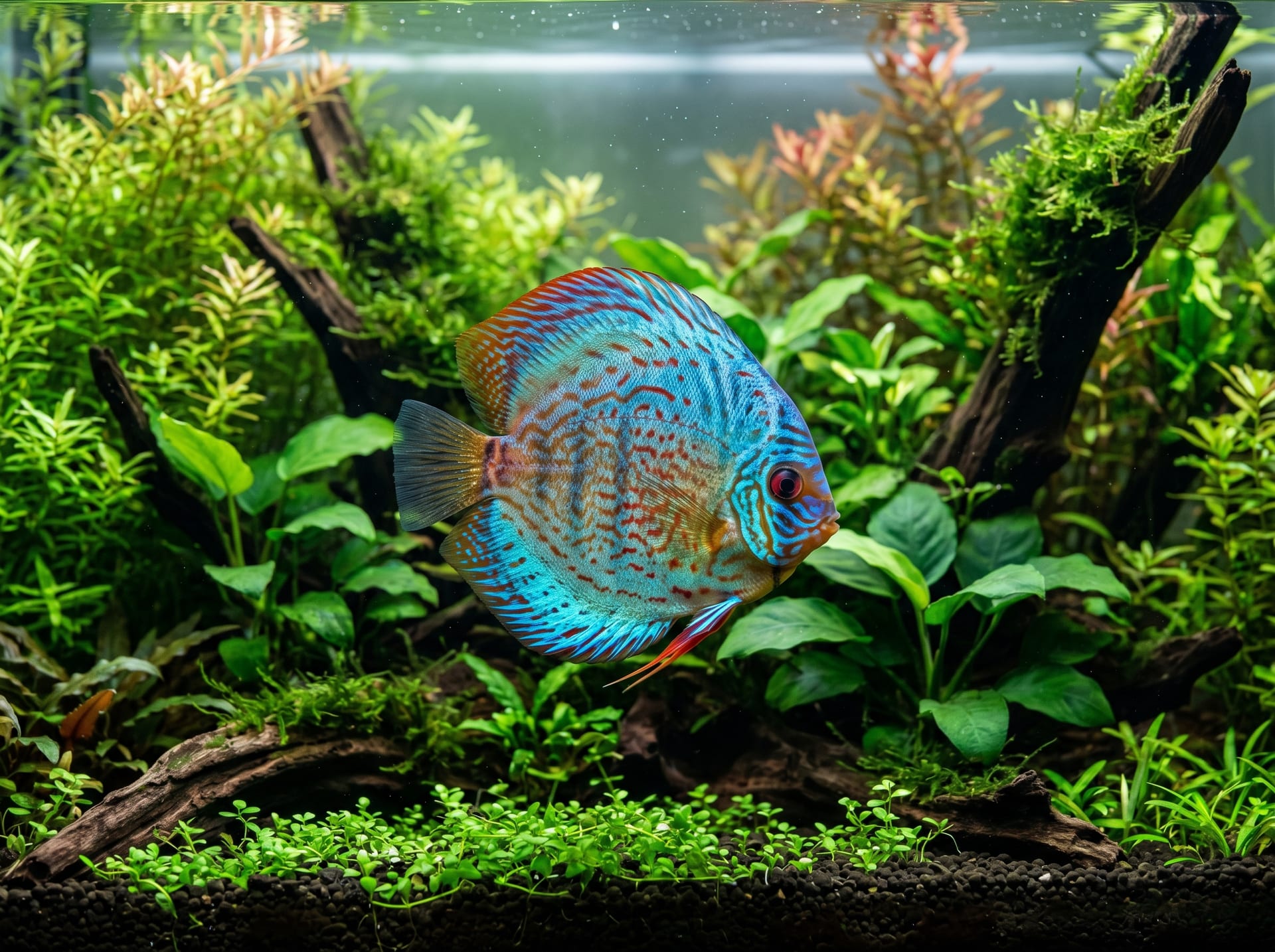
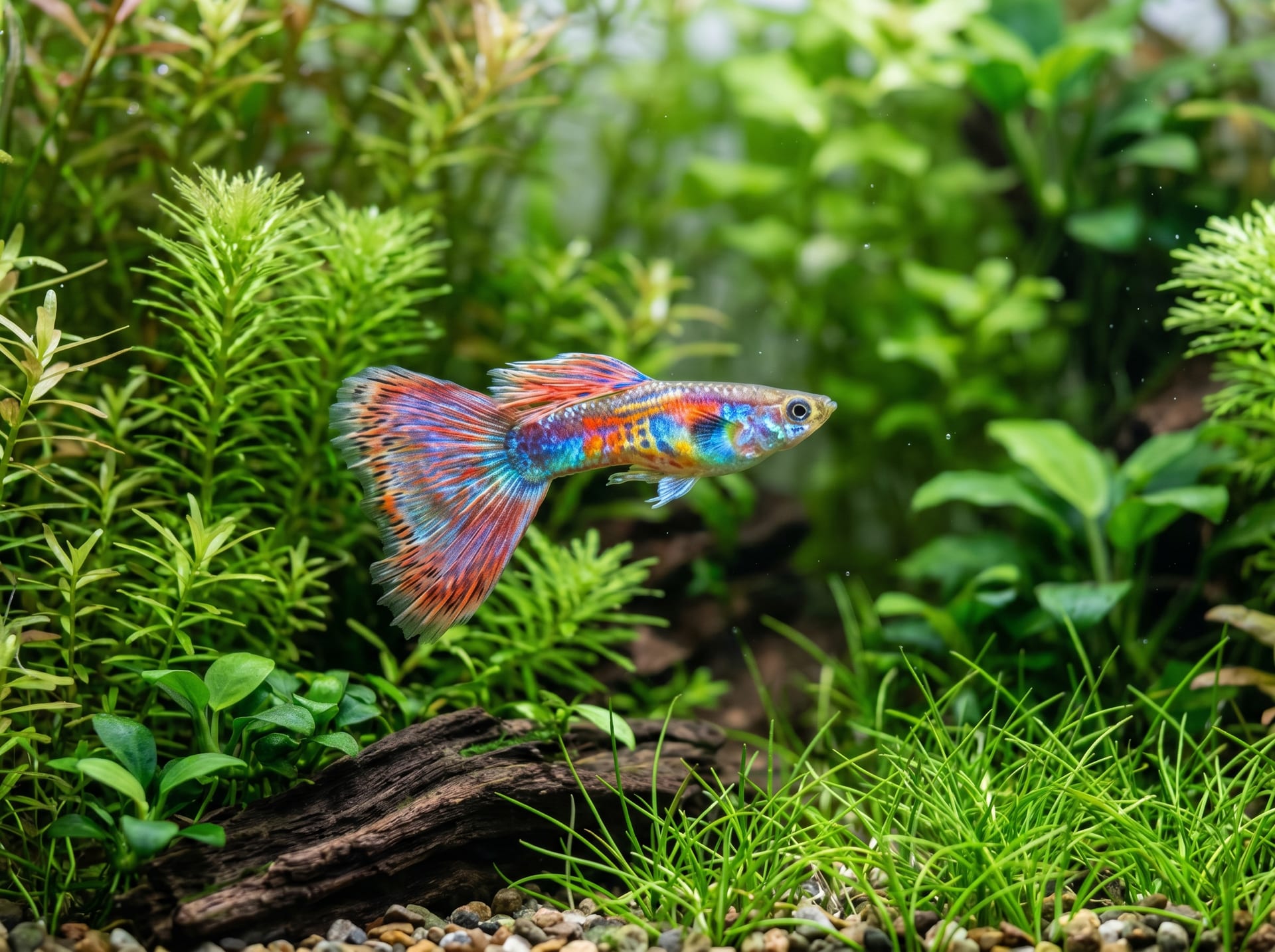
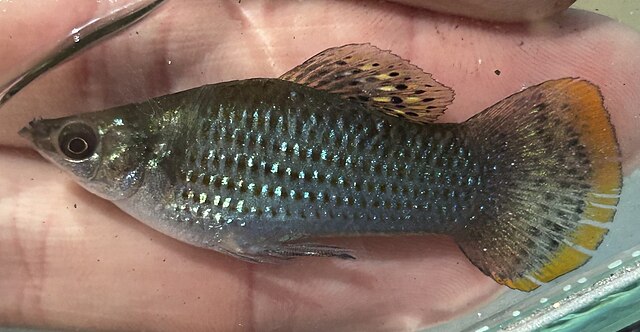
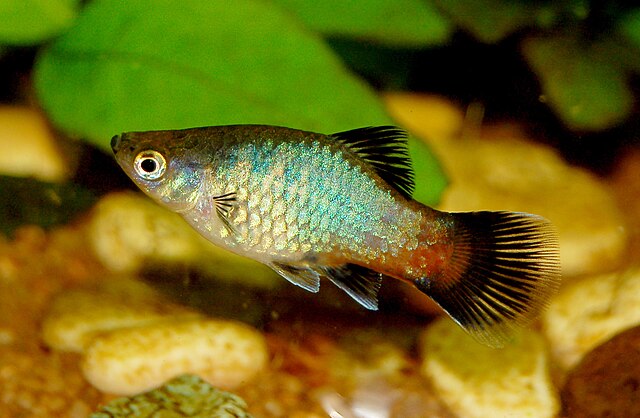
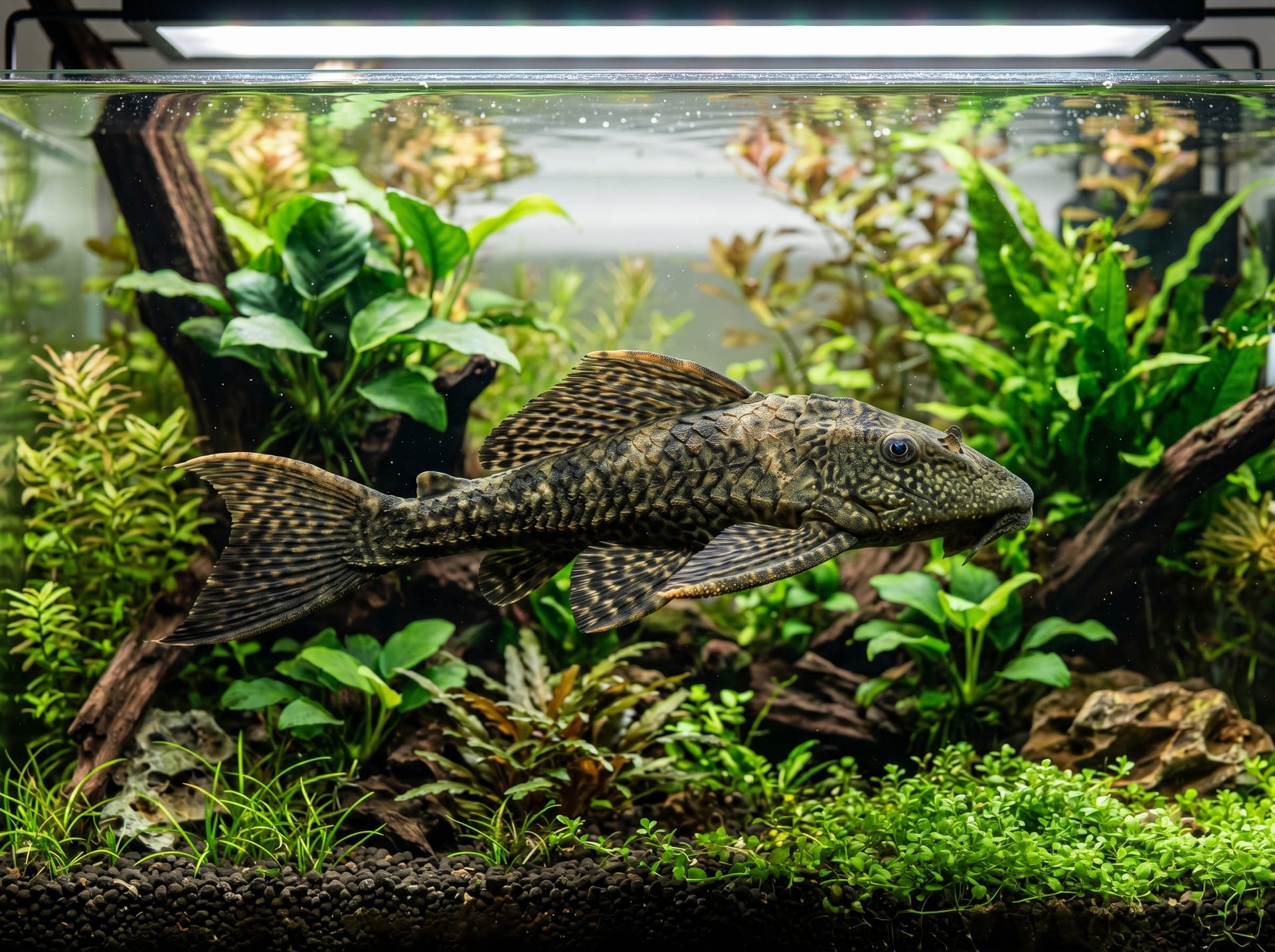
Platies and mollies, along with guppies, are livebearing fish beloved by a wide range of aquarists from beginners to advanced hobbyists. They are popular for their vibrant body color variations, hardy and easy-to-keep nature, and the enjoyment of breeding easily within the aquarium. The "livebearing" reproductive method—giving birth to fry directly rather than eggs—requires no egg management and lowers the breeding barrier, making these species ideal for experiencing fish breeding for the first time. This article provides a comprehensive guide to platy and molly care, from the basics to breed introductions and breeding tips.
Characteristics and Varieties of Platies and Mollies
Platies are small fish measuring 4–6 cm in length, characterized by a stocky body shape. Their native range is Mexico to Central America, and selective breeding has produced a diverse array of body colors. Mollies are somewhat larger than platies, reaching 6–12 cm in length. Mollies are a species that inhabit brackish waters and tend to prefer higher pH and hardness than platies.
| Item | Platy | Molly |
|---|---|---|
| Scientific Name | Xiphophorus maculatus | Poecilia sphenops / P. latipinna / P. velifera |
| Body Length | 4–6 cm | 6–12 cm |
| Representative Varieties | Mickey Mouse Platy (with a Mickey Mouse-like pattern at the base of the tail), Red Platy, Sunset Platy, Tuxedo Platy, Blue Coral Platy | Black Molly, Dalmatian Molly, Balloon Molly, Sailfin Molly (dorsal fin is large like a sail) |
Black Mollies are also known for their algae-eating ability and are valued as cleanup crew members in planted aquariums.
Tank Setup and Water Chemistry Basics
While both platies and mollies are relatively hardy, establishing proper conditions allows you to keep them healthy for a long time.
| Item | Guideline |
|---|---|
| Tank Size | Can be kept in a 30 cm tank (12 L); 45 cm tank (30 L) or larger is recommended if breeding is planned |
| Water Temperature | 24–28°C (heater installation required) |
| pH | Platy 7.0–8.0, Molly 7.5–8.5 (both prefer slightly alkaline water) |
| Hardness | GH 8–15°dH (prefer slightly higher hardness) |
| Filter | Undergravel or sponge filters are sufficient |
| Substrate | Coarse sand or coral sand (soil is unsuitable as it tends toward acidity) |
Since tap water in many regions of Japan has a pH around 7, adding a small amount of coral sand to the filter can raise the pH appropriately. Mollies are particularly sensitive to hardness, and they tend to become ill when kept in soft water. As the population increases through breeding, water becomes fouled more quickly, so be sure to provide adequate filtration capacity.
Breeding Basics and Fry Management
Breeding livebearing fish is very easy—if males and females are kept together, they will breed naturally. The way to distinguish males from females is by the shape of the anal fin.
| Sex | Anal Fin Characteristics |
|---|---|
| Male | Transformed into a gonopodium, a thin rod-like copulatory organ |
| Female | Normal fan shape |
Pregnant females have a visibly swollen belly, and a dark shadow called the "pregnancy mark" appears near the anus. The gestation period is approximately 28 days, and a female produces 20–60 fry per birth. The important thing to watch for is that the parents may eat the fry. Here are methods to increase fry survival rate:
- Isolate the female in a breeding box to give birth
- Plant aquatic plants densely to create hiding places for the fry (dense growths of willow moss or water sprite make ideal refuges for fry)
Fry swim around immediately after birth and can eat commercially available powdered fry food or brine shrimp. They grow rapidly, reaching adult size in 3–4 months and becoming capable of breeding.
Compatibility Notes and Compatible Fish Species
Platies and mollies have gentle temperaments and can be kept with many other fish.
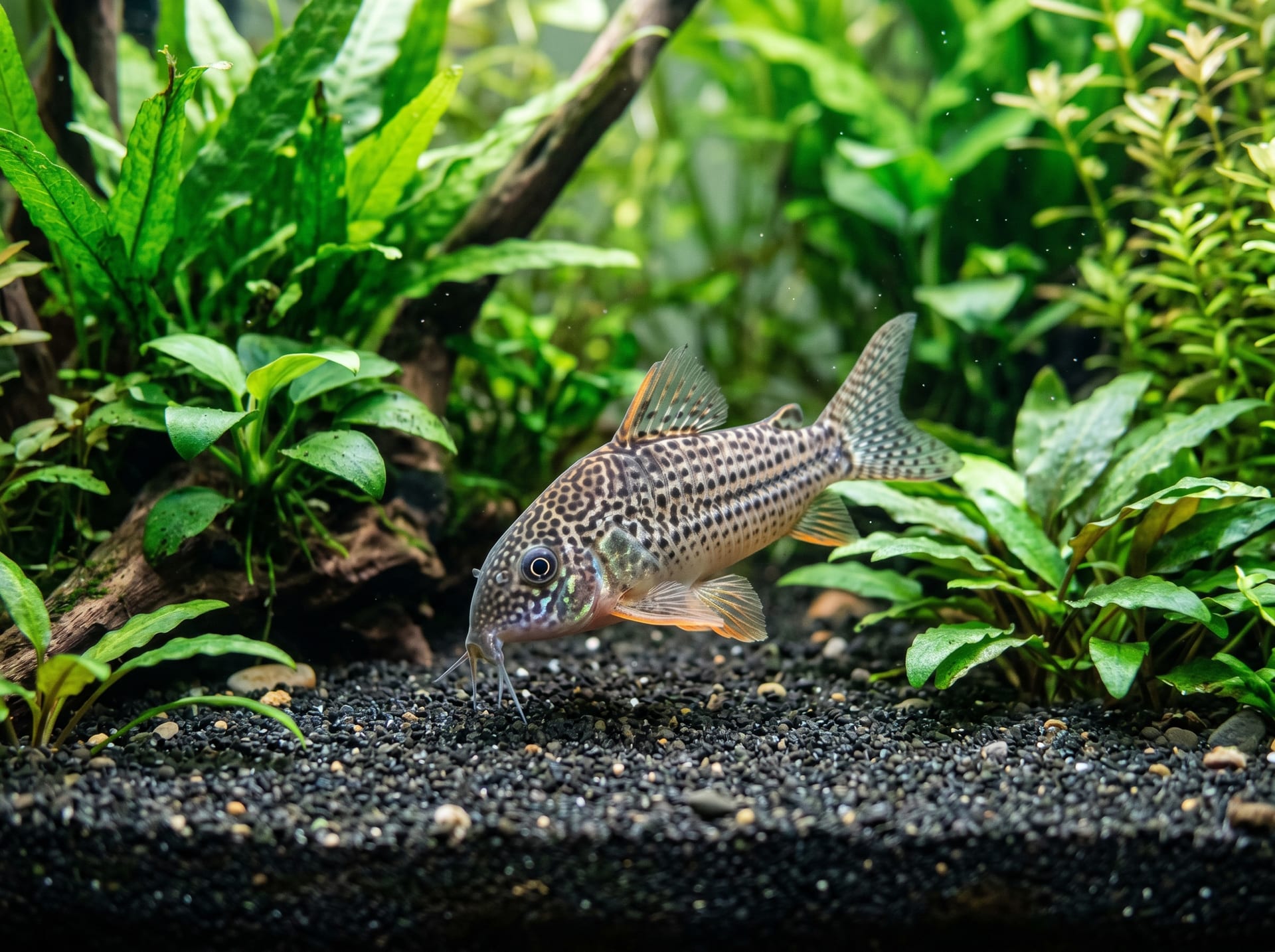
- Compatible fish: Tetras, Corydoras, Plecos, Rasboras, Gouramis
- Other livebearing fish: Guppies, Swordtails (however, there is a risk of hybridization between related species, and particularly platies and swordtails hybridize easily as they are both in the genus Xiphophorus, so keep them separate if you want to maintain breed purity)
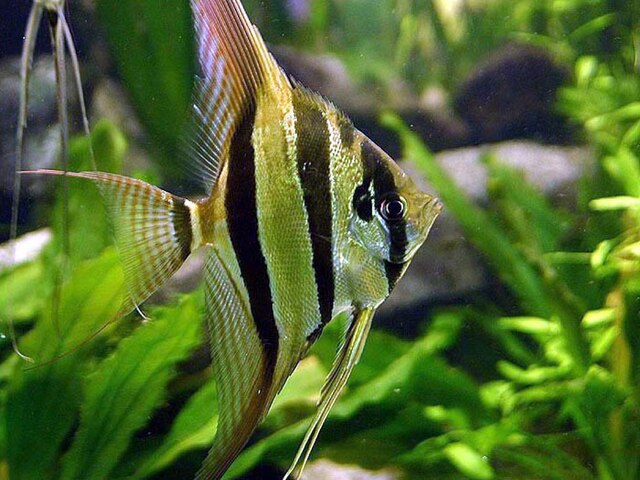
- Fish to be cautious with: Large cichlids such as Angelfish (fry may be eaten), Tiger Barbs (fin nippers)
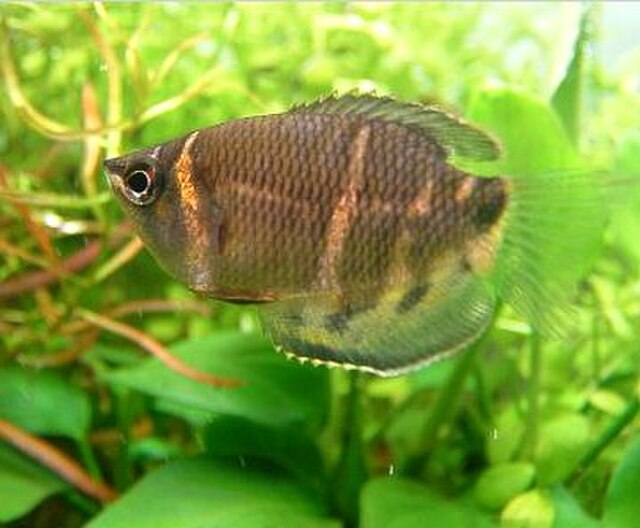
- Species not recommended for keeping together: Discus, Chocolate Gourami and other species that prefer acidic water (different water parameter preferences)
Male mollies can be somewhat aggressive and may squabble with each other. Keeping a ratio of one male to two or three females distributes stress among the females and keeps the population stable.
Common Diseases and Health Management
Here are common diseases in platies and mollies and how to treat them:
| Disease | Symptoms | Cause and Treatment |
|---|---|---|
| Ich | Early symptoms include tiny white spots on the body, and the fish may be seen rubbing against rocks or glass | Often triggered by sudden temperature changes. Raise water temperature to 30°C and treat with 0.5% salt bath or methylene blue medication |
| Cotton Mouth (Columnaris) (specific to mollies) | White cotton-like growths appear on the mouth or body; rapid progression makes early detection crucial | Poor water quality is the main cause. Prevention is possible by increasing the frequency of water changes |
| Digestive upset and swim bladder problems (Swim bladder disease) | More common in selectively bred body types like Balloon Mollies | Caused by compression of digestive organs. Prevent by feeding small amounts several times, avoiding large meals at once |
Overall, maintaining proper water parameters and temperature, and avoiding overcrowding, is the best prevention against disease.
Welcome Platies and Mollies to BreederDirect
Platies and mollies are versatile tropical fish that can be easily kept and bred. On BreederDirect, you can purchase rare varieties and high-quality individuals directly from breeders, and get detailed advice on breed characteristics and breeding techniques. We encourage you to explore the world of selective breeding, pursuing your own unique color variations.