Source: Wikimedia Commons
Forktail Blue-eye
IntermediatePseudomugil furcatus
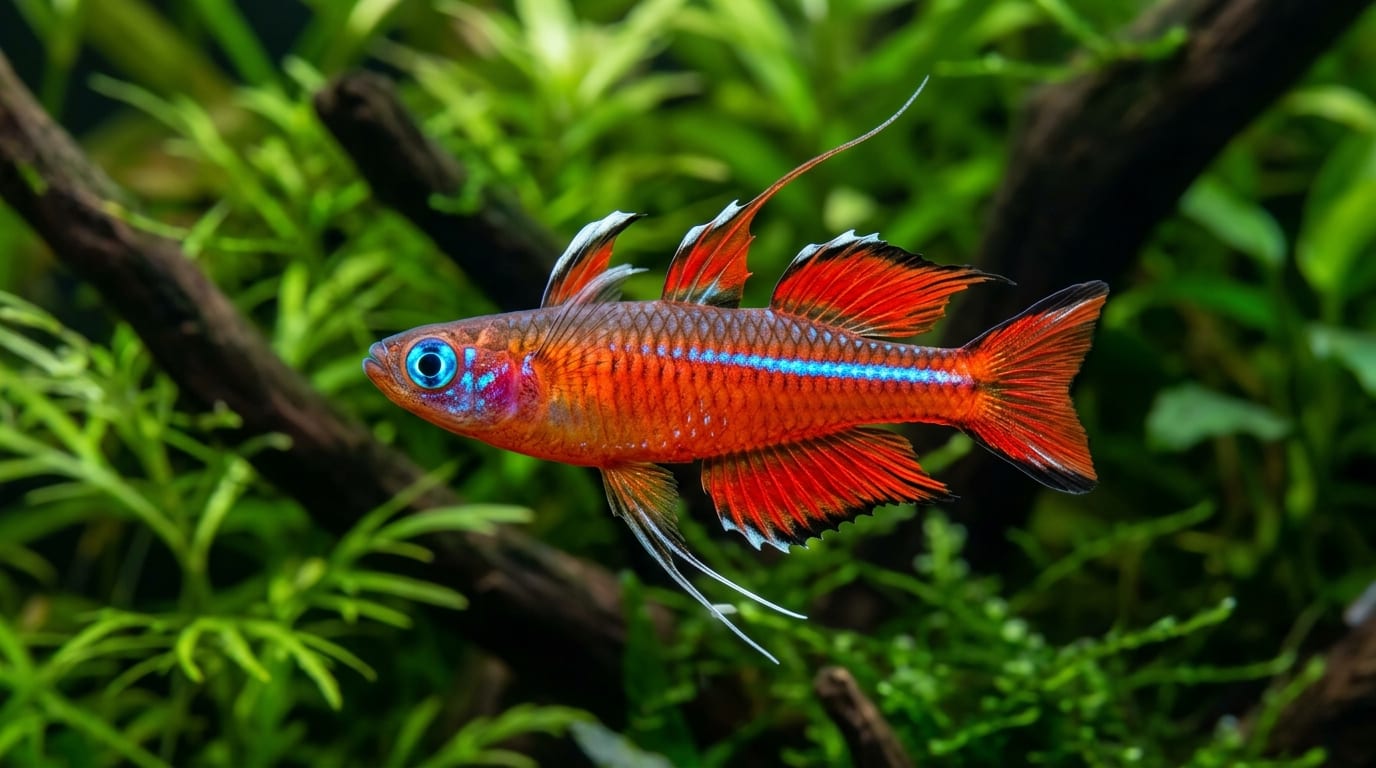
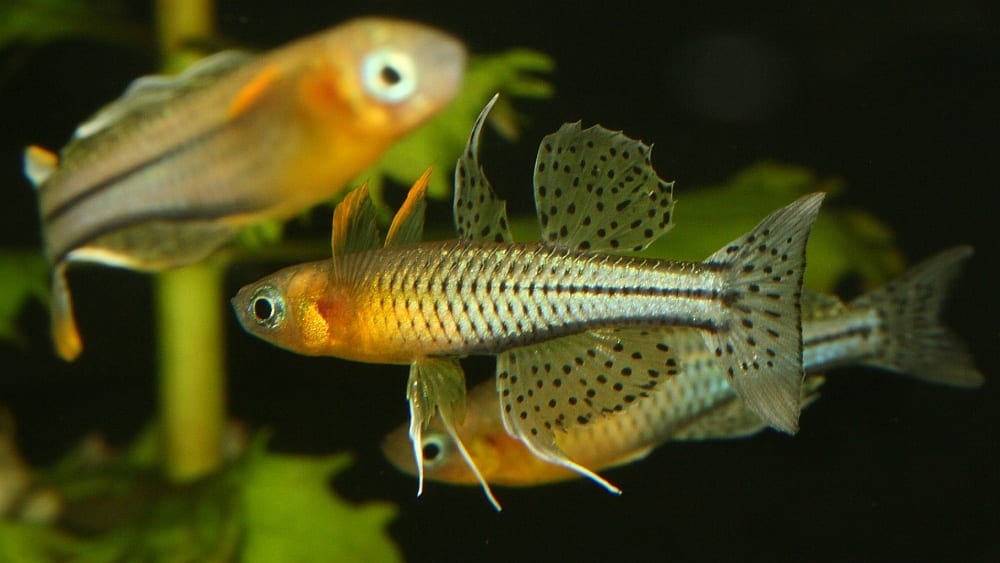
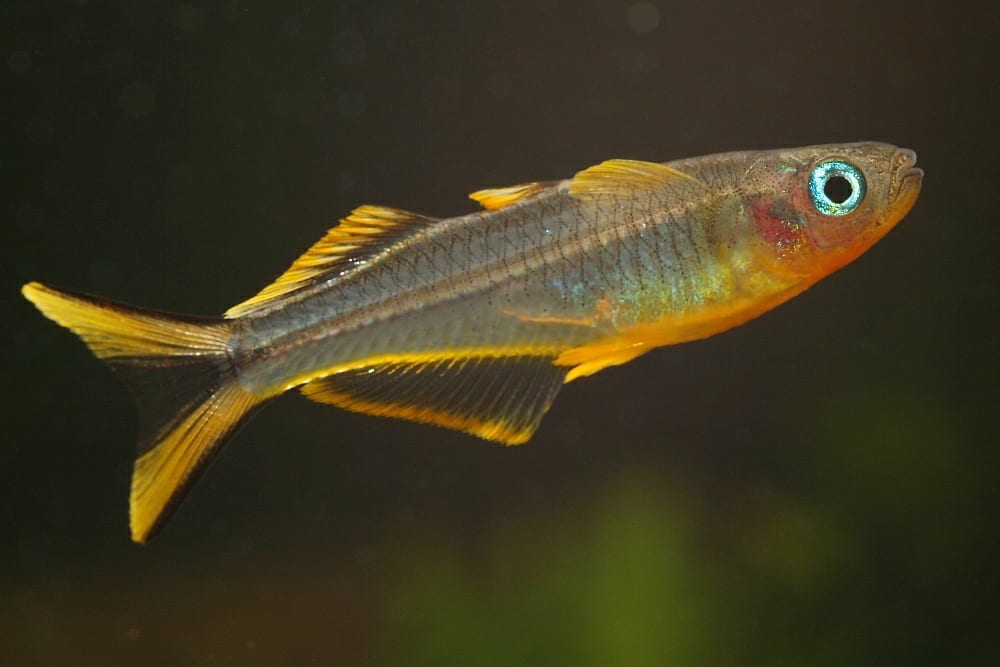
A small blue-eye with yellow-edged dorsal and anal fins and a deeply forked tail, from a restricted area of eastern Papua New Guinea. Males display to each other with fins spread, which is much of its appeal.
Difficulty
Intermediate
Temperature
24〜28℃
Lifespan
3-5 years
Size
Up to 5cm SL (male)
Diet
Small dried foods and live or frozen brine shrimp and daphnia
About
Pseudomugil furcatus is a small blue-eye confined to lowland rainforest streams of eastern Papua New Guinea between Dyke Ackland Bay and Collingwood Bay. FishBase records a maximum of 5cm SL for males and 4cm for females, pH 6.0-8.0, 5-12 dH and 24-26C. Seriously Fish gives 6cm SL, 24-28C, pH 7.0-8.0, 15-30 dGH and a 60 x 30cm base, and recommends groups of at least eight to ten. Allen erected the genus Popondetta for the species in 1980, which is the origin of its Japanese trade name; it has since been returned to Pseudomugil. It is an egg scatterer with no parental care and will eat its own eggs and fry. The IUCN lists it as Data Deficient and it is not covered by CITES.
Source: Wikipedia (CC BY-SA 4.0)
Lifespan of the Forktail Blue-eye
The Forktail Blue-eye lives 3-5 years.
All aquarium stock is believed to descend from a single collection, and inbreeding effects such as reduced fertility and lifespan are reported.
Size of the Forktail Blue-eye
The Forktail Blue-eye grows to Up to 5cm SL (male).
Temperature & humidity for the Forktail Blue-eye
The ideal temperature for the Forktail Blue-eye is 24〜28℃.
Basic Info
Origin
Eastern Papua New Guinea (lowlands between Dyke Ackland Bay and Collingwood Bay)
Lifespan
3-5 years
Care Specifications
- pH
- 7–8
- Hardness (GH)
- 15–30 dGH
- Water Temp.
- 24–28℃
PeacefulGroupBreeding: Moderate
Sources: FishBase / Seriously Fish
References & Sources
Edited & verified by: BreederDirect editorial team
The taxonomic, regulatory, and husbandry data on this page are compiled and verified against the authoritative primary sources below.
Taxonomy & Authority
Accepted name: Pseudomugil furcatus Nichols, 1955
Synonyms: Popondetta furcata, Popondichthys furcatus
Authority databases: FishBase
Nomenclature follows global taxonomic authority databases.
Regulations & Conservation Status
Not CITES-listedIUCN DD · Data Deficient
Sources: CITES Appendices (species not listed) / IUCN Red List
Regulations may change. Always verify the latest information with the relevant authorities.
Forktail Blue-eye Listings
Loading latest listingsFind listings for this species