German Blue Ram Care Guide | Water Quality, Breeding, Tank Mates, and Feeding Explained
A comprehensive guide to German Blue Ram (Ramirezi) care. Learn everything from delicate water quality management, pair identification, spawning, fry rearing, and compatible tank mates for long-term care of this South American dwarf cichlid.
Key Takeaways
A comprehensive guide to German Blue Ram (Ramirezi) care. Learn everything from delicate water quality management, pair identification, spawning, fry rearing, and compatible tank mates for long-term care of this South American dwarf cichlid.
Related Species
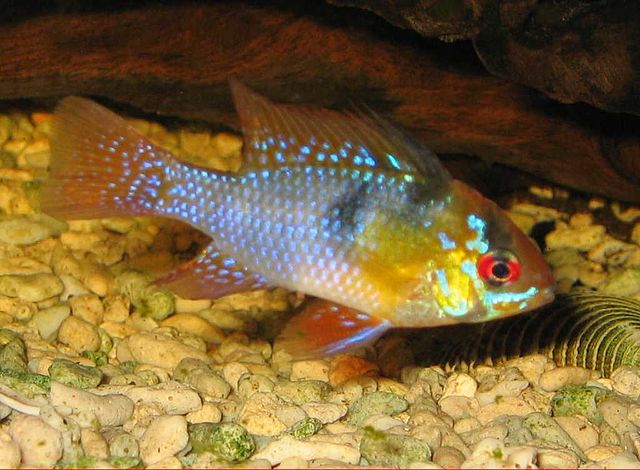
The German Blue Ram (Mikrogeophagus ramirezi cultivated variety) is a tropical fish developed from South American dwarf cichlids, characterized by brilliant jewel-like metallic blue scales. Also called Ramirezi, they are prized for their breeding behavior, including pair bonding and parental care. However, they are extremely sensitive to water quality, making proper environmental conditions the key to long-term success.
German Blue Ram Basic Information
| Item | Details |
|---|---|
| Scientific name | Mikrogeophagus ramirezi var. |
| Origin | Venezuela and Colombia (wild type), though most specimens in trade are captive-bred from Southeast Asia |
| Size | 5–7 cm (females), 6–8 cm (males) |
| Lifespan | 2–3 years (up to 4 years with proper care) |
| Temperament | Peaceful to mildly territorial (especially after pair bonding) |
| Care difficulty | ★★★☆☆ (intermediate with proper water management) |
Water Quality Management: The Critical Factor
German Blue Rams are extremely sensitive to water parameter fluctuations. Nitrate accumulation and high pH in particular will shorten their lifespan, making poor water quality the leading cause of early mortality.
Target Water Parameters
| Parameter | Target Range |
|---|---|
| Temperature | 27–30°C (warmer is better—critical) |
| pH | 5.5–7.0 (soft water, slightly acidic) |
| General hardness (GH) | 1–8°dH |
| Carbonate hardness (KH) | 1–4°dH |
| Nitrate | Below 10 mg/L |
| Ammonia/Nitrite | 0 |
Low water temperatures suppress immunity, making white spot disease and bacterial infections more common. Maintain a minimum of 27–28°C.
Methods for Softening Water
Tap water in Japan typically has a pH of 7–8, which is unsuitable for German Blue Rams. The following methods effectively soften water:
- RO water (reverse osmosis): Most reliable. Adjust mineral content to achieve desired hardness.
- Peat moss filter: Adding peat moss to your filter releases tannins, naturally creating soft, slightly acidic water.
- Blackwater additives: Convenient commercial blackwater conditioning products adjust pH and color.
- Driftwood and almond leaves: Tannins leach from natural materials, gradually softening and acidifying the water.
Tank Layout and Equipment
German Blue Rams are not highly territorial, so they can be kept in small to medium tanks. However, for pair breeding or community tanks, 60 cm or larger is recommended.
Layout Tips
- Substrate: Use sand (fine sand, river sand, or black sand) that suits soft water conditions. Light-colored substrates can cause fading of body color.
- Hiding places: Driftwood caves, terracotta pots, and cave-like decorations serve as spawning sites and reduce stress.
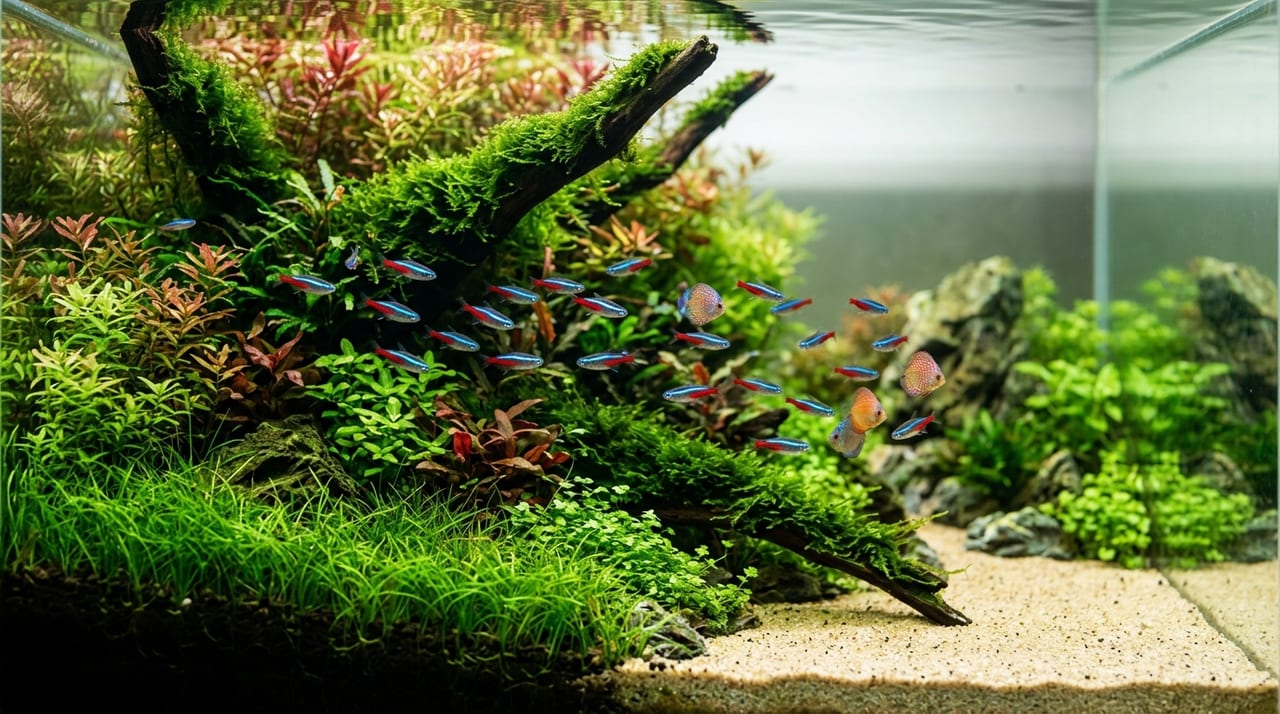
- Aquatic plants: Low-light plants such as Amazon swords, Anubias, and Microsorum create a natural environment.
- Bottom space: Rams are bottom dwellers that prefer the substrate area, so prioritize horizontal tank space in your layout.
Distinguishing Males from Females
Proper pair matching is essential for breeding. Use these identifying features:
Male Characteristics
- Larger body size and more vibrant coloration than females (especially darker blue on dorsal fin)
- The 3rd–4th dorsal fin rays often extend thread-like
- Black spots on the body are typically smaller on the flank
Female Characteristics
- The belly area (around the abdomen) takes on a pinkish-red tint when mature
- Overall smaller body size than males
- Dorsal fin is pointed but does not extend thread-like
Feeding
German Blue Rams are omnivorous and prefer protein-rich foods.
Recommended Foods
- Dry pellet feed (cichlid pellets, Tetra Color, etc.): Primary nutrition source. Sinking small pellets are ideal.
- Frozen brine shrimp: High palatability; excellent for conditioning before breeding.
- Frozen bloodworms (Chironomid larvae): Best feeding response and color enhancement, but overfeeding causes water quality issues.
- Sinking tablets: Matches their natural bottom-feeding behavior.
Feed 2–3 times daily, offering only what can be consumed within 5 minutes. Remove uneaten food immediately to maintain water quality.
Tank Mates
Their peaceful nature allows them to coexist with many species, but territorial behavior intensifies during breeding, requiring caution.
Compatible Tank Mates
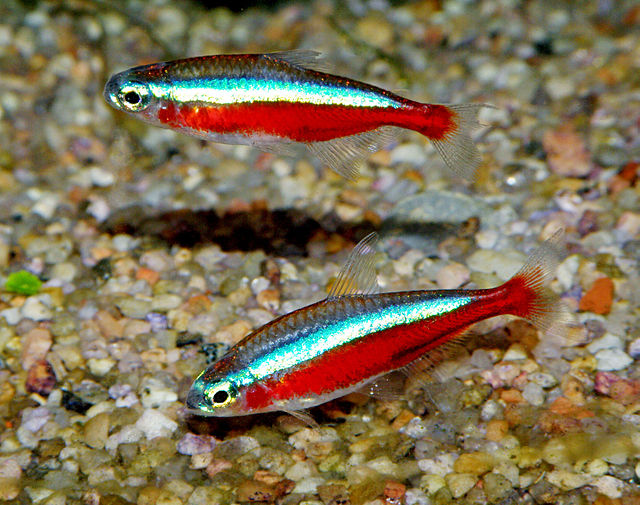
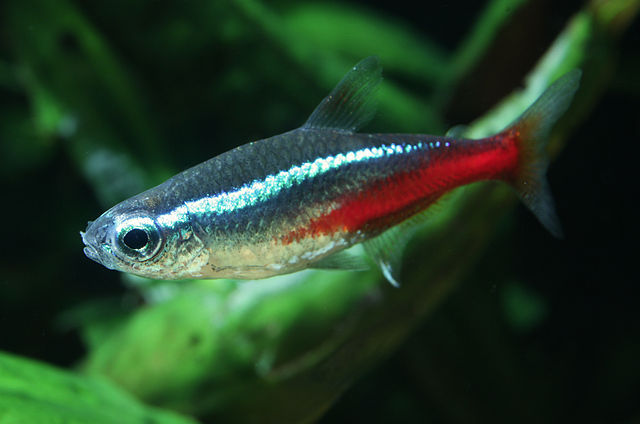
- Tetras (Neon Tetras, Cardinal Tetras): Similar water requirements; classic pairing.
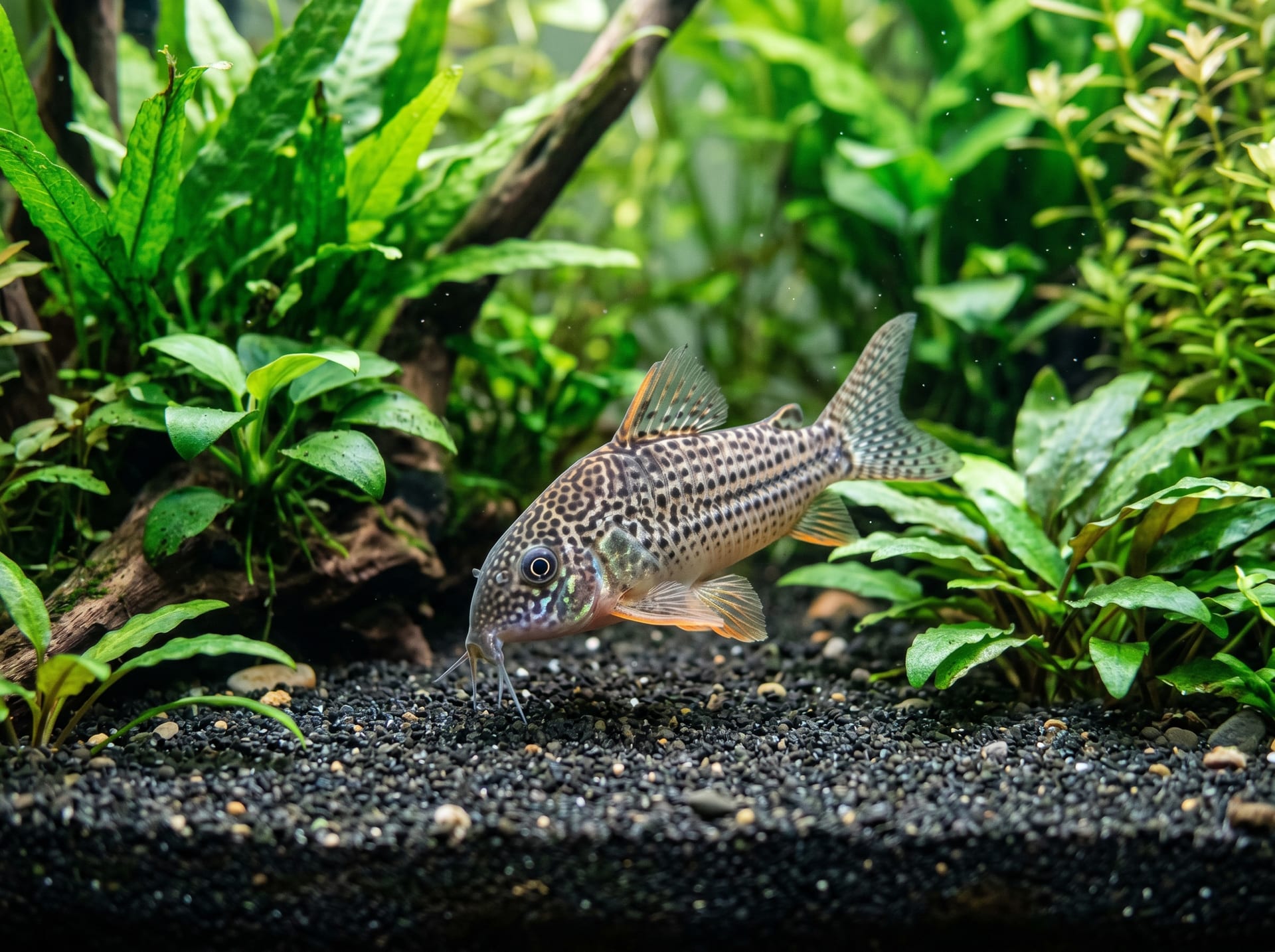
- Corydoras catfish: Both occupy the bottom zone but are peaceful; rarely problematic.
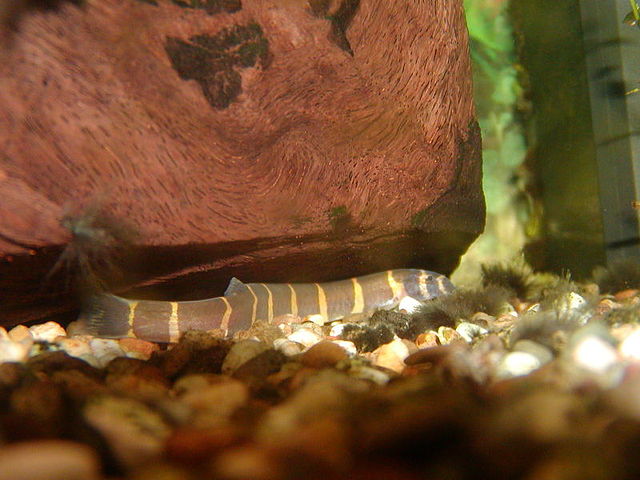
- Kuhli loaches and dojo loaches: Docile with minimal conflict.
- Small Rasboras and halfbeaks: Occupy upper water columns, avoiding competition with Rams.
Incompatible Tank Mates
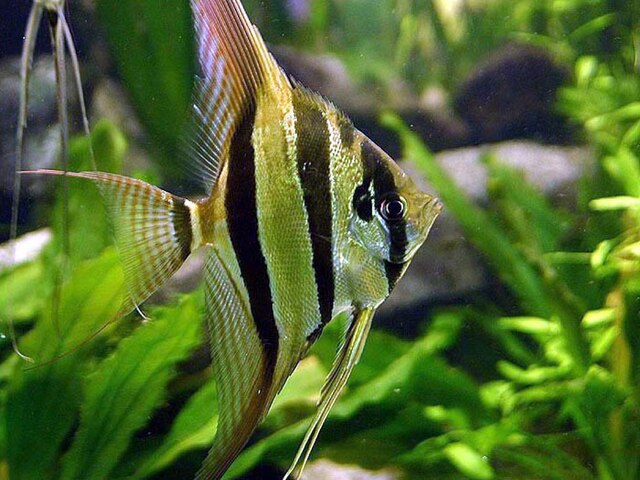
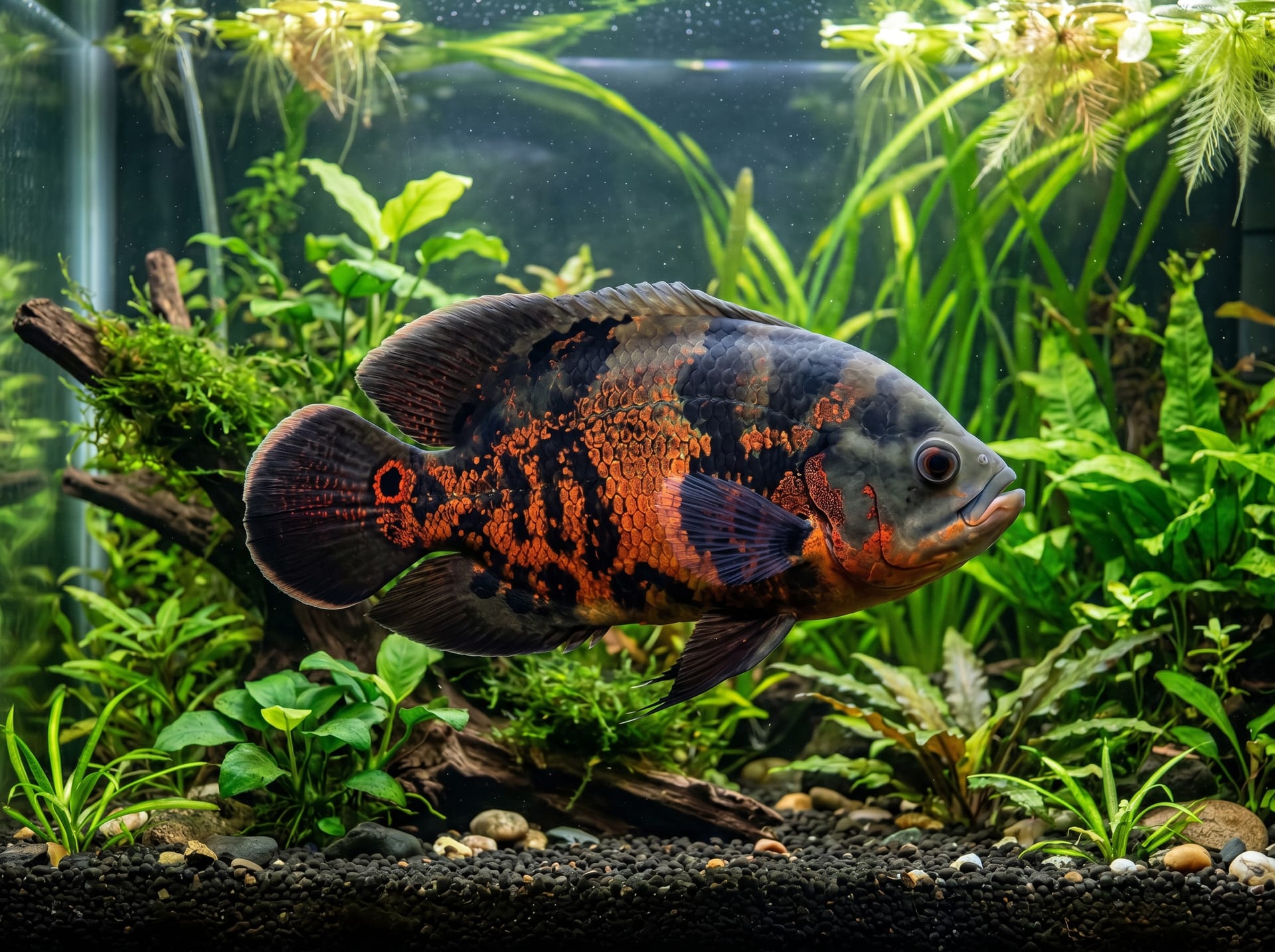
- Large cichlids (Angelfish, Oscars): Size advantage leads to bullying.
- Tilapia and large Congo Tetras: Aggressive and dangerous.
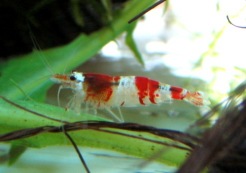
- Small shrimp (Bee shrimp): Risk of predation.
Breeding: Pair Bonding and Spawning
A defining characteristic of German Blue Rams is pair bonding with joint care of eggs and fry, making breeding a rewarding experience.
Breeding Steps
- Pair formation: Often pairs are established before purchase, though naturally compatible pairs can form within a group of adults.
- Pre-spawning behavior: When males and females swim side by side and dig in the substrate, spawning is imminent.
- Spawning: 100–200 eggs are laid on flat rocks, bare substrate, or inside terracotta pots.
- Parental care: Both parents guard eggs and fry, actively chasing away intruders. Consider separating or partitioning the tank during this period.
- Fry feeding: Fry begin swimming 2–3 days after hatching; feed with newly hatched brine shrimp nauplii or infusoria initially.
Summary: A Delicate But Rewarding Dwarf Cichlid
German Blue Rams demand precise water parameters, which may challenge beginners. However, their breeding behavior and stunning coloration make them equally prized by experienced aquarists. Maintaining proper temperature, soft acidic water, and frequent water changes—combined with sourcing healthy stock directly from breeders—is the path to long-term success.