Source: Wikimedia Commons
Flash Pleco
IntermediatePanaqolus albivermis
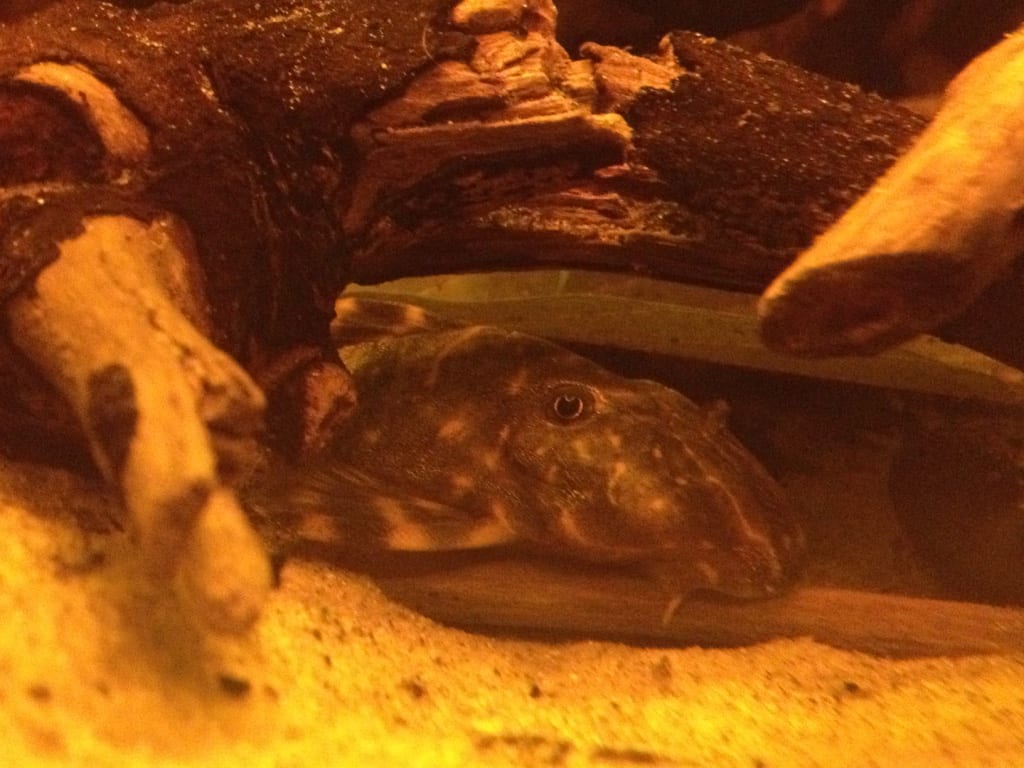
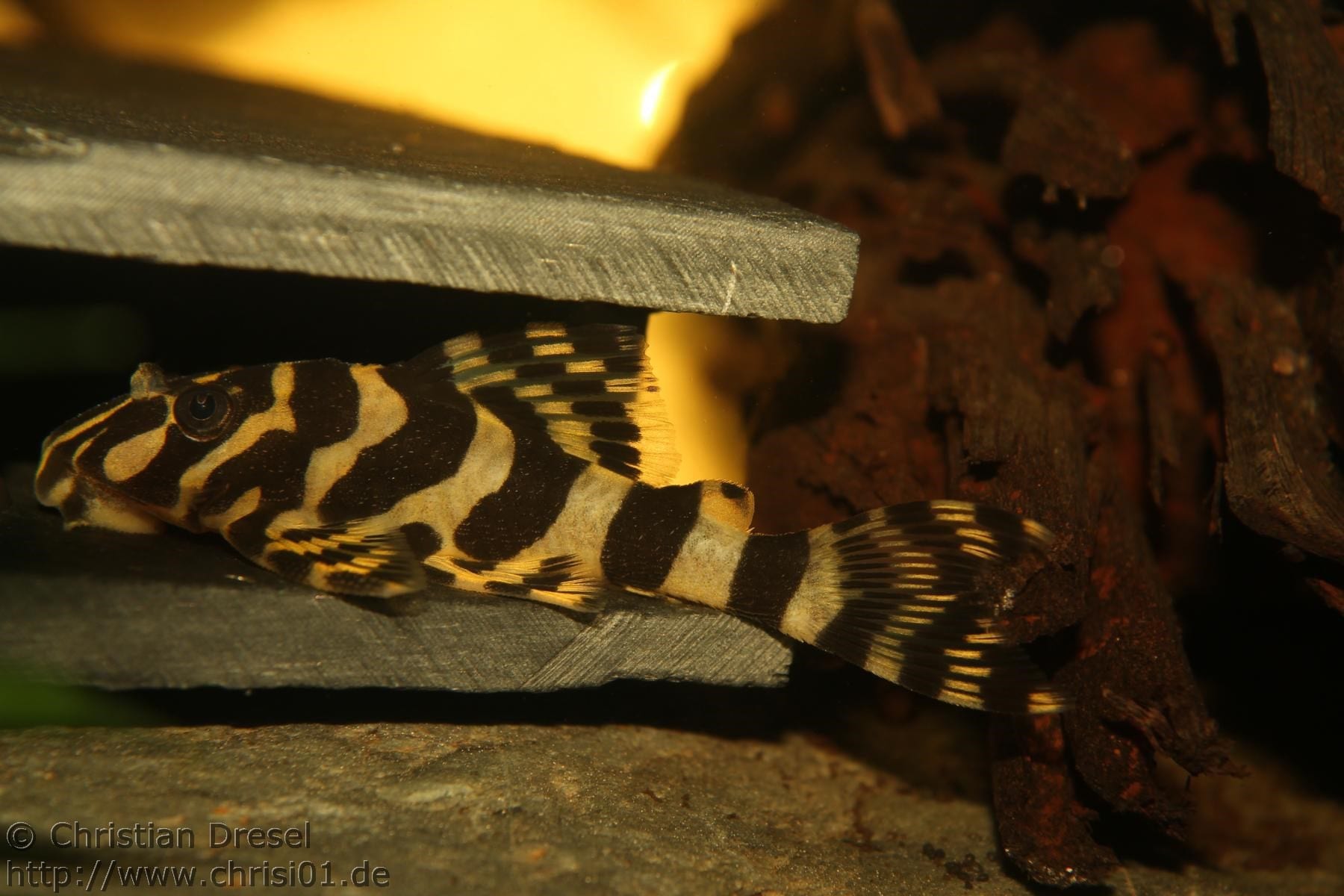
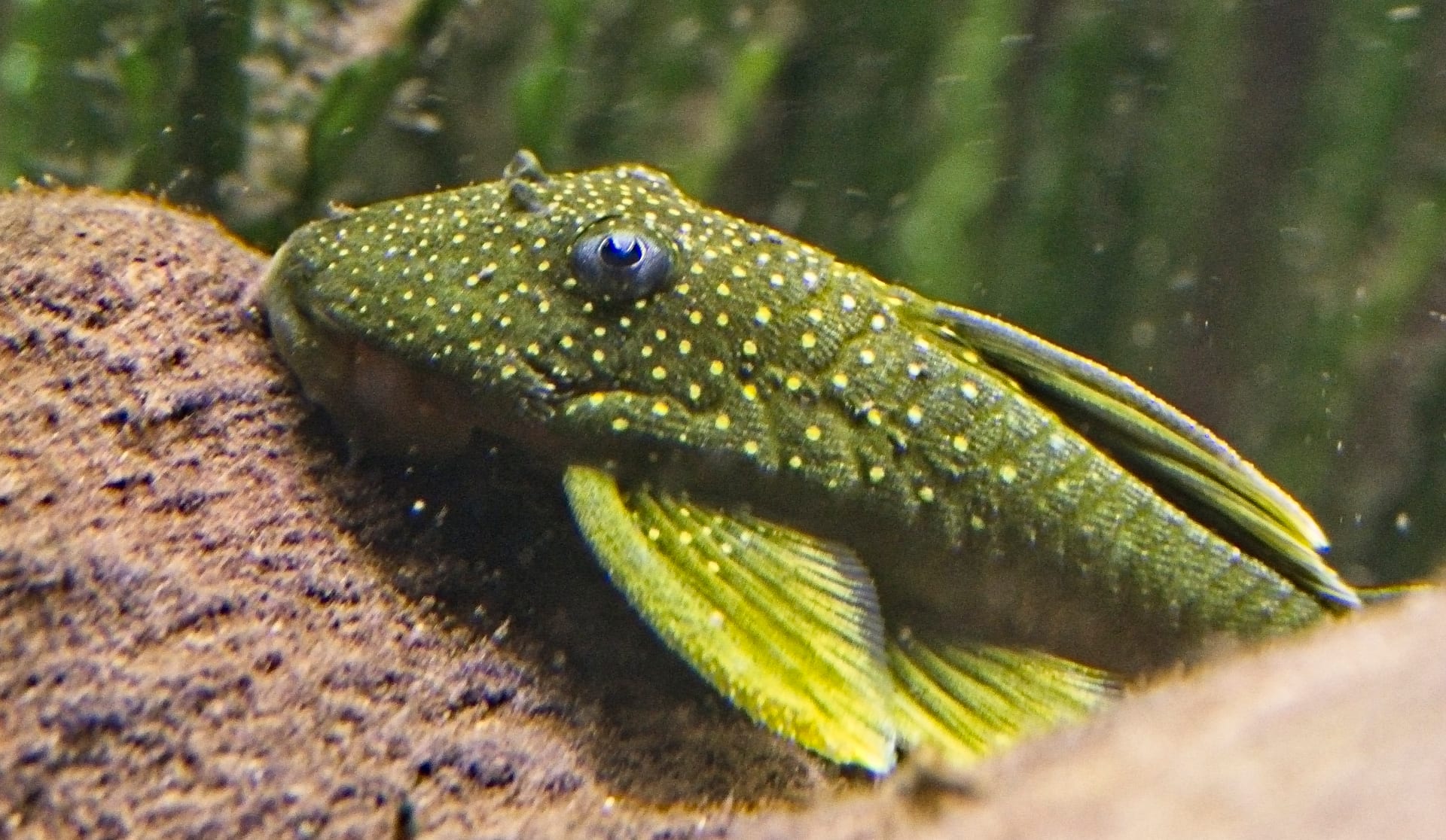
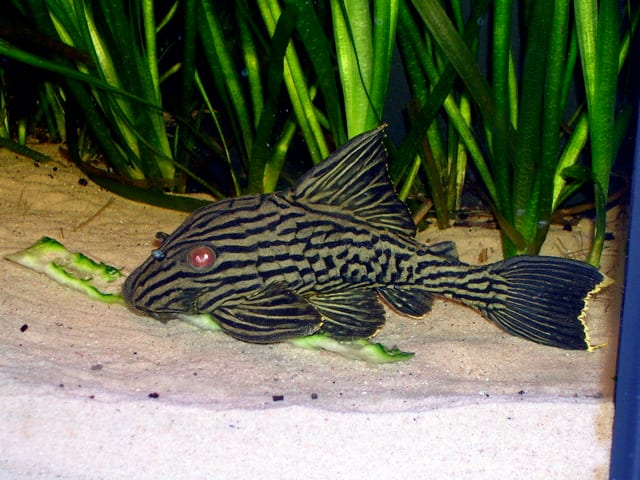
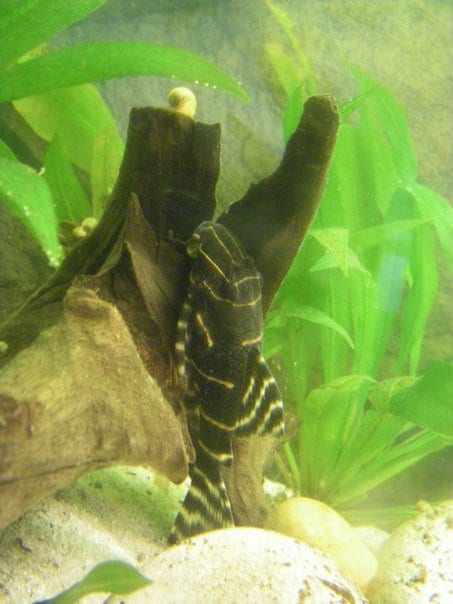
A small pleco with fine white vermiculations over a dark brown body, known only from the San Alejandro River in Peru. It eats wood, so driftwood is essential. The IUCN assesses it as Endangered.
Difficulty
Intermediate
Temperature
22〜28℃
Lifespan
6-10 years
Size
9-10cm
Diet
Driftwood, vegetables and sinking vegetable-based wafers
About
Panaqolus albivermis is a small loricariid catfish known only from the San Alejandro River in the Ucayali drainage of Peru, with its type locality in the Irazola District of Padre Abad Province. FishBase records 9.6cm standard length. Fine white vermiculations run over a dark brown body, and the specific name albivermis refers to that pattern. Although not described until 2013, it has been known to aquarists since at least 1996 and is traded as the flash pleco or by its number, L-204. The IUCN assesses it as Endangered because it occupies a single location where it is collected in large numbers for the aquarium trade, which has driven a population decline. Like the related clown pleco it rasps and eats wood, so driftwood must be kept in the tank as food rather than decoration.
Source: Wikipedia (CC BY-SA 4.0)
Lifespan of the Flash Pleco
The Flash Pleco lives 6-10 years.
Size of the Flash Pleco
The Flash Pleco grows to 9-10cm.
Basic Info
Origin
South America (San Alejandro River, Ucayali drainage, Peru)
Lifespan
6-10 years
Size
9-10cm
Temperature
22〜28℃
Diet
References & Sources
Edited & verified by: BreederDirect editorial team
The taxonomic, regulatory, and husbandry data on this page are compiled and verified against the authoritative primary sources below.
Taxonomy & Authority
Accepted name: Panaqolus albivermis Lujan, Steele & Velasquez, 2013
Authority databases: FishBase
Nomenclature follows global taxonomic authority databases.
Regulations & Conservation Status
Not CITES-listedIUCN EN · Endangered
Sources: CITES Appendices (species not listed) / IUCN Red List
Regulations may change. Always verify the latest information with the relevant authorities.
Flash Pleco Listings
Loading latest listingsFind listings for this species