Source: Wikimedia Commons
Bearded Corydoras
IntermediateScleromystax barbatus
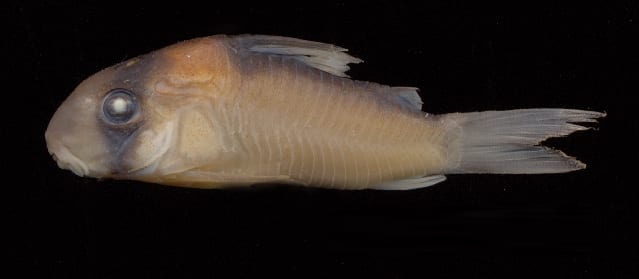
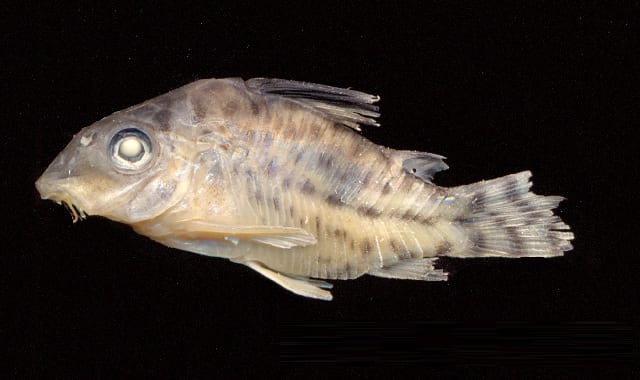
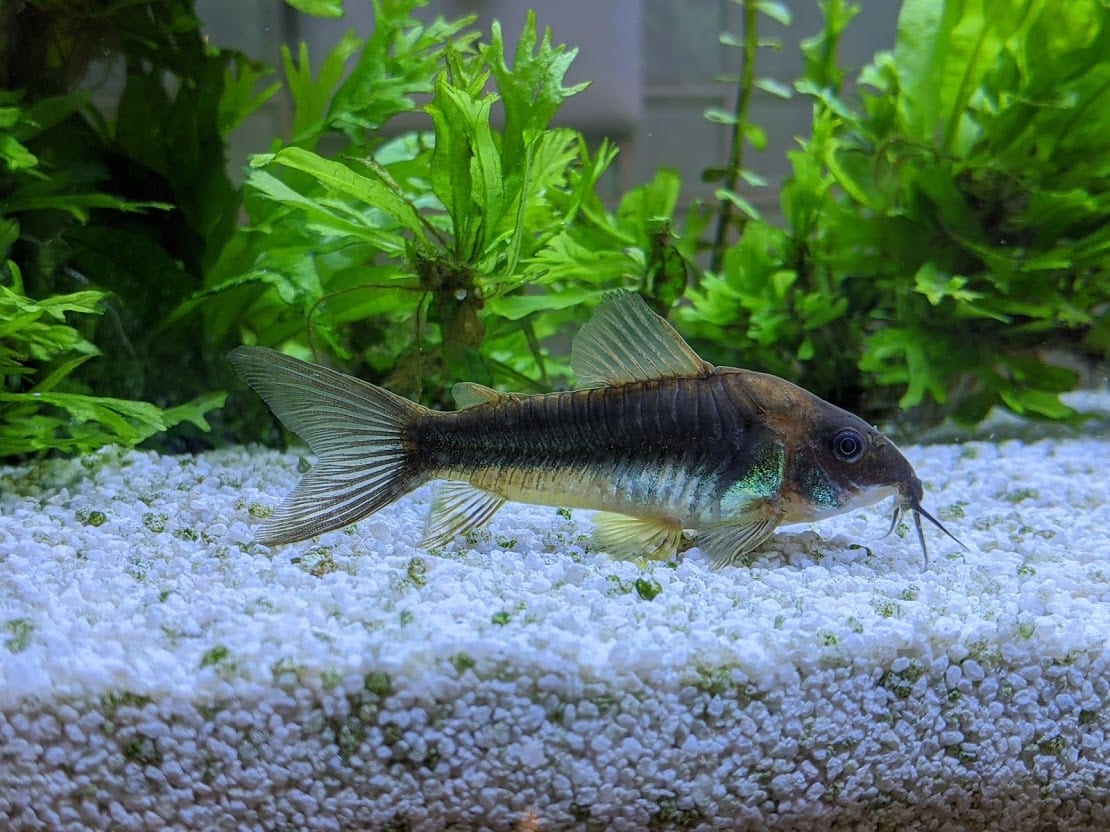
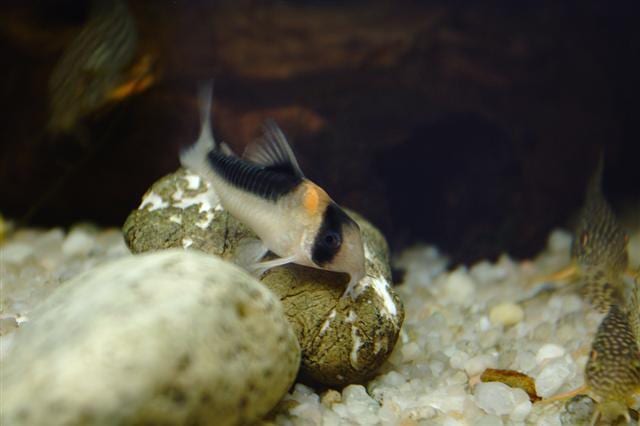
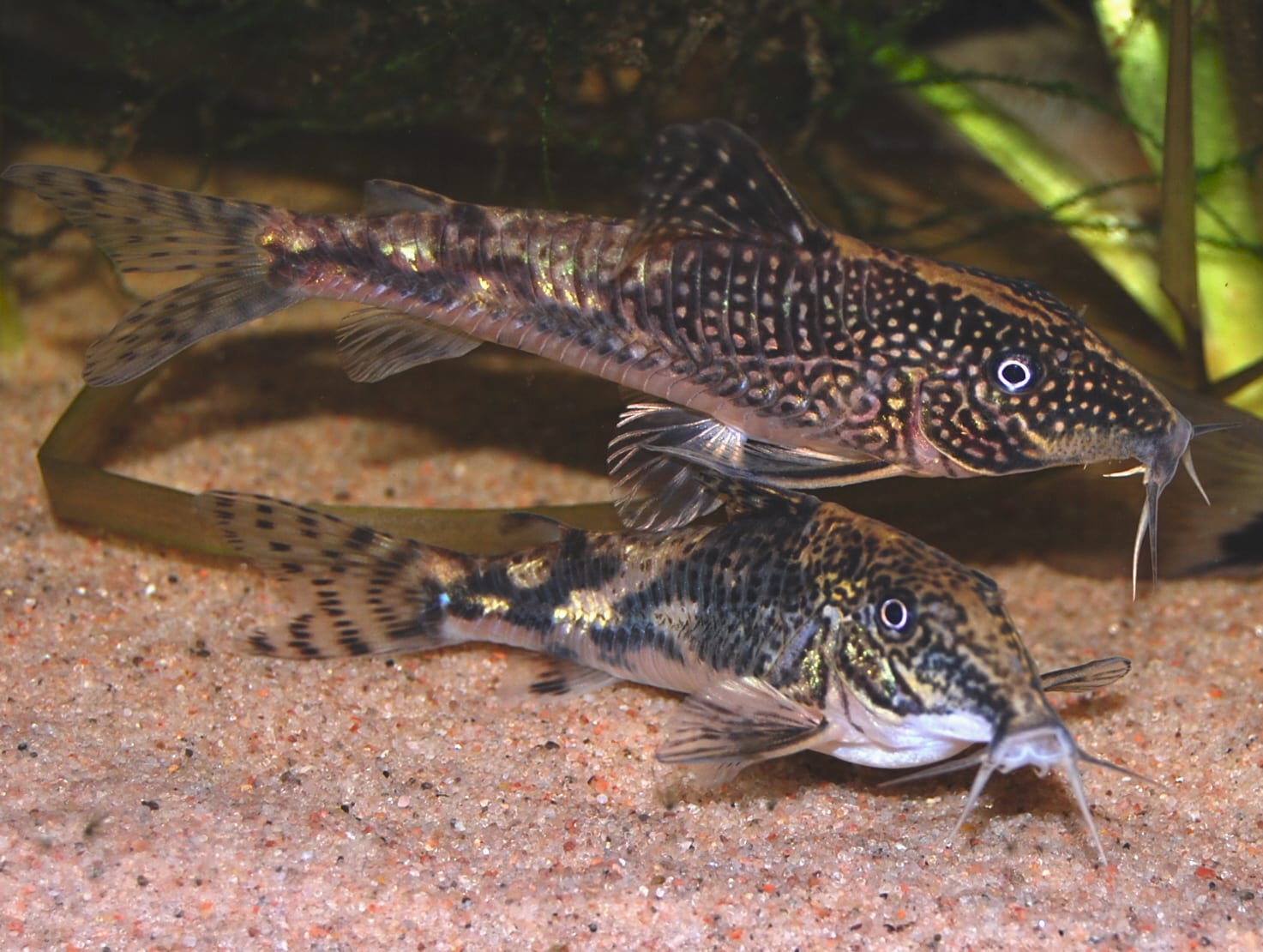
A large species in which males grow bristle-like odontodes on the cheeks. It comes from subtropical coastal rivers in Brazil and prefers a cool 16-24C, unlike tropical corydoras.
Difficulty
Intermediate
Temperature
16〜24℃
Size
9.8-10cm
Diet
Sinking dried foods, frozen bloodworm, Tubifex
About
Scleromystax barbatus is a callichthyid bottom dweller from coastal drainages between Rio de Janeiro and Santa Catarina in Brazil. FishBase gives a standard length of 9.8cm and Seriously Fish 10cm, among the largest of the corydoras group. Mature males carry dense bristle-like odontodes on the cheeks, the source of both names, along with a white-gold stripe on a black forehead and sharper flank markings than females. Its subtropical range means it wants cool water, and Seriously Fish gives 16-24C, with pH 5.5-7.5, 1-12dGH and a 120 x 45cm base of about 243 litres as the minimum. Males are aggressively territorial towards each other and cannot share a small aquarium. Females are rounder and slightly larger. Spawning is triggered by a 50-70 percent cool water change once females are gravid, and eggs hatch in 3-4 days. FishBase records the species as an obligate air-breather. IUCN status is Least Concern.
Source: Wikipedia (CC BY-SA 4.0)
Size of the Bearded Corydoras
The Bearded Corydoras grows to 9.8-10cm.
Temperature & humidity for the Bearded Corydoras
The ideal temperature for the Bearded Corydoras is 16〜24℃.
Basic Info
Origin
South America (coastal drainages from Rio de Janeiro to Santa Catarina, Brazil)
Size
9.8-10cm
Temperature
16〜24℃
Diet
Care Specifications
- pH
- 5.5–7.5
- Hardness (GH)
- 1–12 dGH
- Water Temp.
- 16–24℃
- Min. Tank
- 243 L
Semi-aggressiveGroupBreeding: Moderate
Sources: FishBase / Seriously Fish
References & Sources
Edited & verified by: BreederDirect editorial team
The taxonomic, regulatory, and husbandry data on this page are compiled and verified against the authoritative primary sources below.
Taxonomy & Authority
Accepted name: Scleromystax barbatus (Quoy & Gaimard, 1824)
Authority databases: FishBase
Nomenclature follows global taxonomic authority databases.
Regulations & Conservation Status
Not CITES-listedIUCN LC · Least Concern
Sources: CITES Appendices (species not listed) / IUCN Red List
Regulations may change. Always verify the latest information with the relevant authorities.
Bearded Corydoras Listings
Loading latest listingsFind listings for this species