Source: Wikimedia Commons
Timor Monitor
IntermediateVaranus timorensis
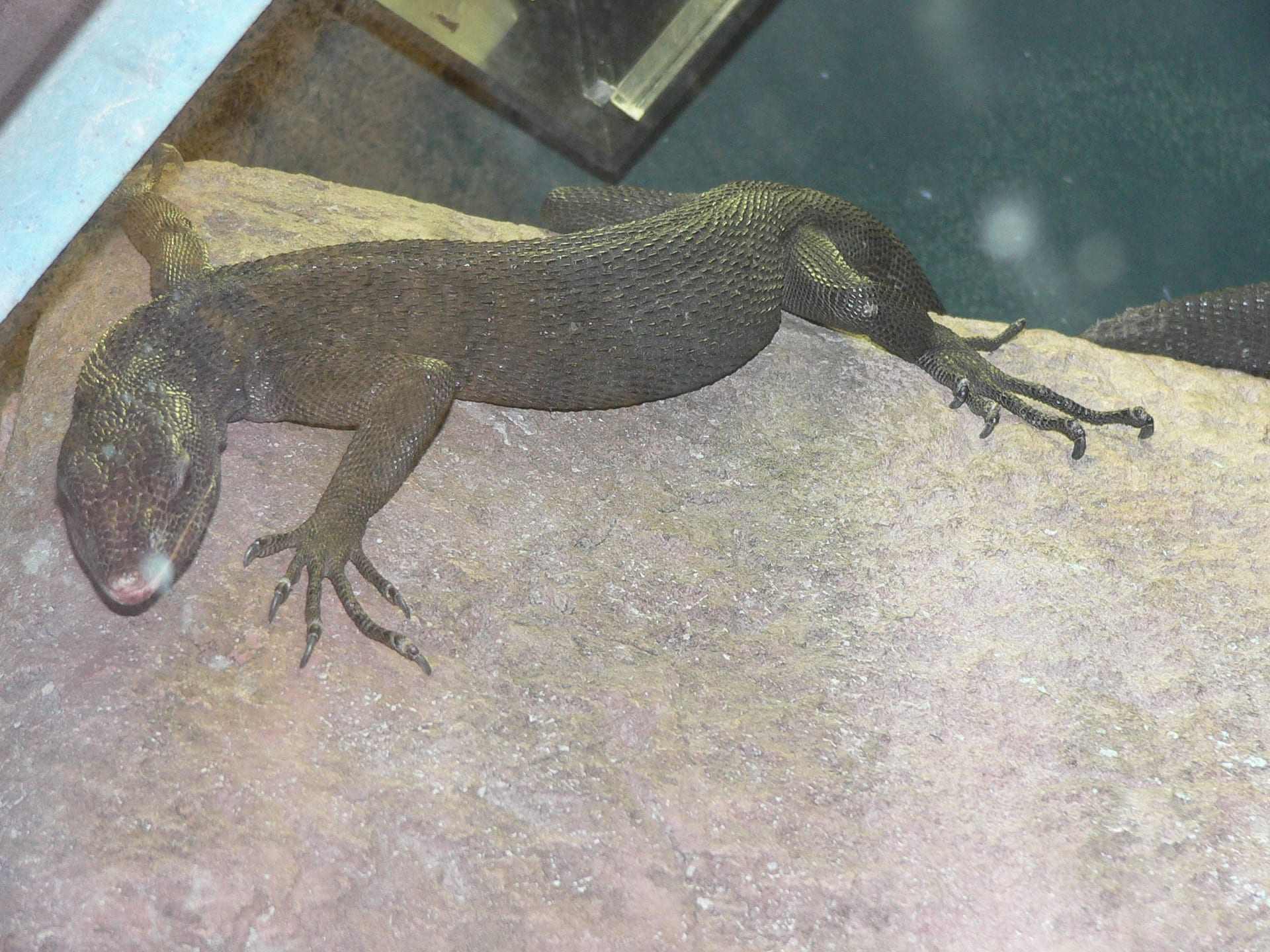
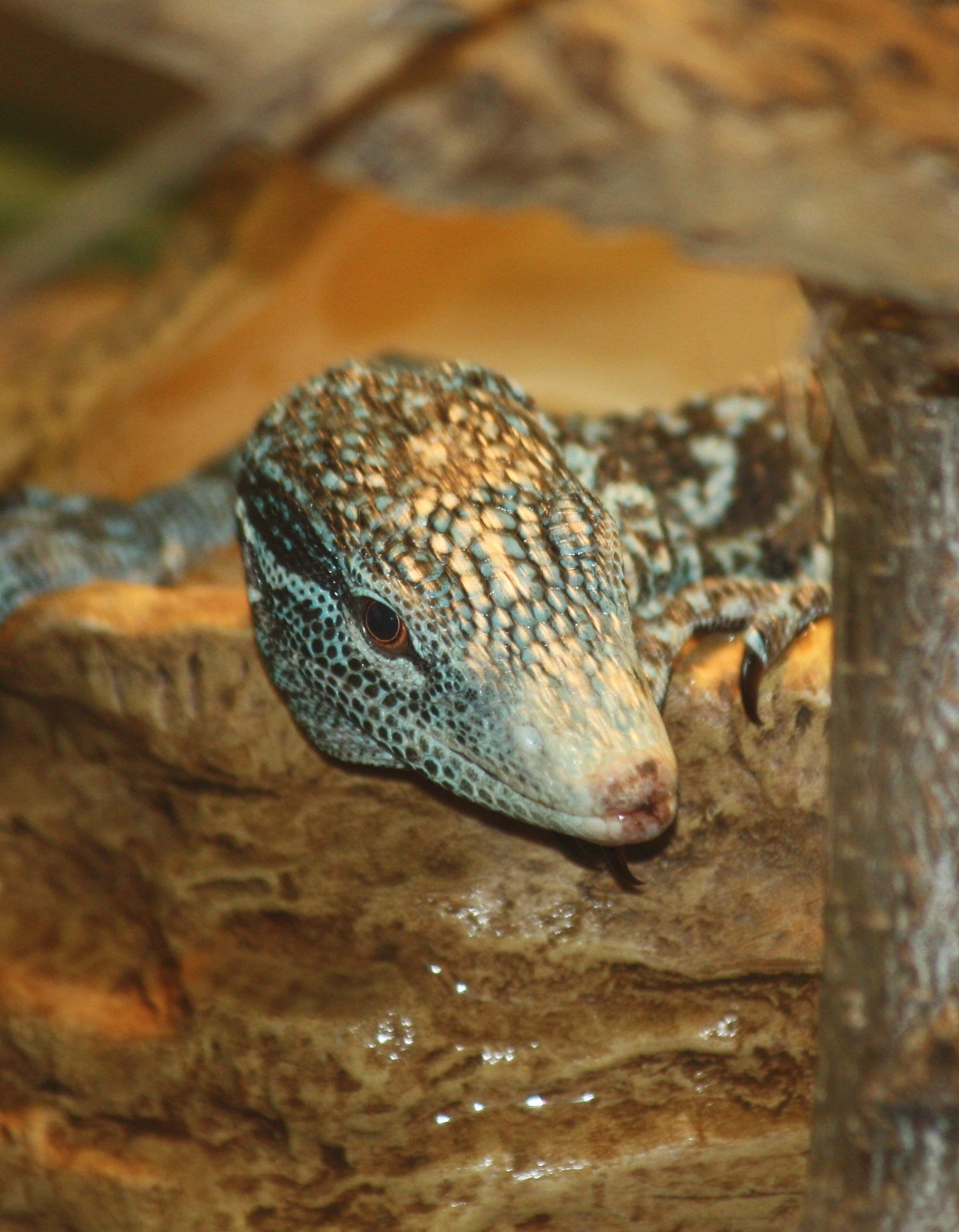
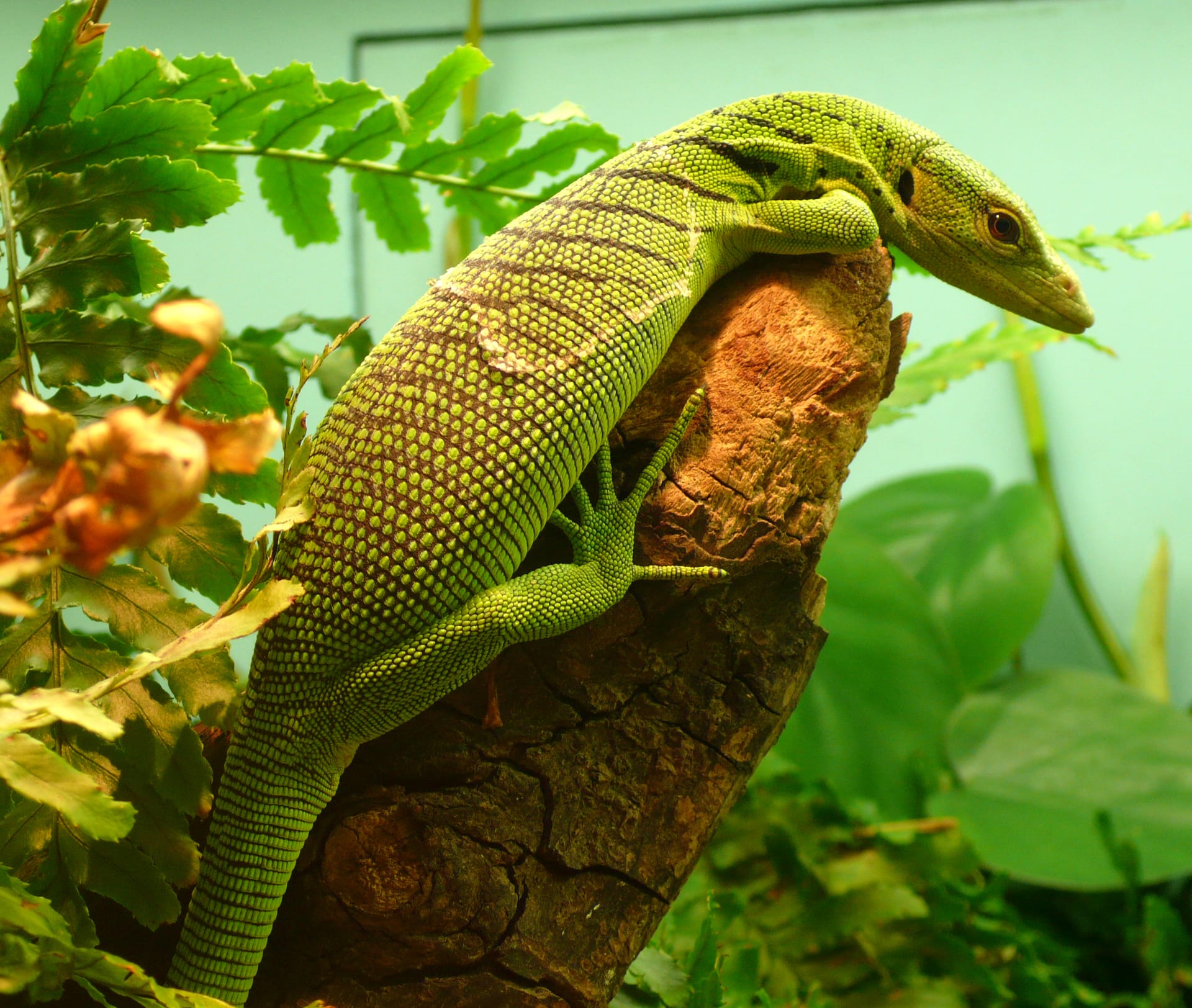
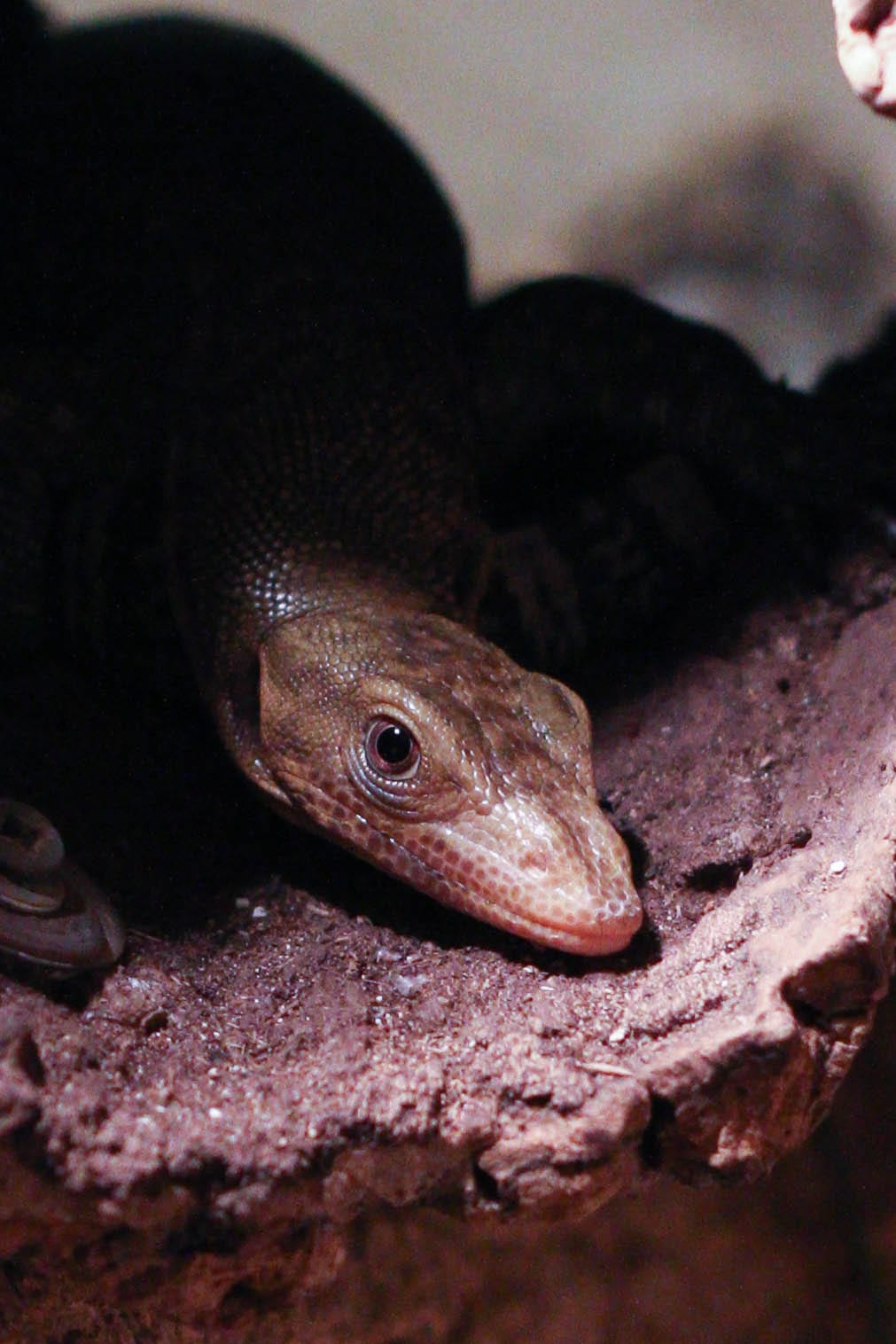
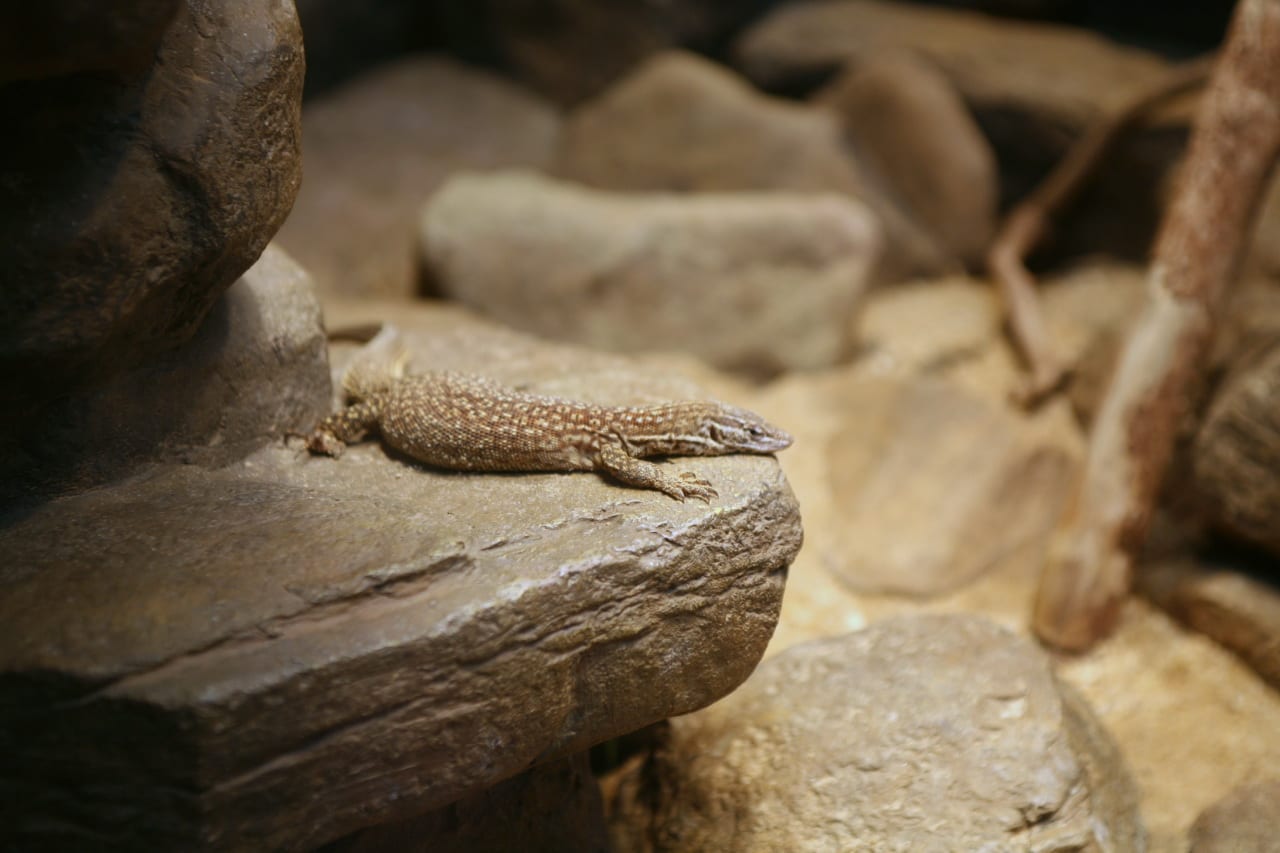
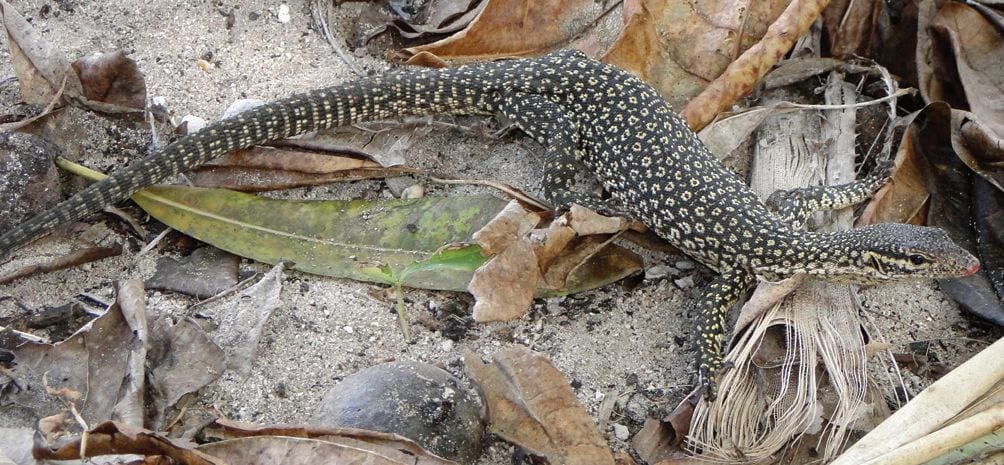
A dwarf monitor reaching 61 cm in total length. Bright gold-yellow ocelli are scattered over a dark greenish-grey to almost black ground colour. The prehensile tail makes up two-thirds of the total length, and sharp claws suit this diurnal species to climbing.
Difficulty
Intermediate
Temperature
25〜32℃ (typical for Reptile & Amphibian)
Lifespan
10-15 years
Size
Up to 61cm (100-350g)
Humidity
40〜70%
Diet
Invertebrates such as scorpions, orthopterans, spiders, mantids and cockroaches, plus small lizards such as geckos and small snakes
About
The Timor monitor (Varanus timorensis) is a dwarf monitor of the subgenus Odatria. It occurs on Timor and nearby islands as well as southern New Guinea, living in the trees of woodland and dry forest. The prehensile tail accounts for two-thirds of the total length. It is diurnal and takes invertebrates such as scorpions and orthopterans as well as geckos and small snakes. Breeding runs from December to March, with clutches of up to 11 eggs that incubate for three to four months depending on temperature. Small and manageable but regarded as shy, it needs a roomy forest-type enclosure with climbing space. Captive breeding has succeeded several times, but much of the trade is still in wild-caught animals.
Source: Wikipedia (CC BY-SA 4.0)
Lifespan of the Timor Monitor
The Timor Monitor lives 10-15 years.
Size of the Timor Monitor
The Timor Monitor grows to Up to 61cm (100-350g).
It reaches a maximum of 61 cm and weighs 100-350 g, with bright gold-yellow ocelli over a dark ground colour.
Basic Info
Origin
Timor (Indonesia and Timor-Leste) and nearby islands such as Rote and Savu, plus southern New Guinea, in trees and shrubs of woodland, dry forest and rainforest
Lifespan
10-15 years
Size
Up to 61cm (100-350g)
Care Specifications
Semi-aggressiveSolitaryBreeding: Moderate
Sources: Reptile Database: Varanus timorensis / Wikipedia (English) / Wikipedia (German): Timor-Waran
References & Sources
Edited & verified by: BreederDirect editorial team
The taxonomic, regulatory, and husbandry data on this page are compiled and verified against the authoritative primary sources below.
Taxonomy & Authority
Accepted name: Varanus timorensis (Gray, 1831)
Synonyms: Monitor timorensis Gray, 1831, Varanus timoriensis Duméril & Bibron, 1836, Varanus (Odatria) timorensis Koch et al., 2013
Authority databases: GBIF · Reptile Database
Nomenclature follows global taxonomic authority databases.
Regulations & Conservation Status
CITES Appendix II
All species of Varanidae spp. are listed in CITES Appendix II, with the species' current listing dating back to the treaty's entry into force in 1975. As it is in Appendix II, an international endangered species registration certificate is not required. The species is not included in the designated animals listed in the supplementary table of the Law for the Protection and Management of Animals, nor is it listed as a designated invasive alien species under the Invasive Alien Species Act Enforcement Ordinance.
Sources: CITES Species+ (Varanus timorensis, Appendix II) / Order for Enforcement of the Act on Welfare and Management of Animals, appended table
Regulations may change. Always verify the latest information with the relevant authorities.
Timor Monitor Listings
Loading latest listingsFind listings for this species