Source: Wikimedia Commons
Painted Wood Turtle
IntermediateRhinoclemmys pulcherrima
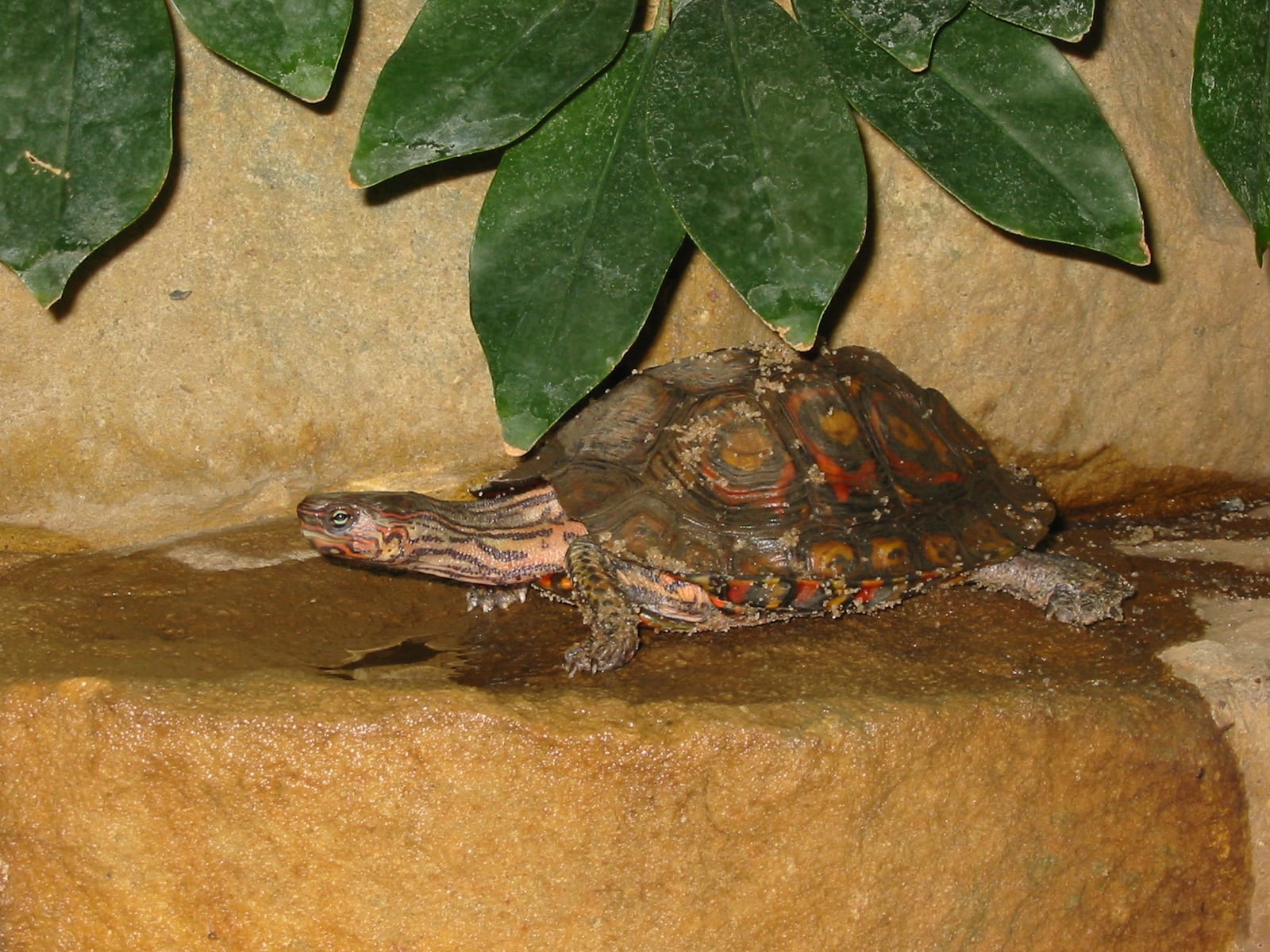
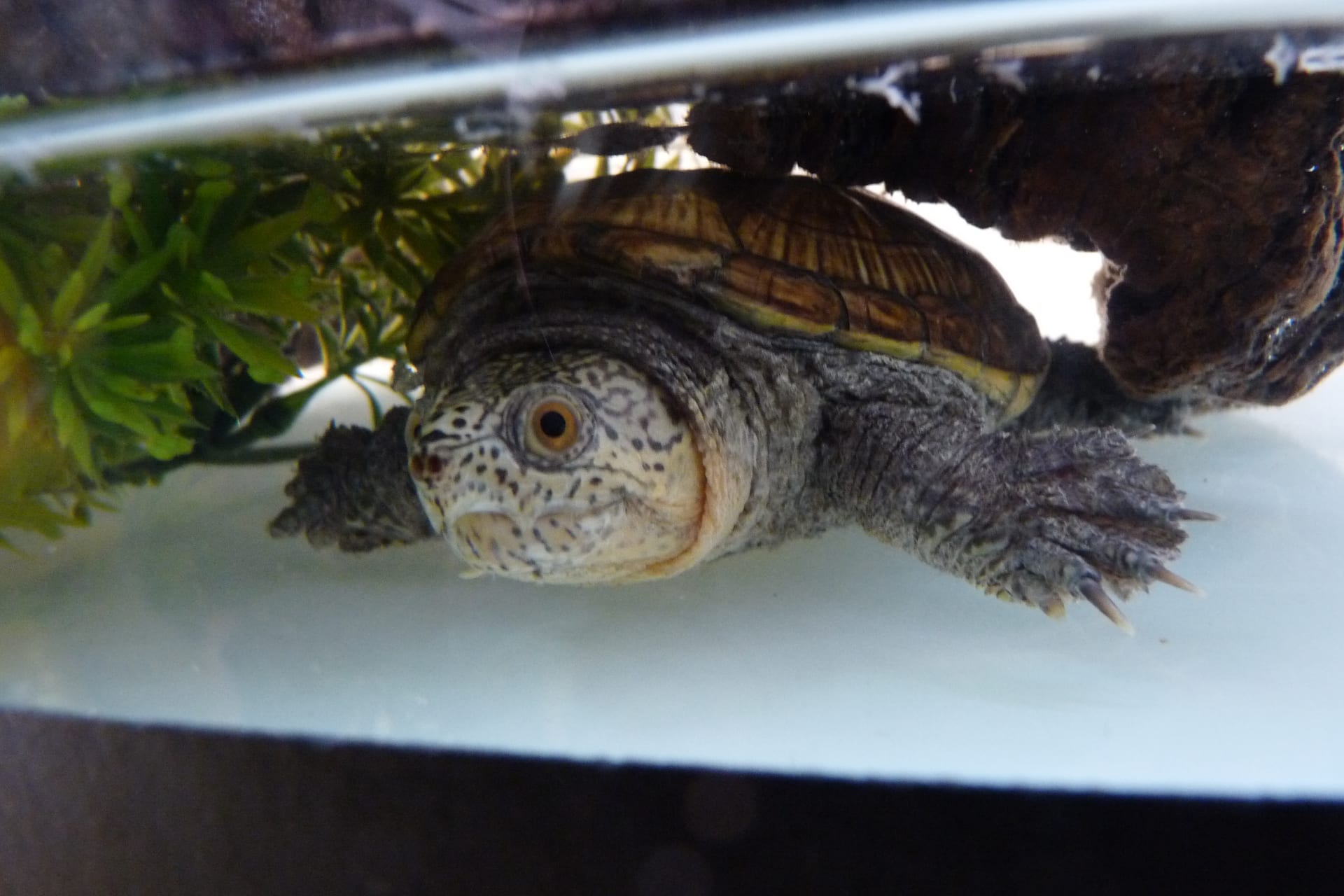
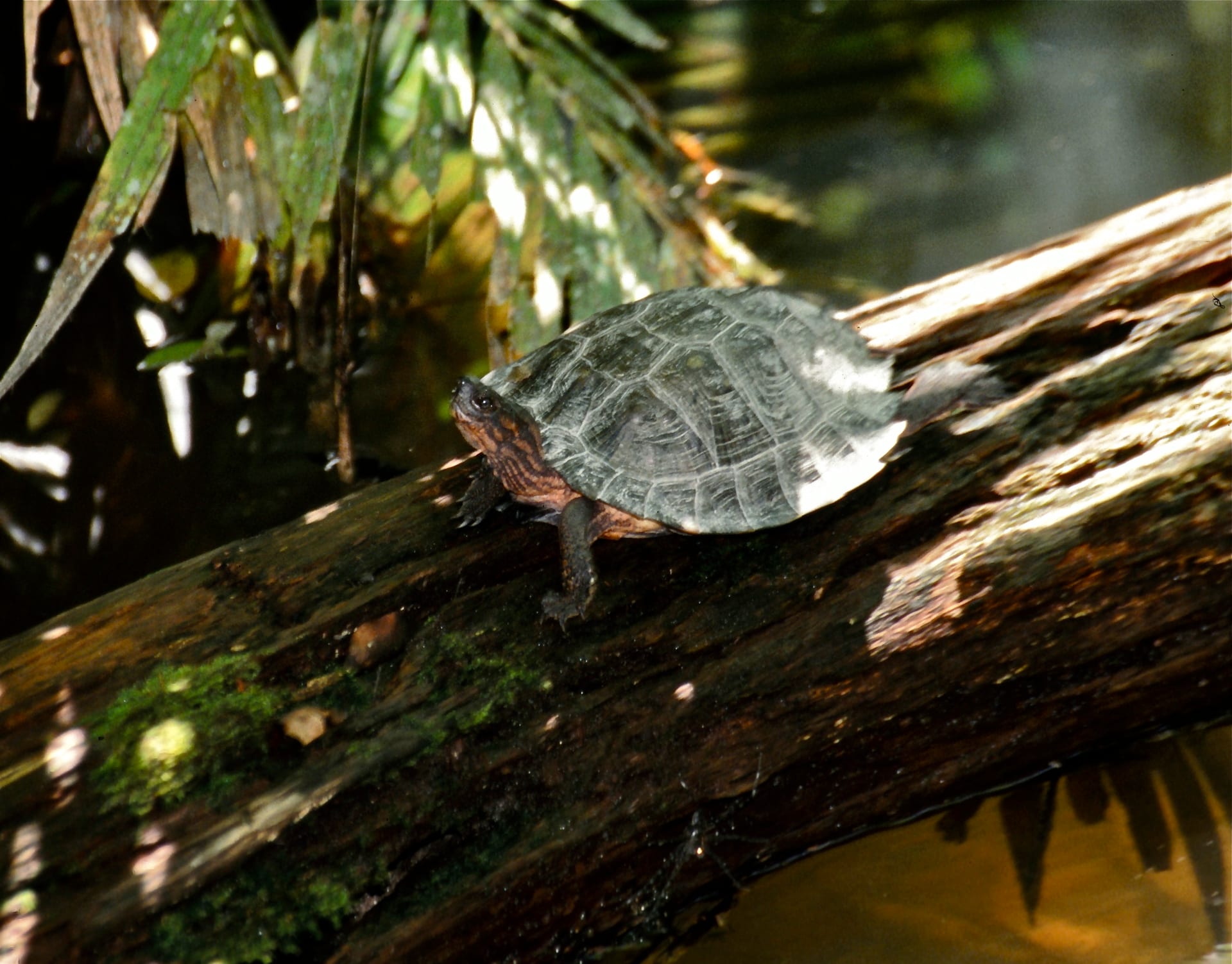
A mostly terrestrial Central American wood turtle with vivid red stripes on the head and body. Four subspecies are recognized, and the Guatemalan and Costa Rican forms have been imported to Japan since the 1960s.
Difficulty
Intermediate
Temperature
24〜30℃
Lifespan
up to about 20 years (captive record)
Size
Maximum carapace length 21.4 cm (females larger; males up to 18 cm)
Humidity
40〜70%
Diet
Omnivore (fruit, vegetables, insects, worms)
About
The painted wood turtle is a geoemydid of the genus Rhinoclemmys ranging from Sonora on Mexico's Pacific slope through Guatemala, El Salvador, Honduras and Nicaragua to Costa Rica. Four subspecies are recognized; according to the Reptile Database the nominate R. p. pulcherrima occurs in Guerrero and Oaxaca, R. p. incisa from Oaxaca to northern Nicaragua and El Salvador, R. p. manni from southern Nicaragua to northern Costa Rica, and R. p. rogerbarbouri from Sonora to Colima, so locality and pattern are used to tell them apart. Maximum carapace length is 21.4 cm, with females larger than males, which reach 18 cm. The carapace is domed, and the head, body and limbs bear red stripes. It is mostly terrestrial but enters shallow water. It is an omnivore eating fruit, insects and worms. It is said to be the most imported species of its genus, and in Japan mainly the Guatemalan and Costa Rican subspecies have been available since the 1960s. It is a different genus from Japan's Ryukyu black-breasted leaf turtle (Geoemyda japonica), a protected National Endangered Species.
Source: Wikipedia (CC BY-SA 4.0)
Lifespan of the Painted Wood Turtle
The Painted Wood Turtle lives up to about 20 years (captive record).
Size of the Painted Wood Turtle
The Painted Wood Turtle grows to Maximum carapace length 21.4 cm (females larger; males up to 18 cm).
Temperature & humidity for the Painted Wood Turtle
The ideal temperature for the Painted Wood Turtle is 24〜30℃.
Basic Info
Origin
Pacific Mexico to Central America (Guatemala, El Salvador, Honduras, Nicaragua, Costa Rica)
Lifespan
up to about 20 years (captive record)
Size
Maximum carapace length 21.4 cm (females larger; males up to 18 cm)
Temperature
24〜30℃
Humidity
40〜70%
Diet
Omnivore (fruit, vegetables, insects, worms)
Care Guide
Temperature & Humidity
For the Costa Rican subspecies, 24-30°C (76-86°F) is considered comfortable, with humidity around 60%.
Housing
Mostly terrestrial, but even the drought-tolerant subspecies should have a broad, shallow pool about 12-15 cm deep. About 20 cm of loose, sandy soil is recommended as substrate.
Diet & Feeding
An omnivore: fruit and vegetables such as banana, melon and greens plus insects and worms. Supplement calcium for healthy shell growth.
Temperament
It adapts well, and some learn to recognize their keepers as a source of food.
Notes
The four subspecies are distinguished by locality and pattern; mainly the Guatemalan and Costa Rican forms are traded. Check the subspecies and origin. Never release a captive animal into the wild.
Wood turtleTerrestrial turtleCentral AmericaCITES II
Painted Wood Turtle FAQ
QHow difficult is it to keep Painted Wood Turtle?
A
Intermediate. This is an intermediate-level species. Some prior experience and knowledge of environmental management are recommended.
QWhat is the ideal temperature for Painted Wood Turtle?
A
The ideal temperature for Painted Wood Turtle is 24〜30℃. Avoid sudden temperature changes and maintain a stable environment.
QWhat is the lifespan of Painted Wood Turtle?
A
The average lifespan of Painted Wood Turtle is up to about 20 years (captive record). With proper care and nutrition, they can live a long and healthy life.
QHow large does Painted Wood Turtle get?
A
Painted Wood Turtle typically reaches Maximum carapace length 21.4 cm (females larger; males up to 18 cm) as an adult. Size may vary depending on care conditions and individual genetics.
QWhat should I feed Painted Wood Turtle?
A
Painted Wood Turtle feeds on: Omnivore (fruit, vegetables, insects, worms). Aim for a balanced diet with appropriate feeding frequency.
QWhat is the typical price for Painted Wood Turtle?
A
The price of Painted Wood Turtle varies significantly depending on morph, size, and lineage. Check our market price page for the latest pricing information.
Last updated: September 30, 2026
References & Sources
Edited & verified by: BreederDirect editorial team
The taxonomic, regulatory, and husbandry data on this page are compiled and verified against the authoritative primary sources below.
Primary sources
- Wikipedia
- Species+ (CITES): Rhinoclemmys pulcherrima
- Ministry of the Environment, Japan: list of National Endangered Species
- Wikipedia (Japanese): アカスジヤマガメ
- Reptiles Magazine: Captive Care And Breeding Of The Central American Ornate Wood Turtle
- The Reptile Database: Rhinoclemmys pulcherrima
- AnAge: Rhinoclemmys pulcherrima (maximum longevity in captivity)
- GBIF
Taxonomy & Authority
Accepted name: Rhinoclemmys pulcherrima (Gray, 1855)
Synonyms: Callopsis pulcherrima rogerbarbouri Ernst, 1978, Emys incisa Bocourt, 1868, Emys pulcherrima Günther, 1885, Emys pulcherrimus Gray, 1855, Geoemyda manni Dunn, 1930
Authority databases: GBIF · The Reptile Database: Rhinoclemmys pulcherrima · GBIF: Rhinoclemmys pulcherrima
Nomenclature follows global taxonomic authority databases.
Regulations & Conservation Status
CITES Appendix II
Listed in CITES Appendix II. International trade requires an export permit from the country of origin, but no registration is needed to keep or transfer the animal within Japan. The whole genus Rhinoclemmys has been listed since 23 February 2023. It is a different genus from Japan's protected Ryukyu black-breasted leaf turtle.
Sources: Species+ (CITES): Rhinoclemmys pulcherrima / Ministry of the Environment, Japan: list of National Endangered Species
Regulations may change. Always verify the latest information with the relevant authorities.
Related Species

Painted Wood Turtle Listings
Loading latest listingsFind listings for this species
Related Articles
Turtle Outdoor Pond Installation Guide | Natural Turtle Rearing Environment in Your Garden
A guide to setting up an outdoor turtle pond in your garden. It compares nursery pools (120L), FRP, and concrete, and covers escape-prevention fences at least 50cm high, summer measures to keep the water temperature from exceeding 30°C, and how to keep the water at 5°C or above in winter.
Mississippi Red-eared Slider Care Guide | Large Tanks, Filtration, Temperature Management, and Long-term Husbandry Practices
A comprehensive guide to caring for the Mississippi Red-eared Slider, the most common aquatic pet turtle. Learn about essential tank sizes, filtration systems, basking spot setup, feeding management, and long-term planning strategies to ensure your turtle thrives for decades.
Complete Care Guide for Chinese Softshell Turtles | Housing, Feeding, and Hibernation Management for Soft-Shelled Turtles
A complete guide for keeping Chinese softshell turtles (Pelodiscus sinensis) as pets. From proper sandy substrate environments and carnivorous feeding methods to water quality management and safe hibernation induction, this guide clearly explains all the knowledge necessary for long-term care of soft-shelled turtles, written for beginners.
Japanese Pond Turtle Care Guide | Native Species Conservation and Tank/Outdoor Keeping Basics
A detailed guide to caring for the Japanese pond turtle (Mauremys japonica), a species endemic to Japan. We cover acquisition methods, legal considerations, tank and outdoor pond setup, hibernation management, feed types and feeding frequency, common illnesses and prevention—everything you need to know for responsible native species care.