Source: Wikimedia Commons
European Legless Lizard
AdvancedPseudopus apodus
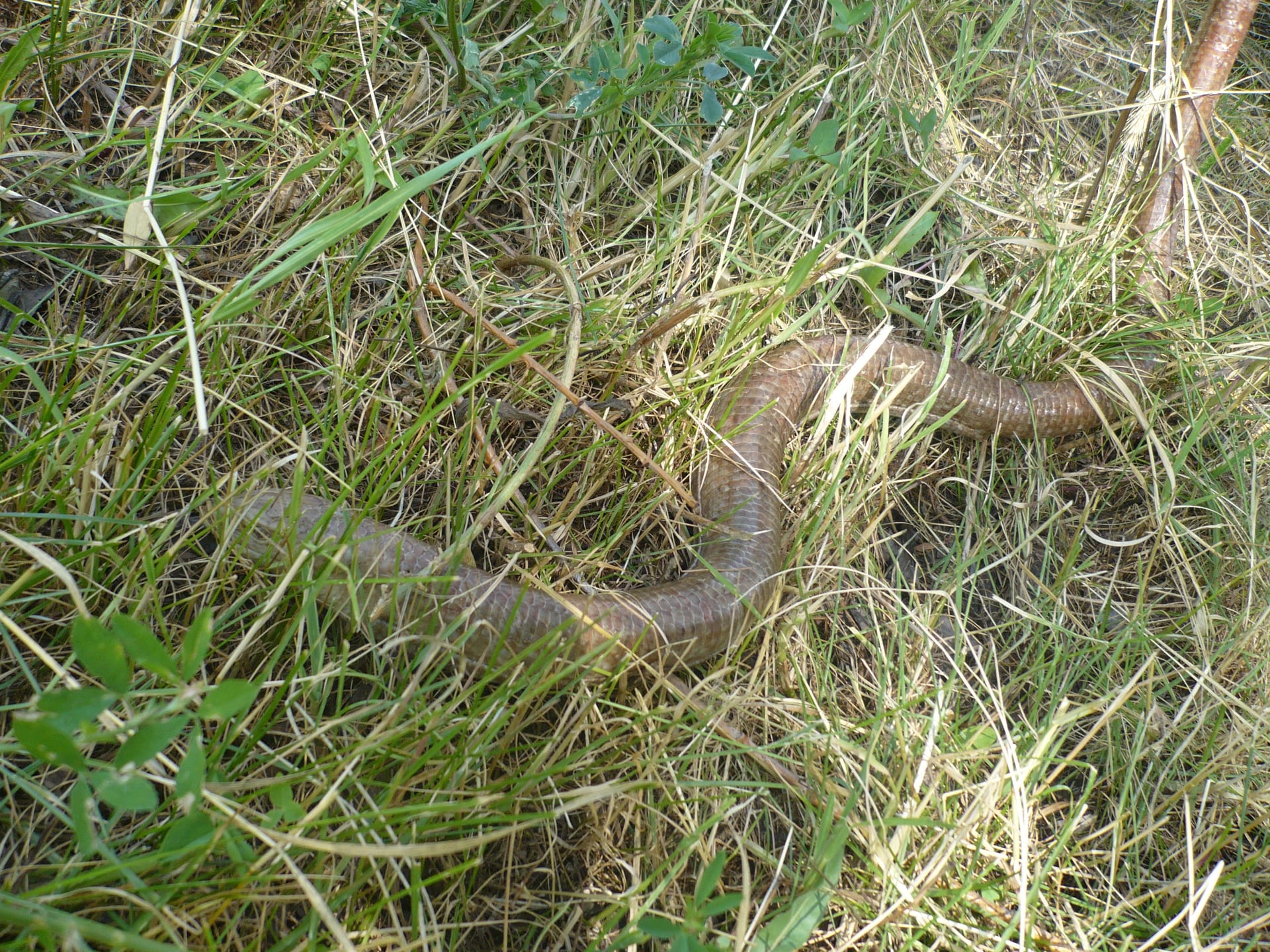
The largest anguid lizard, with limbs almost entirely reduced; only 2-3 mm rudiments of the hind legs remain near the cloaca. Movable eyelids, ear openings and a lateral skin fold along each side distinguish it from a snake.
Difficulty
Advanced
Lifespan
Recorded living up to 50 years in captivity
Size
Up to 120-140cm total length
Diet
Carnivorous: insects, other arthropods, land snails, earthworms, frogs, birds' eggs and nestlings, and small mammals
About
The European legless lizard (Pseudopus apodus) is the largest anguid lizard, ranging from southern Europe into Central Asia and reaching 120-140 cm. Its limbs are almost entirely reduced, leaving only 2-3 mm rudiments of the hind legs near the cloaca. It resembles a snake but has movable eyelids and ear openings, and a lateral skin fold runs along each side from the head to the tail base. The ventral scales fold like a pleat and expand as prey is swallowed. Colour is yellowish to reddish brown with a paler underside, while juveniles are pale grey with brown crossbars for their first two or three years. The scales are arranged in diamonds and underlain by bony plates, so the animal feels hard to the touch. The tail is normally about 1.5 times the length of the rest of the body; autotomy is limited, and a lost tail regrows noticeably shorter and darker. Clutches of six to ten eggs are laid in damp ground. It is long-lived, with captive records reaching 50 years.
Source: Wikipedia (CC BY-SA 4.0)
Lifespan of the European Legless Lizard
The European Legless Lizard lives Recorded living up to 50 years in captivity.
Size of the European Legless Lizard
The European Legless Lizard grows to Up to 120-140cm total length.
Basic Info
Origin
From the Balkans (Greece, coastal Croatia, Albania, Bulgaria and others) through Turkey, the Levant, the Caucasus and Central Asia (Turkmenistan, Uzbekistan, southern Kazakhstan and others) to Iran and Afghanistan, in dry grassland, woodland, rocky ground and cultivated land
Lifespan
Recorded living up to 50 years in captivity
Care Specifications
PeacefulSolitaryBreeding: Hard
Sources: ReptiFiles: Sheltopusik Care Sheet / Wikipedia (Japanese) / Wikipedia (German): Scheltopusik
References & Sources
Edited & verified by: BreederDirect editorial team
The taxonomic, regulatory, and husbandry data on this page are compiled and verified against the authoritative primary sources below.
Taxonomy & Authority
Accepted name: Pseudopus apodus (Pallas, 1775)
Synonyms: Lacerta apoda Pallas, 1775, Ophisaurus apodus (Pallas, 1775), Pseudopus serpentinus Merrem, 1820
Authority databases: GBIF · Reptile Database
Nomenclature follows global taxonomic authority databases.
Regulations & Conservation Status
Not CITES-listedIUCN LC · Least Concern
Not listed in any CITES appendix (not recorded in Species+). IUCN Red List assessment: Least Concern (LC). This species is not included in either the specified animals listed in the appended table of the Ordinance for Enforcement of the Animal Welfare and Management Law, nor the specified invasive alien species under the Ordinance for Enforcement of the Invasive Alien Species Act.
Sources: CITES Species+ (species not listed) / IUCN Red List
Regulations may change. Always verify the latest information with the relevant authorities.
European Legless Lizard Listings
Loading latest listingsFind listings for this species