Source: Wikimedia Commons
Mossy Prehensile-Tailed Gecko (Chahoua)
IntermediateMniarogekko chahoua
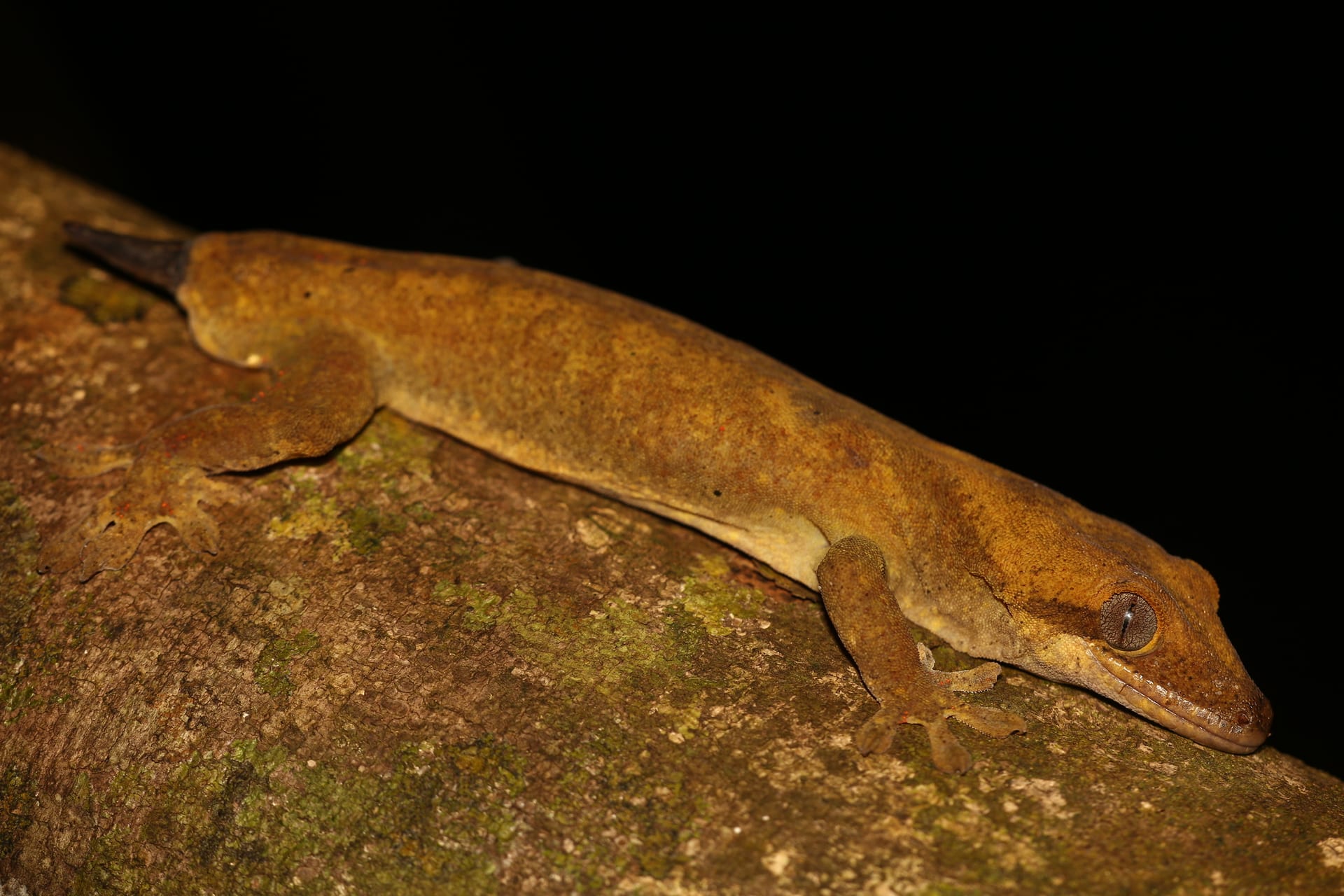
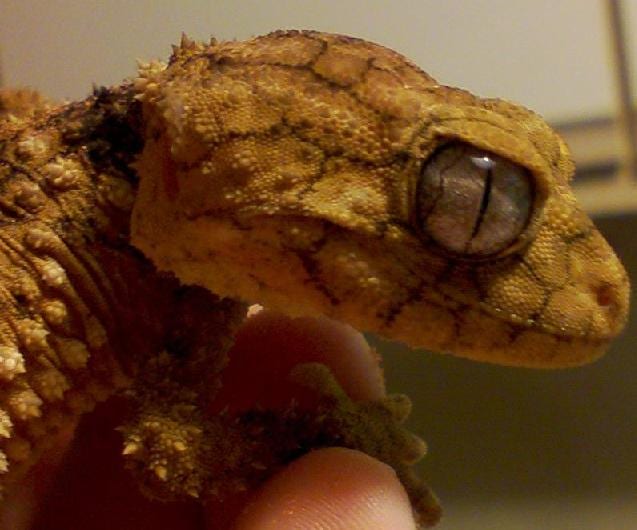
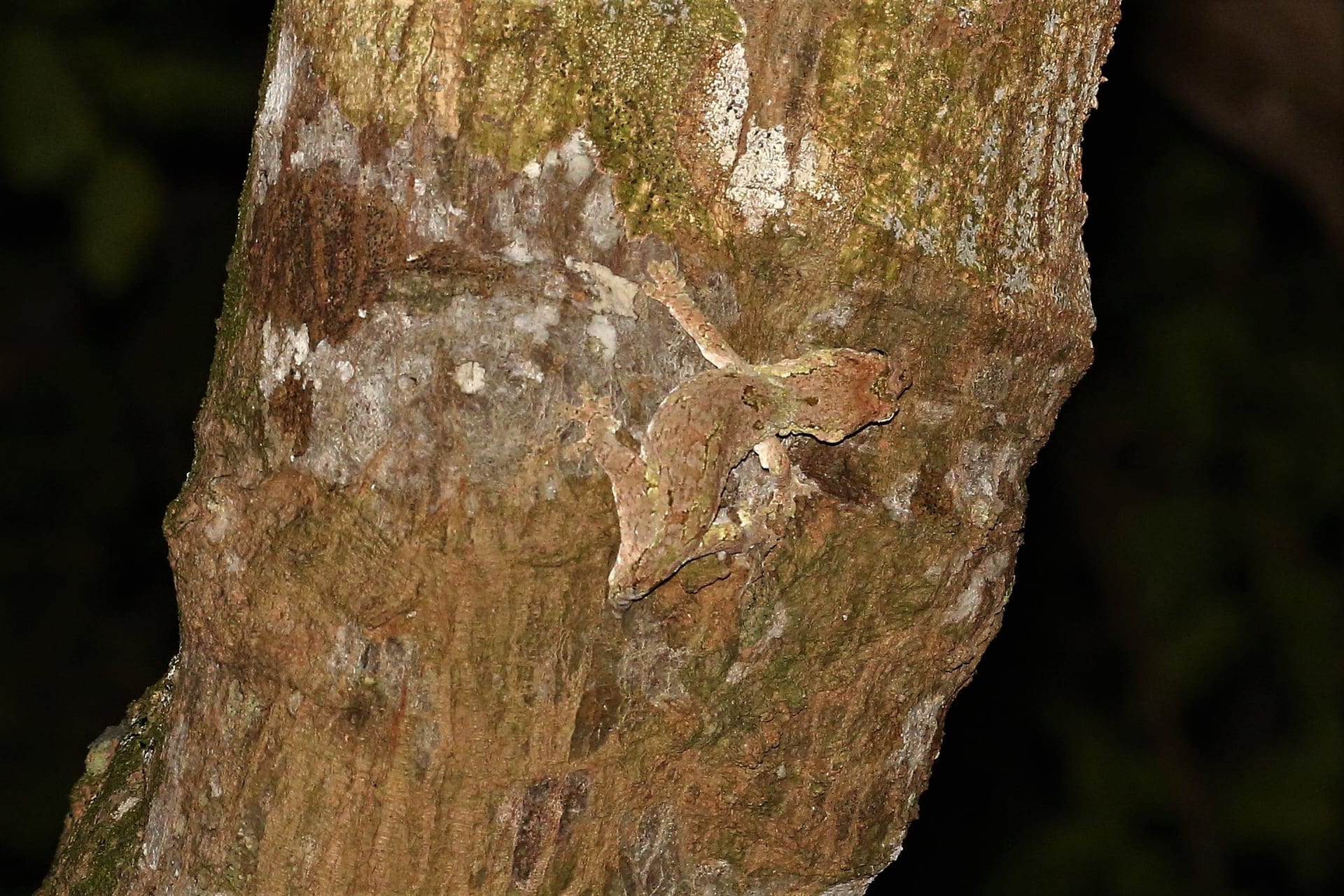
An arboreal gecko endemic to southern New Caledonia and the Île des Pins. Its moss or lichen-like pattern gives it its name, and its strong, fully prehensile tail is not dropped as readily as in its relatives.
Difficulty
Intermediate
Temperature
18〜29℃
Lifespan
15-20 years
Size
25-31cm
Humidity
60〜80%
Diet
Prepared fruit-based gecko diet, plus crickets and dubia roaches
About
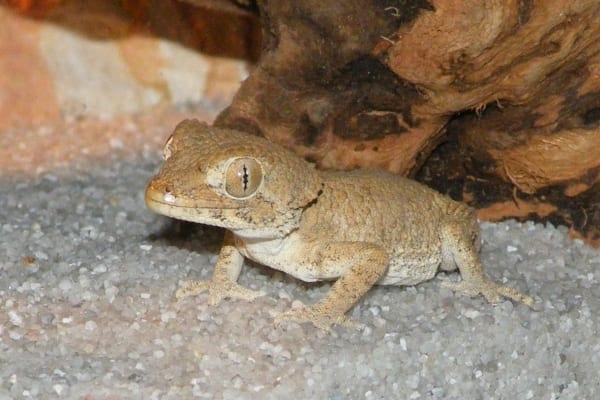
Mniarogekko chahoua is an arboreal gecko endemic to the southern part of New Caledonia and the outlying Île des Pins. Its English name comes from the moss or lichen-like pattern it displays, and colours range from rusty red and brown to green and grey, with animals from the outer islands more often showing lighter grey patterns, which some suggest may indicate origin. Adults reach 25 to 31 cm. The tail is strongly muscled and fully prehensile, and it is not dropped as readily as in related species. Like most New Caledonian geckos it is a seasonally dependent omnivore and frugivore, alternating between insects and fruit in the wild according to season and fruiting times, and sometimes taking small lizards. It lays two well-calcified eggs that adhere to one another shortly after laying, a trait unique among the Rhacodactylus group. The IUCN Red List assesses it as Vulnerable.
Source: Wikipedia (CC BY-SA 4.0)
Lifespan of the Mossy Prehensile-Tailed Gecko (Chahoua)
The Mossy Prehensile-Tailed Gecko (Chahoua) lives 15-20 years.
Size of the Mossy Prehensile-Tailed Gecko (Chahoua)
The Mossy Prehensile-Tailed Gecko (Chahoua) grows to 25-31cm.
Temperature & humidity for the Mossy Prehensile-Tailed Gecko (Chahoua)
The ideal temperature for the Mossy Prehensile-Tailed Gecko (Chahoua) is 18〜29℃. Ideal humidity is 60〜80%.
Basic Info
Origin
The southern part of the New Caledonian mainland and the outlying Île des Pins, in trees
Care Specifications
PeacefulSolitaryBreeding: Moderate
Sources: ReptiFiles: Chahoua Gecko Care Sheet / Wikipedia (English) / Reptile Database
References & Sources
Edited & verified by: BreederDirect editorial team
The taxonomic, regulatory, and husbandry data on this page are compiled and verified against the authoritative primary sources below.
Taxonomy & Authority
Accepted name: Mniarogekko chahoua (Bavay, 1869)
Synonyms: Platydactylus chahoua Bavay, 1869, Rhacodactylus chahoua (Bavay, 1869)
Authority databases: GBIF · Reptile Database
Nomenclature follows global taxonomic authority databases.
Regulations & Conservation Status
Not CITES-listedIUCN VU · Vulnerable
Not listed in any appendix of the Convention on International Trade in Endangered Species (CITES) (not registered in Species+). Does not fall under either the specified animals listed in the appended table of the Ordinance for Enforcement of the Animal Welfare and Management Law, nor the specified invasive alien species under the Invasive Alien Species Act.
Sources: CITES Appendices (species not listed) / IUCN Red List
Regulations may change. Always verify the latest information with the relevant authorities.
Mossy Prehensile-Tailed Gecko (Chahoua) Listings
Loading latest listingsFind listings for this species