Source: Wikimedia Commons
American Stag Beetle
AdvancedLucanus elaphus
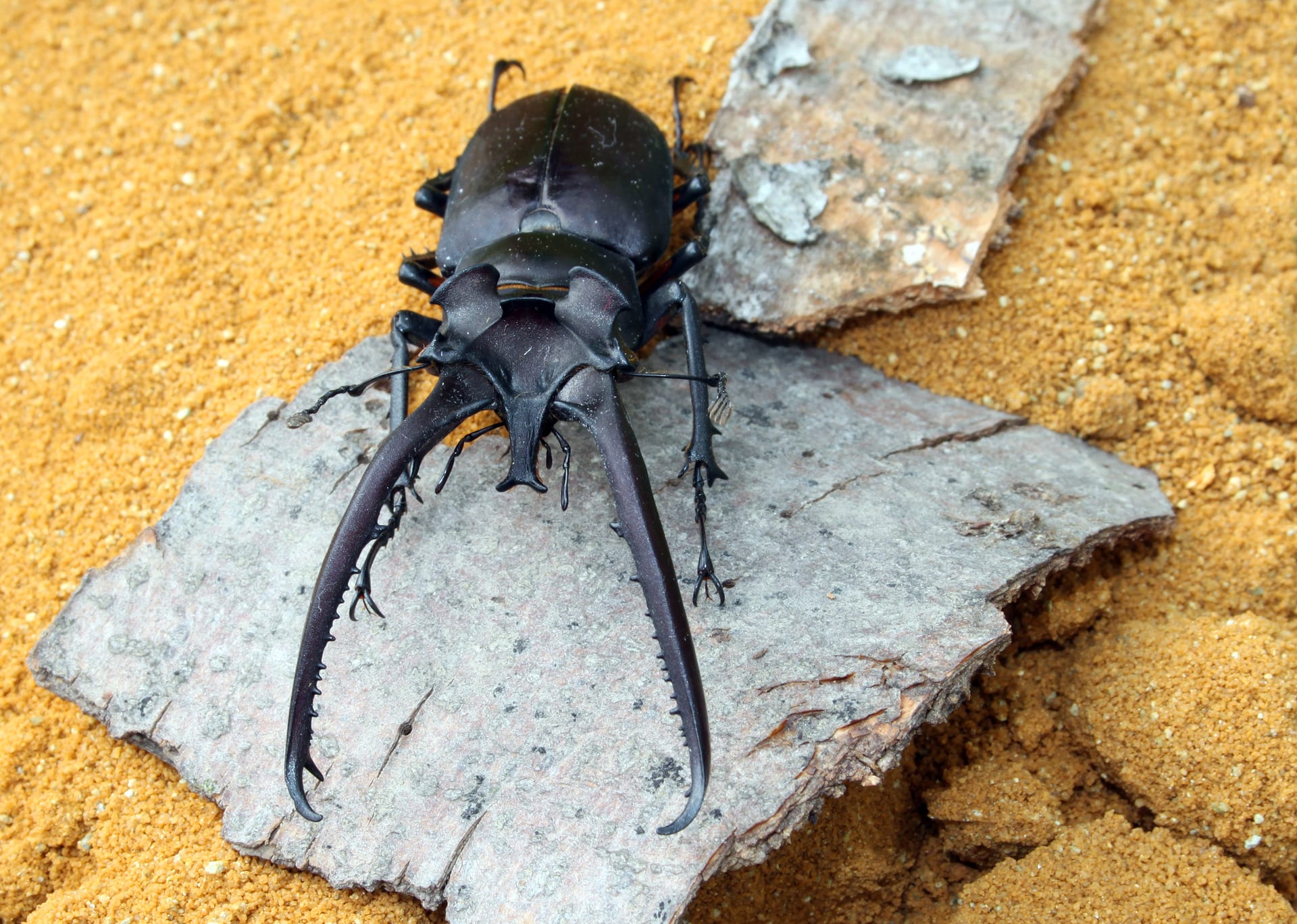
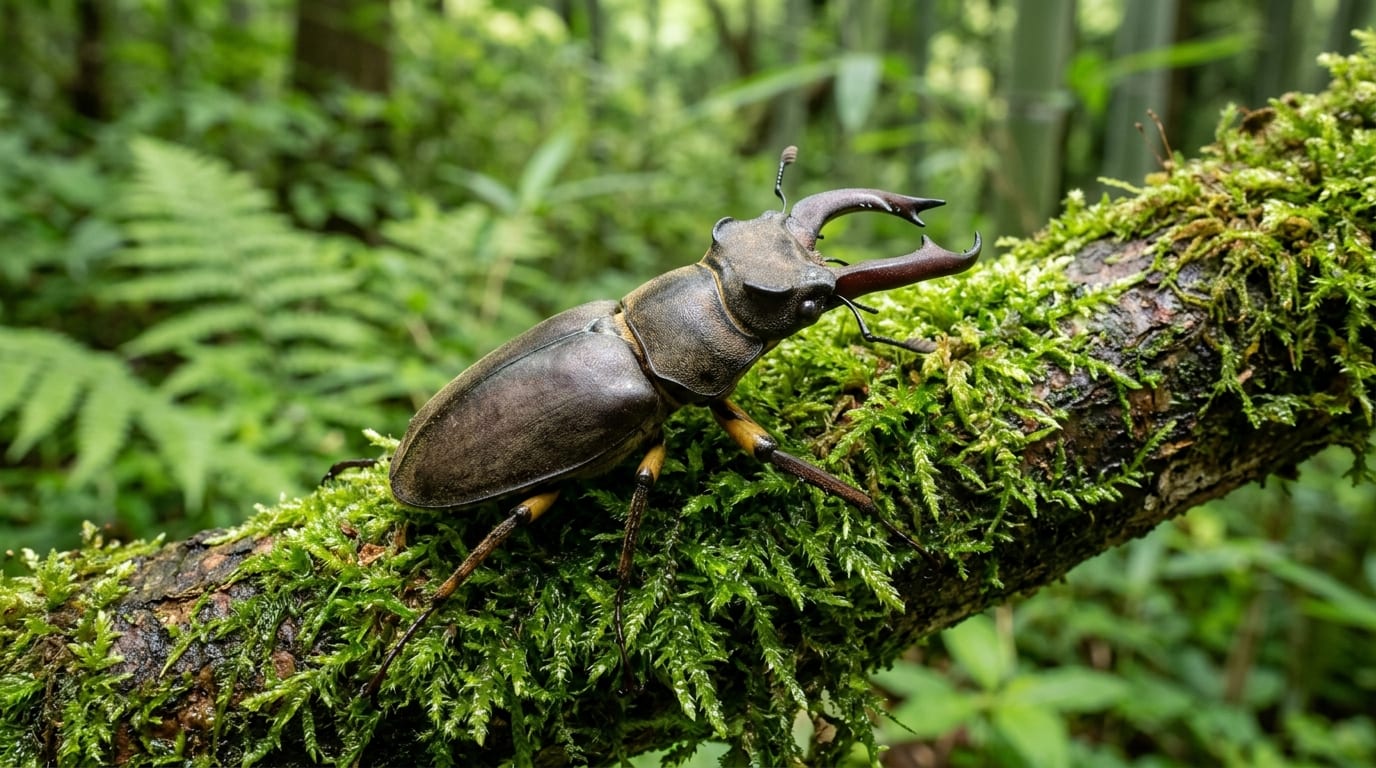
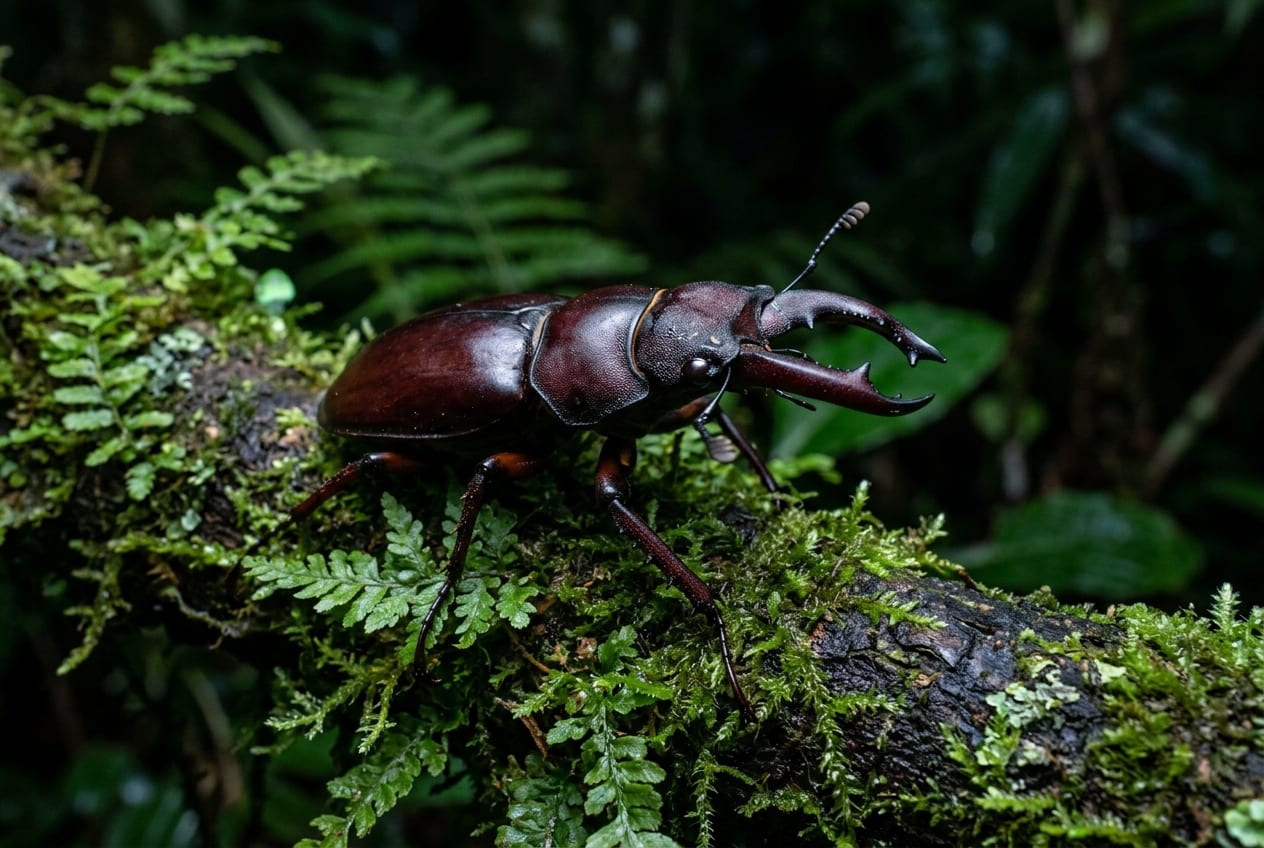
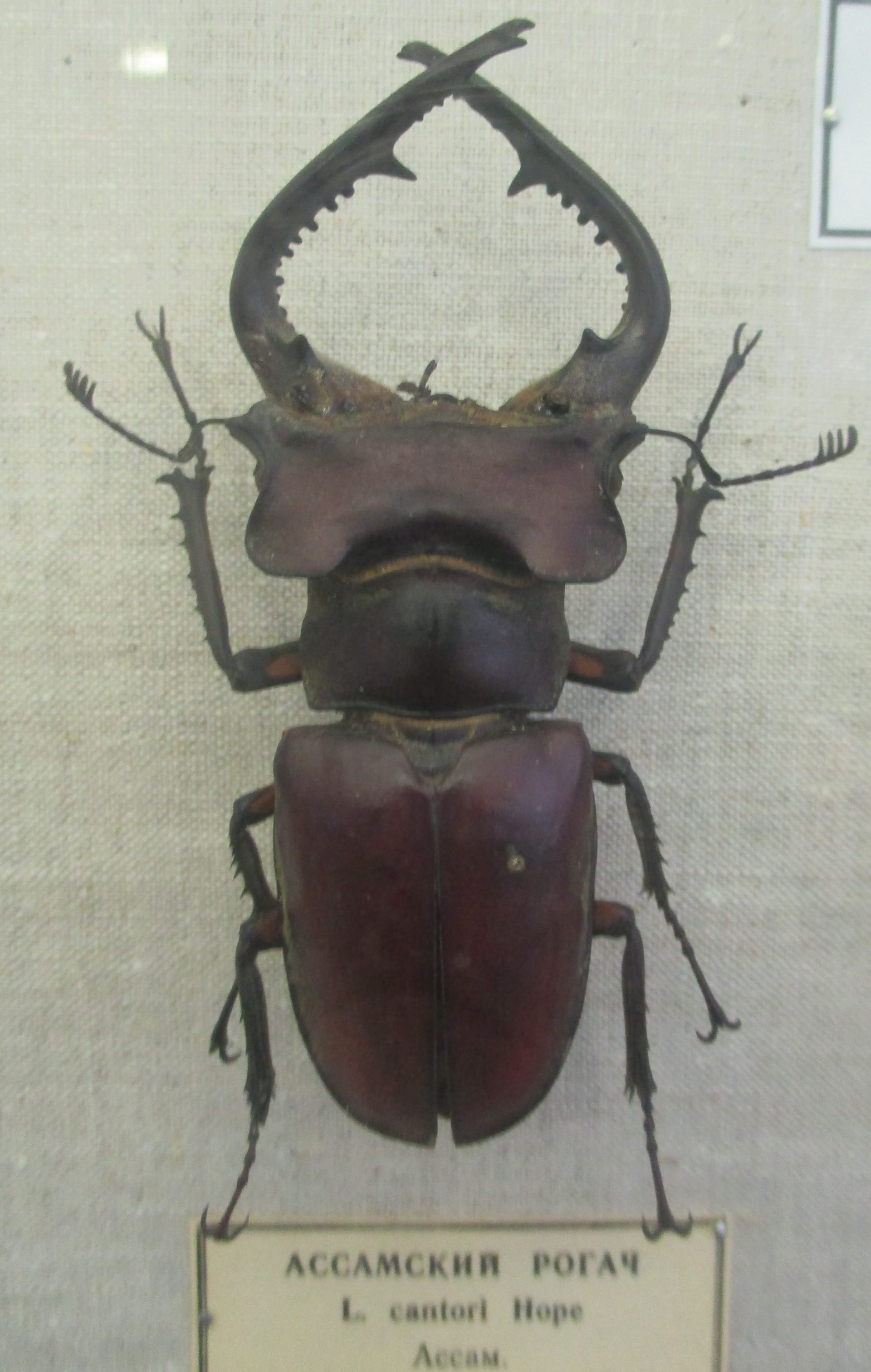
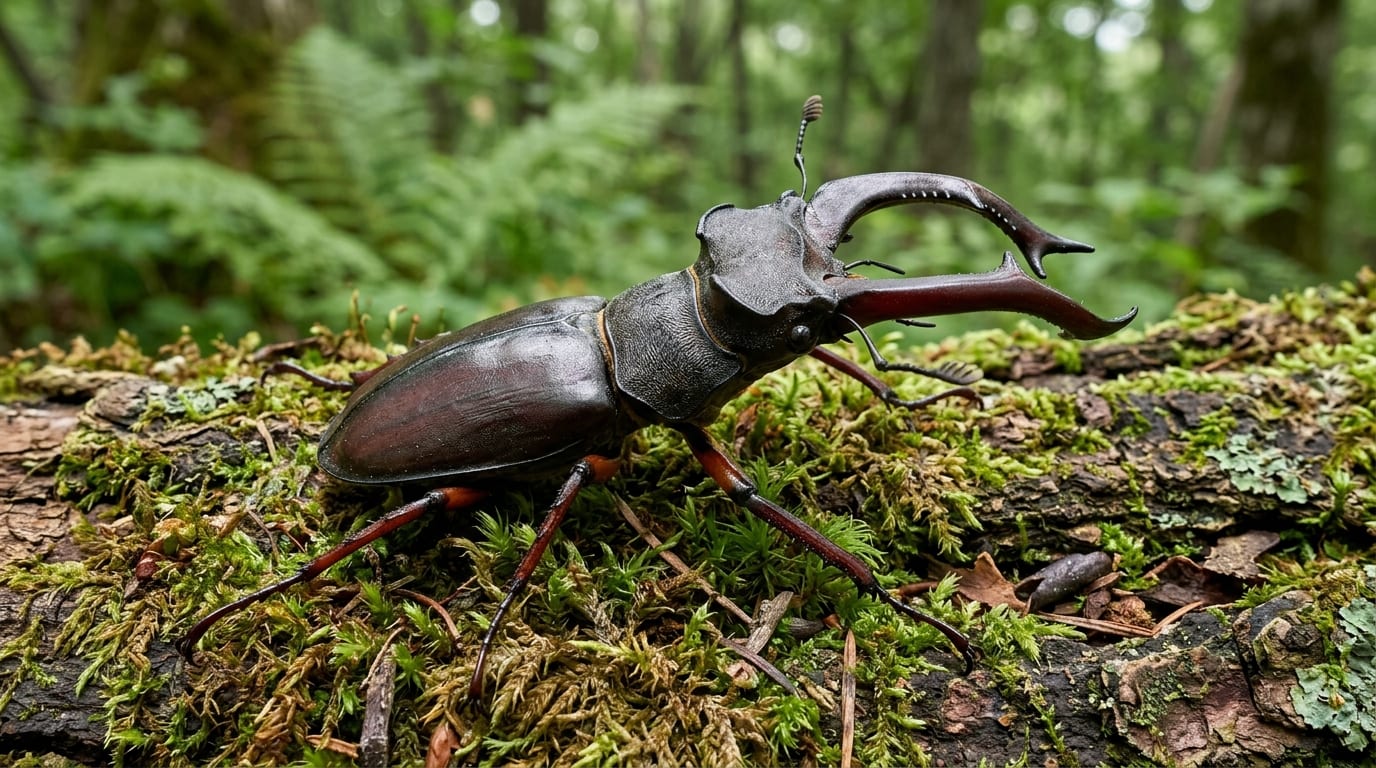
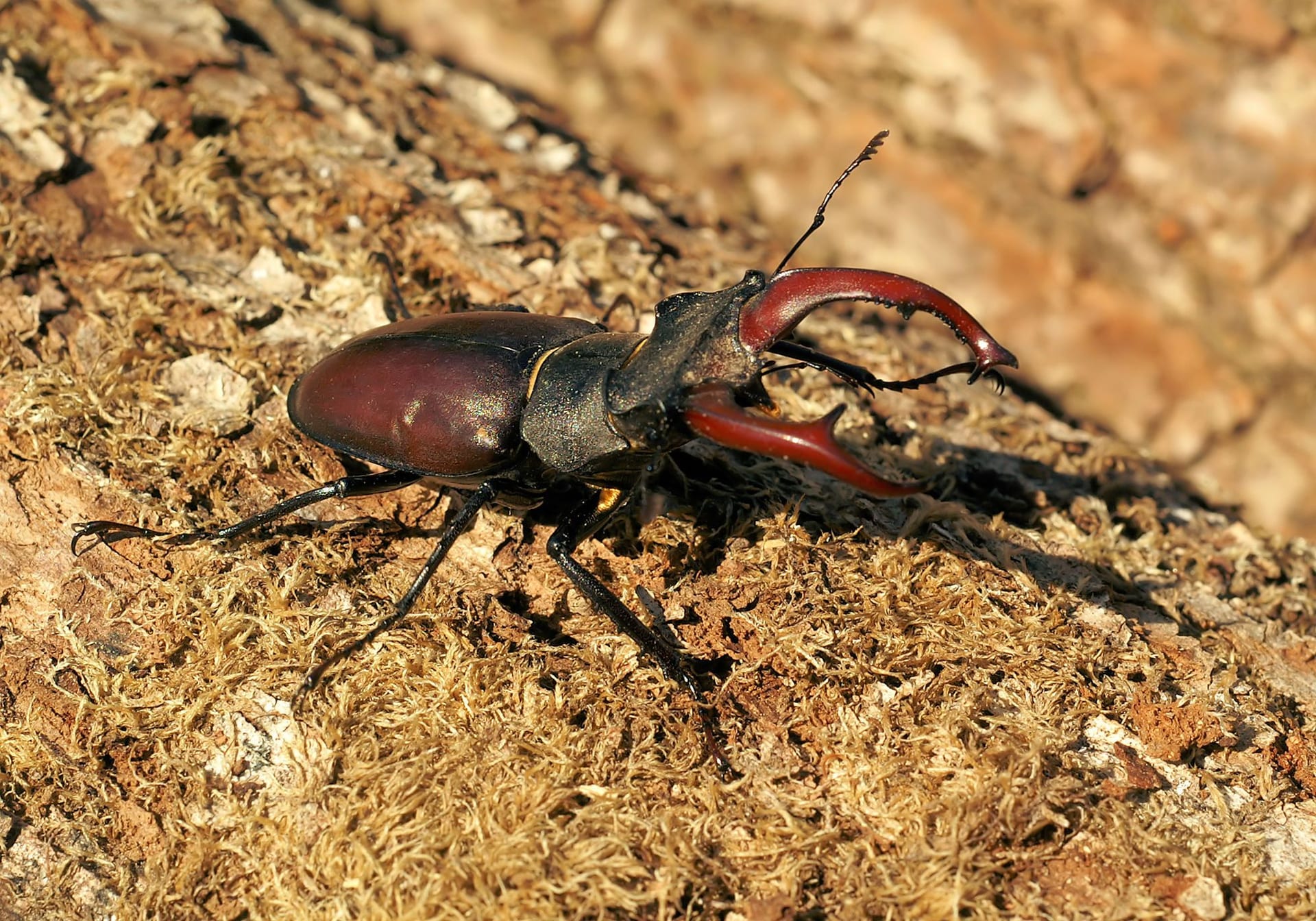
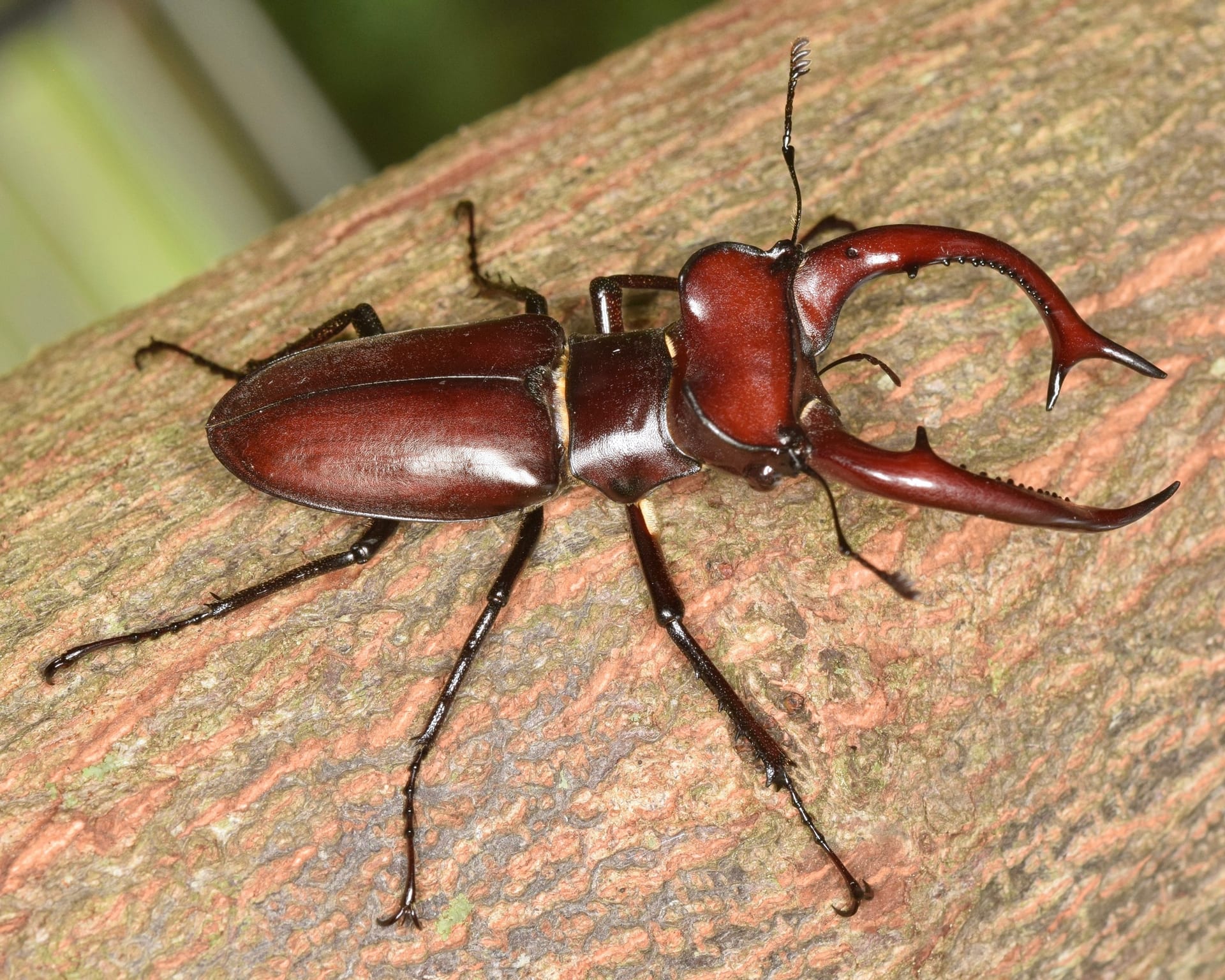
A Lucanus of eastern North America and the largest stag beetle on the continent, though smaller than the Japanese or European species. The epithet elaphus is Greek for deer.
Difficulty
Advanced
Temperature
20〜28℃
Lifespan
Adults 2-3 months
Size
Captive record 67.2mm, wild record 65.0mm
Humidity
60〜80%
Diet
Adults take beetle jelly; larvae eat fermented substrate
About
Lucanus elaphus is a stag beetle of eastern North America, known in English as the giant stag beetle or elk stag beetle; the name elephant stag beetle is regarded as an error. The epithet elaphus is Greek for deer, the same word as in Cervus elaphus, the red deer. It is somewhat smaller than the Japanese and European Lucanus yet is regarded as the largest stag beetle in North America. GBIF holds 2,633 records from the United States, spread across the eastern part of the continent. The BE-KUWA 2025 edition registers a captive record of 67.2mm and a wild record of 65.0mm. The beetle is sometimes kept as a pet.
Source: Wikipedia (CC BY-SA 4.0)
Lifespan of the American Stag Beetle
The American Stag Beetle lives Adults 2-3 months.
Size of the American Stag Beetle
The American Stag Beetle grows to Captive record 67.2mm, wild record 65.0mm.
Basic Info
Origin
Eastern North America (United States)
Lifespan
Adults 2-3 months
Size
Captive record 67.2mm, wild record 65.0mm
Temperature
20〜28℃
Humidity
60〜80%
Care Specifications
Breeding Records & Localities
Captive record (♂)
67.2 mm
Wild record (♂)
65 mm
Record source: BE-KUWA 2025 edition, captive records for foreign stag beetles (Elaphus: captive 67.2mm, Takehiro Yamamoto, registered 2009; wild 65.0mm, expected maximum 71mm)
Notable localities
Eastern North America
Generation codes
- WD
- Wild-caught
- WF1
- Offspring of a wild-caught female
- F1〜
- Captive generations (same locality)
- CBF1
- Cross-locality captive-bred (reset)
Sources: BE-KUWA Certified Breeding Records (Mushi-sha, FY2025 edition PDF, JA)
References & Sources
Edited & verified by: BreederDirect editorial team
The taxonomic, regulatory, and husbandry data on this page are compiled and verified against the authoritative primary sources below.
Taxonomy & Authority
Accepted name: Lucanus elaphus Fabricius, 1775
Authority databases: GBIF
Nomenclature follows global taxonomic authority databases.
Regulations & Conservation Status
Not CITES-listed
Sources: CITES Appendix (checklist.cites.org)
Regulations may change. Always verify the latest information with the relevant authorities.
American Stag Beetle Listings
Loading latest listingsFind listings for this species