Source: Wikimedia Commons
Herman's Stag Beetle
AdvancedLucanus hermani
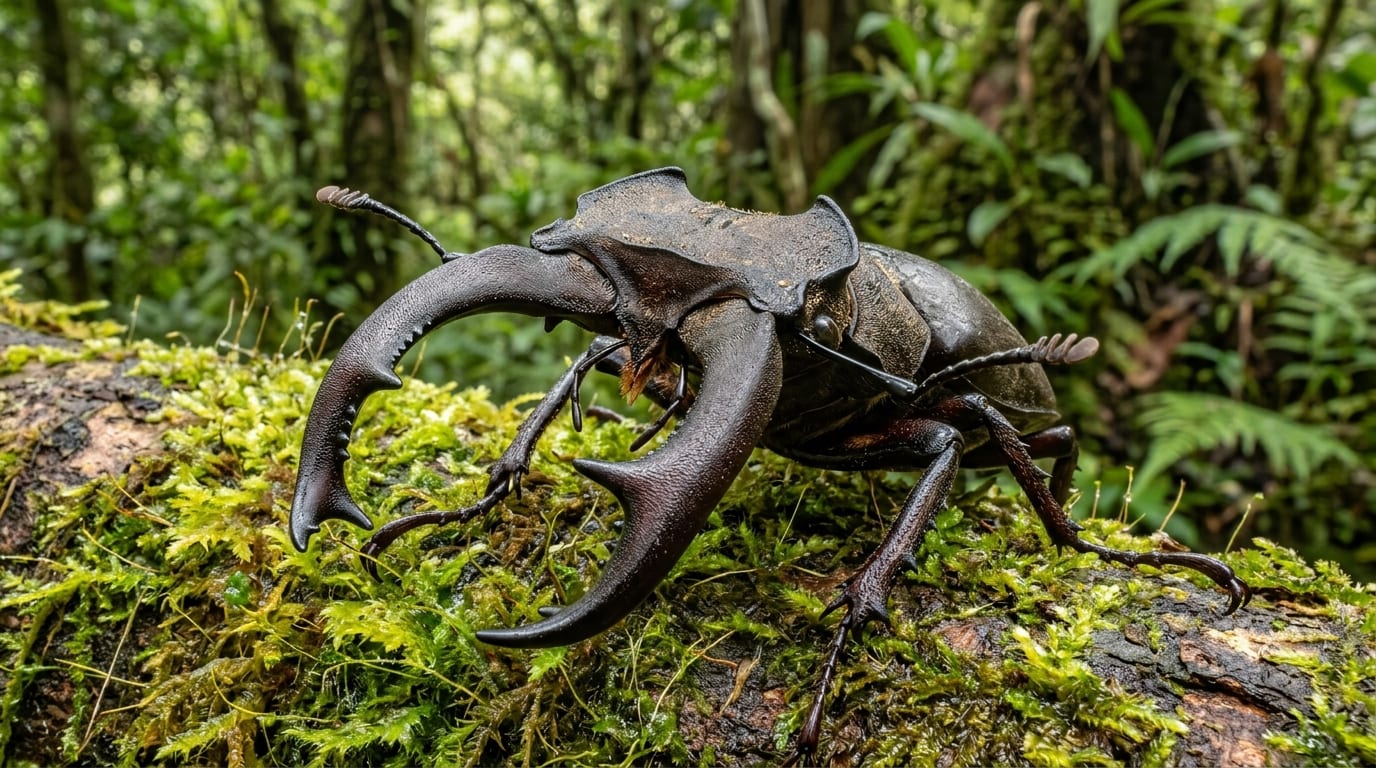
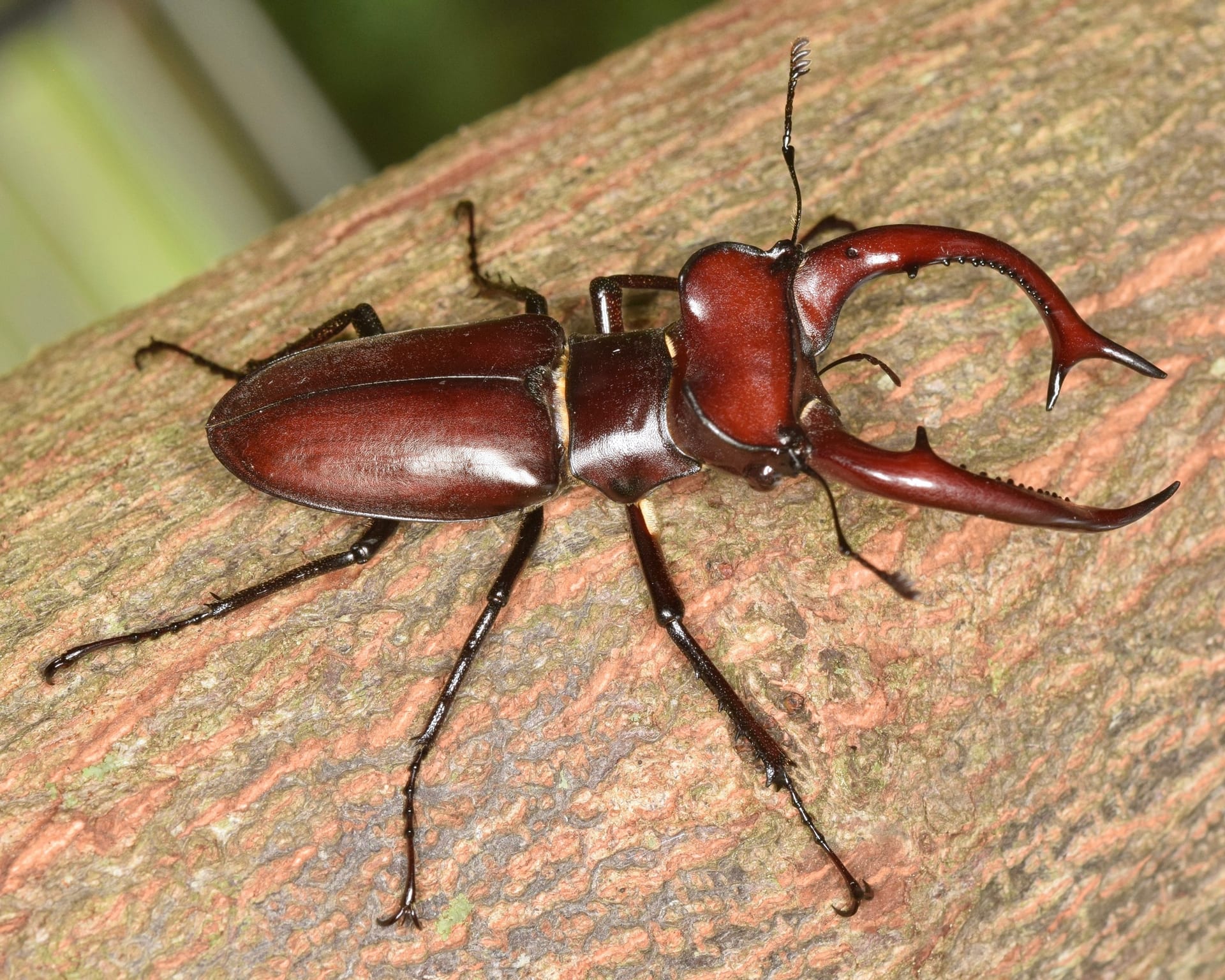
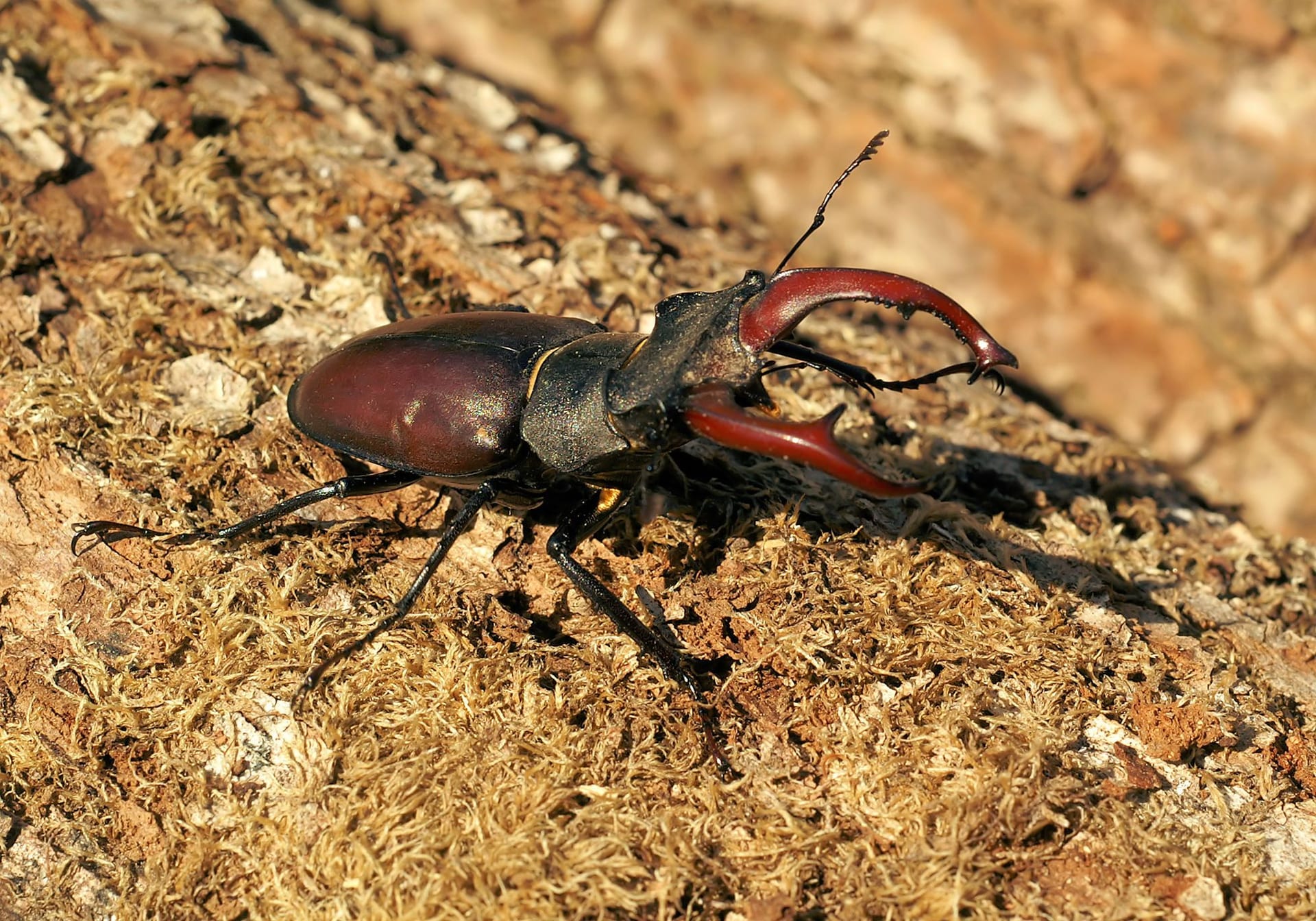
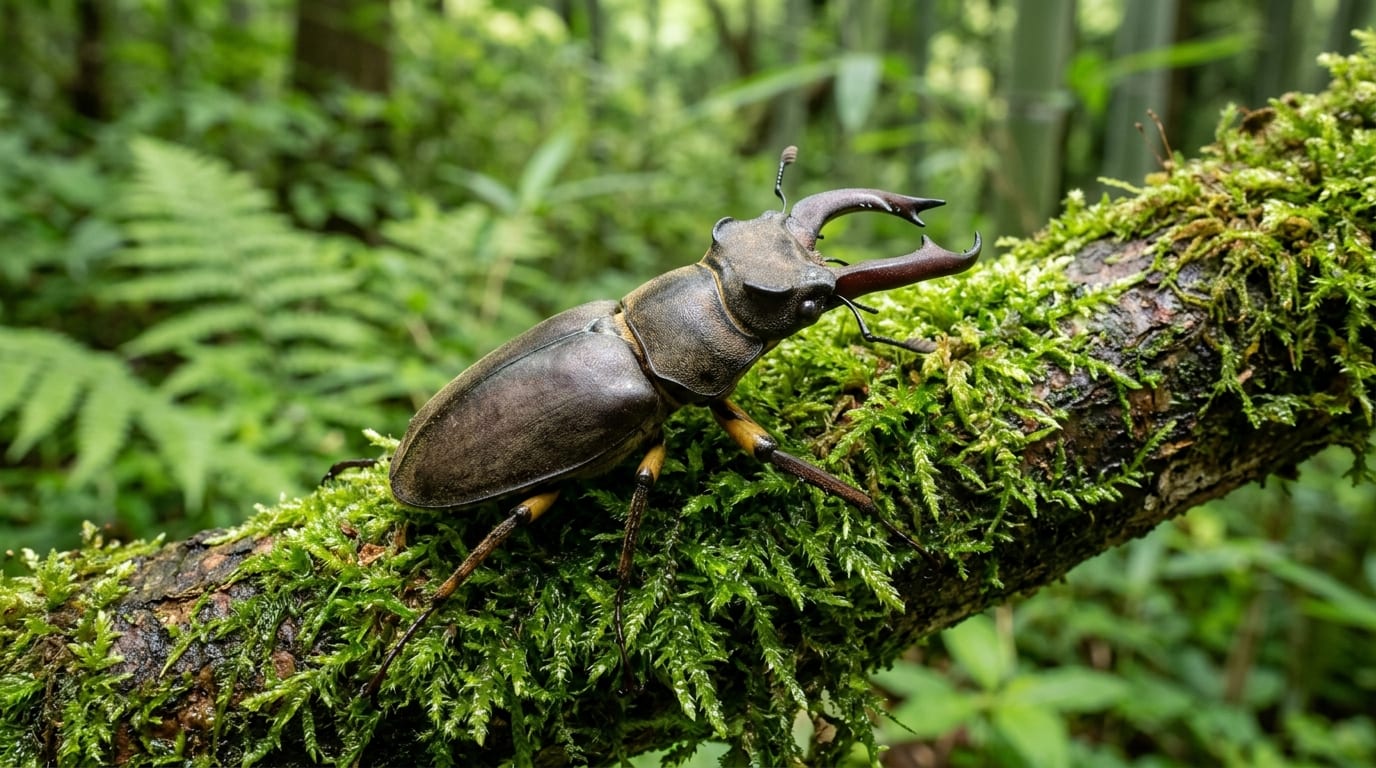
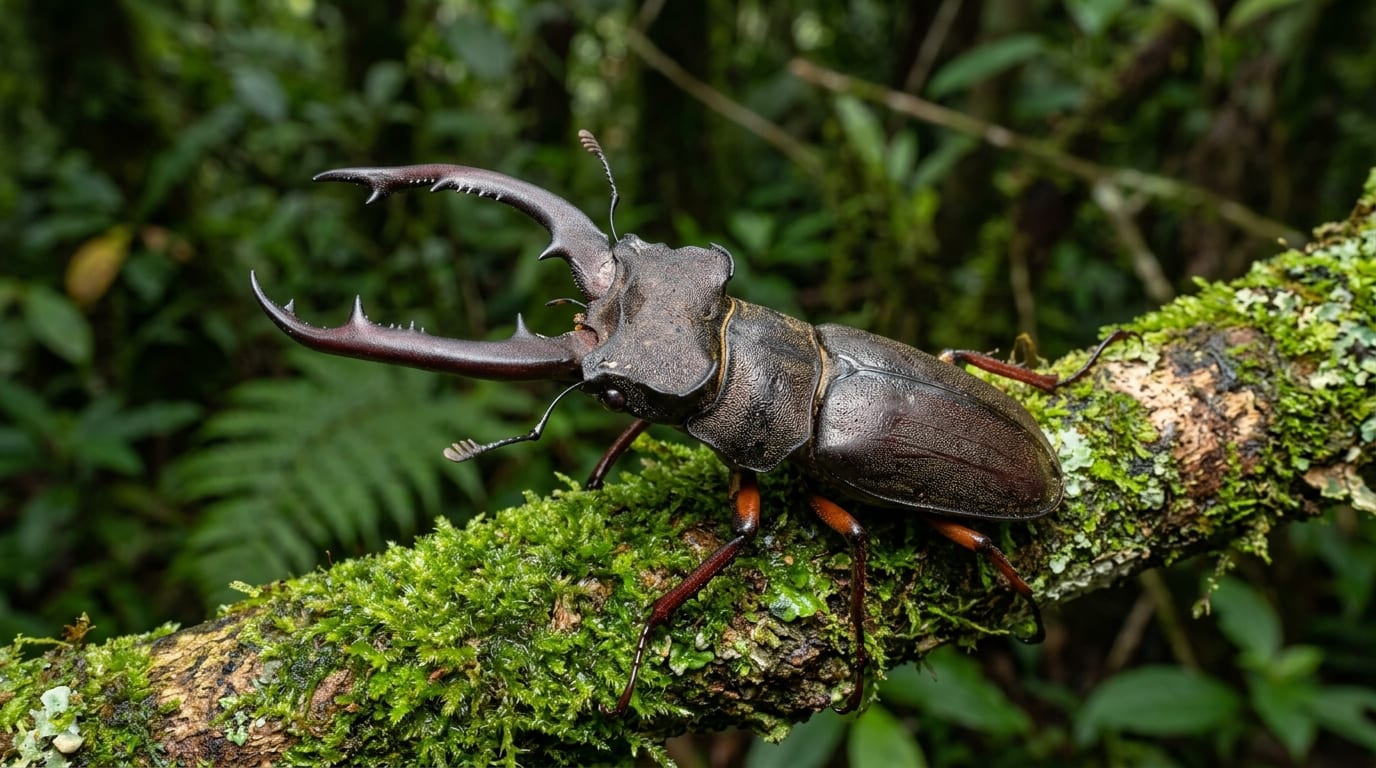
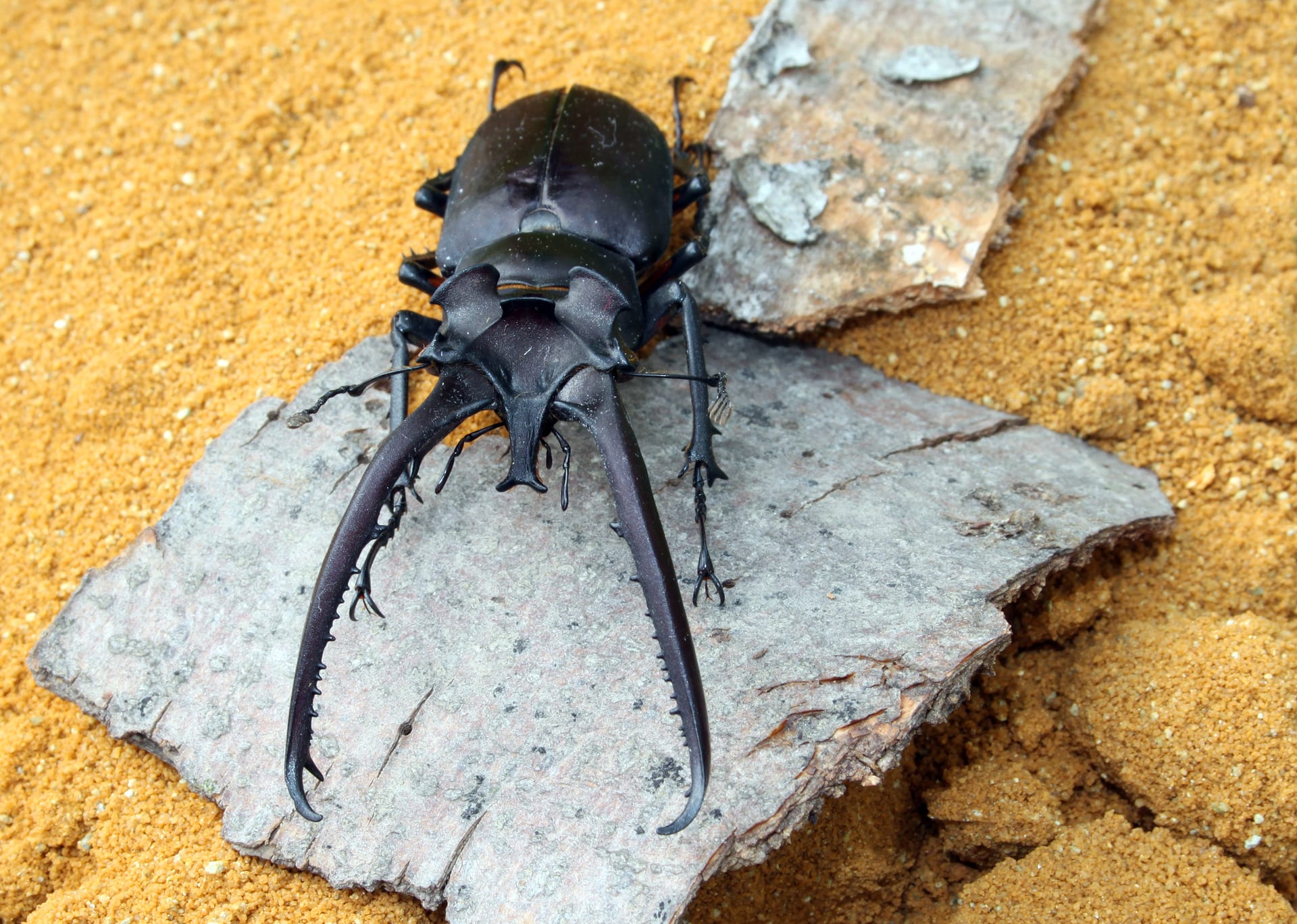
A large Lucanus from China. It closely resembles L. planeti but is told apart by the inner tooth at the base of the mandible. Its captive record of 92.1mm places it among the larger members of the genus.
Difficulty
Advanced
Temperature
20〜28℃
Lifespan
Adults 2-4 months
Size
Captive record 92.1mm, wild record 92.0mm
Humidity
60〜80%
Diet
Adults take beetle jelly; larvae eat fermented substrate
About
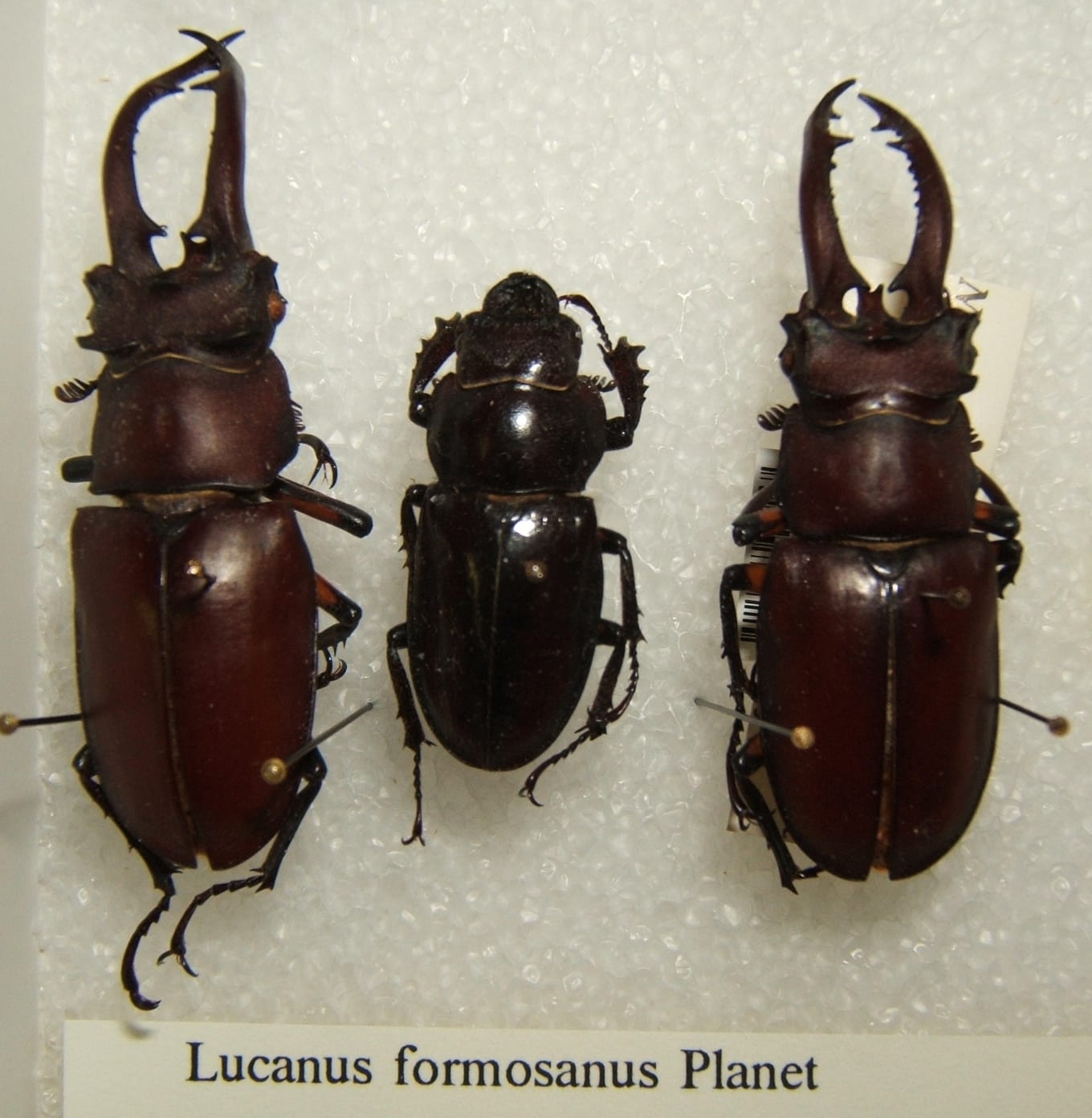
Lucanus hermani is a Chinese member of the genus Lucanus. It resembles L. planeti but is separated by the inner tooth at the base of the mandible. Specimen and observation records in GBIF cluster in China. The BE-KUWA 2025 edition registers a captive record of 92.1mm and a wild record of 92.0mm, which places it among the larger Lucanus. It reaches Japan as an imported stag beetle, and since it looks much like L. planeti and L. formosanus it is worth checking the locality and the name on the label. As with the genus generally, large beetles call for cool rearing, the larval stage is long, and many species rest after eclosion.
Source: Wikipedia (CC BY-SA 4.0)
Lifespan of the Herman's Stag Beetle
The Herman's Stag Beetle lives Adults 2-4 months.
Size of the Herman's Stag Beetle
The Herman's Stag Beetle grows to Captive record 92.1mm, wild record 92.0mm.
Basic Info
Origin
China
Lifespan
Adults 2-4 months
Size
Captive record 92.1mm, wild record 92.0mm
Temperature
20〜28℃
Humidity
Care Specifications
Breeding Records & Localities
Captive record (♂)
92.1 mm
Wild record (♂)
92 mm
Record source: BE-KUWA 2025 edition, captive records for foreign stag beetles (Herman: captive 92.1mm, Hitoshi Morishita, registered 2010; wild 92.0mm, expected maximum 97mm)
Notable localities
China
Generation codes
- WD
- Wild-caught
- WF1
- Offspring of a wild-caught female
- F1〜
- Captive generations (same locality)
- CBF1
- Cross-locality captive-bred (reset)
Sources: BE-KUWA Certified Breeding Records (Mushi-sha, FY2025 edition PDF, JA)
References & Sources
Edited & verified by: BreederDirect editorial team
The taxonomic, regulatory, and husbandry data on this page are compiled and verified against the authoritative primary sources below.
Taxonomy & Authority
Accepted name: Lucanus hermani de Lisle, 1973
Authority databases: GBIF
Nomenclature follows global taxonomic authority databases.
Regulations & Conservation Status
Not CITES-listed
Sources: CITES Appendix (checklist.cites.org)
Regulations may change. Always verify the latest information with the relevant authorities.
Herman's Stag Beetle Listings
Loading latest listingsFind listings for this species