Source: Wikimedia Commons
Russian Tsvetnaya Bolonka
BeginnerCanis lupus familiaris
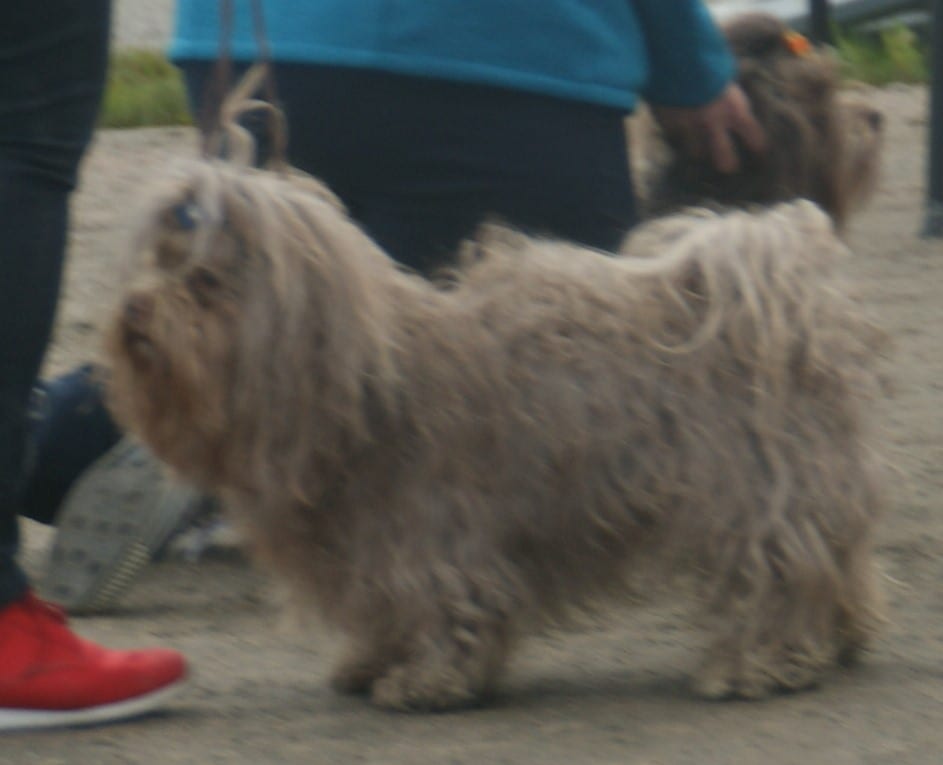
A small companion dog whose Russian name means 'coloured lapdog', with a long curly coat in any colour but white and a beard and moustache; created in post-war Leningrad.
Difficulty
Beginner
Temperature
15〜26℃ (typical for Dog)
Lifespan
14-20 years
Size
Height up to 26cm / Weight 3-4kg
Diet
Small-breed complete food
About
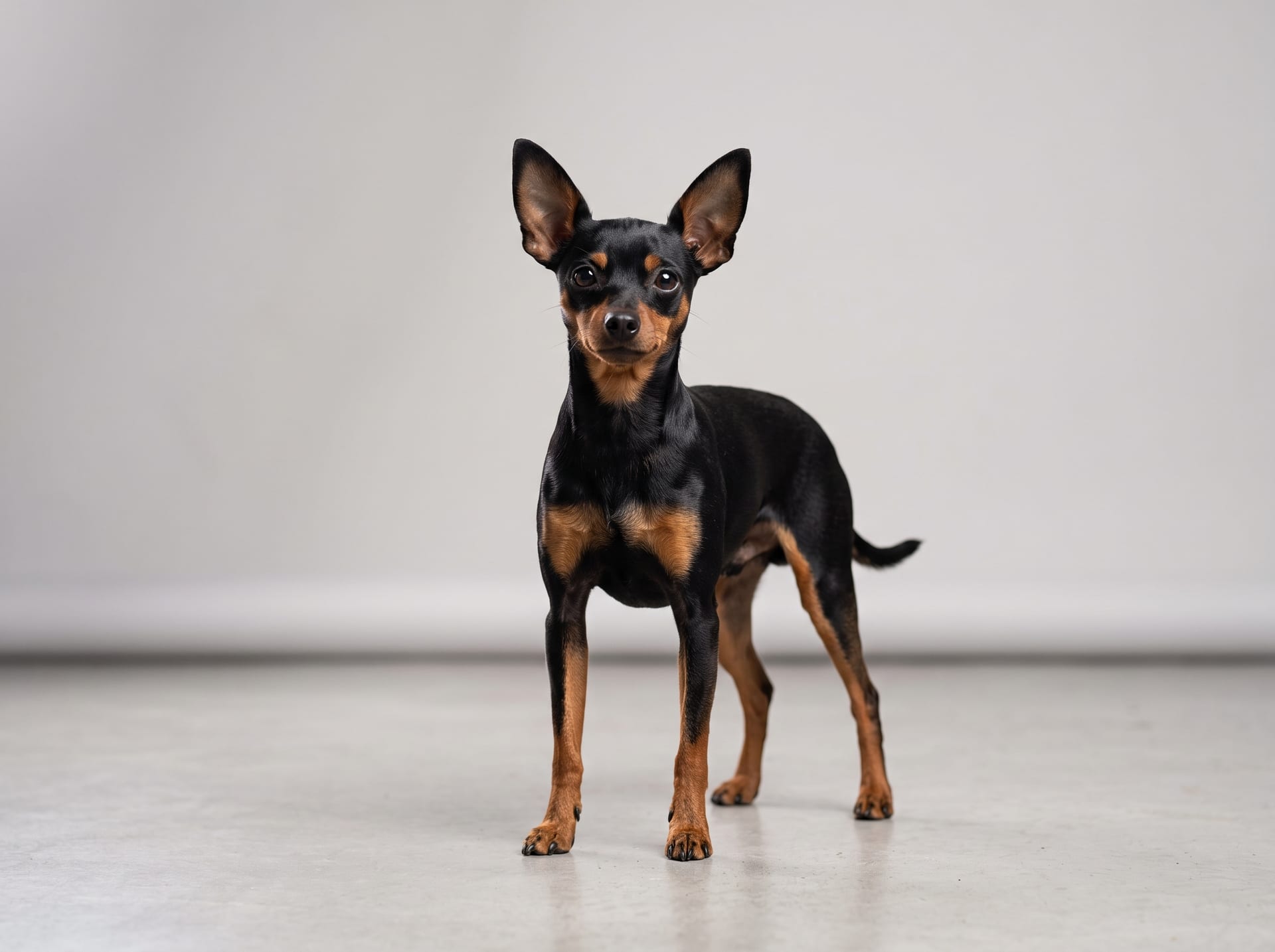
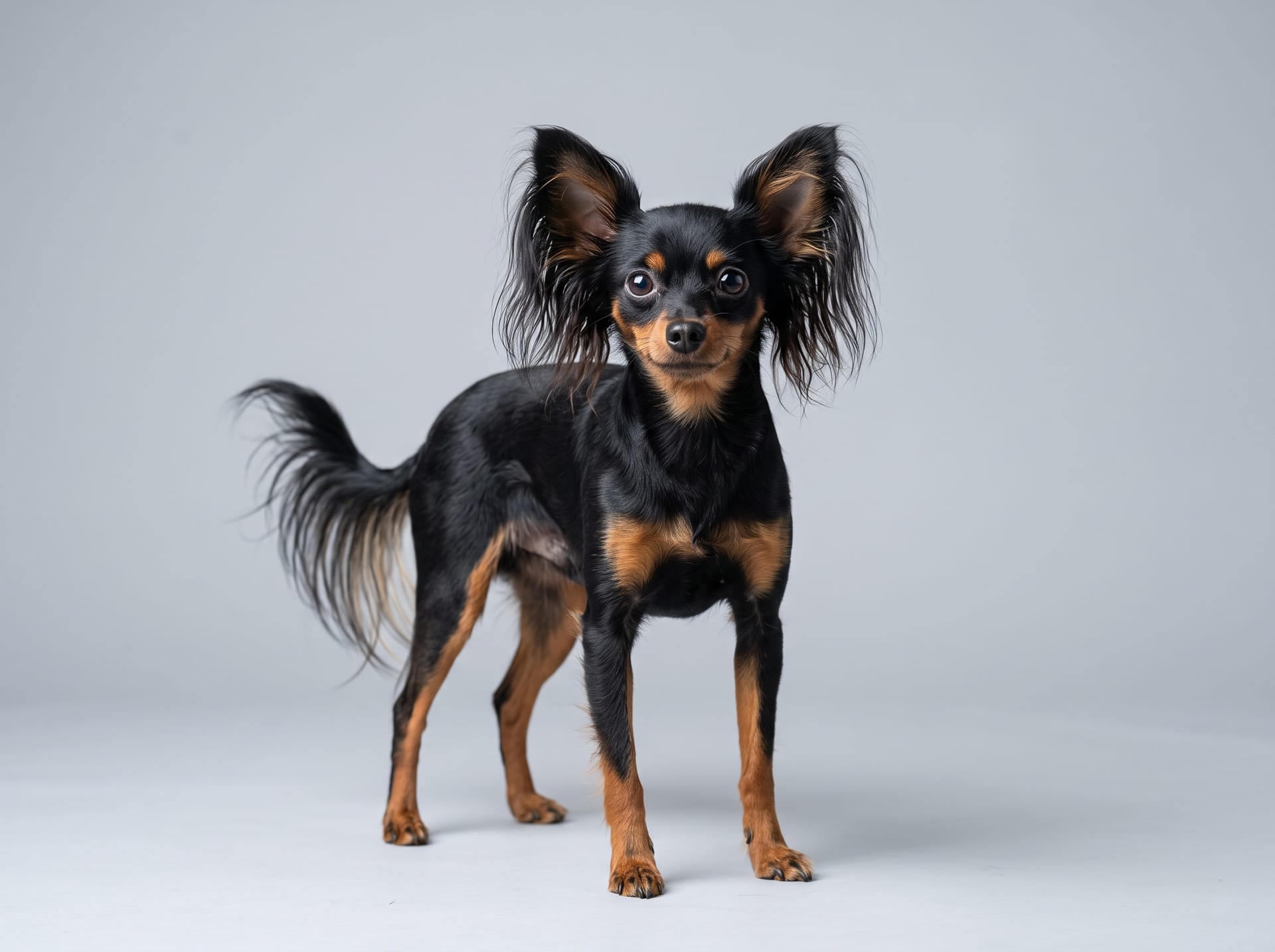
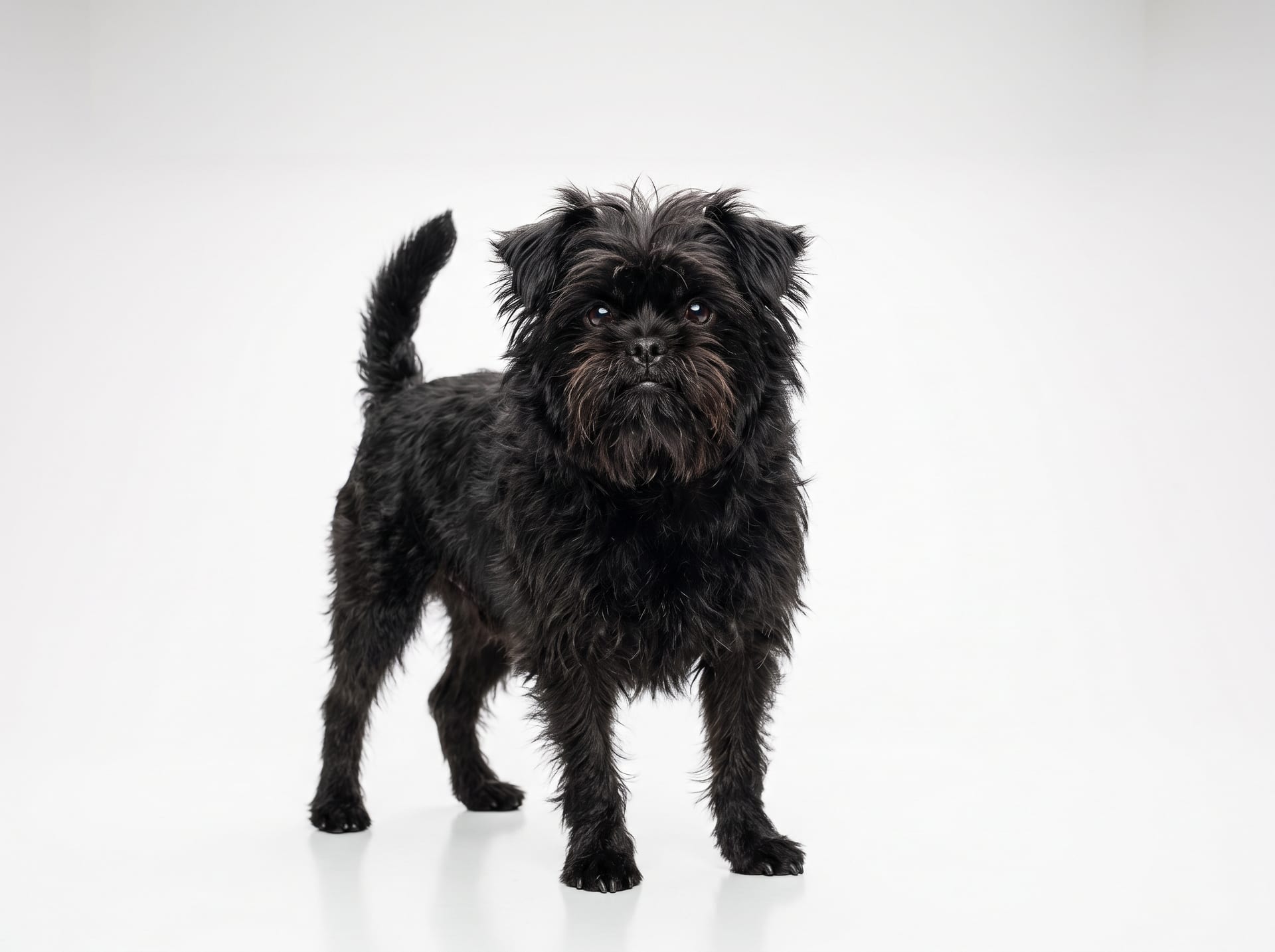
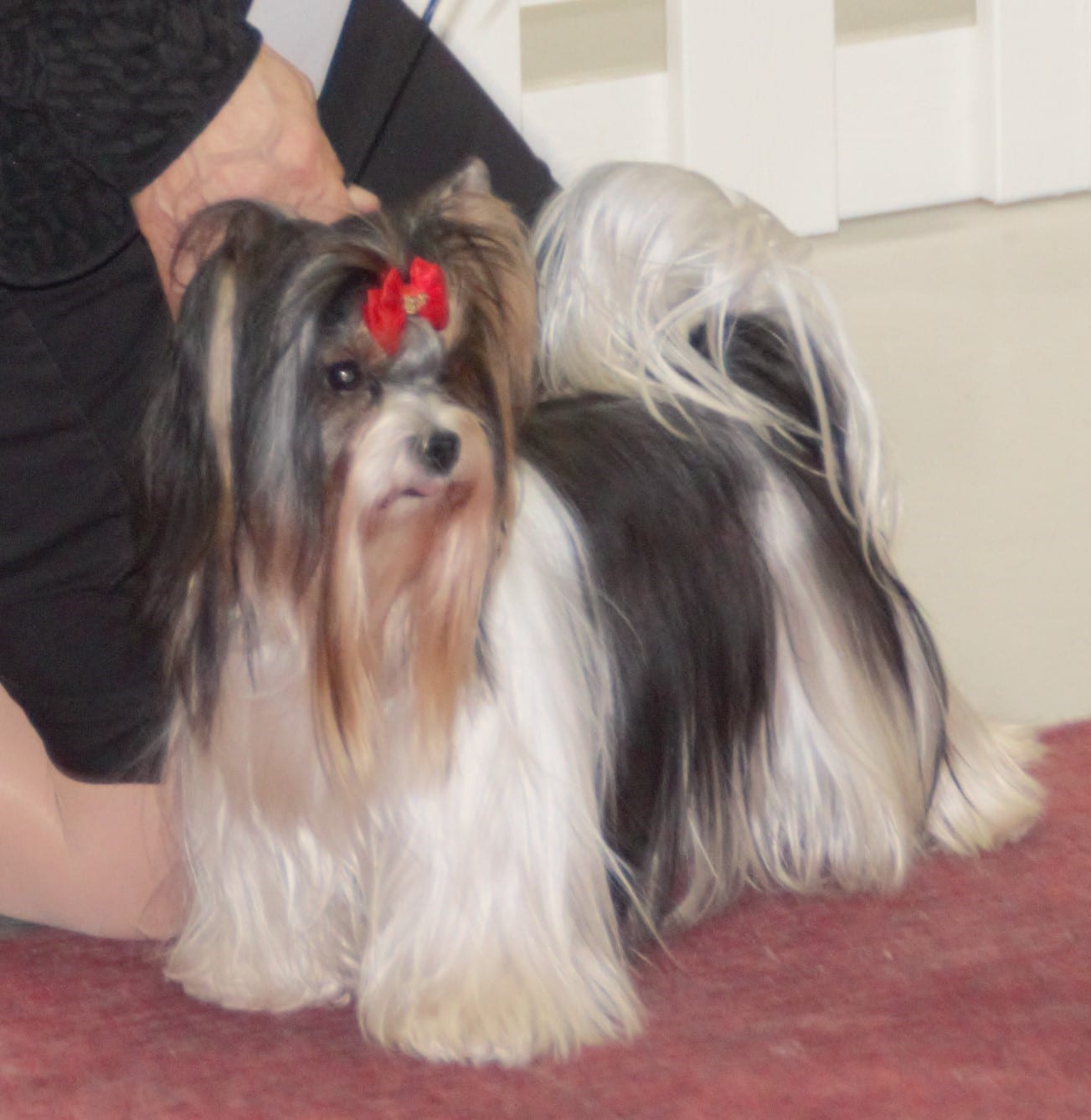
The Russian Tsvetnaya Bolonka is a companion dog created in the former Soviet Union after the Second World War. According to the AKC standard, enthusiasts in Leningrad developed it from small silky-coated dogs without pedigrees, aiming for an ideal apartment companion, and introduced breeds such as the Maltese, Shih Tzu and Bolognese to improve the coat. The first breed standard was approved in 1966. The Russian Kynological Federation (RKF) maintains the breed standard in its country of origin, but the FCI does not recognise the breed. The AKC has recorded it in its Foundation Stock Service since 2015 and has published an official standard. The coat is long, dense and soft, in large curls or strong waves, with a beard and moustache. Any colour is allowed except solid white, spotted/parti-colour and merle, with small white markings on the chest and toes tolerated. It is cheerful and affectionate and friendly to people and other animals. The US breed club requires patella, eye and cardiac evaluations and a DNA test for PRA in breeding stock, and the AKC advises not letting puppies jump from heights. A small number of breeders produce it in Japan and it is rarely available.
Lifespan of the Russian Tsvetnaya Bolonka
The Russian Tsvetnaya Bolonka lives 14-20 years.
Size of the Russian Tsvetnaya Bolonka
The Russian Tsvetnaya Bolonka grows to Height up to 26cm / Weight 3-4kg.
The RKF standard gives a desired height of up to 26cm (over 28cm disqualifies) and a weight of 3-4kg.
Basic Info
Origin
Russia
Lifespan
14-20 years
Size
References & Sources
Edited & verified by: BreederDirect editorial team
The taxonomic, regulatory, and husbandry data on this page are compiled and verified against the authoritative primary sources below.
Primary sources
- Species+ (Canis lupus; domesticated form excluded)
- Ministry of the Environment, Japan: list of Invasive Alien Species
- RKF breed standard (Russkaya Tsvetnaya Bolonka)
- AKC breed standard (Russian Tsvetnaya Bolonka)
- AKC breed information (Russian Tsvetnaya Bolonka)
- Russian Tsvetnaya Bolonka Club of America health statement (2022)
- GBIF
- MSW3
Taxonomy & Authority
Regulations & Conservation Status
Not CITES-listed
Domestic dogs (Canis lupus familiaris) are excluded from the CITES appendices and are not listed as Invasive Alien Species or Specified Animals under Japanese law, so no special permit is needed. Under Japan's Rabies Prevention Act, dogs must be registered with the local municipality and vaccinated against rabies once a year.
Sources: Species+ (Canis lupus; domesticated form excluded) / Ministry of the Environment, Japan: list of Invasive Alien Species
Regulations may change. Always verify the latest information with the relevant authorities.
Russian Tsvetnaya Bolonka Listings
Loading latest listingsFind listings for this species