A Complete Guide to Gastric Dilatation-Volvulus (GDV) in Dogs | Symptoms, Emergency Response, Surgery, and Prevention
A thorough guide to gastric dilatation-volvulus (GDV) in dogs: symptoms, diagnosis, surgery, recovery, and prevention strategies. Essential information for all large breed dog owners about this life-threatening emergency.
Key Takeaways
A thorough guide to gastric dilatation-volvulus (GDV) in dogs: symptoms, diagnosis, surgery, recovery, and prevention strategies. Essential information for all large breed dog owners about this life-threatening emergency.
Related Species
What is Gastric Dilatation-Volvulus (GDV)?
Gastric dilatation-volvulus in dogs, formally known as gastric dilatation-volvulus syndrome (GDV), is a life-threatening emergency that occurs when the stomach rapidly fills with gas and food (gastric dilatation) and then twists on itself (volvulus) in a two-stage process that unfolds within minutes.
When the stomach rotates, the exits to the esophagus and small intestine become blocked simultaneously, trapping all contents and gas inside. The blood vessels supporting the stomach become constricted, cutting off blood flow to the stomach wall and surrounding tissues. When blood flow stops, tissue necrosis begins and toxins spread throughout the body. From onset to appropriate treatment, there is only a window of a few hours, making this one of the most urgent conditions in canine emergency medicine.
As the stomach expands significantly, the diaphragm becomes compressed, making breathing difficult, and the vena cava becomes compressed, reducing blood return to the heart. This can cascade into multi-organ failure, so contacting an animal hospital immediately at the first sign that something might be wrong is the top priority.
High-Risk Breeds and Contributing Factors
While GDV can occur in any dog, the risk varies significantly based on body type and breed. The following breeds are considered to have particularly high risk:
| Breed | Reason for High Risk |
|---|---|
| Great Dane | Giant breed with extremely deep chest |
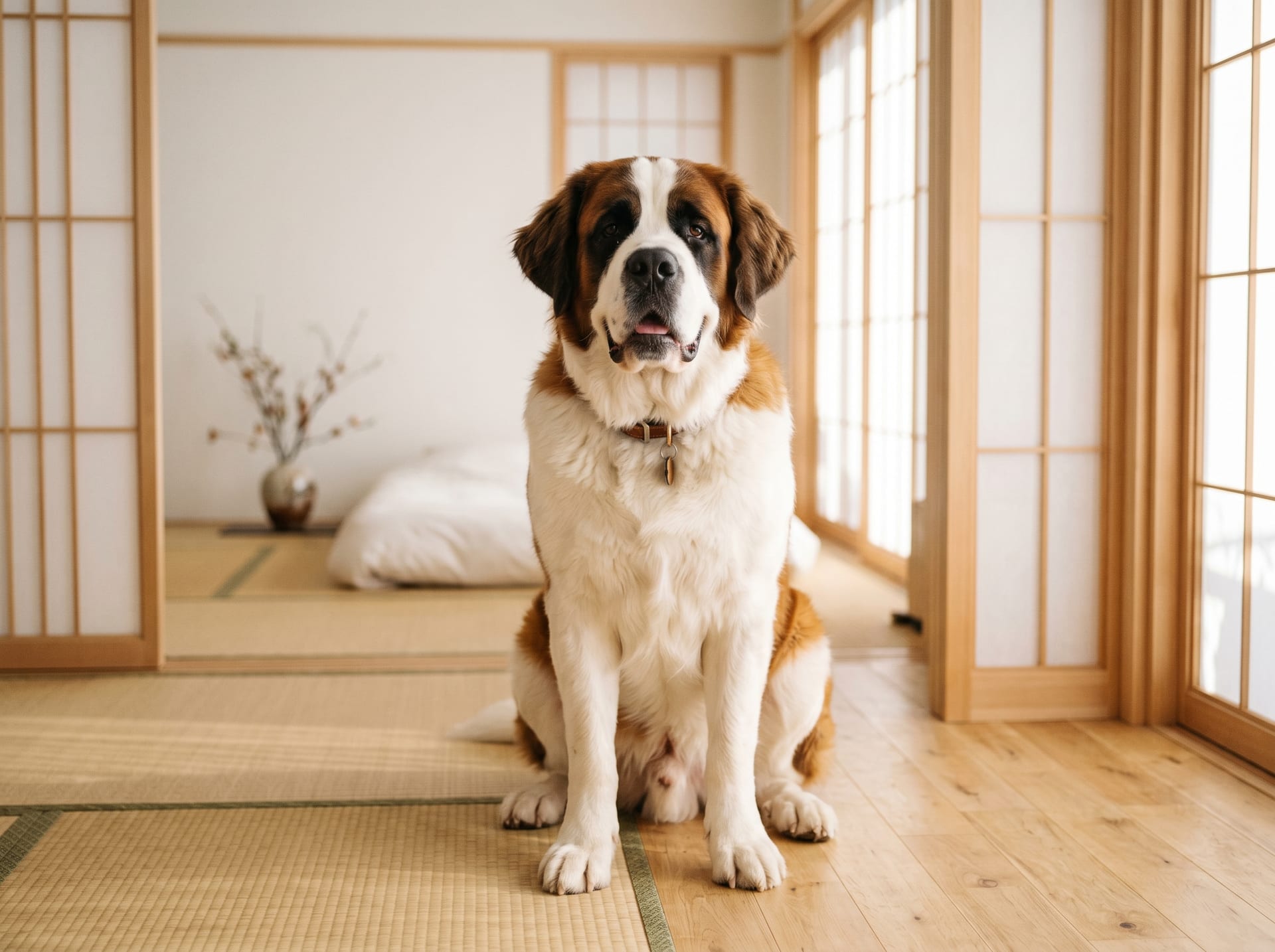
| Saint Bernard | Giant breed with wide abdominal cavity |
| German Shepherd | Large breed with specific thoracic-to-abdominal ratio |
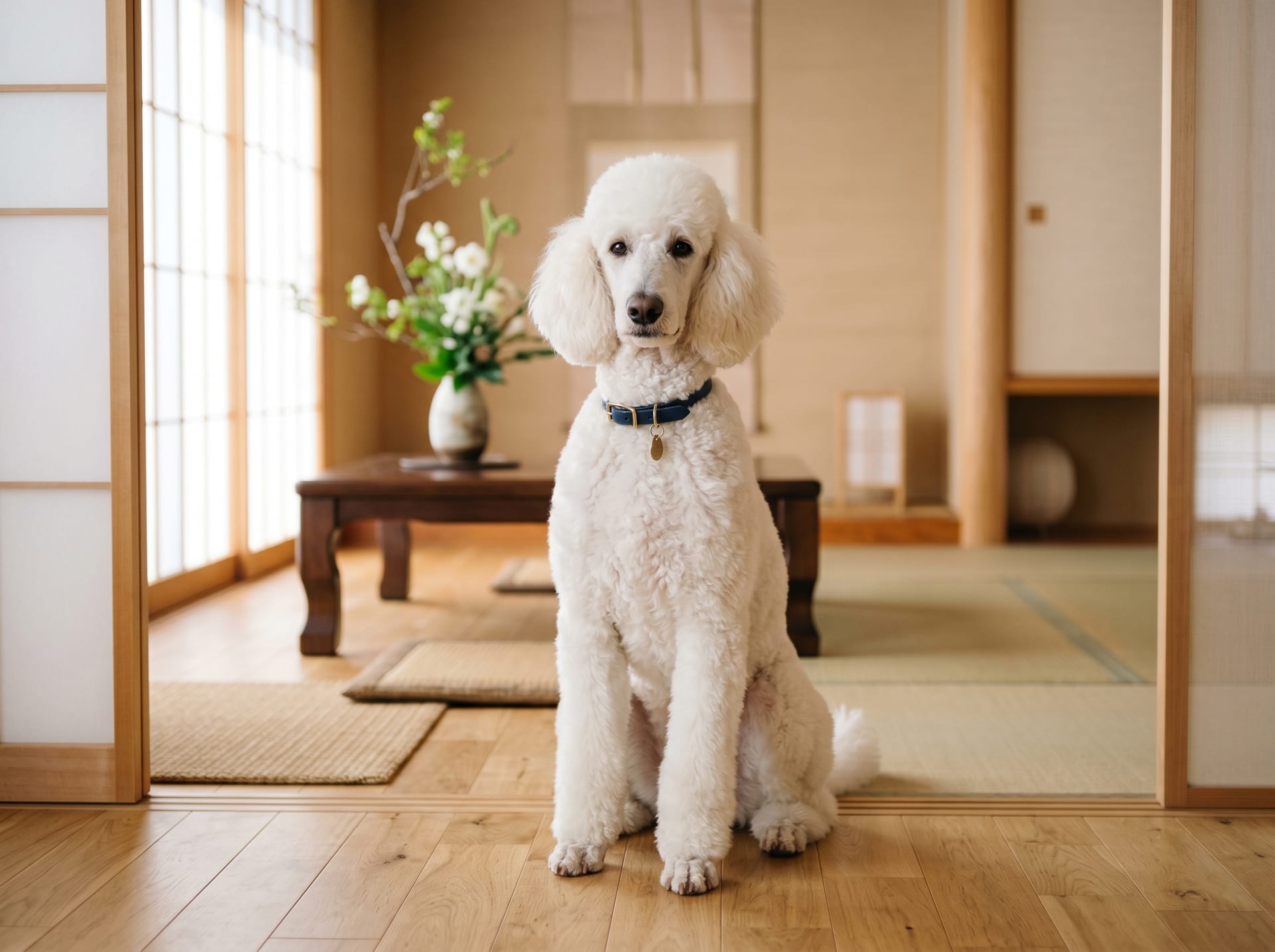
| Standard Poodle | Large breed with deep, narrow chest |
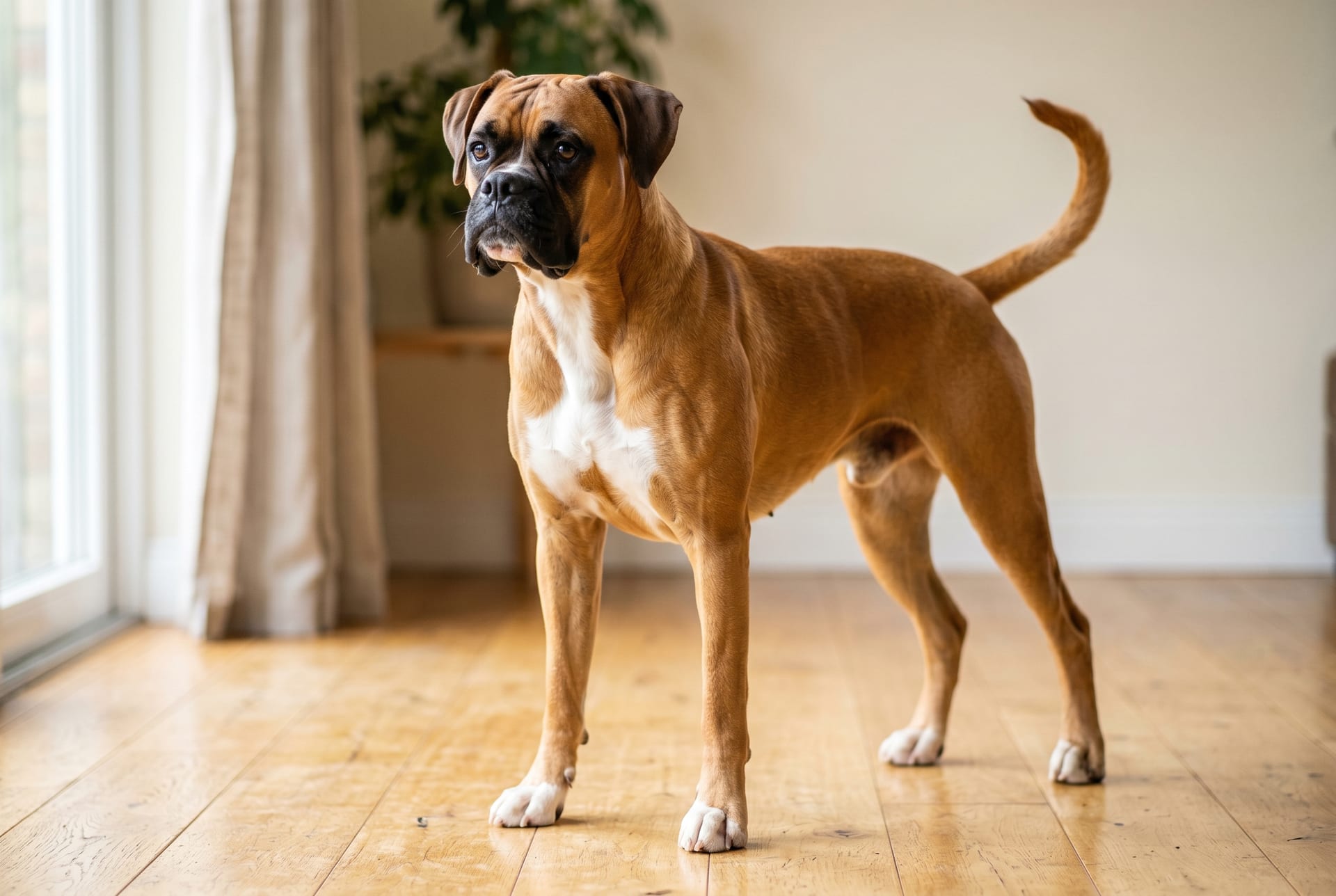
| Boxer | Deep chest and muscular build |
| Basset Hound | Short-legged and low to the ground, but long-bodied with deep chest |
Dogs weighing 30 kg or more, especially large and giant breeds, require particular caution. Risk tends to increase with age, and middle-aged to senior large breed dogs represent the highest-risk group.
Beyond body type, several other factors are associated with GDV development:
- Eating once or twice daily in large meals (eating large quantities in one sitting)
- Vigorous exercise or excitement immediately after eating
- Rapid eating (swallowing without thorough chewing)
- Anxiety-prone or nervous temperament
- Family history of GDV in relatives
The more of these factors that overlap, the greater the accumulated risk is considered to be. This is why dietary management and post-meal behavioral management are core to daily prevention strategies.
Unmissable Symptoms and Emergency Signs
GDV symptoms progress rapidly. If your dog shows multiple of the following changes, call the animal hospital immediately.
Early Signs
- Repeatedly looking at or nipping at the abdomen and hind legs
- Restless pacing and inability to lie down
- Repeated attempts to vomit with nothing coming up (retching)
- Excessive drooling beyond the dog's normal amount
Rapidly Worsening Signs
- Visibly swollen abdomen, particularly the left flank
- Hollow, drum-like sound when the abdomen is gently tapped
- Labored breathing and panting that does not stop
- Gums and tongue becoming pale or bluish
- Inability to stand, lethargy, and altered consciousness
Pale or discolored gums indicate the circulatory system is in critical condition. At this stage, there is almost no time to spare. Remember that the moment you think "maybe I should wait and see" is actually the moment to act.
Do not hesitate to visit an emergency animal hospital, even at night or on weekends. GDV is not a condition that can wait until morning.
Diagnosis, Decompression, and Surgery: The Process
At the animal hospital, diagnosis is made through physical examination and abdominal X-rays. X-rays reveal the extremely dilated stomach and characteristic "double bubble" appearance typical of volvulated stomach. Blood work is performed simultaneously to assess organ damage and overall systemic status.
1. Gastric Decompression (Gas Relief)
The first step is to relieve gas from inside the stomach. This can be done by passing a tube through the mouth to the stomach or by inserting a needle directly through the abdominal wall. Gas relief often rapidly improves circulation, but this is only emergency stabilization to prepare for the following surgery.
2. Fluid Therapy and Systemic Management
Large-volume fluid therapy and circulatory support are provided to address shock. The goal at this stage is to quickly stabilize the dog's condition to allow for surgery.
3. Surgery (Reduction and Gastropexy)
The twisted stomach is returned to its normal position through "reduction," and any necrotic tissue is removed. Most importantly, a "gastropexy" is performed—the stomach is sutured to the abdominal wall to prevent future volvulus. If only reduction is performed without gastropexy, the risk of recurrence is high and survival rates drop significantly if it occurs again.
Post-operative care includes intensive fluid management, antibiotics, and pain relief during hospitalization. The greater the extent of stomach wall necrosis, the longer recovery takes. The earlier detection and treatment occur, the better the prognosis, making early veterinary care truly lifesaving.
Daily Prevention and Management
While GDV cannot be completely prevented, there are several daily management strategies to reduce the risk.
Dietary Management
Divide daily meals into 2-3 feedings and avoid letting your dog eat large quantities at once. For 1-2 hours after eating, avoid vigorous exercise, excitement, or running around. Also be cautious about excessive water intake immediately after meals.
For dogs that habitually eat quickly, slow feeders (specially designed bowls with ridges) or puzzle feeders are effective. By physically slowing down eating speed, these reduce the risk of excessive air swallowing.
There are differing opinions about bowl height—some recommend elevated feeders while research shows no difference. Since optimal feeding setup varies depending on individual dog body type and eating habits, consulting with your veterinarian is the most reliable approach.
Considering Prophylactic Gastropexy
For high-risk breeds, prophylactic gastropexy before GDV occurs is an option. This is often performed at the same time as spay or neuter surgery and significantly reduces the chance of volvulus even if gastric dilatation occurs. Minimally invasive laparoscopic techniques are sometimes available. When you first get a large breed dog, ask your veterinarian about whether preventive surgery is appropriate.
Preparing When Bringing Home a Large Breed Dog from a Breeder
When acquiring a high-risk GDV breed from a breeder, gathering health information and advance preparation are especially important.
Reputable breeders will openly share the pedigree and health history of their breeding dogs. Asking in advance whether any relatives have experienced GDV or whether there is a family history of gastric disease will help with risk management after bringing your dog home.
Before bringing your dog home, be sure to prepare the following:
- Research at least one emergency animal hospital accessible from your home that operates 24 hours
- Register the hospital's emergency contact number and directions
- Discuss the breed's GDV risk with your veterinarian and establish a plan for daily dietary management and the timing of gastropexy if appropriate
- Share early GDV symptoms with all family members so anyone can recognize them and call the hospital without hesitation
GDV is a condition with almost no margin for time once it strikes. Being prepared to act the moment you notice something is wrong is the best protection for your dog's life.