Complete Guide to Heat Stroke Prevention and Summer Management for Dogs | Identifying Symptoms, Emergency Response, and Implementing Preventive Measures
Dogs face higher heat stroke risk than humans. This guide details early symptom detection, emergency procedures, and practical prevention strategies for summer walks and indoor management.
Key Takeaways
Dogs face higher heat stroke risk than humans. This guide details early symptom detection, emergency procedures, and practical prevention strategies for summer walks and indoor management.
✍️
BreederDirect Editorial
The BreederDirect editorial team specializes in care information for animals, covering veterinary care and breeding to deliver beginner-friendly guides.
Find Dogs on BreederDirect
Buy directly from verified breeders
Browse Related Listings
Find Dogs listings related to this article on BreederDirect. Buy directly from verified breeders.
Dogs possess a fundamentally different thermoregulation mechanism than humans, making them particularly vulnerable in hot summer conditions.
Humans' primary cooling mechanism is sweating. By evaporating sweat across the entire skin surface, humans can release large amounts of heat. Dogs, conversely, have almost no sweat glands on their body surface (present only on paw pads), and rely almost entirely on panting (rapid, shallow breathing with mouth open) as their main cooling method.
While panting cools the body by evaporating moisture from the respiratory tract, it is far less efficient than sweating in practice. As outdoor temperature approaches body temperature, cooling efficiency through evaporation plummets, and high humidity makes it even less effective. Japan's characteristically hot and humid summers create particularly harsh conditions for dogs, and this must be understood.
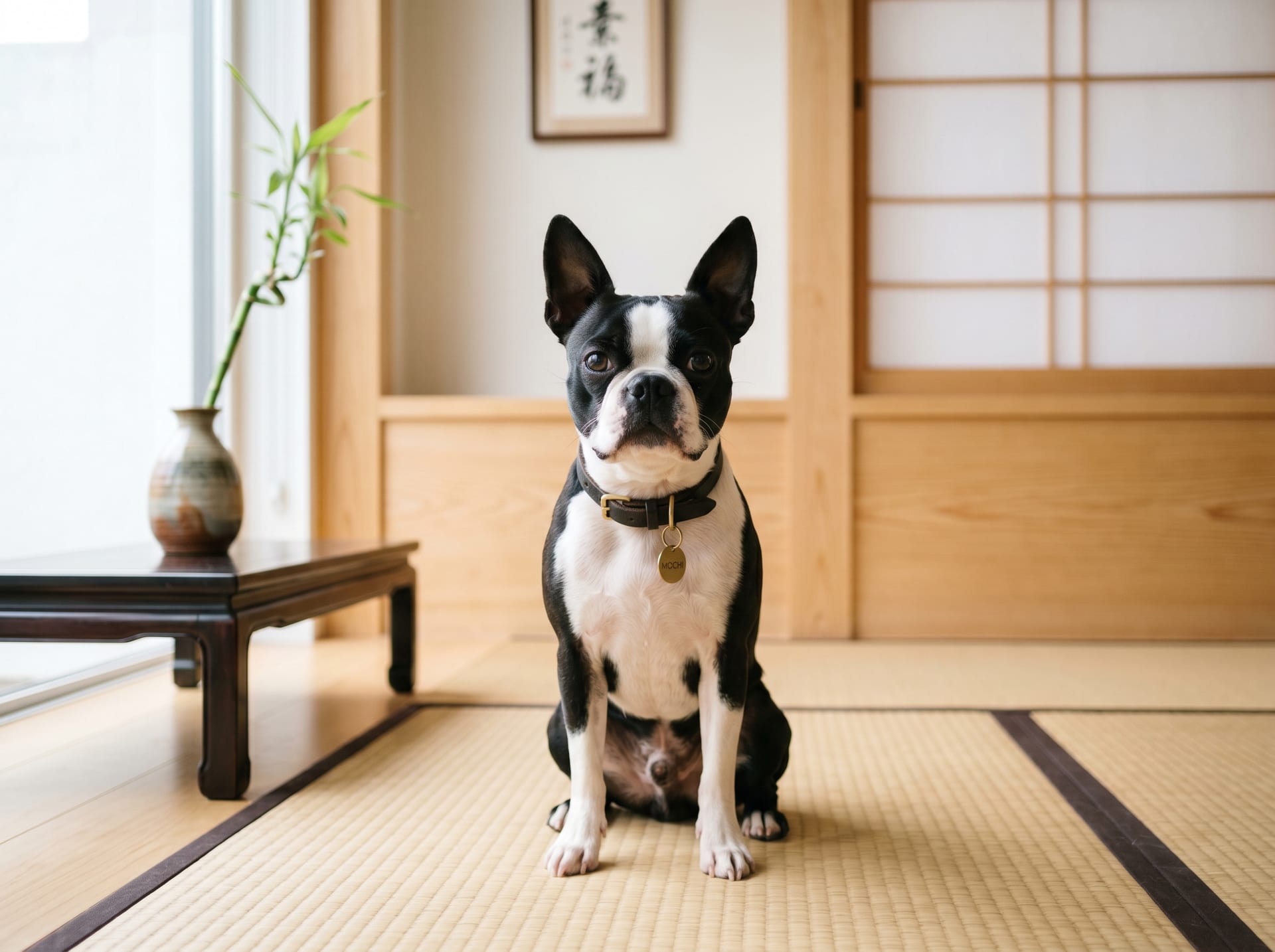
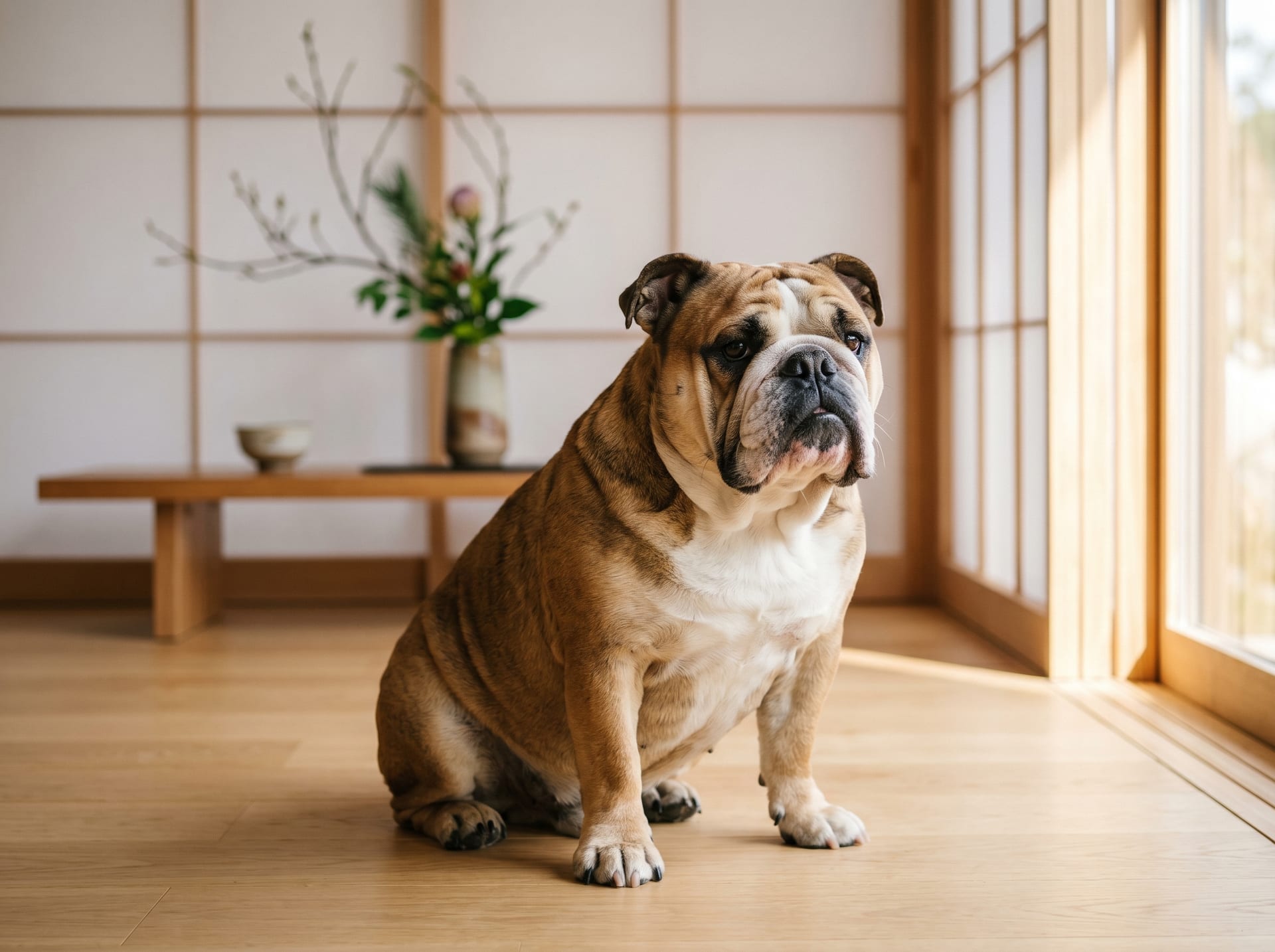
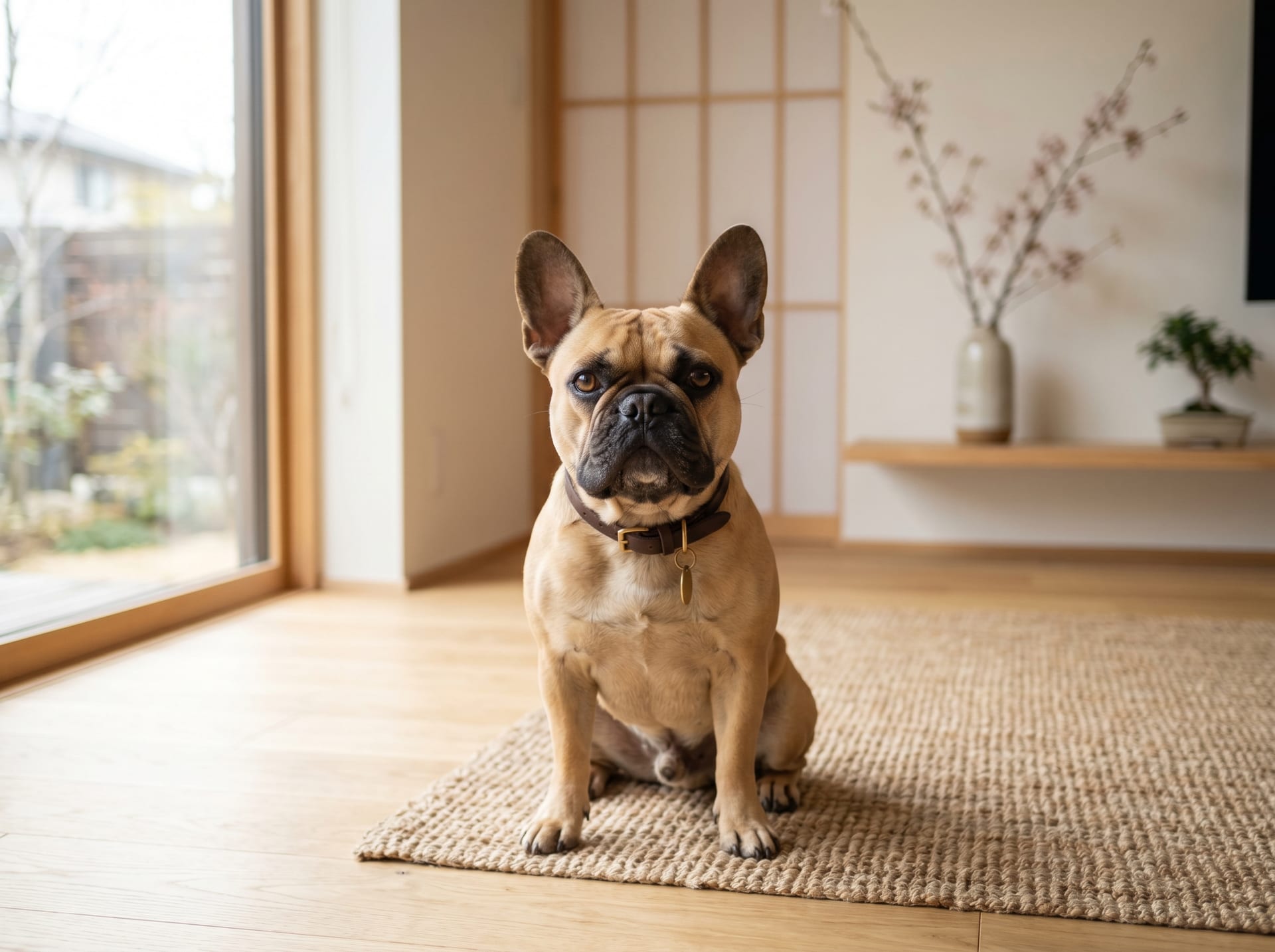
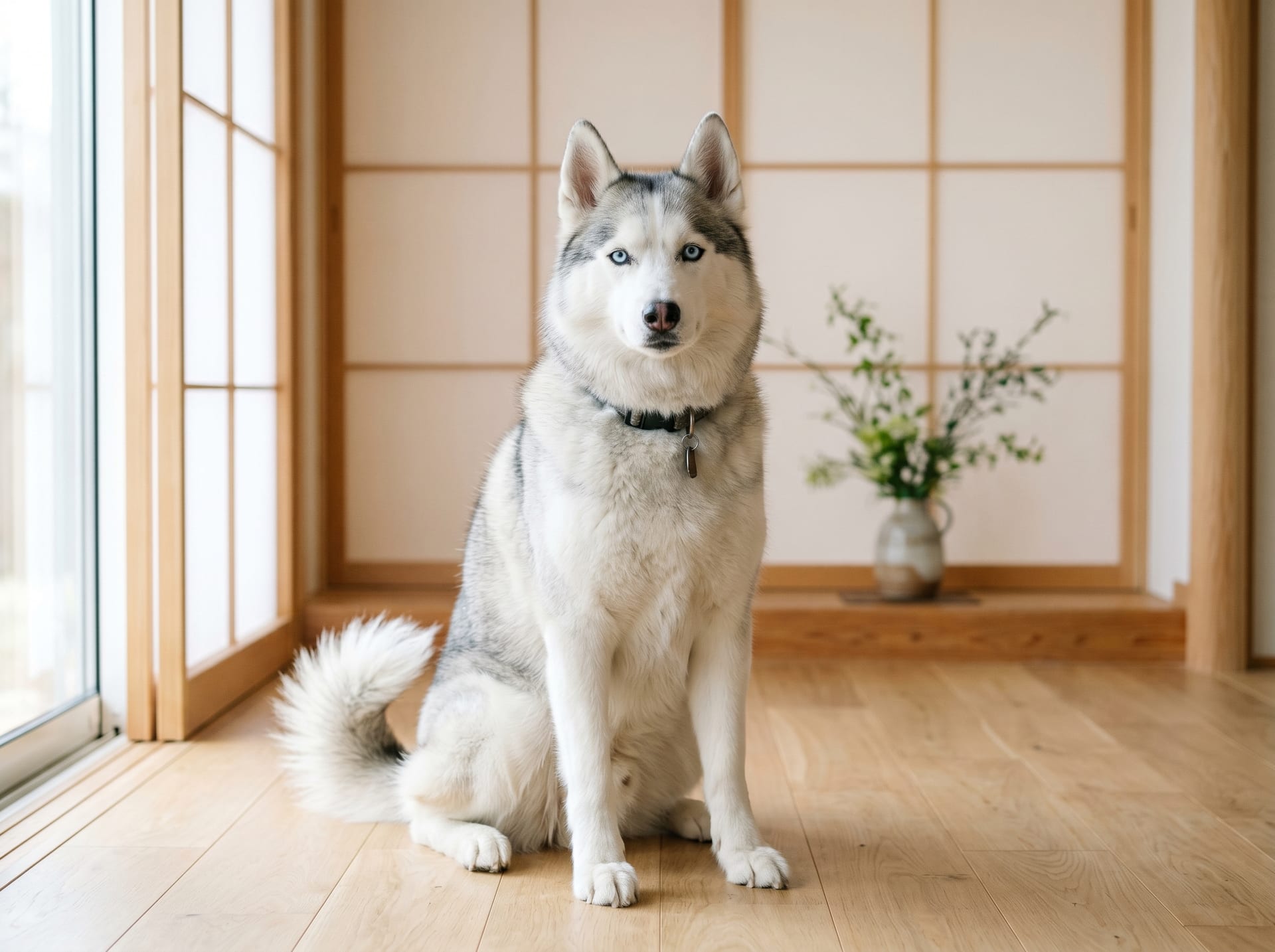
Additionally, brachycephalic breeds (Bulldogs, French Bulldogs, Pugs, Boston Terriers, and others) have structurally narrow nasal passages and airways, reducing panting efficiency even further. Double-coated breeds (Siberian Huskies, Golden Retrievers, and others) also have difficulty dissipating heat and are classified as high-risk breeds.
Distinguishing Heat Stroke Symptoms by Stage
Heat stroke progresses extremely rapidly, and if severe, can become life-threatening in a short time. Understanding the symptom stages and responding early is key to protecting your dog's life.
A dog's normal rectal temperature is 38–39°C. Use this as a baseline to assess the following three stages.
Red, dry gums and tongue, inability to stand, vomiting or diarrhea, elevated heart rate
Severe
41°C or higher
Altered consciousness, convulsions, white to purple mucous membranes, massive hemorrhage (DIC)
If detected and treated at the early stage, recovery is usually smooth. From the intermediate stage onward, immediate veterinary care must be sought alongside emergency procedures. At the severe stage, provide life-saving measures while transporting to an animal hospital as quickly as possible. Organ damage begins above 40°C, and if temperatures of 41.5°C or higher persist, irreversible damage to the brain, heart, and liver occurs.
Emergency Response When Heat Stroke is Suspected
When heat stroke is suspected, call an animal hospital while simultaneously performing the following procedures. It is critical to contact the hospital immediately rather than delay—arrange to call while moving or during treatment.
Move to a cool location: Immediately move to a shaded area or an air-conditioned room. An air-conditioned car interior can be used, but a hot car interior will have the opposite effect.
Cool the body (avoid overcooling): Pour water that is cooler than the dog (room-temperature tap water is fine) over the entire body and direct air to promote evaporation. For young, healthy dogs, immersion in cold water is also effective. The Royal Veterinary College (RVC) recommends "cool first, transport second," and current guidance rejects the idea that cold water constricts blood vessels and traps heat. Using running water and directing a fan or hand fan toward the wet body is more efficient than simply applying a wet towel.
Fluid administration (conscious dogs only): If the dog is conscious and able to drink voluntarily, give room-temperature water. If consciousness is altered, there is aspiration risk; never force water.
Monitor body temperature: Stop cooling once temperature drops below 39.5°C. Continued cooling risks hypothermia.
Always seek veterinary care: Even if symptoms appear mild, organ damage can develop later after heat stroke. IV fluids and blood tests allow early detection of potential damage.
Summer Precautions for Walks and Outdoor Activities
The basis of prevention is avoiding unnecessary exposure to high-temperature environments. For outdoor management, observe the following points strictly.
Timing is most critical. The rule is to limit summer walks to early morning (from sunrise to before 9 AM) or after sunset (7 PM onward). On days when daytime temperature exceeds 28°C, consider shortening or canceling the walk.
Pavement temperature also requires attention. Peak summer asphalt surface temperatures can far exceed air temperature. Small dogs walking close to the ground are especially affected by radiant heat. If the back of your hand feels hot when placed on the ground for 5 seconds, postpone the walk or switch to a grassy, graveled, or shaded route.
Ideally, offer small amounts of water every 15–20 minutes during walks. It's convenient to carry a collapsible portable water bowl. If intense panting continues for 5–10 minutes or longer after returning home, move the dog to an air-conditioned room to cool down and monitor until panting subsides.
Environmental Management to Prevent Heat Stroke Indoors and During Alone Time
Heat stroke is not just an outdoor problem. It readily occurs indoors with closed windows and in cars. Indoor management to prevent accidents while the dog is alone is as important as or more important than outdoor precautions.
While away during summer, keep air conditioning running continuously. A setting around 27–28°C is recommended. Avoid turning it off to save electricity. For added safety in case of equipment failure or power outage, incorporate supplementary measures such as blocking sunlight with blackout curtains.
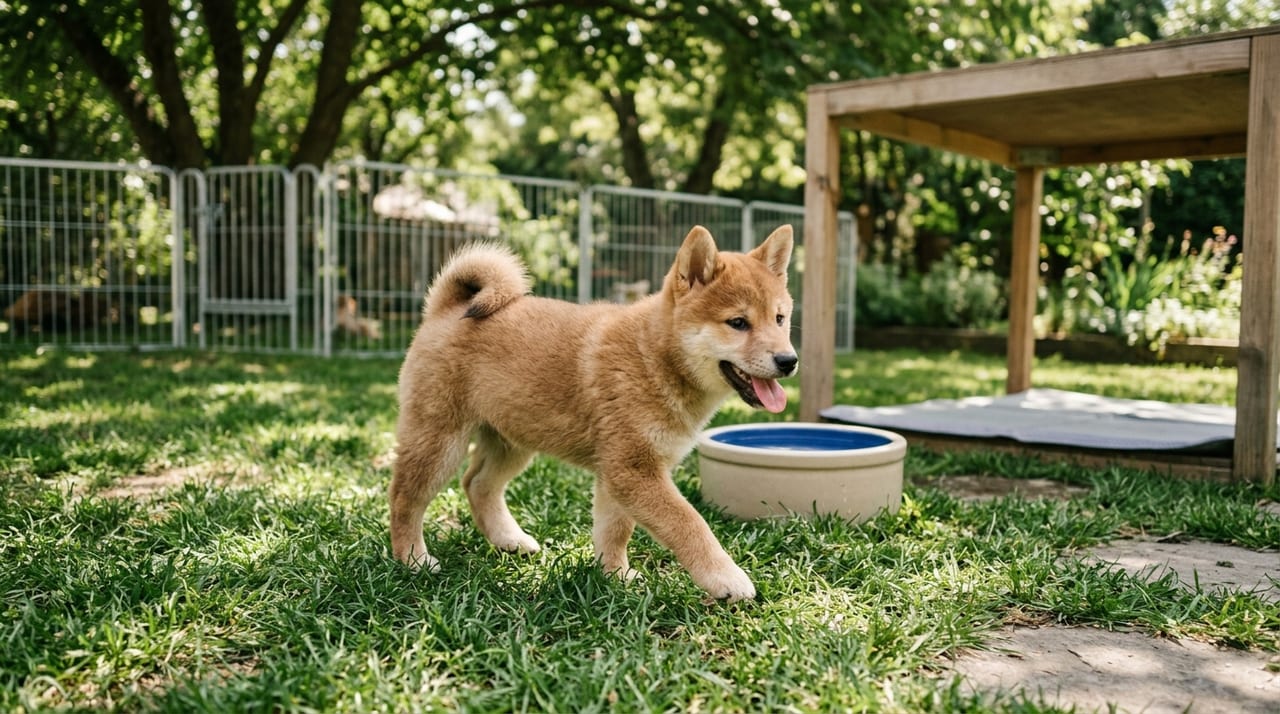
Place water bowls in multiple locations. This prevents water from running out due to evaporation or leftover water. Recirculating automatic water fountains constantly supply fresh water and are ideal for long periods alone.
If the dog stays in a crate or pen while alone, closed spaces heat up especially quickly, requiring caution. Consider placing it where air conditioning reaches or switching to a more ventilated pen.
Leaving the dog in a car is absolutely prohibited. A summer car interior reaches dangerous temperatures in a short time when the engine is off. Even with air conditioning running, leaving the dog alone in a car carries risk of equipment failure and should be avoided.
High-Risk Breeds and Individual Considerations
In addition to brachycephalic and double-coated breeds, overweight dogs, senior dogs, and those with preexisting conditions (heart disease, respiratory disease, kidney disease) also tend to have high heat stroke risk. With these dogs, caution is needed even at temperatures in the 25°C range.
Since brachycephalic breeds often cannot maintain body temperature through normal panting, significantly restricting outdoor activity in summer is recommended. To compensate for reduced exercise, incorporating indoor ball play and nose work (scent-based play) is effective.
Senior dogs have reduced thermoregulation ability, so symptoms appear more easily at lower temperatures than in younger dogs. During summer, consciously observe daily appetite, water intake, and activity level, developing a habit of noticing changes early—this directly prevents severe heat stroke.
Regardless of breed or age, calling an animal hospital without hesitation if something seems wrong serves as the final safety net. Since the speed of initial response greatly affects prognosis in heat stroke, it is recommended to confirm your veterinarian's contact information before summer arrives to minimize time spent deciding.