Complete Guide to Feline Heatstroke (Hyperthermia) | Causes, How to Identify Symptoms, Emergency Response, and Summer Prevention Strategies
This guide explains the mechanisms of feline heatstroke and risk factors, symptoms by stage from early to severe, proper cooling techniques in emergencies, and professional guidance on summer prevention strategies including indoor temperature control, hydration, and ventilation.
Key Takeaways
This guide explains the mechanisms of feline heatstroke and risk factors, symptoms by stage from early to severe, proper cooling techniques in emergencies, and professional guidance on summer prevention strategies including indoor temperature control, hydration, and ventilation.
✍️
BreederDirect Editorial
The BreederDirect editorial team specializes in care information for animals, covering veterinary care and breeding to deliver beginner-friendly guides.
Find Cats on BreederDirect
Buy directly from verified breeders
Browse Related Listings
Find Cats listings related to this article on BreederDirect. Buy directly from verified breeders.
Many cat owners believe that cats are less prone to heatstroke (hyperthermia) compared to dogs, but in reality, cats are also at risk of dying from heatstroke. Particularly in recent summers in Japan, temperatures in some regions exceed 40 degrees Celsius, so even indoor cats require vigilance. This article provides a detailed explanation of the causes, symptoms, emergency response, and prevention strategies for feline heatstroke.
Conditions That Make Cats Prone to Heatstroke
A cat's normal body temperature is approximately 38–39 degrees Celsius. When body temperature exceeds 40 degrees, the risk of heatstroke increases; at 41–42 degrees, organ damage occurs; and at 43 degrees or higher, the risk of death rises sharply.
Risk Factors:
Sealed indoor environments with high temperature and high humidity (no air conditioning or insufficient ventilation)
Prolonged exposure to direct sunlight
Confinement in a poorly ventilated cat carrier or vehicle interior
Excited state after exercise or during fever
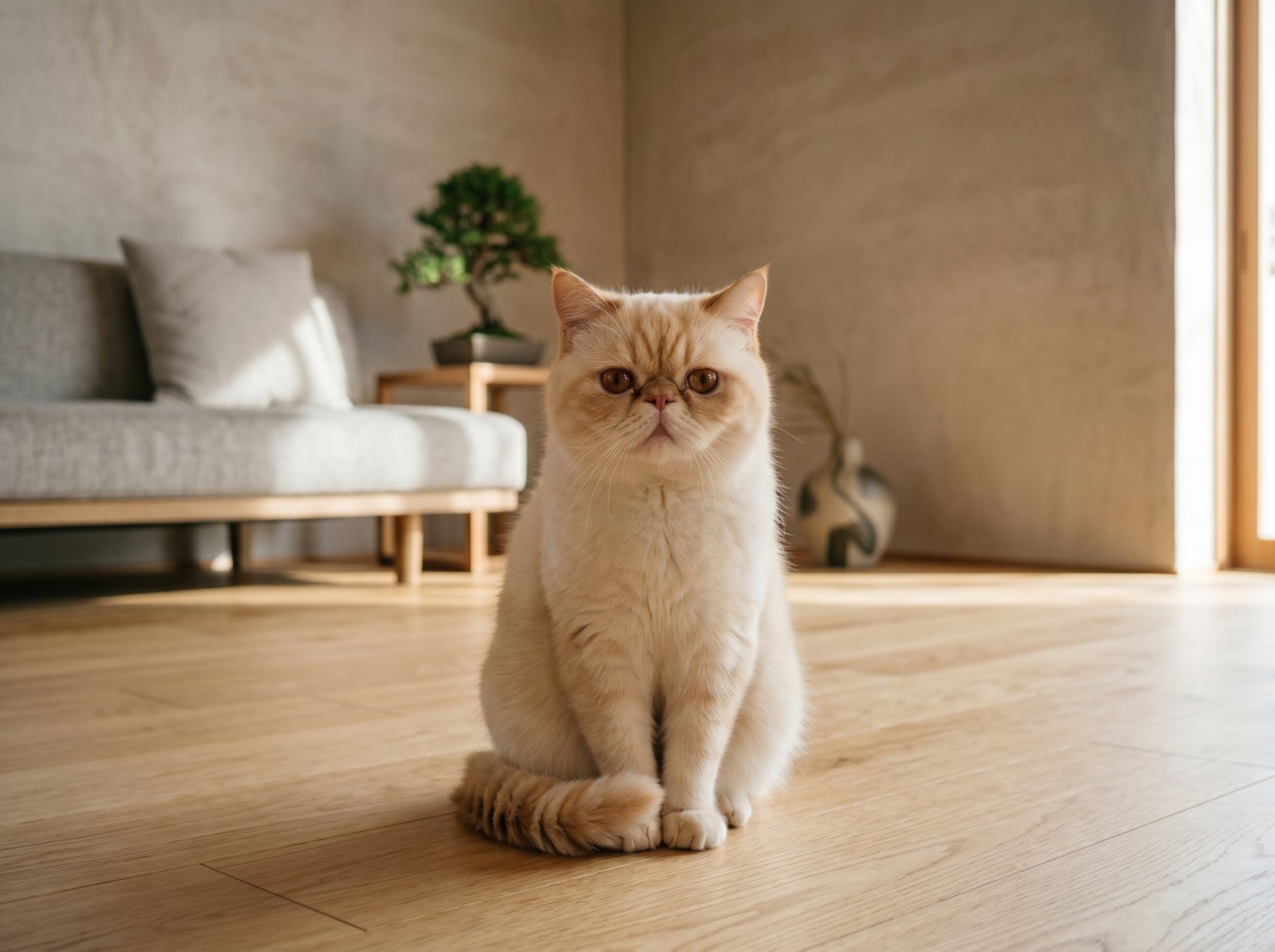
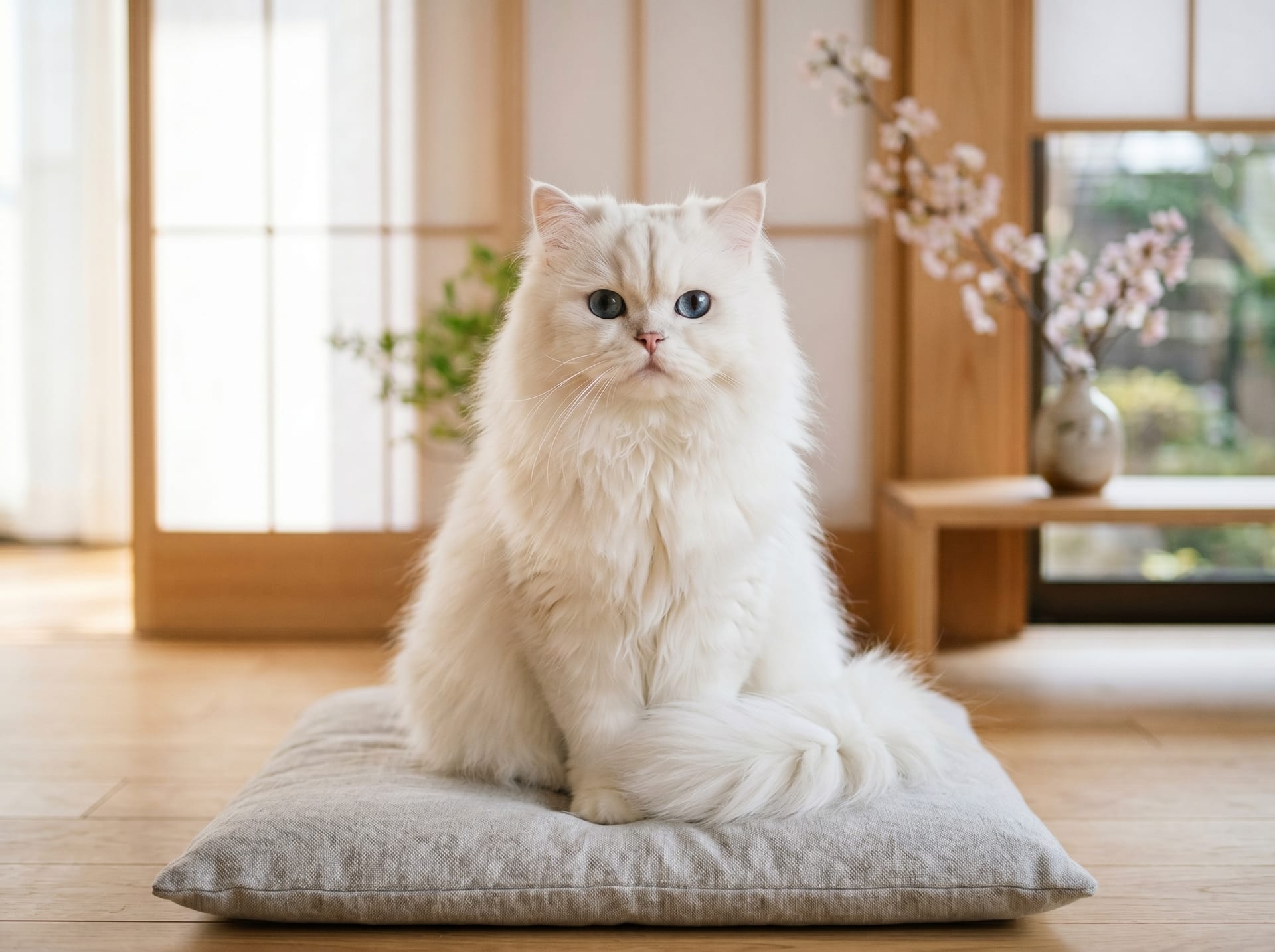
Brachycephalic breeds (such as Persian, Himalayan, and Exotic Shorthair) have poor thermoregulation due to their respiratory structure
Obese cats, senior cats, cats with heart disease, and cats with respiratory diseases
Kittens (underdeveloped thermoregulation)
Cats primarily rely on sweating through the sweat glands on their paw pads and open-mouth panting for thermoregulation. However, unlike dogs, cats' panting is extremely inefficient, and it is crucial to understand that open-mouth breathing indicates a dangerously critical condition.
Heatstroke Symptoms: Checklist by Stage
Feline heatstroke progresses rapidly, so early detection is the difference between life and death. Use the following stages to make quick judgments.
Early Symptoms (Body Temperature 40–41 degrees Celsius):
Loss of energy and lethargy
Panting or labored open-mouth breathing
Body feels hot; ears and paw pads feel warmer than usual
Excessive drooling
Sudden decrease in appetite and water intake
Moderate Symptoms (Body Temperature 41–42 degrees Celsius):
Unsteady gait or difficulty standing
Eye redness or dilated pupils
Gums or tongue turn red (congestion) or bluish-white (cyanosis)
Noticeably increased heart rate and respiratory rate
Vomiting or diarrhea occurs
Severe Symptoms (Body Temperature 42 degrees Celsius or Higher):
Altered consciousness or diminished responsiveness
Seizures
Loss of consciousness or fainting
Bloody stools or bloody urine (signs of organ damage)
In severe cases, multiple organ failure, DIC (disseminated intravascular coagulation), and brain damage can occur, and even if the cat survives, sequelae may persist.
Emergency Response When Heatstroke Is Detected
If heatstroke is suspected, follow the steps below immediately. Time is critical for survival.
Step 1: Move to a Cool Location
Immediately move the cat to an air-conditioned room or shaded area.
Step 2: Cool the Body
Wet the cat's body with water and lower body temperature by using a fan or hand fan. It is efficient to cool the neck, armpits, and groin area (where major blood vessels pass) especially well. Avoid applying ice water or ice packs directly to the skin for extended periods as there is risk of frostbite; it is appropriate to use room-temperature to lukewarm water instead.
Step 3: Offer Water in Small Amounts
If the cat is conscious, offer room-temperature water in small amounts. However, forced drinking carries the risk of aspiration, so only offer water if the cat attempts to drink on its own.
Step 4: Contact and Transport to an Animal Hospital Immediately
While administering first aid, call the animal hospital to inform them of the situation before transport. If the case appears severe (seizures or loss of consciousness), prioritize transport and keep the vehicle's air conditioning on maximum.
At the hospital, intravenous fluid therapy, body temperature monitoring, and organ function tests will be performed. The earlier the transport, the better the prognosis.
Summer Prevention Strategies for Heatstroke
Heatstroke is preventable. Practice the following for daily summer management.
Indoor Temperature Control:
Use air conditioning to maintain indoor temperature at 26–28 degrees Celsius or lower and humidity at 60% or below. Keep the air conditioning on when away from home, or use a timer setting. It is important to remember to manage room temperature even during periods when the cat is left alone.
Ensure Ventilation:
Never confine a cat to a room without air conditioning. When opening multiple windows to ensure airflow, always install a safety net to prevent escape.
Hydration:
Always keep fresh water available in multiple locations. Cats can obtain significant moisture from wet food, so increasing the proportion of wet food in summer is effective. Many cats drink more water when using a water fountain.
Manage Sun Exposure:
Avoid placing the cat's bed or favorite spots in direct sunlight. Installing UV-blocking curtains on windows helps prevent room temperature from rising.
Precautions During Outings and Travel:
Never leave a cat in a carrier inside a vehicle unattended. Car interior temperatures can reach dangerous levels within minutes. When traveling for veterinary appointments, place a cooling pack (wrapped in a towel) in the carrier and turn on the car's air conditioning before loading the cat.
Special Considerations for Brachycephalic and High-Risk Cats
Brachycephalic breeds such as Persian, Exotic Shorthair, and Himalayan cats have particularly poor thermoregulation efficiency because their nasal and throat structure narrows the upper airway. These breeds are said to be at risk of heatstroke even at room temperatures of 27 degrees Celsius, requiring especially strict temperature control during summer.
Additionally, obese cats trap heat more easily in their bodies, and cats with heart disease or respiratory disease have even higher risk. If you own any of these cats, it is recommended to consult with a veterinarian before summer to establish an individual management plan.
Summary
Feline heatstroke progresses rapidly and becomes a serious condition with risks of death and long-term sequelae when it becomes severe. Abandoning the notion that "indoor cats are safe" and rigorously implementing air conditioning control, hydration, and protection from direct sunlight are the best strategies to protect your cat's life. If you notice any abnormalities, do not hesitate to consult an animal hospital and protect your beloved cat with prompt action.