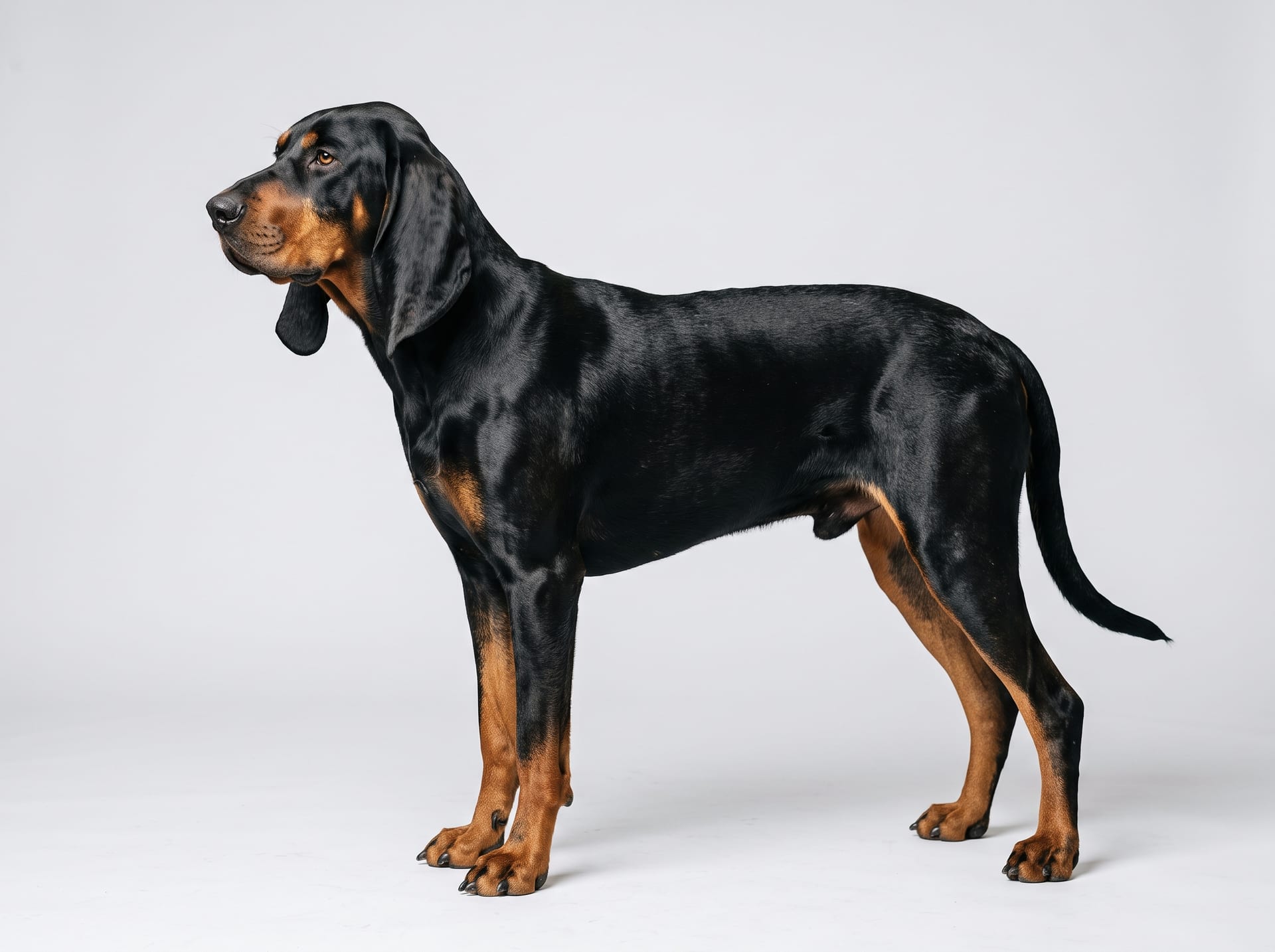
AI-generated image
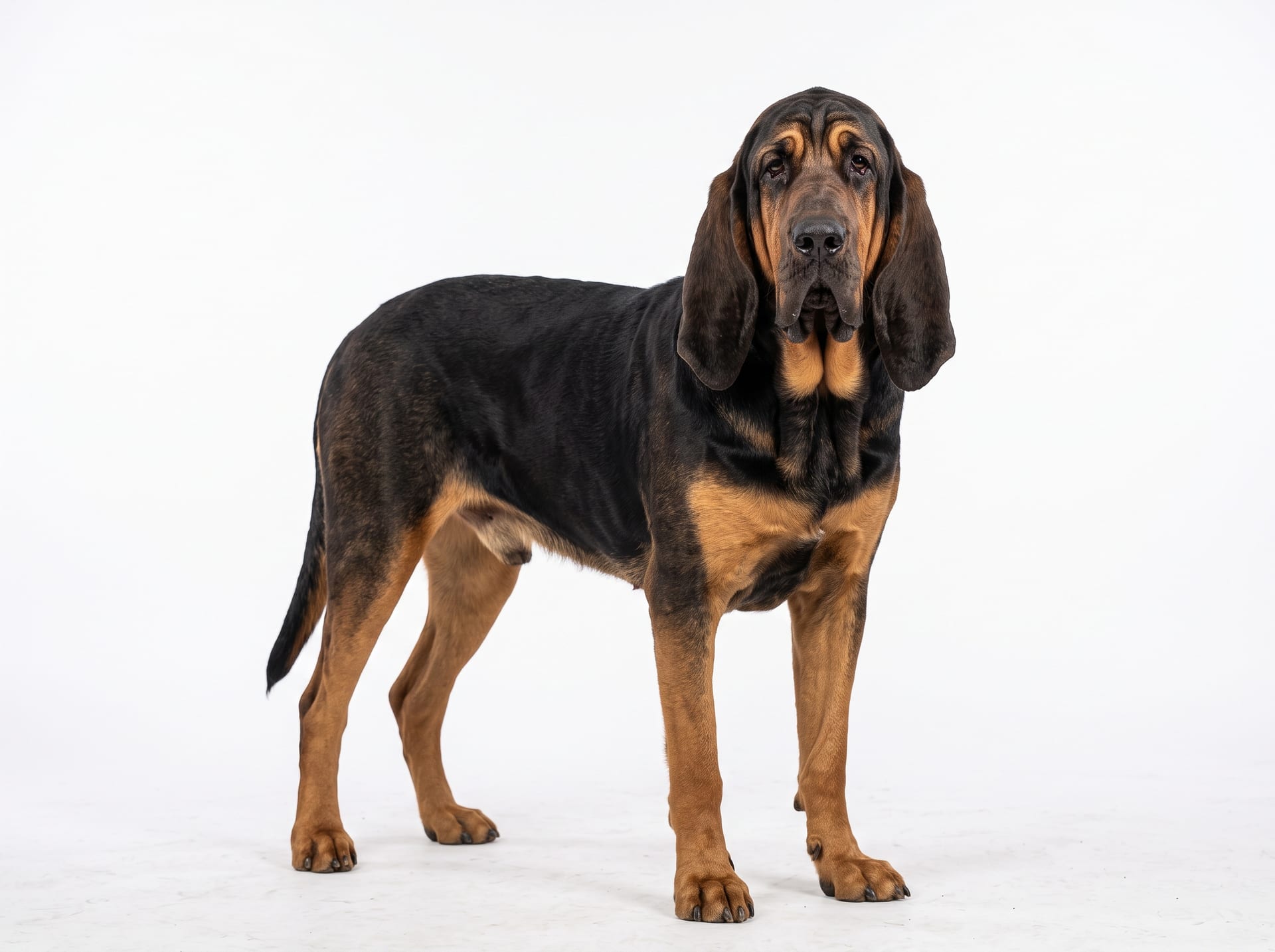
Black and Tan Coonhound
IntermediateAmerica's scent hound famed for raccoon hunting. Outgoing and friendly.
Difficulty
Intermediate
Temperature
15〜26℃
Lifespan
10-12 years
Size
Height 58-68.5cm
Diet
High-quality large-breed dog food. Feed 2-3 smaller meals daily to help prevent bloat.
About
The Black and Tan Coonhound was developed in America from the Talbot Hound known in 11th-century England and was recognized in 1945. Named for its coal-black coat with rich tan markings and for the raccoon it hunts, it trails game by scent alone and trees its quarry, also excelling on deer, bear and mountain lion. Even-tempered, outgoing and friendly, it works well with other hounds and needs ample daily exercise.
Lifespan of the Black and Tan Coonhound
The Black and Tan Coonhound lives 10-12 years.
Size of the Black and Tan Coonhound
The Black and Tan Coonhound grows to Height 58-68.5cm.
Basic Info
Origin
United States
Lifespan
10-12 years
Size
Height 58-68.5cm
Temperature
15〜26℃
Diet
High-quality large-breed dog food. Feed 2-3 smaller meals daily to help prevent bloat.
Care Guide
Temperament
References & Sources
Edited & verified by: BreederDirect editorial team
The taxonomic, regulatory, and husbandry data on this page are compiled and verified against the authoritative primary sources below.
Primary sources
Taxonomy & Authority
Authority databases: JKC (Japan Kennel Club) breed profiles (JA)
Nomenclature follows global taxonomic authority databases.
Black and Tan Coonhound Listings
Loading latest listingsFind listings for this species