Half-black Angelfish Care Guide | Complete Guide to Dwarf Angel Temperament, Water Parameters, and Reef Safety
A detailed guide to caring for Half-black Angelfish (Centropyge vrolikii). Covers water quality management, feeding, white spot disease prevention, and coral nipping risks in reef tanks for this striking dwarf angelfish with beautiful black and white contrast. Learn key points for long-term success.
Key Takeaways
A detailed guide to caring for Half-black Angelfish (Centropyge vrolikii). Covers water quality management, feeding, white spot disease prevention, and coral nipping risks in reef tanks for this striking dwarf angelfish with beautiful black and white contrast. Learn key points for long-term success.
Related Species
About Half-black Angelfish
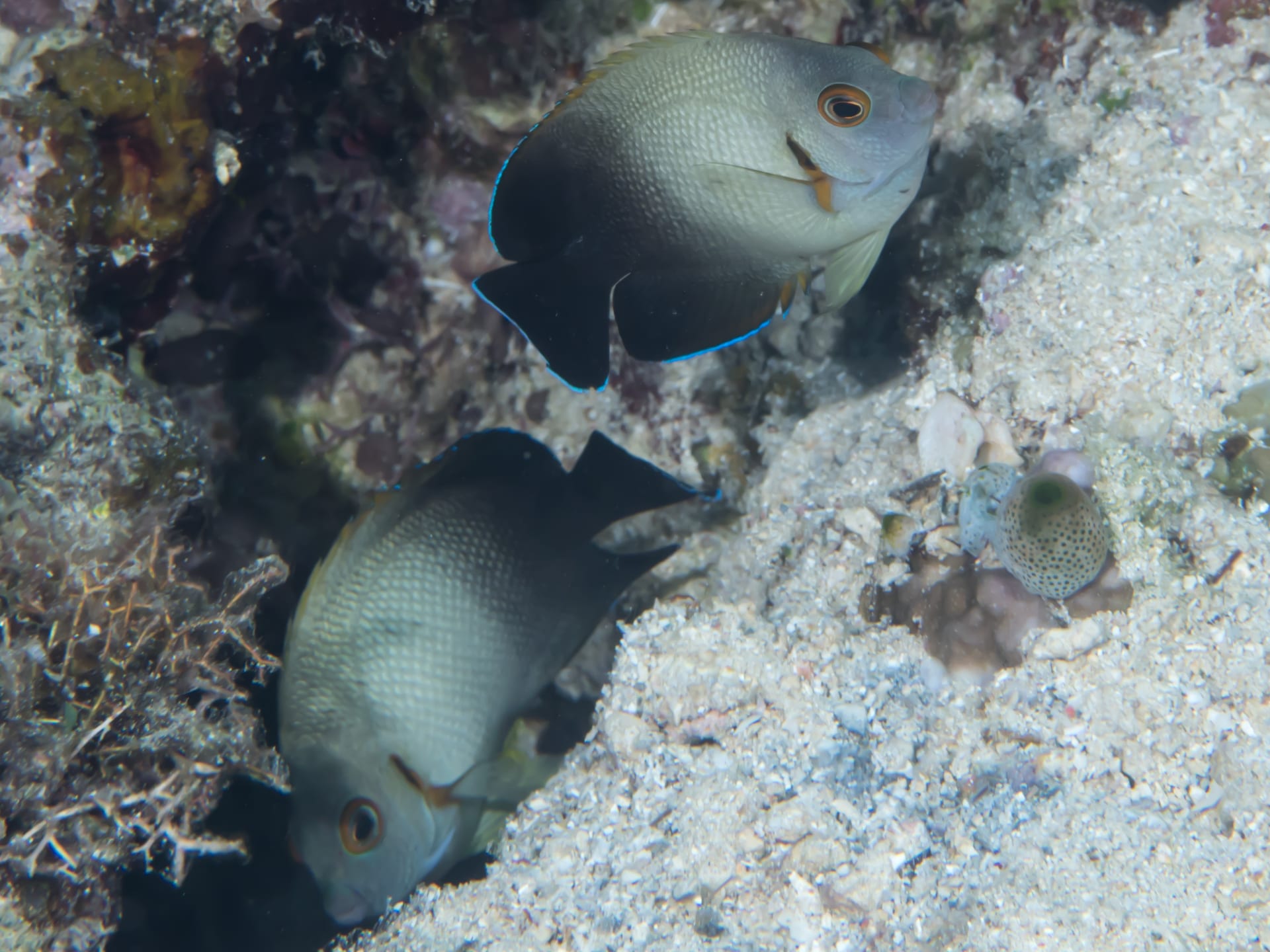
The Half-black Angelfish (Centropyge vrolikii, also known as Pearlscale Angelfish or Half-black Angelfish) is a species of dwarf angelfish found throughout the Indian Ocean and western Pacific regions. Reaching a maximum length of approximately 10–12 cm, it is one of the most commonly available dwarf angelfish species and relatively easy to obtain.
Its name comes from the striking contrast between the pearl-like black scale pattern (pearlscale) on the white anterior body and the deep black coloration toward the rear and caudal fin. While commonly seen in reef tanks, understanding the species' temperament and specific care requirements is key to long-term success.
Classification and Similar Species
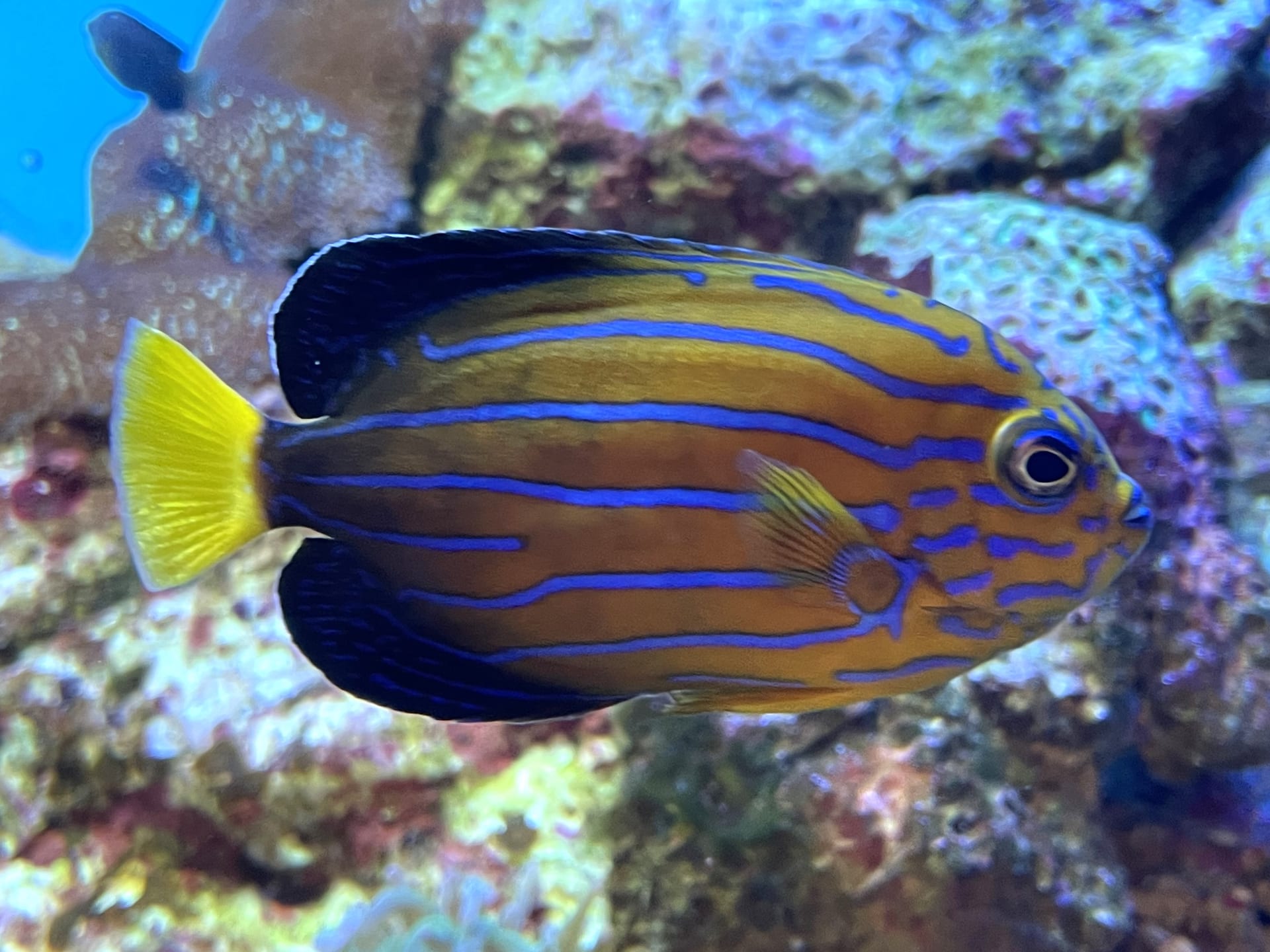
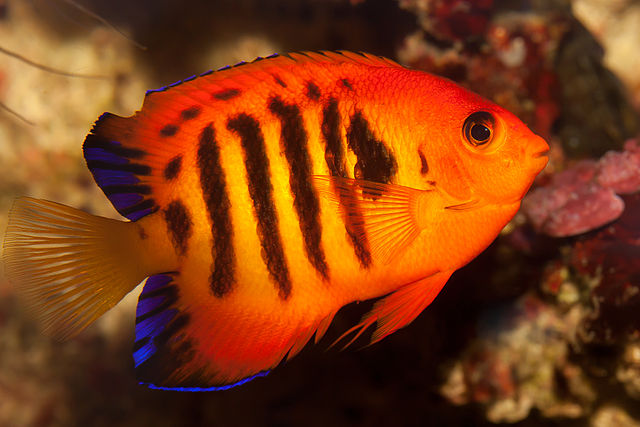
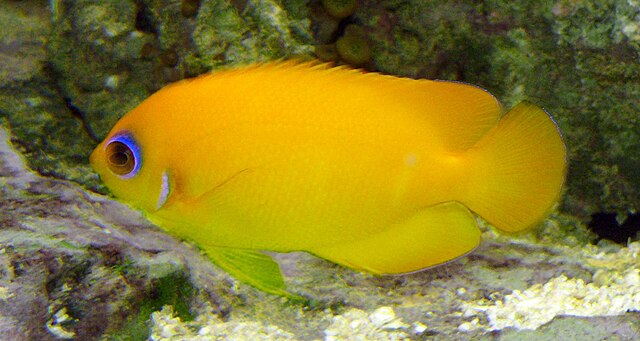
The Half-black Angelfish belongs to the family Pomacanthidae and genus Centropyge. The genus contains numerous dwarf angelfish species, and several similar or easily confused species are commonly encountered in Japan:
| Species | Characteristics |
|---|---|
| Half-black Angelfish (C. vrolikii) | White and black contrast, black caudal fin |
| Flame Angelfish (C. loriculus) | Red base color with vertical stripes |
| Coral Beauty (C. bispinosa) | Orange-red vertical stripes |
| Lemonpeel Angelfish (C. flavissimus) | Solid yellow with blue eye-ring |
| Coris Angelfish (C. vrolikii × C. flavissimus) | Hybrid species (Coris Angelfish) |
Note: Hybrids between Half-black and Lemonpeel Angelfish, called "Coris Angelfish (Centropyge × "Coris")," are sometimes available in trade. Since hybrids have intermediate coloration, they are easily confused—be sure to verify species identity before purchase.
Temperament and Behavior
Like most Centropyge species, the Half-black Angelfish is a highly territorial species.
- Intraspecific Aggression: Placing this species with conspecifics or similar-looking species often results in aggressive encounters. Only keep singly or in groups if sufficient space and complex rock structures are available.
- Compatibility with Other Species: Generally coexists well with small fish such as clownfish and gobies. However, established individuals may attack newly introduced fish as they defend their territory.
- Nocturnal Behavior: During the day it actively swims through rock crevices and hides in caves at night.
Aquarium Setup and Design
Tank Size
| Care Type | Recommended Tank Size |
|---|---|
| Single fish | 60–90 cm (100–200 L) |
| Small group (reef tank) | 90–120 cm or larger |
While adults reach a maximum of 12 cm and can technically be kept in a 60 cm tank, this species is highly active and benefits from larger spaces whenever possible.
Live Rock Layout
Half-black Angelfish feed on algae and microorganisms on live rock. Provide abundant live rock (10–15% of total tank volume) with crevices and caves for hiding, which reduces stress and encourages natural foraging behavior.
Water Parameters
| Parameter | Target Range |
|---|---|
| Temperature | 24–27°C |
| Specific Gravity (SG) | 1.025–1.026 |
| pH | 8.1–8.3 |
| Nitrate (NO₃) | ≤10 ppm |
| Phosphate (PO₄) | ≤0.05 ppm |
Maintaining excellent water quality is fundamental to long-term care. Nitrate and phosphate accumulation can suppress immunity, so perform weekly 10–15% water changes and operate a high-quality protein skimmer.
Feeding and Diet
The Half-black Angelfish is omnivorous, feeding in nature on algae, sponges, and copepods found on live rock. In the aquarium, provide a combination of the following foods:
| Food Type | Purpose |
|---|---|
| Spirulina-based food (flakes or pellets) | Primary diet; vegetable matter supplement |
| Frozen brine shrimp and mysis | Protein supplement |
| Frozen chlorella and seaweed sheets | Minerals and vitamins |
| Algae on live rock | Natural foraging supports health |
Feeding Frequency: Feed 2–3 times daily in small amounts. Remove uneaten food immediately to prevent water quality deterioration.
Importance of Live Rock
Naturally occurring algae, coralline algae, and microorganisms on live rock are an essential supplemental food source for dwarf angelfish. Abundant live rock promotes natural foraging and provides nutrients not available from prepared foods alone.
Reef Compatibility and Safety
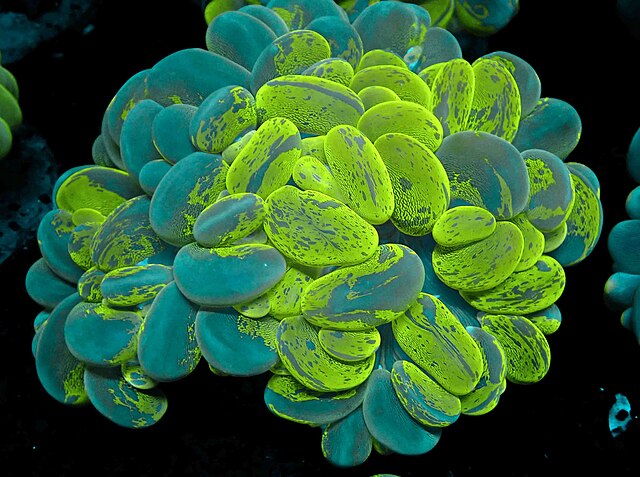
Centropyge species, including the Half-black Angelfish, are often considered "not reef-safe (Non Reef-Safe)." Some individuals exhibit "coral nipping" behavior, plucking polyps from LPS corals (such as hammer and bubble corals) and soft corals.
- Individual Variation: Many individuals do not nip corals. Juvenile-reared specimens often show minimal nipping, though behavior may develop with age.
- SPS Corals (Acropora, etc.): Relatively resistant to damage.
- Soft Corals and LPS: Higher risk, especially those with soft or delicate polyps.
When introducing to a reef tank, it is recommended to use a "staged introduction" approach: start with a small juvenile, observe for coral nipping behavior, and transfer to the main tank only if no nipping is observed.
Disease Prevention and Health Management
White Spot Disease (Cryptocaryon)
Dwarf angelfish are susceptible to white spot disease. Stress and water quality fluctuations are common triggers, so observe the following precautions:
- Always quarantine new fish in a separate tank (QT) for 4–6 weeks before introducing to the main tank.
- Use copper-based treatments (such as CopperPower) or hyposalinity (SG 1.009–1.010) to interrupt the Ich life cycle.
- Maintain a "managed immune environment" in the main tank through excellent water quality, adequate nutrition, and stress reduction.
General Health Monitoring
- Monitor appetite daily (loss of appetite is often the first sign of illness).
- Check body surface for white spots, lesions, and abnormal mucus secretion.
- Monitor breathing rate (rapid gill movement indicates poor water quality or illness).
Reproduction
The Half-black Angelfish is protogynous hermaphroditic, capable of sex change when males are in short supply—larger females can transition to males within a group. Aquarium breeding records are rare, though professional facilities have documented success. Breeding in home aquariums is extremely challenging.
Summary
The Half-black Angelfish is highly prized for its striking white and black coloration and active behavior as a dwarf angelfish. While general care is straightforward and similar to other Centropyge species, understanding territoriality and reef tank coral-nipping risks is essential for long-term success. With proper quarantine, stable water parameters, and appropriate tank design, this species can thrive for over 10 years.