Goldfish Tank Setup Guide | Tank Size Selection and Filtration Basics
Learn how to select the right tank size and filter for goldfish care. We explain water volume and stocking guidelines, compare top-mounted, external, and sponge filters, and introduce methods for bacterial colony establishment.
Key Takeaways
Learn how to select the right tank size and filter for goldfish care. We explain water volume and stocking guidelines, compare top-mounted, external, and sponge filters, and introduce methods for bacterial colony establishment.
Related Species
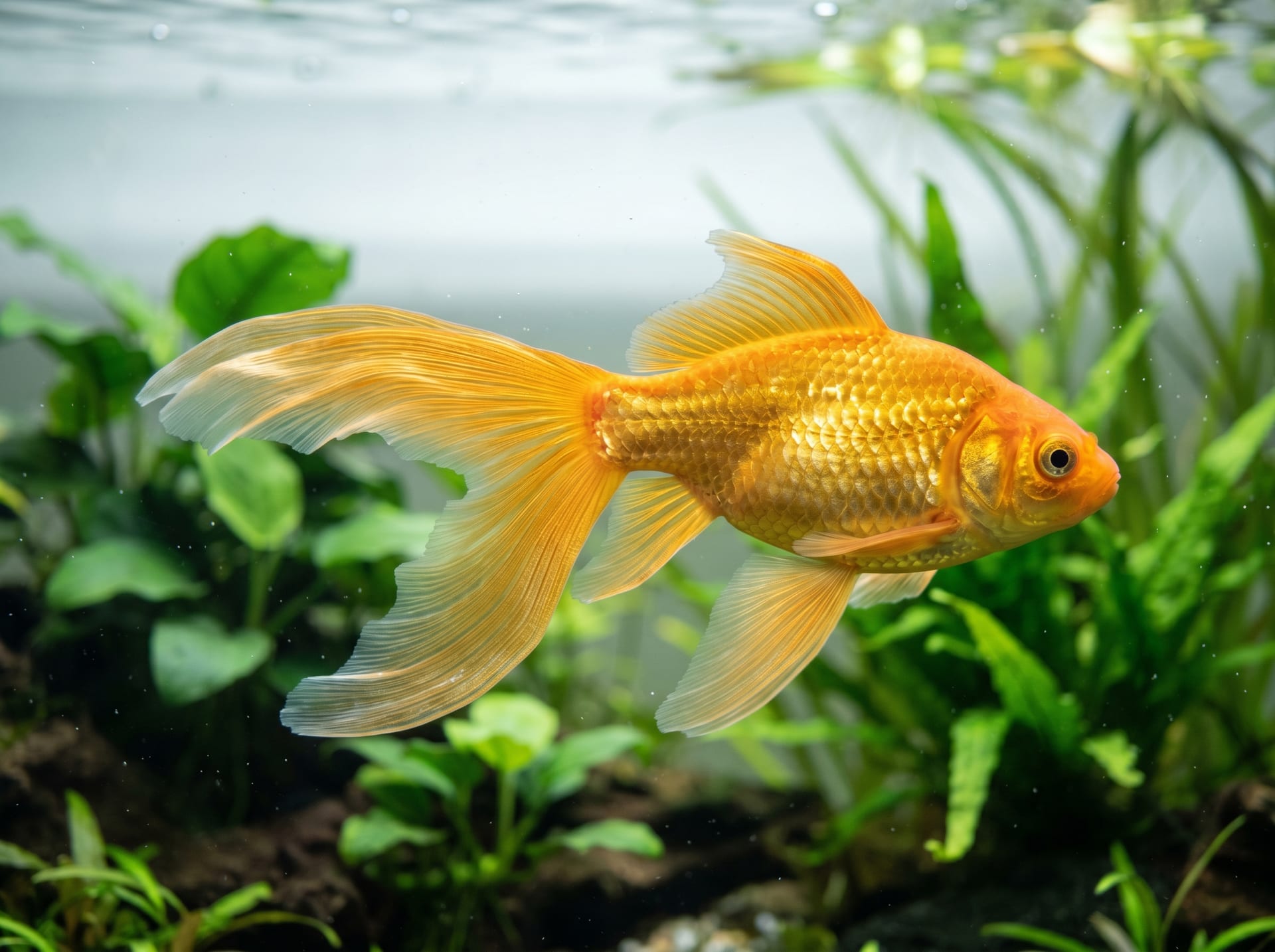
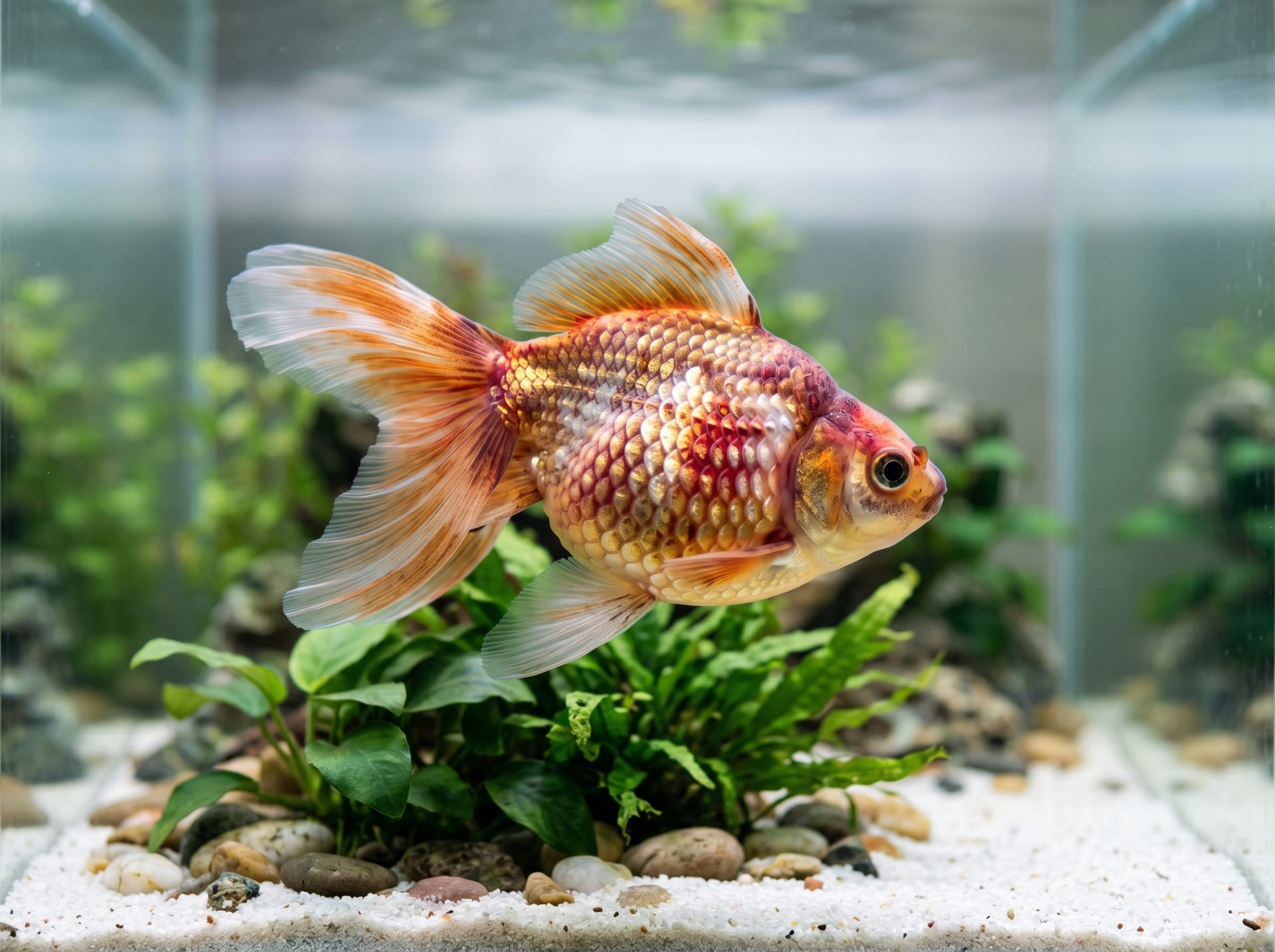
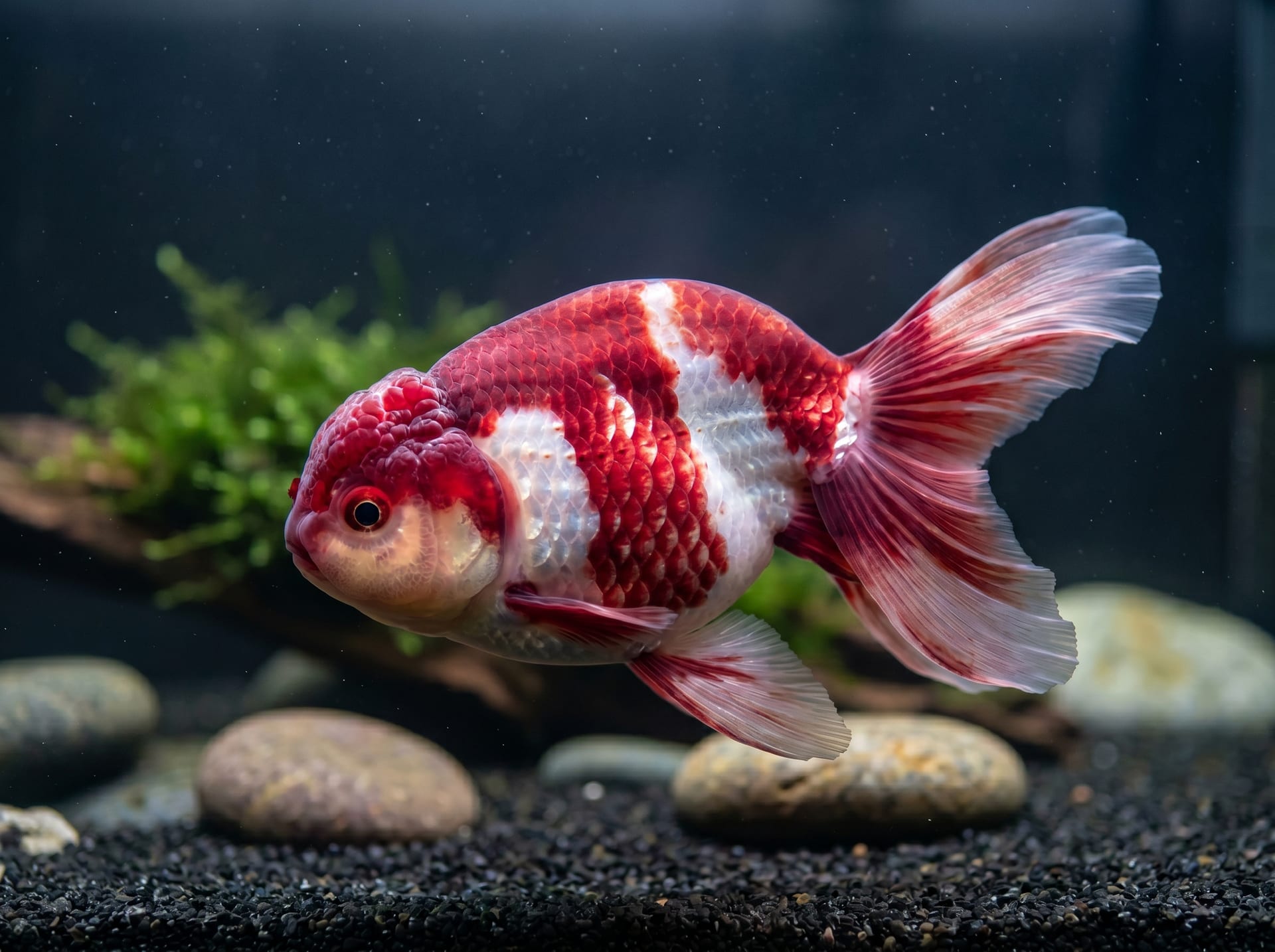

To raise goldfish healthily for a long time, proper environmental setup is essential. Starting with "just a goldfish bowl" often leads to failure. We'll explain practical points in detail, from tank selection through setup procedures to filter selection strategies. Please also refer to the basics of tank size selection.
How to Choose Tank Size
Choosing a tank is just as important as selecting goldfish. The basic principle is "the larger, the better". The more water volume, the more gradual the water quality changes become, making it easier to prevent rapid pH fluctuations and ammonia concentration spikes.
As a guideline, it's ideal to maintain 20-30 liters of water per fish. For example, if you're keeping three ryukins, you'll need at least 60-90 liters.
Here's a breakdown of the characteristics of each size:
- Small (~30cm tank): Suitable for only one small wakin goldfish. Water quality tends to become unstable due to low water volume, not recommended for beginners
- Medium (60cm tank): 2-4 fish such as ryukins, celestial eyes, and ping pong pearls. Easy to obtain and maintain, the ideal size for beginners
- Large (90cm or larger): For multiple ranchu or wakin goldfish, and serious keeping of large varieties. Water quality tends to stabilize due to greater water volume
- Plastic tubs and outdoor containers: Suitable for outdoor keeping of wakin and comet goldfish. Pay attention to high water temperatures in summer and low temperatures in winter
To supplement by variety, compact-bodied ping pong pearls and butterfly-tails can be comfortably kept even in a 60cm tank. On the other hand, wakin and comet goldfish swim actively, so a tank 90cm or longer is suitable. Ranchu prioritize width and floor area over depth, so specialized shallow tanks are preferred.
Types of Filtration Systems and How to Choose
Compared to other ornamental fish, goldfish produce large amounts of waste and pollute water easily. Without powerful filtration, even increasing the frequency of water changes won't keep up with water quality maintenance. Choosing a filter is key to successful keeping.
Top-mounted filters are the standard for goldfish keeping. They have large filter media capacity and high biological filtration capability while being easy to maintain. Ideal for 60-90cm tanks and widely used by beginners and experienced keepers alike. Another advantage is oxygen supply through water cascading from the surface.
5 Best External Filters excel in quiet operation and are suitable for large tanks and planted tank combinations. However, their sealed design means oxygen is consumed easily, so aeration is necessary.
Under-gravel filters utilize the entire substrate for biological filtration, providing excellent value and stable water quality. However, gravel is required and regular substrate cleaning is necessary.
Sponge filters are suited for fry tanks and isolation tanks for sick fish. The intake is fine-filtered so fry won't be sucked in, making it valuable as supplementary filtration in breeding tanks.
Tank Setup Procedures
Setting up correctly minimizes water quality problems after cycling.
- Decide on location: Choose a spot without direct sunlight and with a level, stable floor. Always check the tank stand's weight capacity.
- Prepare substrate: Thoroughly rinse large gravel or fine sand, rinsing until the water runs clear. Lay substrate about 3-5cm thick.
- Add water: To prevent substrate from stirring up, place a plate or board and pour water slowly over it. Always use dechlorinator.
- Install and start filter and aeration: Install an aquarium heater as needed to stabilize water temperature.
- Add pilot fish or culture bacteria with ammonia addition: "Cycling" over 1-2 weeks to establish bacterial colonies is important.
- Check water parameters and add goldfish: Confirm that ammonia and nitrite are not detected and pH is in the 6.5-8.0 range before introduction.
When adding new goldfish to the tank, be sure to acclimate them. Float the bag in the tank for 30 minutes to match water temperature, then gradually add tank water to the bag to acclimate them to the pH before releasing them.
Layout and Precautions
The aquarium layout also affects the success of keeping fish.
Substrate selection is important. Large gravel and fine sand are excellent for bacterial colonization and are easy-to-handle standard materials. Very fine sand risks accidental ingestion, so grain size around 2mm is safe. Bare-bottom tanks are easy to clean and good for sick fish management, but bacterial colonization is reduced, requiring measures to supplement filter capacity. See also the substrate guide.
Regarding aquatic plants, goldfish eat many plants. According to the plant care guide, species with hard leaves that are difficult to eat, such as anubias and willow moss, are suitable. If plant damage is still a concern, artificial plants are an option.
Avoid decorations and ornaments with sharp protrusions or edges that could injure fins. Varieties with large fins or eyes, such as celestial eyes and butterfly-tails, are particularly delicate.
Overstocking leads to poor water quality, oxygen depletion, and stress. While the desire to add one more fish is understandable, maintaining proper stocking levels is essential for long-term keeping.
Daily Care and Maintenance
Daily care after setup is also important.
Perform water changes once weekly, targeting 20-30% of tank volume. Refer to the complete water change guide. Changing large amounts of water at once kills bacteria and causes rapid water quality fluctuations, so frequent small changes are safer.
Feed once or twice daily, only the amount they can eat in 3-5 minutes. Uneaten food directly causes water quality deterioration, so remove any leftovers immediately.
Filter maintenance should be done about once monthly. Never rinse filter media with tap water; always rinse with water removed from the tank. Tap water chlorine will kill the bacteria.
Find Goldfish at BreederDirect
Once your setup is complete, it's time to find your favorite goldfish. In BreederDirect's goldfish category, you can purchase healthy individuals carefully raised by breeders directly from breeders. Being able to consult directly with sellers about breed characteristics and care precautions is a unique strength of BreederDirect. Feel free to ask for advice on selecting breeds suited to your tank environment.