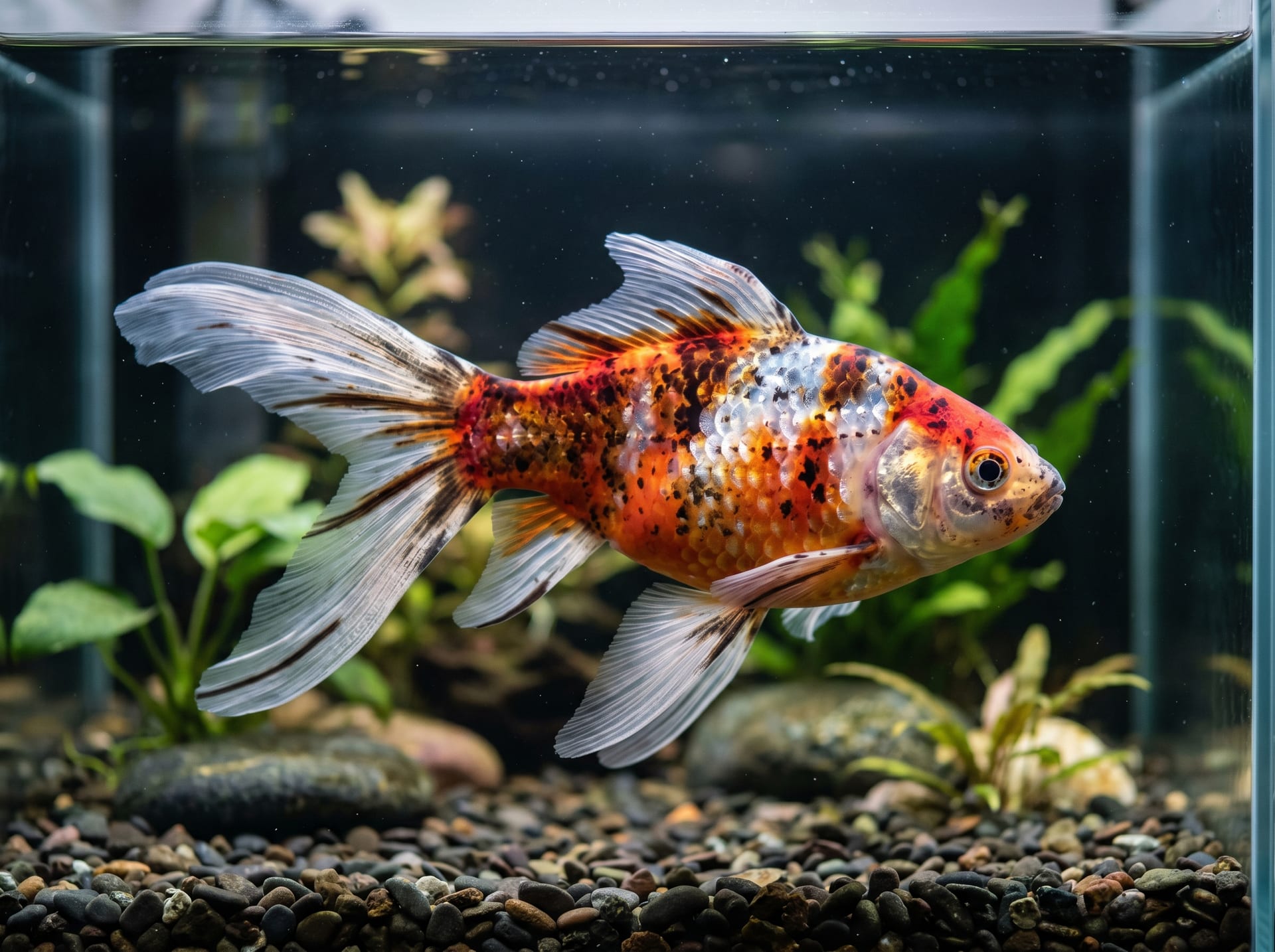
Comet (Comet Goldfish) Care Guide | Beauty of Long Tail Fins and Care Characteristics | ブリちょく
Goldfish| ✍️ BreederDirect Editorial
Comet (Comet Goldfish) Care Guide | Beauty of Long Tail Fins and Care Characteristics
Explains how to care for Comet goldfish, known for their long, beautiful tail fins. This guide presents tank size, water quality, feeding, and important notes on tank mates suitable for Comets, which are a single-tail variety with excellent swimming ability, in an easy-to-understand way for beginners.
Key Takeaways
Explains how to care for Comet goldfish, known for their long, beautiful tail fins. This guide presents tank size, water quality, feeding, and important notes on tank mates suitable for Comets, which are a single-tail variety with excellent swimming ability, in an easy-to-understand way for beginners.
What Is a Comet Goldfish?
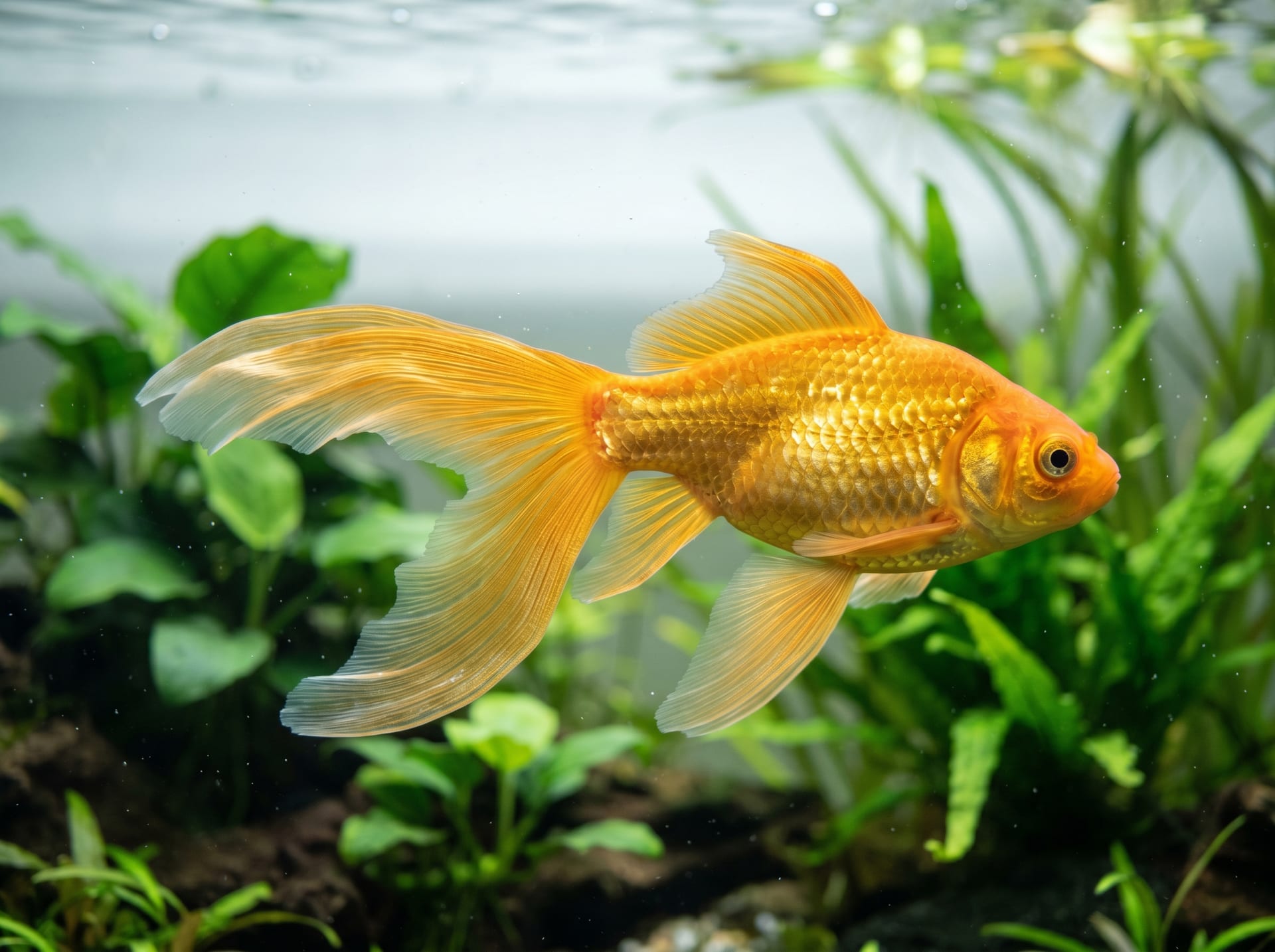
The Comet (scientific name: Comet, Japanese name: 彗星) is a variety of goldfish refined in America in the late 19th century. Developed from the Wakin (Japanese goldfish) variety and selectively bred to have long tail fins, it was named "Comet" because the shape of its flowing tail resembles that of a comet's tail.
✍️
BreederDirect Editorial
The BreederDirect editorial team specializes in care information for animals, covering veterinary care and breeding to deliver beginner-friendly guides.
Find Goldfish on BreederDirect
Buy directly from verified breeders
Browse Related Listings
Find Goldfish listings related to this article on BreederDirect. Buy directly from verified breeders.
Physical Characteristics
- Single-tail variety with a slender, streamlined body
- An extremely long single tail that can reach 1-2 times the body length
- Body colors are diverse, including orange, red, white, yellow, and sarasa (red and white)
- Active body shape with extremely fast swimming ability
Differences from Wakin Goldfish
While Wakins also have a single tail, Comets stand out for their extremely long tail fins. Additionally, while Wakins have a slightly rounder body shape, Comets have a slender form with emphasized streamlining.
Required Tank Size for Care
Because Comets are especially active and swimming goldfish varieties, they require sufficient space.
Number of Fish
Recommended Tank Size
1 fish
60 cm (60L or more)
2-3 fish
90 cm (100L or more)
4-5 fish
120 cm or more
In narrow tanks, there is a constant risk of colliding with the glass, which can damage long tail fins and cause disease due to stress.
Outdoor Rearing Is Also Suitable
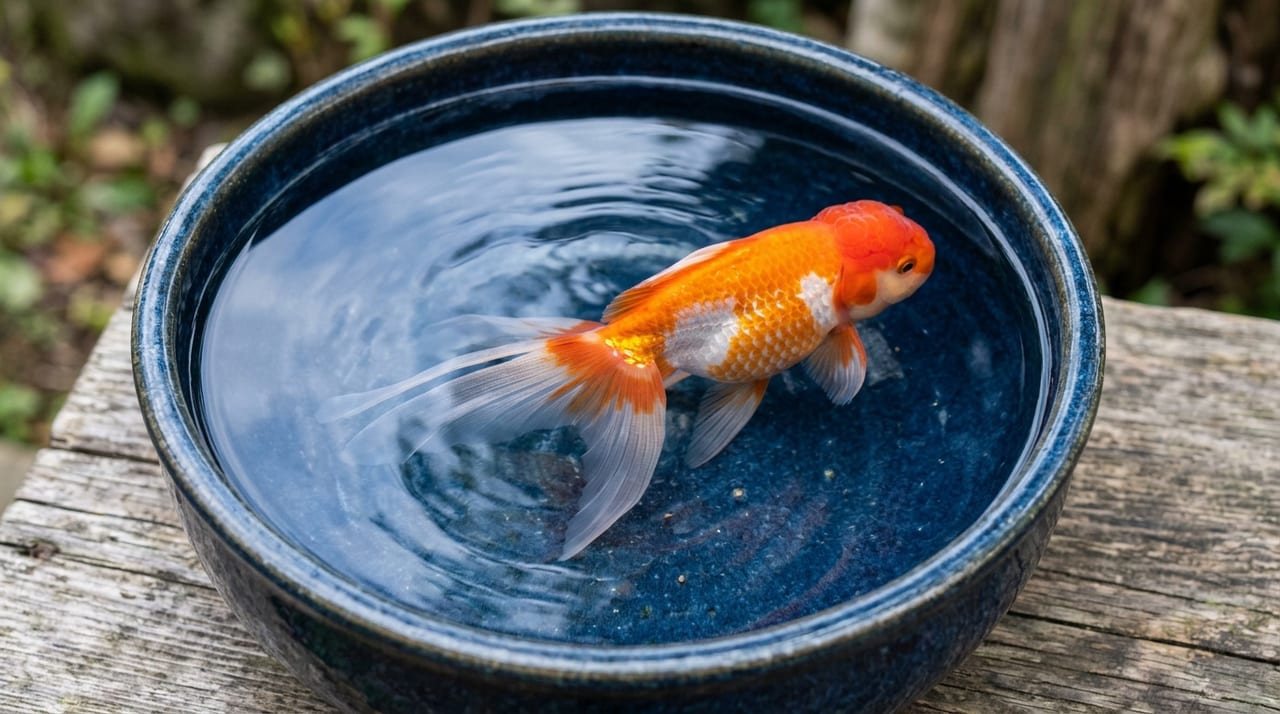
Comets are relatively hardy in Japan's climate and are also suited for outdoor rearing in plastic basins or ponds. Their graceful swimming in wide open spaces is exceptional. When rearing outdoors, always install netting to protect against predators (birds and cats).
Water Quality Management
Comets are relatively hardy among goldfish but are vulnerable to water quality deterioration.
Parameter
Target Value
Water Temperature
10-28°C (wide tolerance range)
pH
7.0-8.0
Ammonia/Nitrite
0 ppm
Nitrate (NO₃)
40 ppm or less
Importance of Filtration Capacity
Because they are active fish with high metabolism, water becomes dirty easily. The key is to choose a slightly more powerful filter relative to tank volume (such as top or external filters).
Water Change Frequency
- 60 cm tank: once weekly, 30-40%
- 90 cm or larger: once weekly, 20-30%
When performing water changes, match the temperature of the new water (within ±2°C) and remember to dechlorinate.
Feeding and Color Enhancement
Basic Feeding
Frequency: 1-2 times per day. Adjust based on season and water temperature
Amount: Use an amount that can be consumed in 2-3 minutes as a guideline. Remove uneaten food promptly
Food Type: Commercial floating goldfish flakes or granular food is easy to handle
Adjusting Feed Amount by Season
Water Temperature
Feed Amount/Frequency
25°C or above
2 times daily, normal amount
20-25°C
1-2 times daily, slightly less
15-20°C
Once daily, small amount
10-15°C
2-3 times weekly, minimal amount
10°C or below
Stop feeding or once weekly only
Because digestive function is linked to water temperature, overfeeding during low temperature periods is a major cause of swim bladder disease.
Points for Color Enhancement
To maintain vibrant red and orange coloring in Comets:
- Incorporate color-enhancement feed containing spirulina and astaxanthin 2-3 times weekly
- Sufficient light (sunlight or tank lighting approximately 10 hours daily)
- Maintenance of good water quality
Tail Fin Care and Management
The long tail fins, which are the greatest attraction of Comets, are also fragile parts.
Points for Protecting Tail Fins
Decoration Selection: Avoid sharp-edged stones or decorations. Smooth ceramic materials are safe
Tank Mate Selection: Cohabitation with fin-nipping fish is prohibited
Water Flow Strength: Continuous exposure to overly strong water flow can cause tail fins to break or tear
Treating Fin Rot
Long tail fins are also susceptible to infections (fin rot).
- Symptoms: The edges of the tail fin become whitish and appear to melt away
- Cause: Water quality deterioration, Columnaris bacteria
- Treatment: Medicate with Green F Gold granules (follow package instructions). Increase water changes to improve water quality
Notes on Tank Mates
Because Comets are extremely fast swimmers, tank sharing with round-bodied goldfish with poor swimming ability such as Ryukin, Ranchu, or Telescope Eyes is not recommended. There is a risk that slower-swimming varieties cannot get food and may become malnourished.
Suitable Tank Mates
Wakin: Same single-tail variety with similar swimming ability, good compatibility
Comets with each other: Same-variety tank sharing has the fewest problems
Shubunkin: Same single-tail variety with good compatibility
Tank Mates to Avoid
Ryukin, Oranda, Ranchu: Slow swimmers that cannot get food and may be bullied
Telescope Eyes: Risk of eye damage
Tropical fish in general: Different temperature ranges, and there may be cases where Comets have their fins nipped
Breeding
Comets can be bred similarly to common goldfish.
Breeding Period: Spring (April-May) when water temperature rises to 15-20°C is ideal for spawning
Spawning Trigger: Lower water temperature slightly, then raise it (simulating spring)
Fry Management: They are predated immediately after birth, so separate them from parent fish for rearing
Summary
Comet goldfish are an attractive variety for their elegant beauty of long tail fins and their active swimming. Unlike round-bodied goldfish, they have a single tail and excel at swimming, making them well-suited for rearing in large tanks or outdoor ponds. While they are relatively easy to care for even for beginners, by being mindful of three key points—sufficient tank size, good water quality, and environmental design that does not damage long tail fins—long-term rearing of over 10 years is entirely possible.