Complete Guide to Setting Up a Goldfish Tank at Home|How to Choose Filters, Substrate, and Lighting | ブリちょく
Goldfish| ✍️ BreederDirect Editorial
Complete Guide to Setting Up a Goldfish Tank at Home|How to Choose Filters, Substrate, and Lighting
A comprehensive guide to selecting equipment for keeping goldfish in an indoor aquarium. We've compiled essential information on filter types and selection criteria, substrate materials, the role of lighting, and recommended tank sizes—all useful knowledge for setting up your first goldfish tank.
Key Takeaways
A comprehensive guide to selecting equipment for keeping goldfish in an indoor aquarium. We've compiled essential information on filter types and selection criteria, substrate materials, the role of lighting, and recommended tank sizes—all useful knowledge for setting up your first goldfish tank.
Why Tank Setup is Critical for Goldfish Keeping
Goldfish prefer clean water, yet they produce significant waste and easily foul the water. Selecting an appropriate filter and tank size is the most critical factor in keeping goldfish healthy long-term.
✍️
BreederDirect Editorial
The BreederDirect editorial team specializes in care information for animals, covering veterinary care and breeding to deliver beginner-friendly guides.
Find Goldfish on BreederDirect
Buy directly from verified breeders
Browse Related Listings
Find Goldfish listings related to this article on BreederDirect. Buy directly from verified breeders.
Related Tools
Related Articles
Browse by Category
🪸Coral
🐠Marine Fish
🐟Tropical Fish
🐡Goldfish
🐟Medaka
🦎Reptiles
Share
While some people believe a "goldfish bowl is sufficient," goldfish grow to 15-30cm when fully mature. Maintaining 20-40 liters of water per adult fish is the basic guideline for ensuring health.
Choosing Tank Size
Required tank size varies depending on the number and type of goldfish.
Small varieties (Ping Pong Pearl, Kohaku, etc.) 2-3 fish: 60cm tank (approximately 60 liters)
Medium varieties (Dutch Lion Head, Tancho, etc.) 2 fish: 60-90cm tank
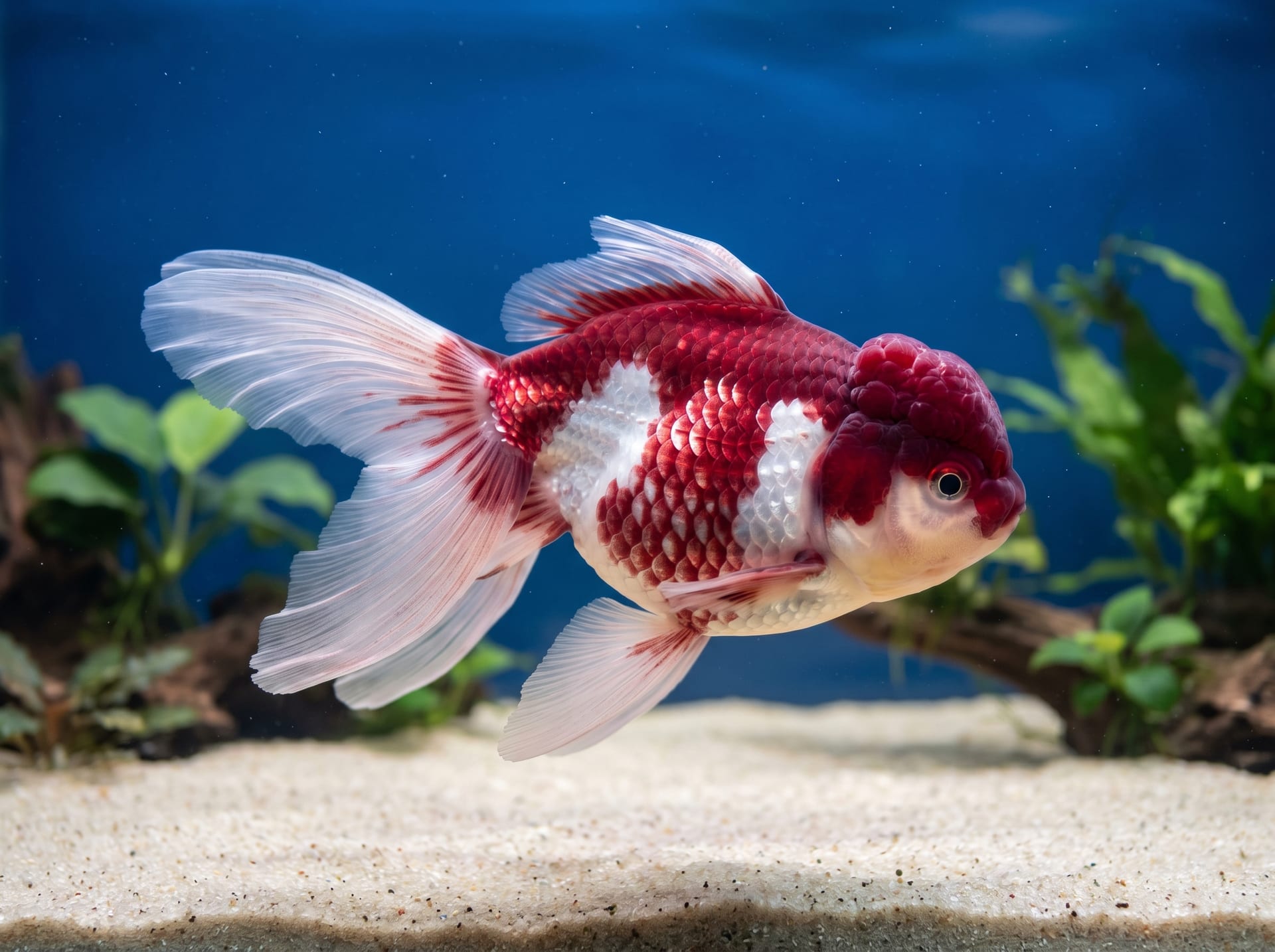
Large varieties (Ranchu, Tosa Kin, etc.) 2 fish: 90cm tank or larger recommended
Prioritize "floor area" over depth. Goldfish are more comfortable with greater floor space, and ample swimming room reduces stress.
Filter Types and Selection
The filter is the most important equipment for goldfish keeping. Because goldfish produce substantial waste, the rule is to select a filter oversized for your stocking density.
External Filter (Canister style): Large filter chamber with high biological filtration capacity. Offers quiet operation and good compatibility with planted tanks. While maintenance is somewhat involved, it's the most recommended option for 60cm+ tanks.
Top Filter: Simple maintenance with many 60cm-specific products available. High oxygen supply capacity and a classic choice for goldfish keeping.
Intake Filter (such as Suisaku Eight): Compact and inexpensive, but filtration capacity is often insufficient for goldfish when used alone. Practical use as a supplementary filter is more realistic.
Sponge Filter: Easy to use with bare bottom (no substrate) setups and simple to maintain. Often combined with a top filter.
Substrate (Bottom Gravel) Selection
Since goldfish root around on the bottom, substrate selection matters.
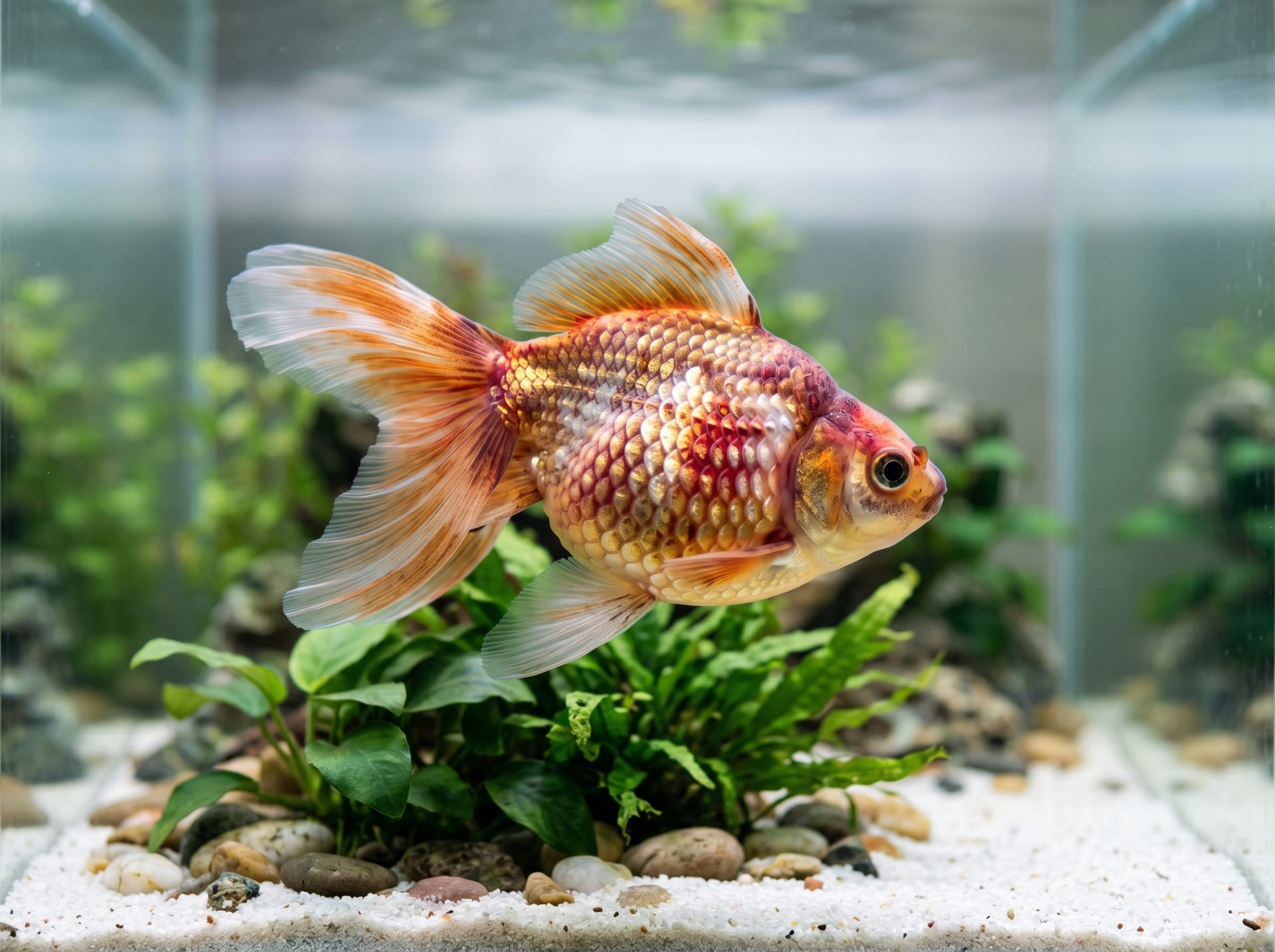
Coarse Coral Sand: The standard choice for goldfish keeping. Appropriate grain size prevents the fish from getting stuck while rooting, and bacteria colonize well. Minimal water quality impact.
Bare Bottom (no substrate): Easiest to clean, with debris immediately visible. Ideal for display, breeding, and quarantine tanks. Creates a minimal appearance.
Gravel: Fine gravel risks the goldfish swallowing it and becoming impacted. Choose pieces 5mm or larger in diameter.
The Role of Lighting
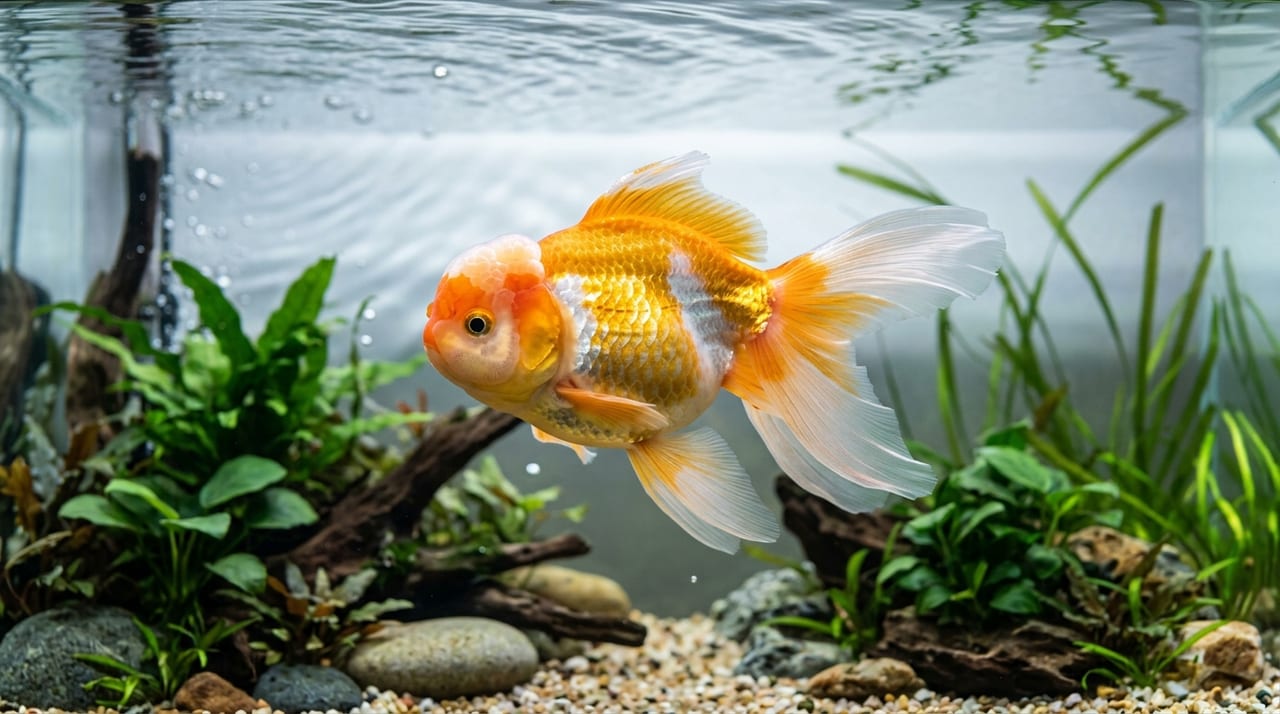
Lighting is not essential for goldfish but improves color development and ornamental value. When placed in the tank, lighting also helps stabilize the day-night rhythm of aquatic life.
For goldfish tanks, 8-10 hours of lighting daily is standard. To prevent algae growth, place the tank away from direct sunlight and manage lighting duration. A timer is recommended.
Tank Startup and Water Conditioning
Once the tank is set up, don't add goldfish immediately. First use "pilot fish" or "pilot food" to establish bacteria over 2-4 weeks (nitrogen cycle startup).
Dechlorination of tap water is essential. Use commercial dechlorinator (sodium thiosulfate) or let water sit before use. The ideal water temperature for goldfish is 18-25°C.
Perform 10-20% water changes weekly as the foundation for long-term water quality. Use test kits to monitor ammonia and nitrite levels.