Complete Guide to Saving Electricity Costs in Goldfish Keeping | Power Consumption and Energy-Saving Techniques for Filters, Heaters, and Lighting
A comprehensive breakdown of electricity costs for goldfish keeping by filters, heaters, and lighting. Including power consumption estimates and monthly cost calculation methods, practical energy-saving techniques such as switching to LED lighting, insulation measures, and filter optimization—a complete guide to reducing costs while enjoying goldfish keeping for years to come.
Key Takeaways
A comprehensive breakdown of electricity costs for goldfish keeping by filters, heaters, and lighting. Including power consumption estimates and monthly cost calculation methods, practical energy-saving techniques such as switching to LED lighting, insulation measures, and filter optimization—a complete guide to reducing costs while enjoying goldfish keeping for years to come.
Related Species
Overview of Electricity Costs in Goldfish Keeping
The main sources of electricity consumption in goldfish keeping are three: "filters (pumps)," "heaters (thermostats)," and "lighting." Costs vary significantly depending on tank size, installation environment, and season, but the approximate annual electricity cost for a standard 60cm tank is as follows.
Estimated Annual Electricity Cost for a 60cm Tank (approximately 60L capacity)
| Equipment | Estimated Power Consumption | Monthly (approx.) | Annual (approx.) |
|---|---|---|---|
| External Filter | 5-20W | ¥100-400 | ¥1,200-4,800 |
| Top Filter | 10-30W | ¥200-600 | ¥2,400-7,200 |
| Heater (winter only, 4 months) | 100-200W (operating) | ¥2,000-6,000 | ¥8,000-24,000 (4 months) |
| LED Lighting (12 hours/day) | 10-30W | ¥200-600 | ¥2,400-7,200 |
※Calculations based on a power rate of ¥31/kWh (2024 average estimate)
Heaters do not operate at maximum power consumption; the actual operating rate is approximately 30-50% due to thermostat on/off cycling. Therefore, actual electricity costs typically fall to about 50-70% of the above estimates.
Filter Electricity Costs and Energy-Saving Techniques
Power Consumption Comparison by Filter Type
| Filter Type | Power Consumption | Characteristics |
|---|---|---|
| Internal Sponge Filter (air pump powered) | 2-5W (pump) | Most energy-efficient. Air pump is the power source |
| Undergravel Filter | 2-5W (air pump) | Energy-efficient but laborious to clean |
| External Filter | 5-20W | Quiet, high-performance. Modest power consumption |
| Top Filter | 10-30W | Easy maintenance but higher consumption |
| Sponge Filter | 2-5W (pump) | Biological filtration focused, energy-efficient |
Filter Energy-Saving Techniques
- Avoid Oversizing: A flow rate of 2-3 times the tank volume is ideal. Larger filters are a waste of electricity
- Switch to External Filters: Upgrading from a top filter to an external filter can save ¥1,000-3,000 annually
- Regular Maintenance: Clogged filter media reduces pump efficiency and increases power consumption. Rinse the media monthly to maintain efficiency
- Reduced Night Flow Settings: Some timers can reduce pump output during low-activity hours at night (note: this setup may not be suitable for goldfish)
Heater Electricity Costs and Energy-Saving Techniques
Winter heating costs represent the largest portion of annual electricity expenses. Efficient heat management is the key to energy savings.
Recommended Heater Wattage (Thermostat setting: 24-26°C)
| Water Volume | Recommended Wattage | Monthly Electricity Cost (Winter) |
|---|---|---|
| 30L (small tank) | 50-100W | ¥600-1,500 |
| 60L (60cm tank) | 100-150W | ¥1,200-2,200 |
| 90L (90cm tank) | 150-200W | ¥1,800-3,000 |
| 150L or larger | 200W or more | ¥2,400+ |
Heater Energy-Saving Techniques
1. Insulate the Tank with Insulation Materials
Applying insulation materials (foam boards, insulation sheets) to the bottom, back, and sides of the tank prevents heat loss and significantly reduces heater operating time.
- Budget insulation sheets from 100-yen shops (intended for windows) are affordable and easy to use
- Cut foam boards (20-30mm thick) to tank size and attach to the back and sides
- Effect: Can reduce heat loss by 30-50% depending on room temperature
2. Optimize Temperature Settings
If you're maintaining water at 24-26°C during winter, some goldfish varieties can thrive at 20-22°C (such as wakin, comet, and ryukin single-tails and fancy varieties). However, lowering the temperature too much can weaken immunity; avoid dropping below 15-18°C.
3. Warm the Entire Room
Room temperature management is important. The heater operating rate differs significantly between a 10°C room and a 20°C room at the same temperature setting. Simply moving the tank to a warmer living space can reduce electricity consumption.
4. Consider Natural Overwintering
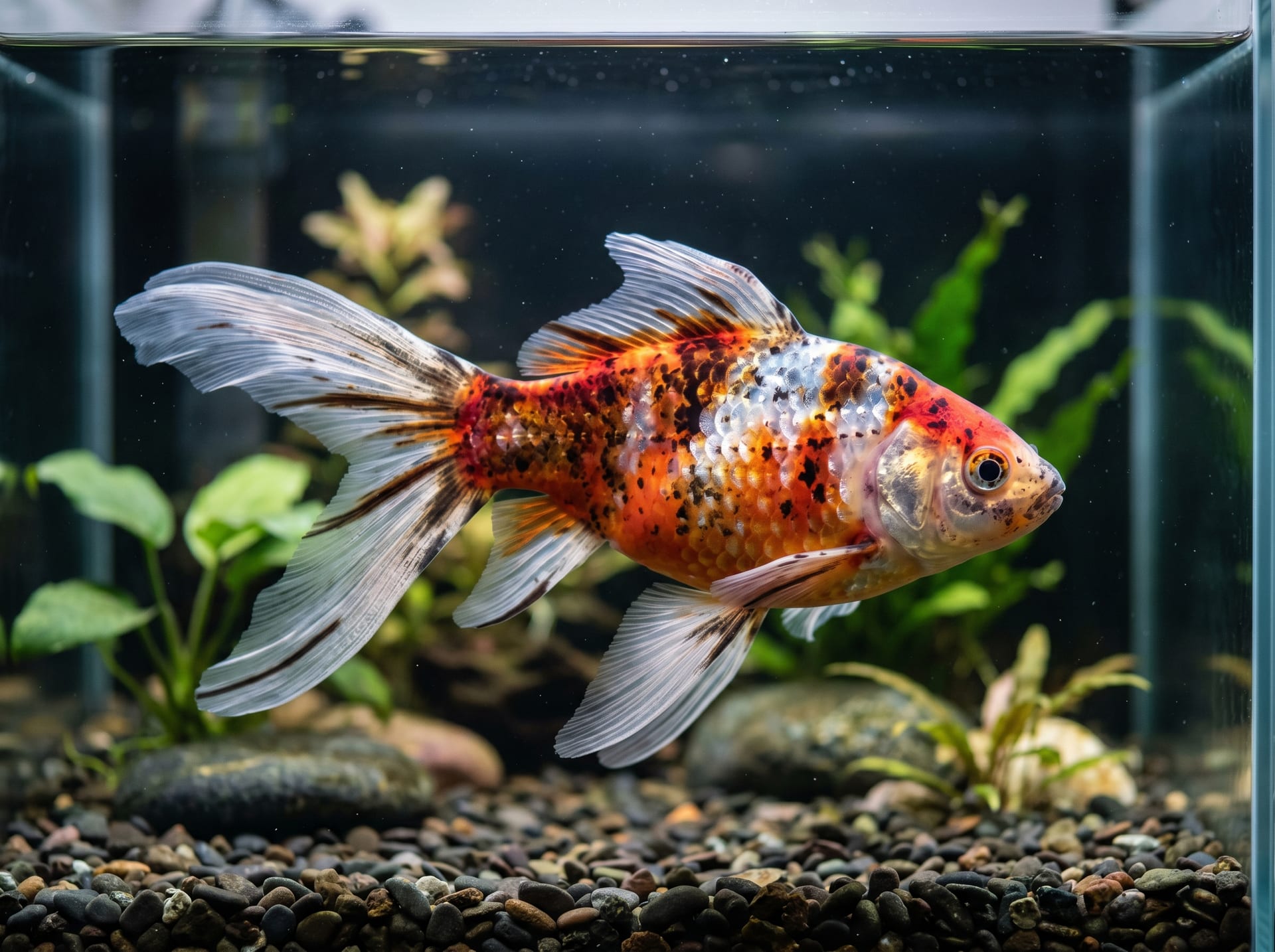
Goldfish (especially wakin, comet, and akubunkintail varieties) are hardy species that can overwinter without heaters in room temperature or outdoor conditions. They maintain health even when water temperature drops to 8-12°C during winter (for cold-hardy varieties only). Discontinuing heating can reduce winter heating costs to nearly zero.
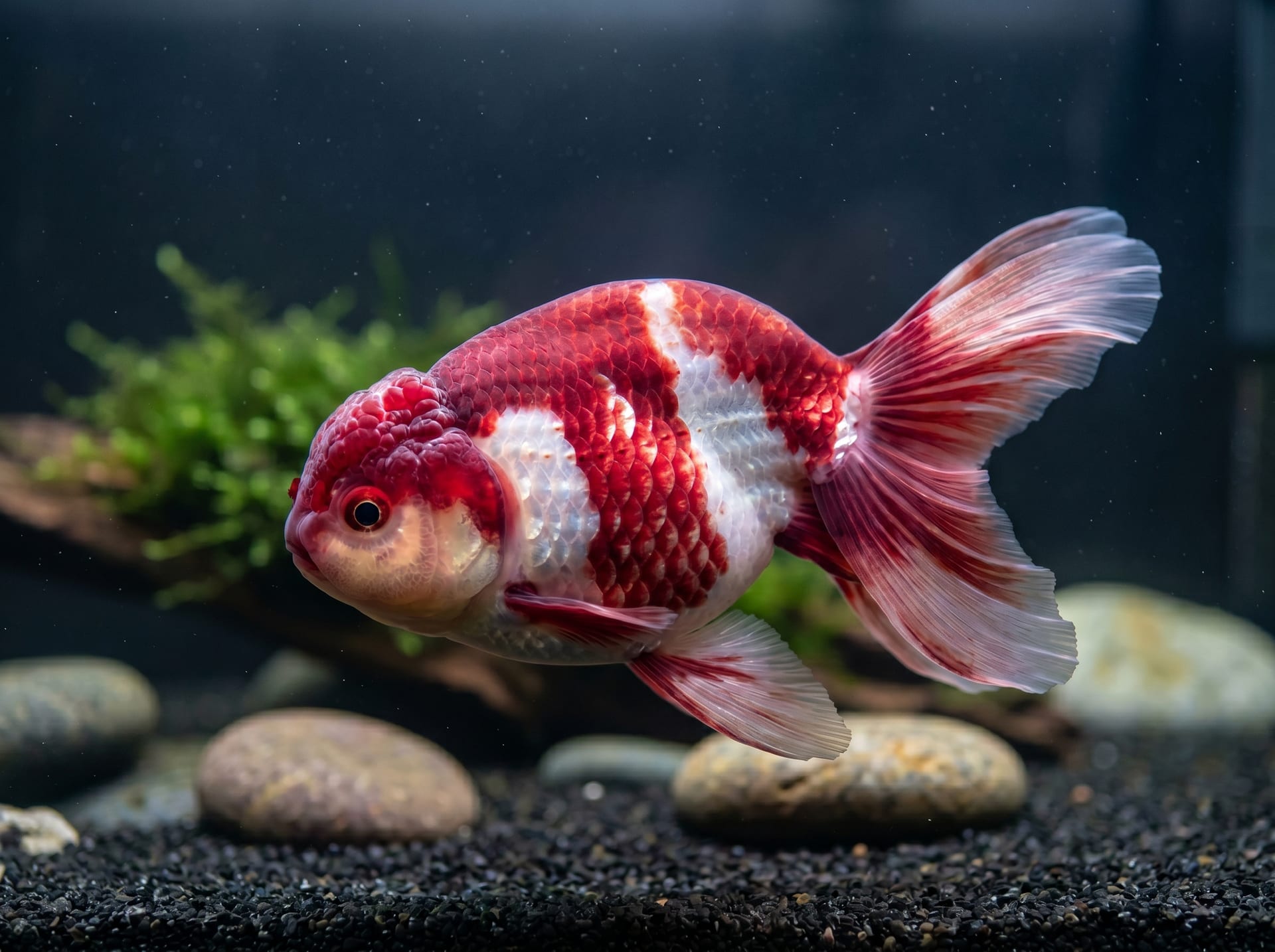
※However, fancy round-body varieties such as orandas, ranchu, and ping-pong pearls are sensitive to rapid temperature changes and require caution.
Lighting Electricity Costs and Energy-Saving Techniques
Switching to LED Lighting is the Biggest Energy-Saving Opportunity
| Lighting Type | Power Consumption (60cm tank) | Monthly Electricity Cost (12 hours/day) |
|---|---|---|
| Fluorescent (old type) | 20-40W | ¥400-800 |
| LED (standard) | 8-20W | ¥160-400 |
| LED (energy-saving) | 5-12W | ¥100-240 |
Simply switching from fluorescent to LED often reduces lighting electricity costs by 50-70%, saving ¥1,000-3,000 annually.
Lighting Energy-Saving Techniques
- Timer Control: Use timer plugs for automatic on/off switching. 12-14 hours daily is ideal for goldfish. Avoid excessive lighting
- Natural Light Utilization: Placing the tank where indirect window light reaches can reduce lighting hours (avoid direct sunlight as it causes temperature spikes and algae growth)
- LED Selection: Different LED brands and models can have 2-3 times power consumption differences. Always check the wattage in the specifications before purchasing
Key Points for Comprehensive Electricity Cost Management
Measuring Actual Electricity Costs
Using a watt checker (power monitor) allows you to accurately measure actual power consumption and costs for each device. They cost around ¥3,000-5,000 and pay for themselves relatively quickly.
Optimizing Multiple Tanks
If managing multiple tanks, the following methods can improve efficiency:
- Consolidate multiple tanks in the same room using a single large external filter (via piping connections)
- Position tanks with identical temperature settings adjacent to each other to share insulation benefits
- Control lighting for all tanks simultaneously with a single timer
Running Costs and Variety Selection
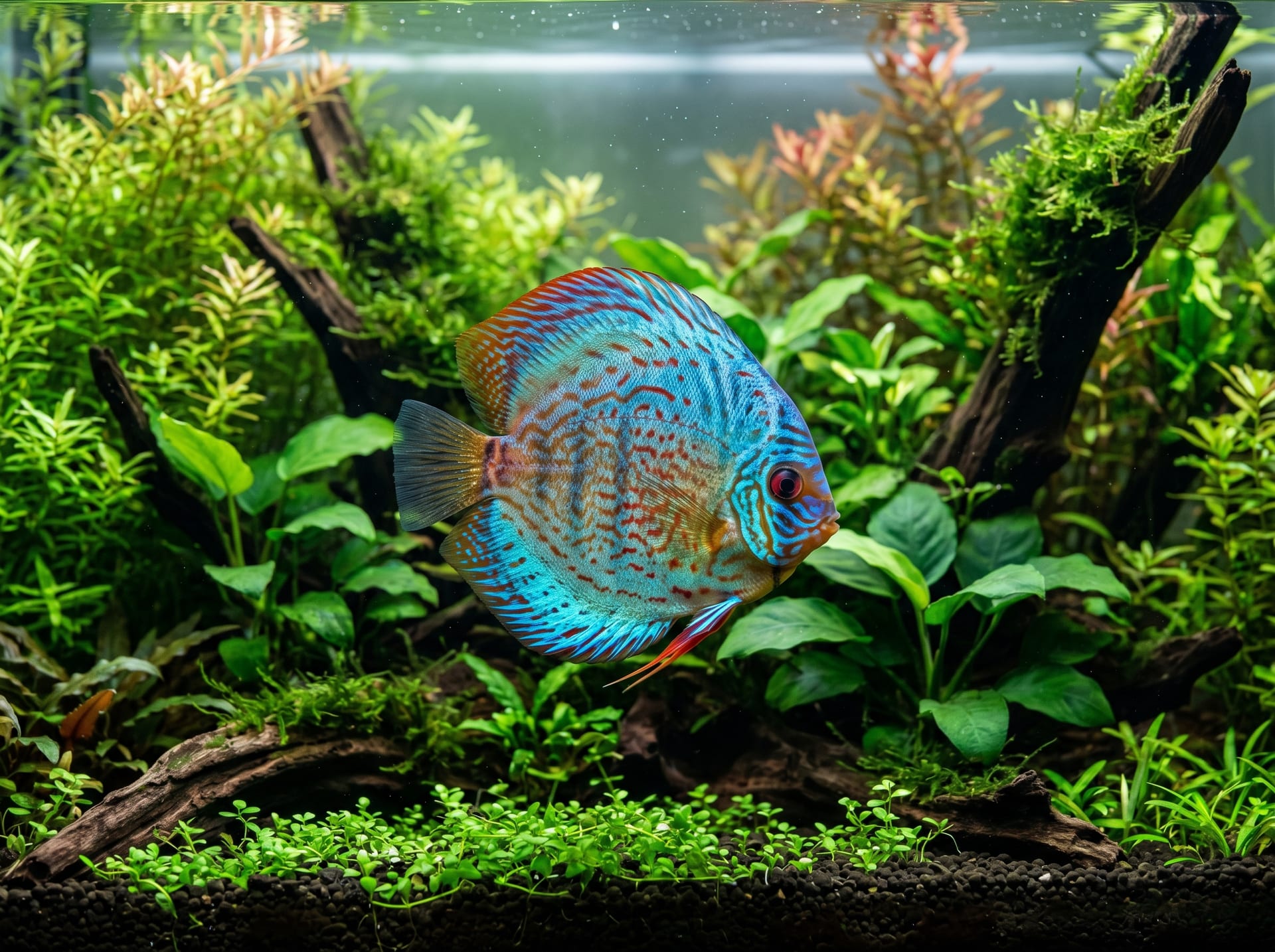
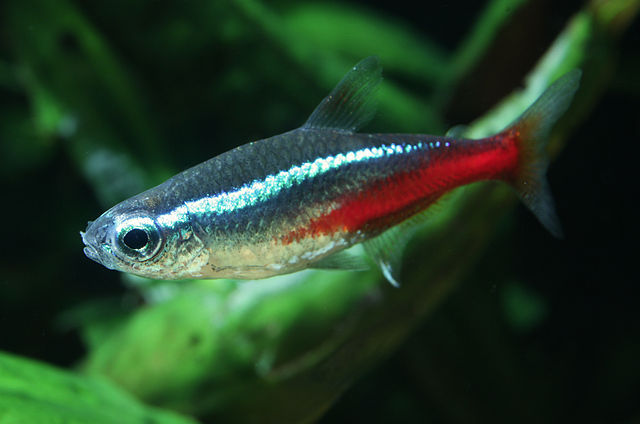
Compared to tropical fish (such as neon tetras and discus fish) that require year-round 24-26°C heating, native Japanese goldfish have high cold tolerance and lower electricity costs. This is one of the practical cost advantages of goldfish keeping.
Summary
The priority order for saving electricity costs in goldfish keeping is: winter heater management (insulation and temperature optimization) as most effective, followed by LED lighting conversion, then filter downsizing. Implementing comprehensive energy-saving measures can reduce annual costs by approximately ¥3,000-10,000. Making electricity costs visible (using watt checkers) and accumulating small improvements is a smart approach to enjoying goldfish keeping for the long term.