Aquatic Plants for Goldfish Tanks — Choosing Hardy Species That Resist Nibbling
Guide to choosing aquatic plants for goldfish tanks: hardy species that resist being eaten, placement tips for coexisting with goldfish, and techniques to keep plants thriving.
Key Takeaways
Guide to choosing aquatic plants for goldfish tanks: hardy species that resist being eaten, placement tips for coexisting with goldfish, and techniques to keep plants thriving.
Related Species
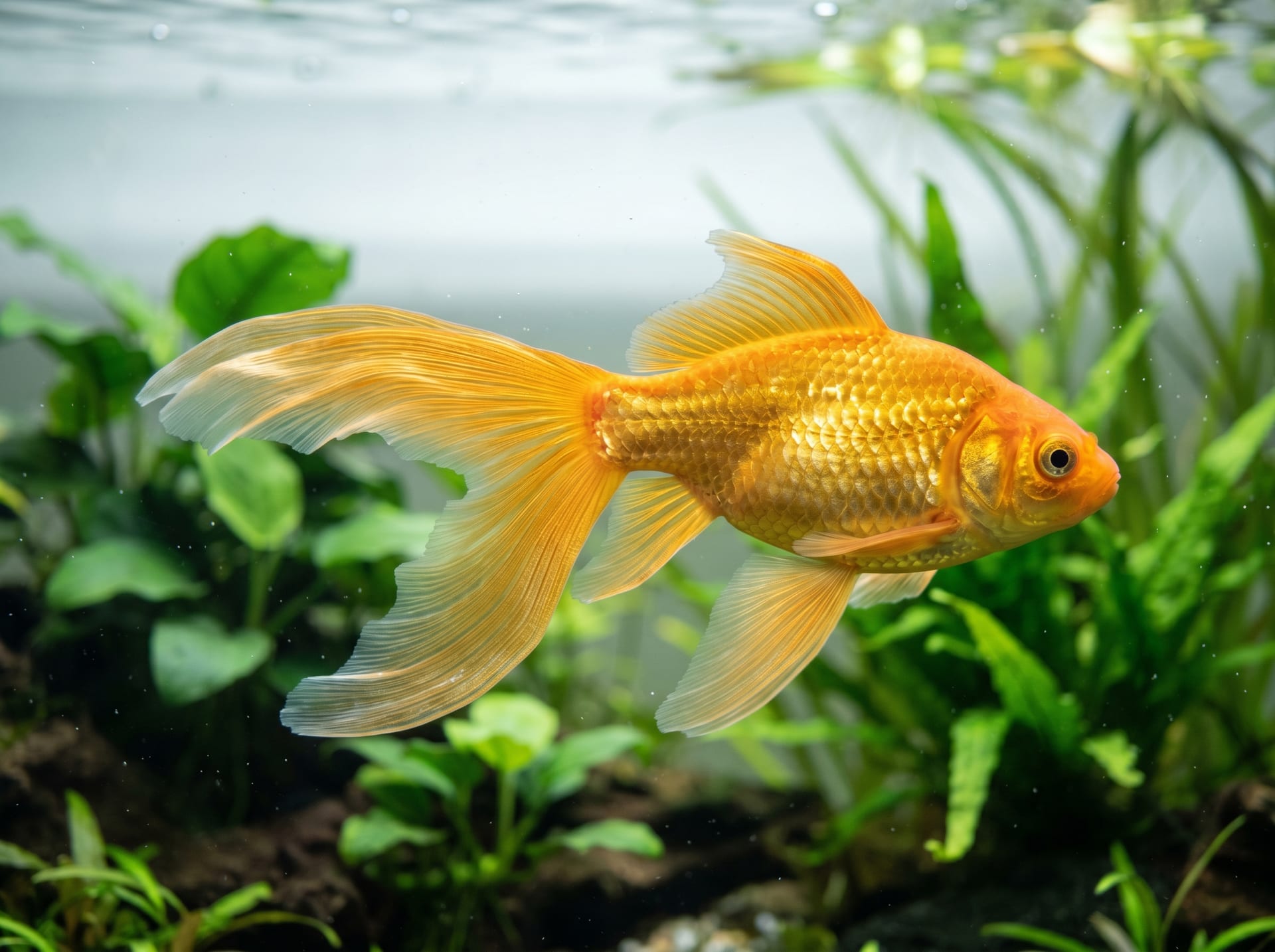
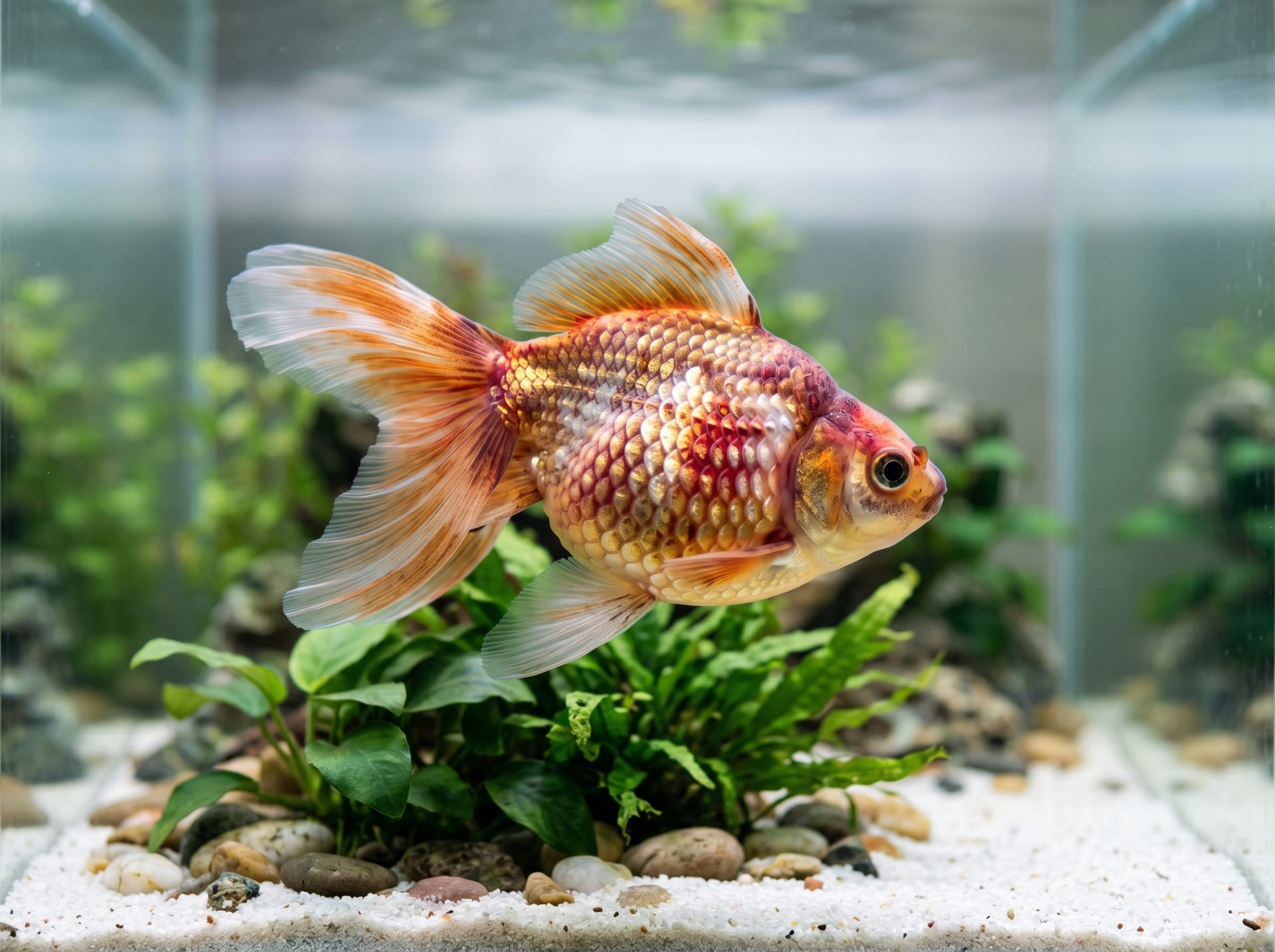
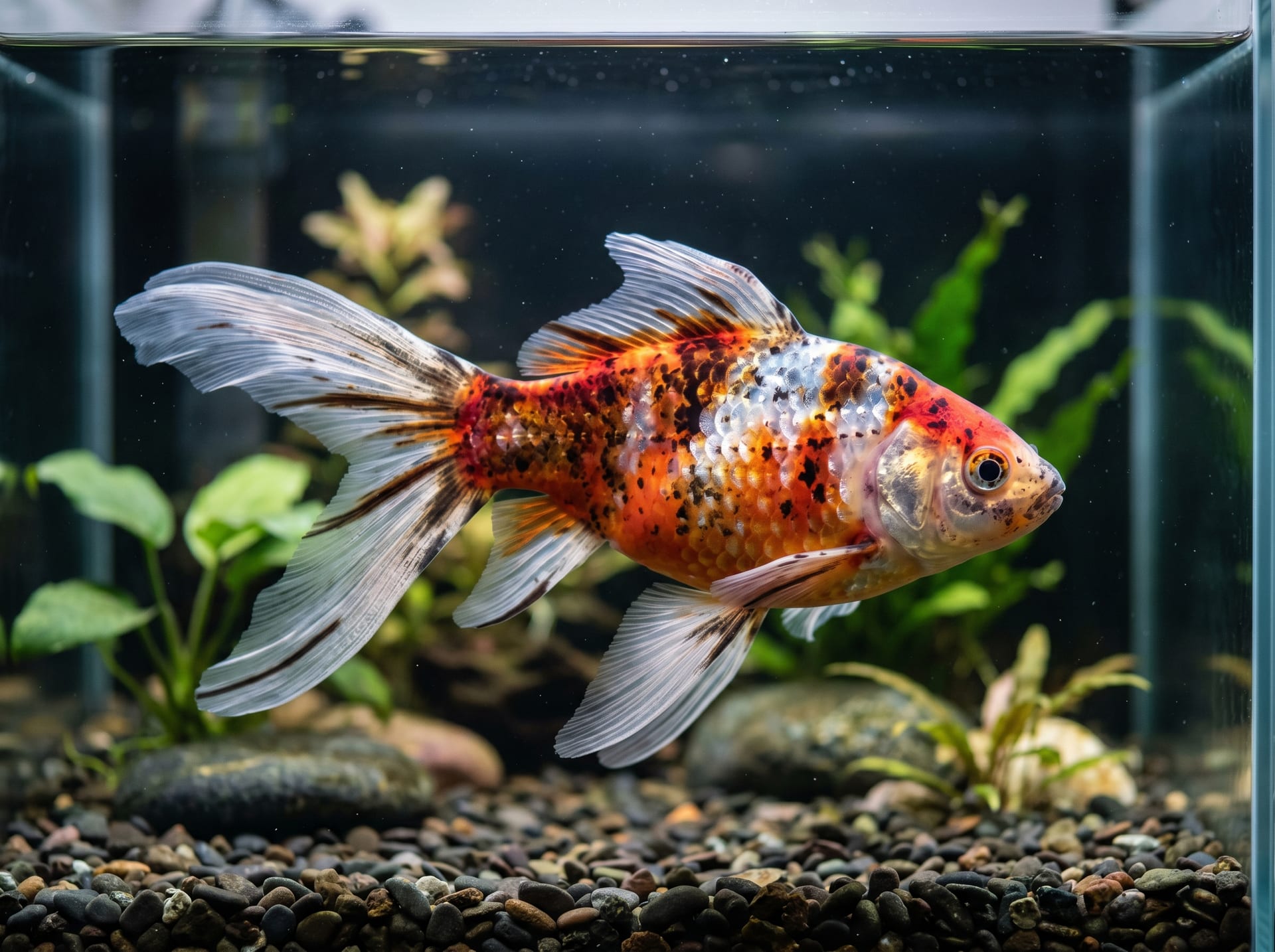
Adding aquatic plants to a goldfish tank enhances the appearance and helps with water purification and provides hiding places for goldfish. However, goldfish are known to be highly omnivorous and quickly eat soft aquatic plants. This article introduces how to select durable aquatic plants that are difficult for goldfish to eat, and tips for making aquatic plants last longer.
Why Goldfish Eat Aquatic Plants and Basic Countermeasures
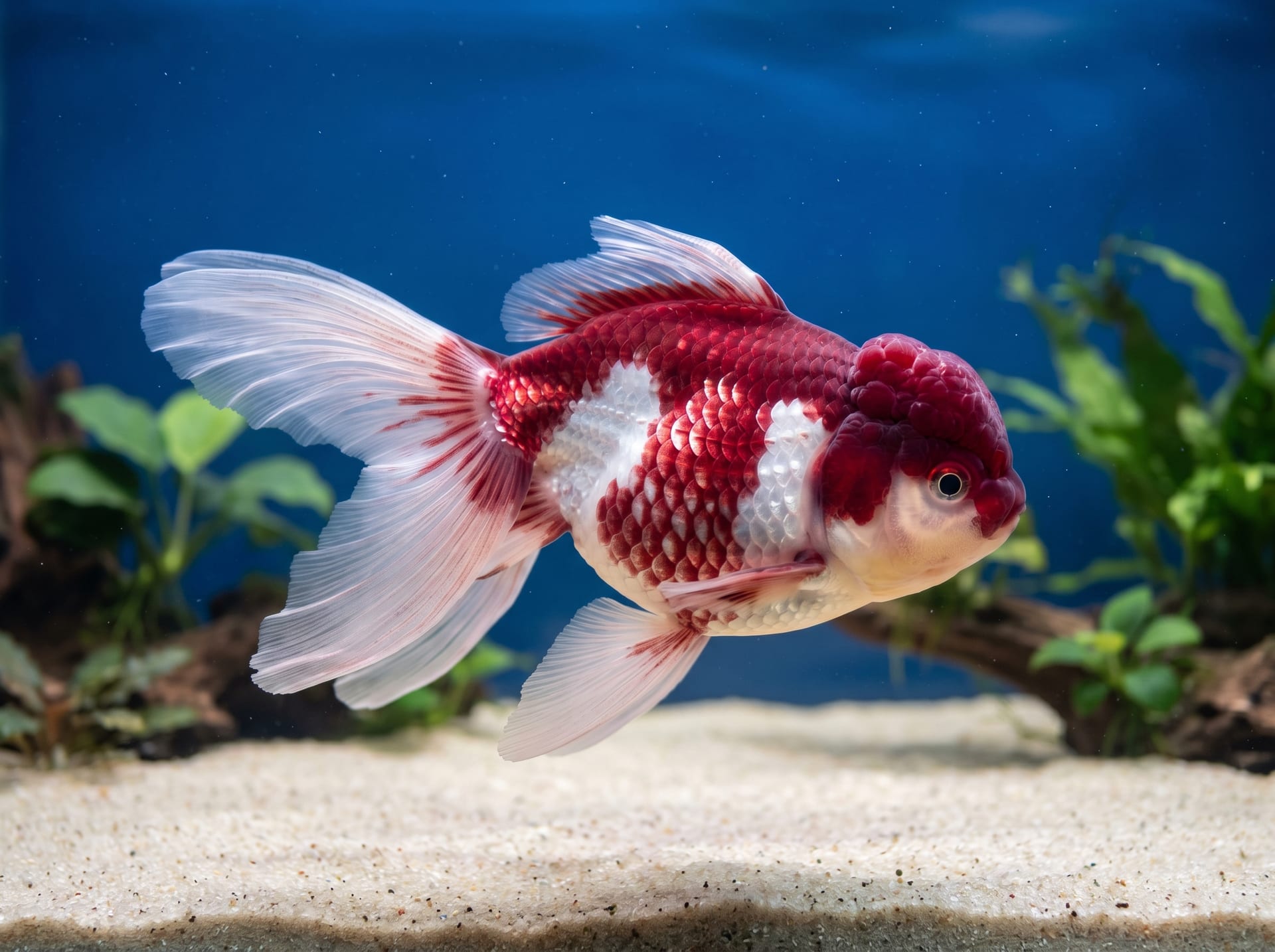
Goldfish are naturally omnivorous fish that eat a wide variety of foods including algae and aquatic plants. In particular, larger varieties like Oranda and Ryukin have vigorous appetites and may eat aquatic plants down to the roots. Wakin-type goldfish are active swimmers and often uproot aquatic plants. There are three basic strategies for dealing with this. First, select aquatic plants with hard leaves that are difficult to eat. Second, attach them (allow roots to take hold on stones or driftwood) so they cannot be uprooted. Third, manage the goldfish's feeding amount appropriately to reduce damage from algae eating due to hunger. Since it is difficult to prevent them from eating plants completely, the realistic approach is to "select species that are difficult to eat and minimize damage."
Durable Aquatic Plants Recommended for Goldfish Tanks
Anubias Nana is the top choice for aquatic plants best suited to goldfish tanks. It has thick, hard leaves that goldfish cannot easily eat even if they try to chew them. If attached to driftwood or stone, there is no risk of uprooting, and it grows slowly even in low light. Similarly, Microsorum (Java Fern) also has hard leaves and is well-suited to goldfish tanks. The distinctive leaf shape unique to ferns adds an accent to the layout. Willow Moss can be wrapped around driftwood and attached so it is less likely to be uprooted by goldfish, creating a natural atmosphere. However, since it grows quickly, regular trimming is necessary. Hornwort is a floating aquatic plant that, even if eaten somewhat by goldfish, grows so quickly it keeps up. It also has high water purification ability and is excellent as a balancer for goldfish tanks. Vallisneria has thin, relatively hard leaves and deep-rooted stems, making it difficult to uproot.
Aquatic Plants to Avoid
It's also important to know which aquatic plants are unsuitable for goldfish tanks. Cabomba is a goldfish favorite, and it can be reduced to just stems the day after adding it. Anacharid (Brazilian waterweed) is similarly easy to eat and consumed as a snack. These soft stem plants can be added if you're willing to accept them as snacks for goldfish, but they are not suitable for layout purposes. Foreground plants like Glossostigma and Dwarf Pearl Grass are uprooted by goldfish's habit of picking through the substrate. If you want to enjoy delicate aquatic plant layouts, it's wise to manage them in a separate tank from goldfish. Floating plants like Riccia and Water Lettuce also don't last long because goldfish often nibble and eat them from below.