Complete Guide to Outdoor Goldfish Keeping (Garden Ponds & Plastic Tubs) | From Environment Setup to Overwintering | ブリちょく
Goldfish| ✍️ BreederDirect Editorial
Complete Guide to Outdoor Goldfish Keeping (Garden Ponds & Plastic Tubs) | From Environment Setup to Overwintering
Complete guide to outdoor goldfish keeping in garden ponds and plastic tubs, covering site selection, container choice, filtration systems, predator protection, seasonal management, and overwintering methods.
Key Takeaways
Complete guide to outdoor goldfish keeping in garden ponds and plastic tubs, covering site selection, container choice, filtration systems, predator protection, seasonal management, and overwintering methods.
✍️
BreederDirect Editorial
The BreederDirect editorial team specializes in care information for animals, covering veterinary care and breeding to deliver beginner-friendly guides.
Find Goldfish on BreederDirect
Buy directly from verified breeders
Browse Related Listings
Find Goldfish listings related to this article on BreederDirect. Buy directly from verified breeders.
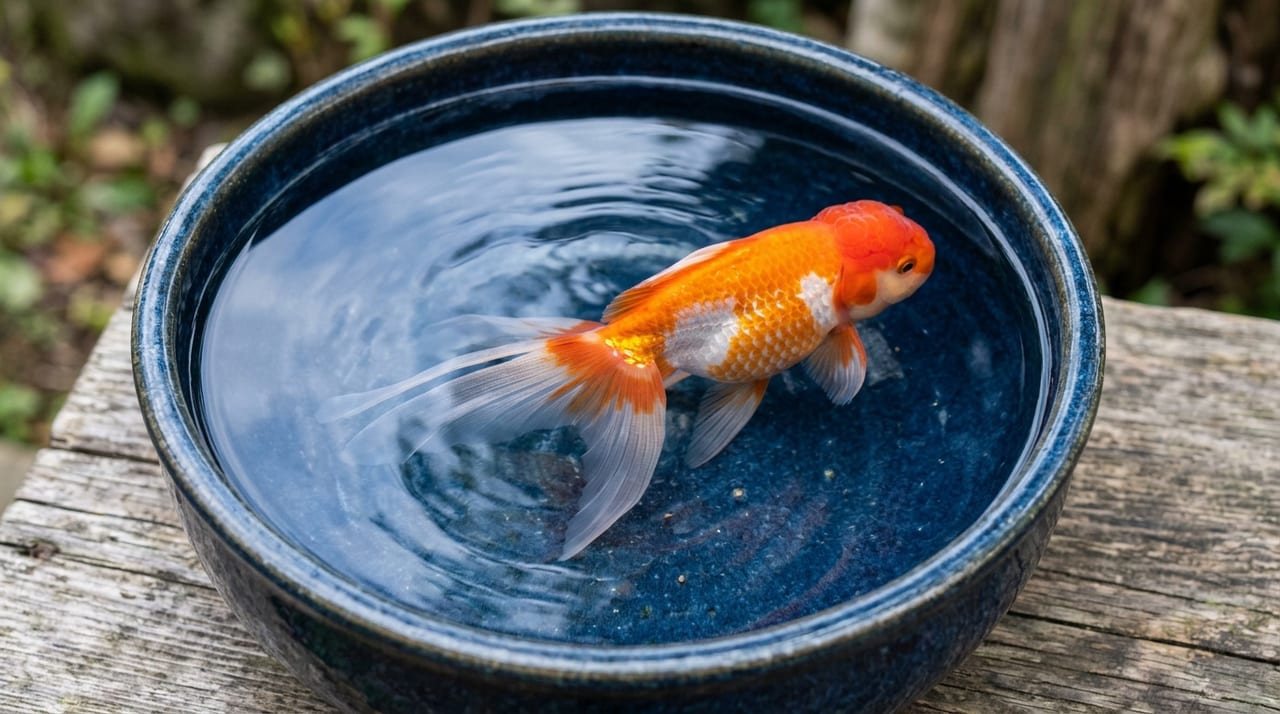
Outdoor goldfish keeping offers distinct advantages compared to indoor aquarium rearing. First, natural sunlight enhances the goldfish's coloration, making reds and whites particularly vibrant. Most goldfish displayed at competitive shows are kept outdoors. Additionally, the larger water volume stabilizes water quality, promoting beneficial bacterial colonization. Rainwater naturally replenishes the tank, reducing the need for frequent water changes compared to indoor setups.
However, drawbacks must also be understood. Weather dependency is significant—managing high summer temperatures and cold winters is essential. Protection against predators like cats, crows, and herons is necessary, as is preventing debris and fallen leaves from accumulating. Typhoons, heavy rain, mosquito breeding, and location selection all require consideration, balancing sunlight exposure, drainage, and winter wind effects.
Choosing a Container: Garden Pond vs. Plastic Tank
Outdoor keeping typically involves two options: garden ponds or plastic tubs. Garden ponds enable elaborate setups accommodating large koi and numerous goldfish, and enhance landscape aesthetics. However, construction costs are high, relocation is impractical, and maintenance requires specialized knowledge.
Plastic tubs offer low initial cost, easy setup, and portability. Standard sizes range from 80L to 400L, fitting easily in gardens or on balconies. Most are durable FRP or polyethylene. Beginners should start with plastic tubs. A 120L+ container can comfortably hold 3–5 goldfish of 5–10 cm. Black or dark green containers maximize color enhancement.
Site Selection and Environment Setup
Site selection critically determines outdoor keeping success. Ideal locations receive 3–5 hours of morning sunlight with afternoon shade. Avoid locations with all-day direct sun—summer temperatures become excessive. Complete shade also impairs color development.
Place containers on level, stable ground with easy drainage. Ideal drainage locations allow manual water changes or hose drainage. Good airflow controls temperature rise, but avoid locations with harsh winter winds. Ensure electrical access for air pumps and filters.
Decide whether to add substrate. Sand promotes bacterial colonization and looks natural but complicates cleaning. Typical substrates include akadama or coarse gravel at 3–5 cm depth. "Bare bottom" setups simplify cleaning but reduce bacterial colonization sites, requiring enhanced filtration and aeration.
Filtration and Aeration
Outdoor setups benefit from filtration and aeration, especially at high stocking densities or in small containers. Hang-on and sponge filters are convenient; larger tubs suit top or external filters. Select filters matching the water volume's filtration demands.
Aeration supplies oxygen and water circulation, especially critical during high summer temperatures and dense stocking. Air pumps and air stones prevent oxygen depletion. Solar-powered aerators offer convenient operation where electrical access is limited.
Winter typically sees filtration paused or reduced, as goldfish activity and feeding decline. However, aeration prevents surface freezing in regions with below-zero temperatures, warranting continued operation.
Predator Control and Leaf Debris Management
Predators are the primary outdoor concern. Cats, crows, herons, and raccoons target goldfish. Protective bird netting and fine-mesh screening prevent access. Alternatively, crossing fishing line in a grid pattern provides less obtrusive coverage.
Deep water (40+ cm) deters cats and crows. Floating vegetation like water sprite provides refuge and obstructs predator sightlines. Excessive vegetation causes insufficient light and oxygen depletion, requiring periodic thinning.
Fallen leaves threaten water quality. Protective netting helps, though regular removal is necessary. Areas with abundant deciduous trees require frequent cleaning.
Seasonal Management
Spring (March–May): Goldfish emerge from dormancy. Begin feeding small amounts when water temperatures exceed 10°C, gradually increasing. Monitor closely for signs of illness during temperature fluctuations. Restart filtration systems if paused in winter.
Summer (June–August): Temperature control is paramount. Above 30°C, stress, oxygen depletion, and disease risk increase. Provide shade with netting or shade cloth, increase water volume, enhance aeration. Monitor water level due to evaporation and top off regularly. Goldfish eat actively but risk digestive issues in high heat—avoid overfeeding.
Autumn (September–November): Goldfish display peak coloration. As temperatures drop, appetite intensifies. Feed quality food generously to build reserves for winter. Color-enhancing pellets are recommended. Leaf debris accumulation requires frequent removal.
Winter (December–February): Goldfish enter dormancy below 5°C, remaining stationary. Withhold feeding and observe passively. In freezing regions, prevent complete surface freeze through aeration or insulation with foam. Total freezing isn't fatal if water-column oxygen is available.
Winter Survival and Considerations
Winter represents outdoor keeping's greatest challenge. While Japanese goldfish generally survive winters outdoors, key points apply: feed adequately in autumn to build reserves. Weak or diseased individuals struggle through winter—treat and condition them beforehand.
Maintain 40+ cm depth preventing substrate freezing. Small tubs benefit from foam or insulation sheeting on sides. Complete surface freezing blocks gas exchange, risking oxygen depletion—maintain aeration or keep breathing holes open.
Winter water changes are unnecessary, but spring warming permits partial changes removing accumulated waste. Avoid rapid temperature swings; acclimate new water outdoors for hours before adding.
Extremely cold regions (below -10°C minimum) may require overwintering indoors or makeshift greenhouses.
Troubleshooting
Green water (algal bloom) results from plant plankton overgrowth. While nutritious and color-enhancing, it's optionally controlled via reduced sunlight, increased water changes, or UV filtration.
White turbidity indicates bacterial overgrowth or overfeeding. Reduce feeding, perform water changes, and inspect filters.
Brown turbidity stems from substrate or decaying plants. Clean and remove debris.
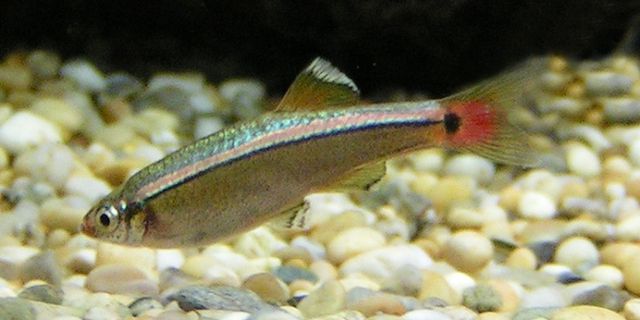
Mosquito breeding is suppressed by stocking small fish like medaka or Hyphessobrycon—they consume larvae efficiently, better than goldfish alone.
Surface gasping signals oxygen depletion. Enhance aeration, perform water changes, and reduce stocking density. Night and early morning are high-risk periods.
Proper outdoor management creates excellent goldfish environments. Sun-colored, thriving goldfish offer aesthetic rewards unattainable indoors. This guide supports your transition to outdoor goldfish keeping.