Goldfish Buying Guide | How to Spot Quality Fish and Choose a Breeder
Checklist for purchasing goldfish. Learn how to evaluate body shape, fins, and coloration, identify signs of disease, understand breed-specific prices, and select trustworthy breeders.
Key Takeaways
Checklist for purchasing goldfish. Learn how to evaluate body shape, fins, and coloration, identify signs of disease, understand breed-specific prices, and select trustworthy breeders.
Related Species
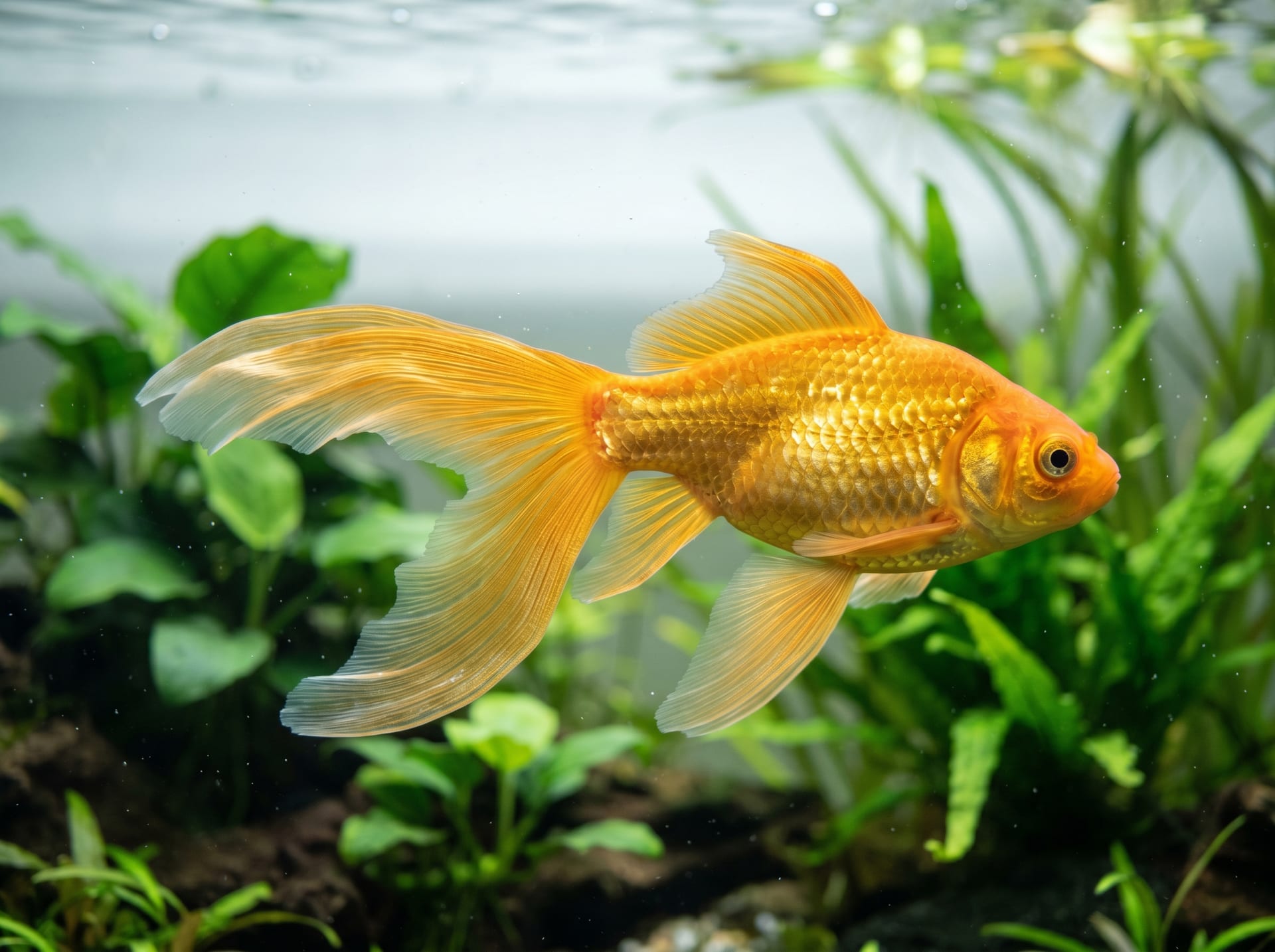
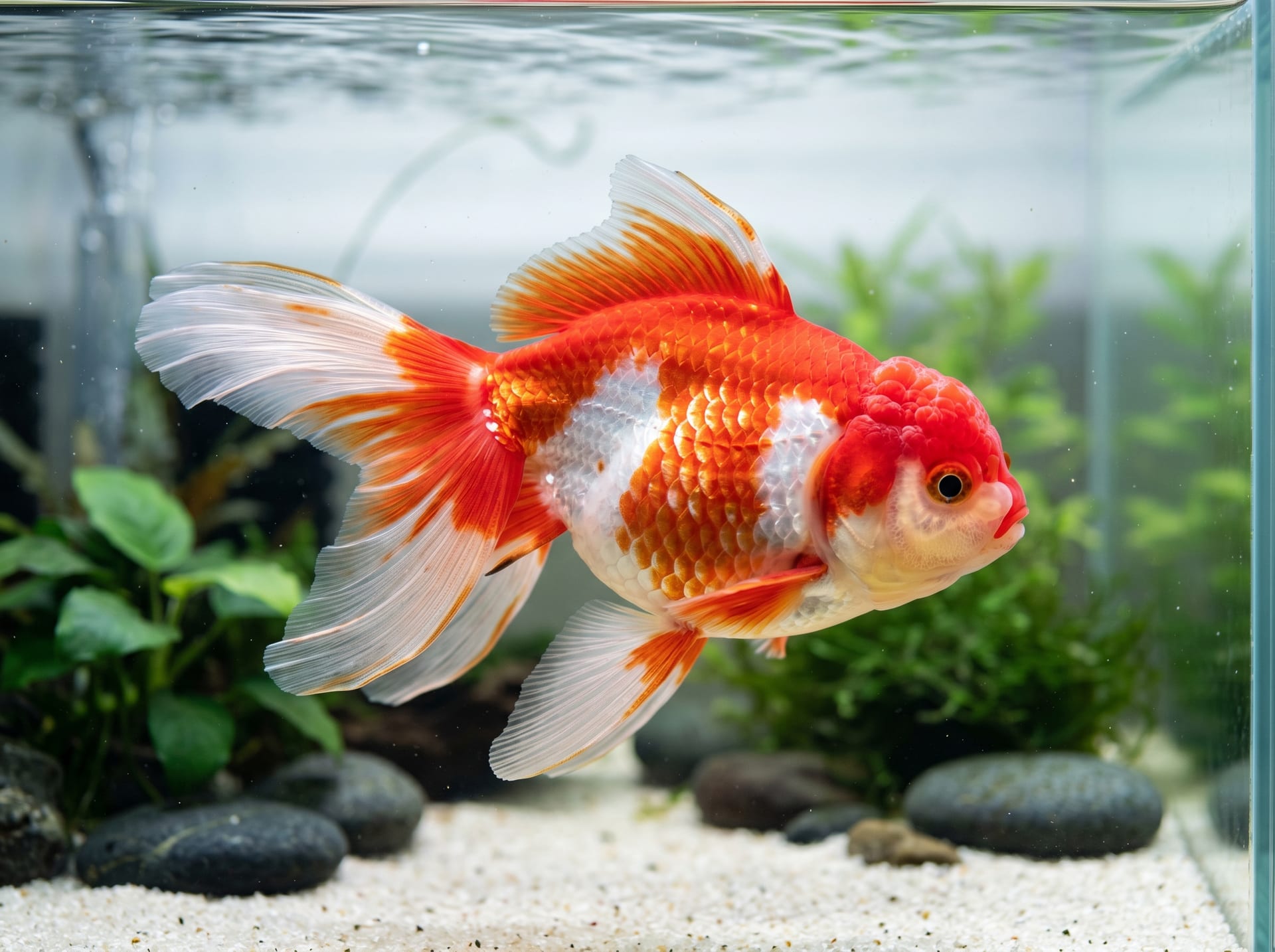
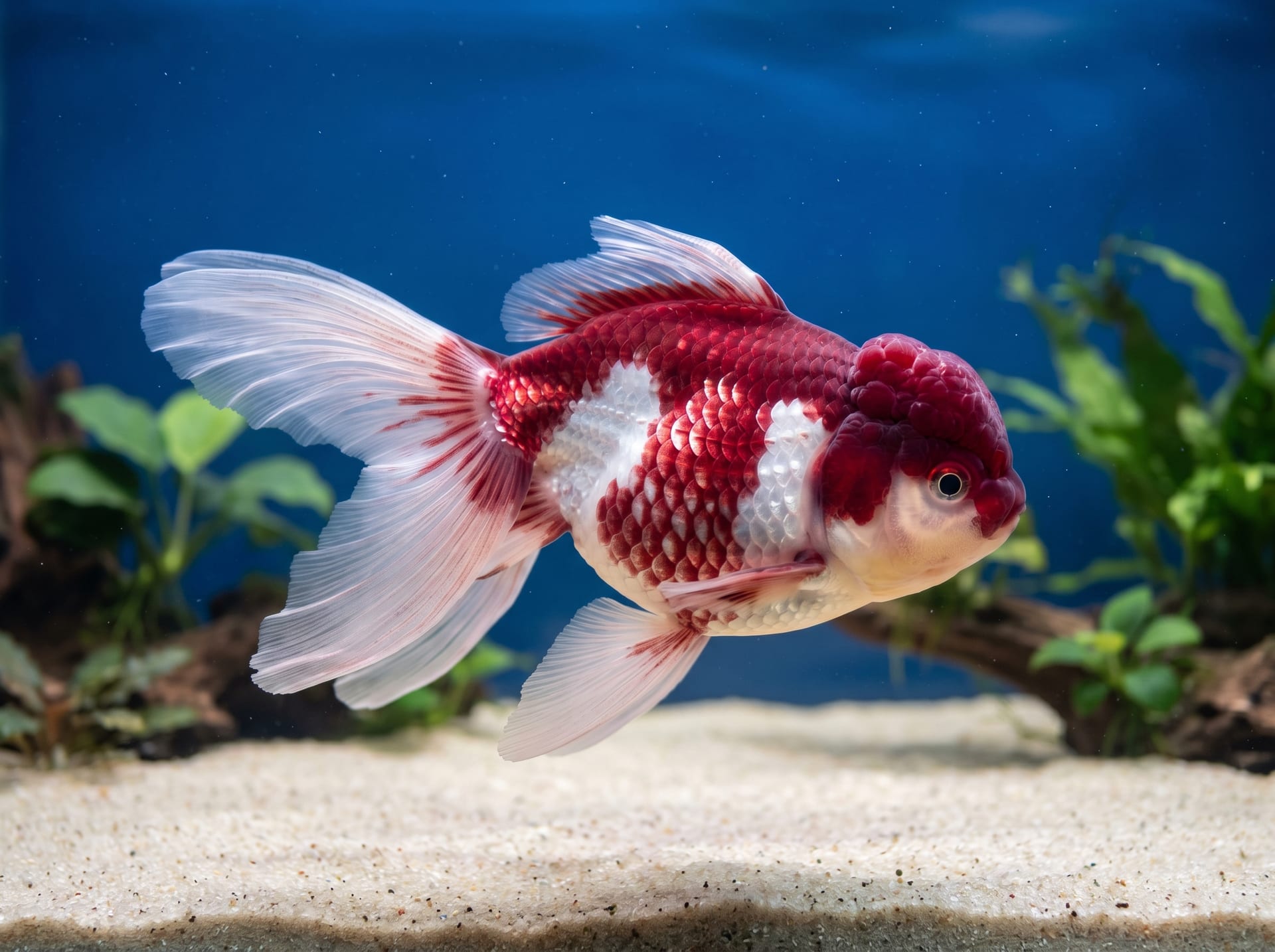
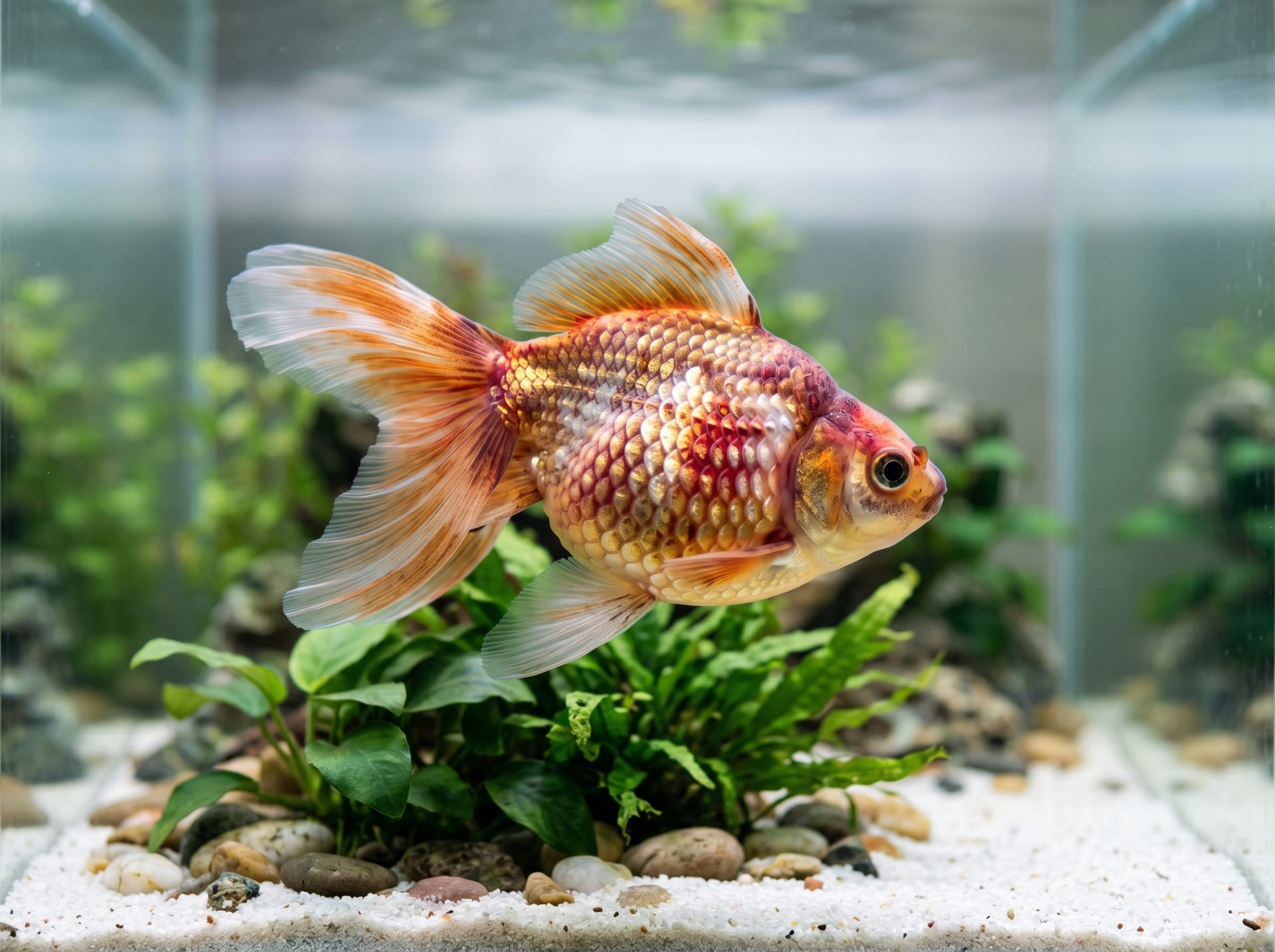
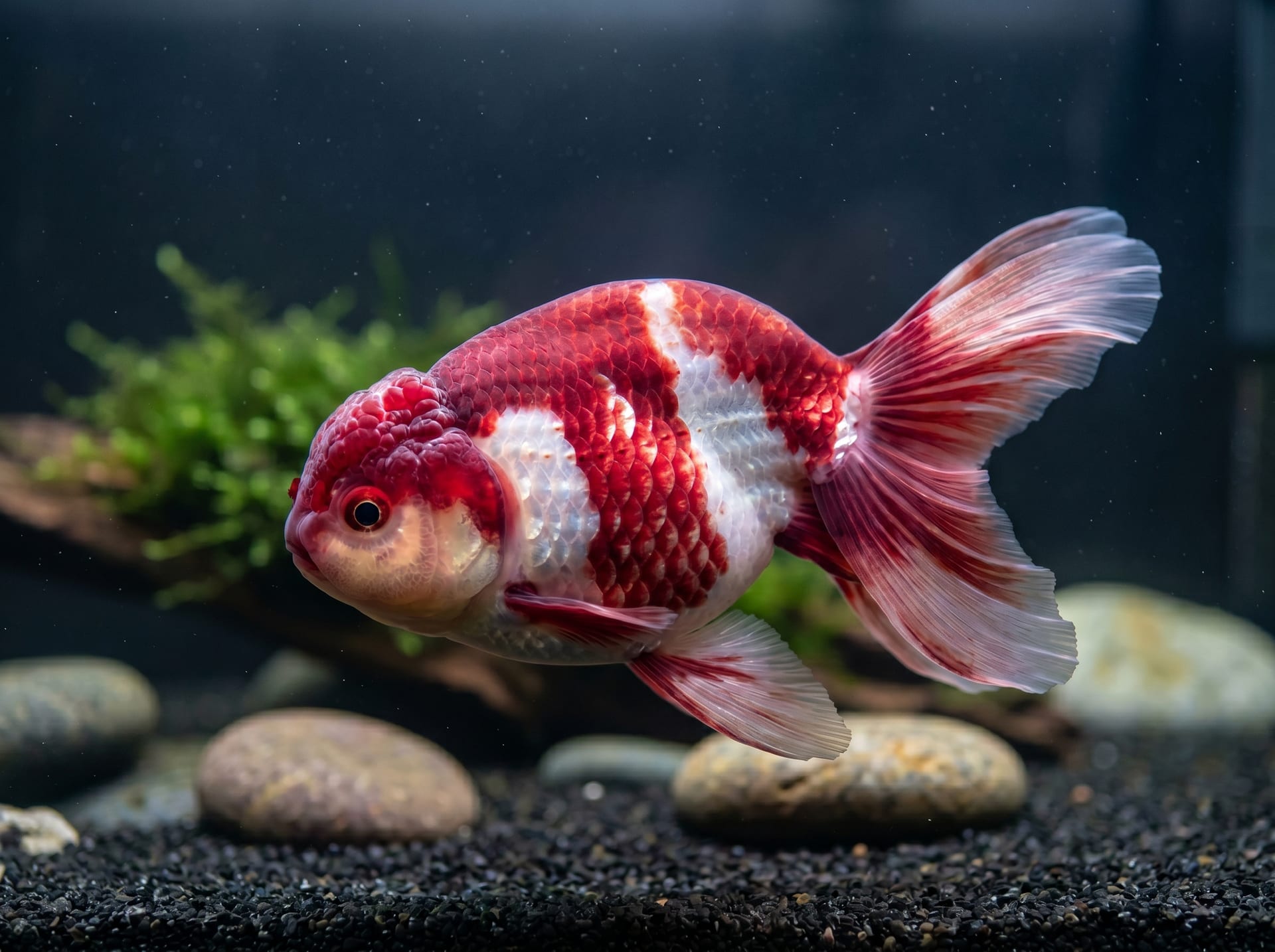
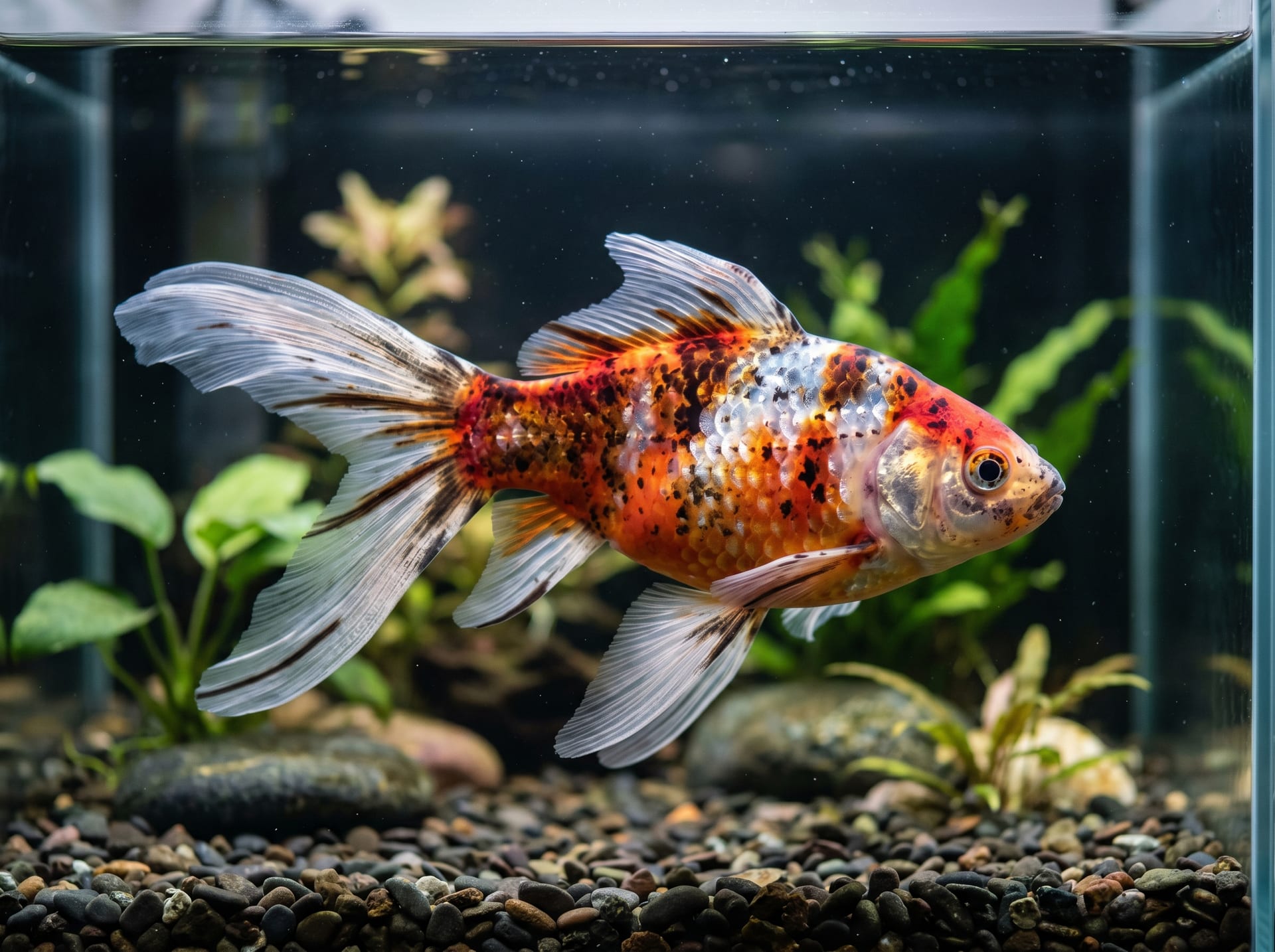

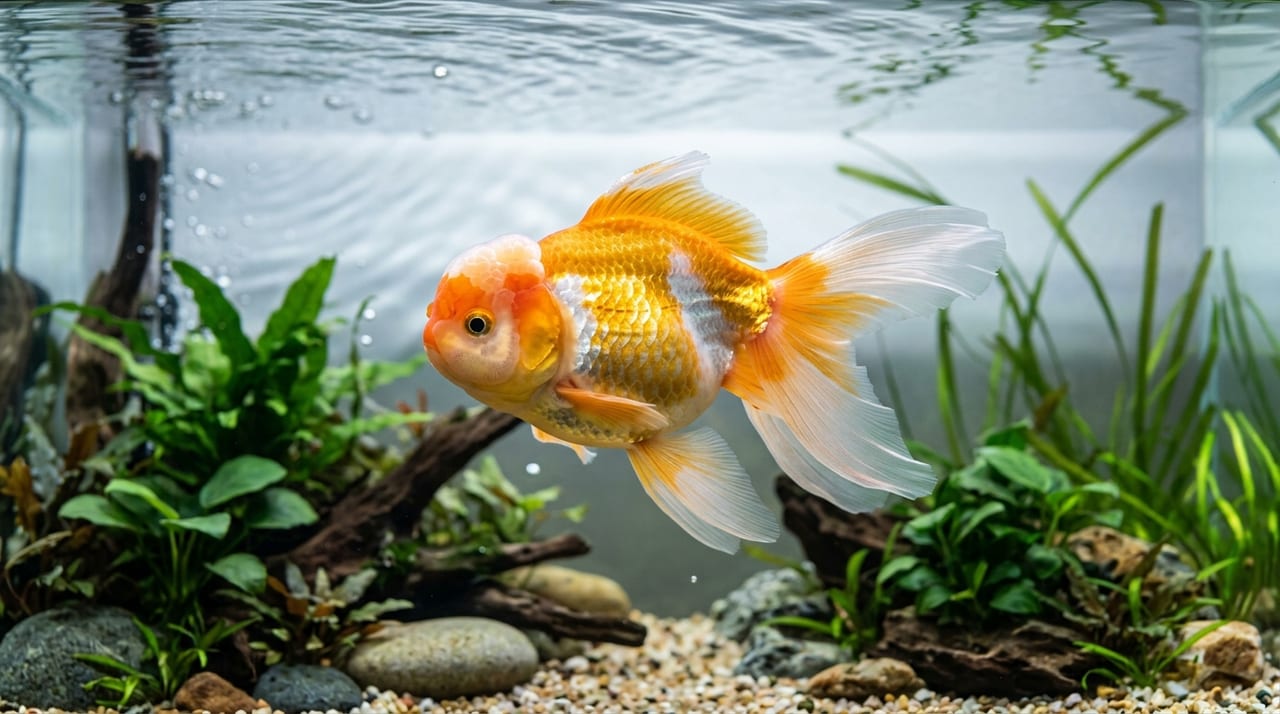
Goldfish are ornamental fish deeply rooted in Japanese culture, with a long history of selective breeding, and their quality varies significantly from individual to individual. Developing an eye for selecting quality fish and purchasing from trustworthy breeders is the first step toward a long and beautiful life with goldfish. As of 2026, direct online purchases from breeders have become commonplace, and your options have expanded even further.
Body Shape, Fins, and Coloration: What to Look For
Even if you're not competing in shows, knowing the basics will help you select quality fish.
Body Shape Checklist
- The dorsal line should be straight (for breeds without dorsal fins like ranchus, the back curve should be smooth)
- The body should be symmetrical. Viewed from above, it should show no curvature
- Breed characteristics should be well-developed (e.g., ryukin should have a rounded body shape, telescope goldfish should have evenly protruding eyes)
Fin Checklist
- The tail fin should be evenly spread on both sides
- Fins should be free of tears or blood congestion
- The tail fin shape should match breed standards (such as three-lobed, four-lobed, or cherry-blossom tails)
Coloration Checklist
- Color boundaries should be sharp (for sarasa patterns, red and white contrast should be distinct)
- For solid colors, coloration should be even with minimal variation
- Scales should have a healthy shine
For more detailed information on identifying breeds, see Goldfish Breed Encyclopedia.
Identifying Signs of Disease
Before purchasing, be sure to check for the following signs of illness:
- White spots: May indicate ich (white spot disease). It's important to catch it before it spreads
- White coating on the body: Signs of cotton mouth disease or costia
- Fins are torn or deteriorating: Possible fin rot
- Scales are standing up: Dropsy (pine cone disease), often caused by internal organ issues
- Resting at the bottom: A general sign of illness
- Gasping at the surface: May indicate gill disease or ammonia poisoning
If there are symptomatic fish in the same tank, even fish showing no symptoms may be infected, so it's safer to avoid purchasing. To prevent post-purchase problems, also review Goldfish Quarantine and Isolation Methods beforehand.
Price Ranges by Breed
Goldfish prices vary significantly by breed and quality. Here's a general price guide:
- Wakin and Comet: ¥300–¥1,000. Hardy and beginner-friendly
- Ryukin: ¥500–¥3,000. Price varies based on body shape and tail beauty
- Oranda: ¥1,000–¥5,000. Value depends on the development of the wen (head growth)
- Ranchu: ¥2,000–tens of thousands. Show-quality specimens can exceed ¥100,000
- Kohaku and Edo-nishiki: ¥1,500–¥8,000. Price varies significantly based on pattern development
- Ping-pong Pearl: ¥500–¥2,000. Popular for their round shape but delicate
When purchasing directly from breeders, you often get higher-quality fish at lower prices than retail shops. Refer to Annual Goldfish Care Costs to understand long-term care expenses.
Best Seasons for Purchasing
There are ideal times to purchase goldfish.
- Spring (March–May): When young-of-year fish (born that year) become available. Recommended if you want to enjoy watching them grow
- Summer (June–August): Although goldfish are popular during festival season, high water temperatures increase shipping risk. Online purchases require caution
- Fall (September–November): The best time to buy. Young-of-year fish have grown enough to assess quality, and temperatures are stable
- Winter (December–February): When goldfish activity slows. Avoid purchasing before dormancy; it's safer to wait until spring
Premium breeds like ranchu tend to have higher availability during fall show season.
Key Points for Choosing a Breeder
Here are key considerations when selecting a goldfish breeder:
- Clear specialization: Breeders who specialize in specific breeds often have better quality control
- Breeding experience: Check their years of experience and show participation history
- Careful shipping: Do they use specialized goldfish packaging (oxygen-filled, insulated)?
- Live arrival guarantee: Will they provide support for delivery issues?
- Good communication: Do they answer questions thoroughly and provide care advice?
Avoiding Mistakes in Breed Selection
When choosing a goldfish breed, consider compatibility with your setup, not just appearance. Beginners should start with hardy, easy-to-care-for wakin-types (wakin, comet, and red-and-white varieties) to naturally learn the basics. Once you gain experience, you can upgrade to more delicate breeds like ryukin or ranchu types.
When mixing breeds with different body shapes (such as wakin and ryukin types) in the same tank, faster swimmers will monopolize the food, so it's best to keep similar body-type breeds together. A tank size of 60 cm or larger is recommended, providing 10–20 liters of water per fish. See Goldfish Cohabitation Guide for more information.
Pre-Purchase Checklist Summary
When purchasing goldfish, check the following points:
| Checklist Item | Good Condition | Avoid |
|---|---|---|
| Swimming | Active and stable | Floating, sinking, or tilted |
| Body | Shiny and clean | White spots, blood congestion, cotton-like growth |
| Fins | Firm and erect | Tears, deterioration, or blood congestion |
| Gills | Moving evenly on both sides | Only one side moving, rapid breathing |
| Appetite | Responds to food | Disinterested, not eating |
Also check the overall condition of the seller's tank. Fish from tanks with cloudy water or dead fish may already be infected. Purchasing from trustworthy breeders or specialty shops significantly increases the chance of getting healthy fish.
With BreederDirect, you can purchase directly from goldfish breeders across Japan. You can search for breeders by breed and verify their reliability through transaction history and reviews before contacting them with confidence. You can consult with breeders via messaging about care, and you can arrange payment methods and timing in advance, helping prevent financial issues. Find your perfect goldfish on BreederDirect.