Goldfish Cohabitation Guide | Compatibility by Variety and Safe Combinations
Explains compatibility of goldfish cohabitation by variety. Introduces the dangers of mixing Wakin-type and round-type goldfish, safe combinations, managing size differences, and cohabitation rules.
Key Takeaways
Explains compatibility of goldfish cohabitation by variety. Introduces the dangers of mixing Wakin-type and round-type goldfish, safe combinations, managing size differences, and cohabitation rules.
Goldfish come in many varieties, and many people want to enjoy different breeds in a single tank. However, if you get the combination of goldfish varieties wrong in a mixed-species aquarium, problems occur such as bullying, food monopolization, and injury. This article explains variety compatibility and the rules for safe cohabitation.
✍️
BreederDirect Editorial
The BreederDirect editorial team specializes in care information for animals, covering veterinary care and breeding to deliver beginner-friendly guides.
Find Goldfish on BreederDirect
Buy directly from verified breeders
Browse Related Listings
Find Goldfish listings related to this article on BreederDirect. Buy directly from verified breeders.
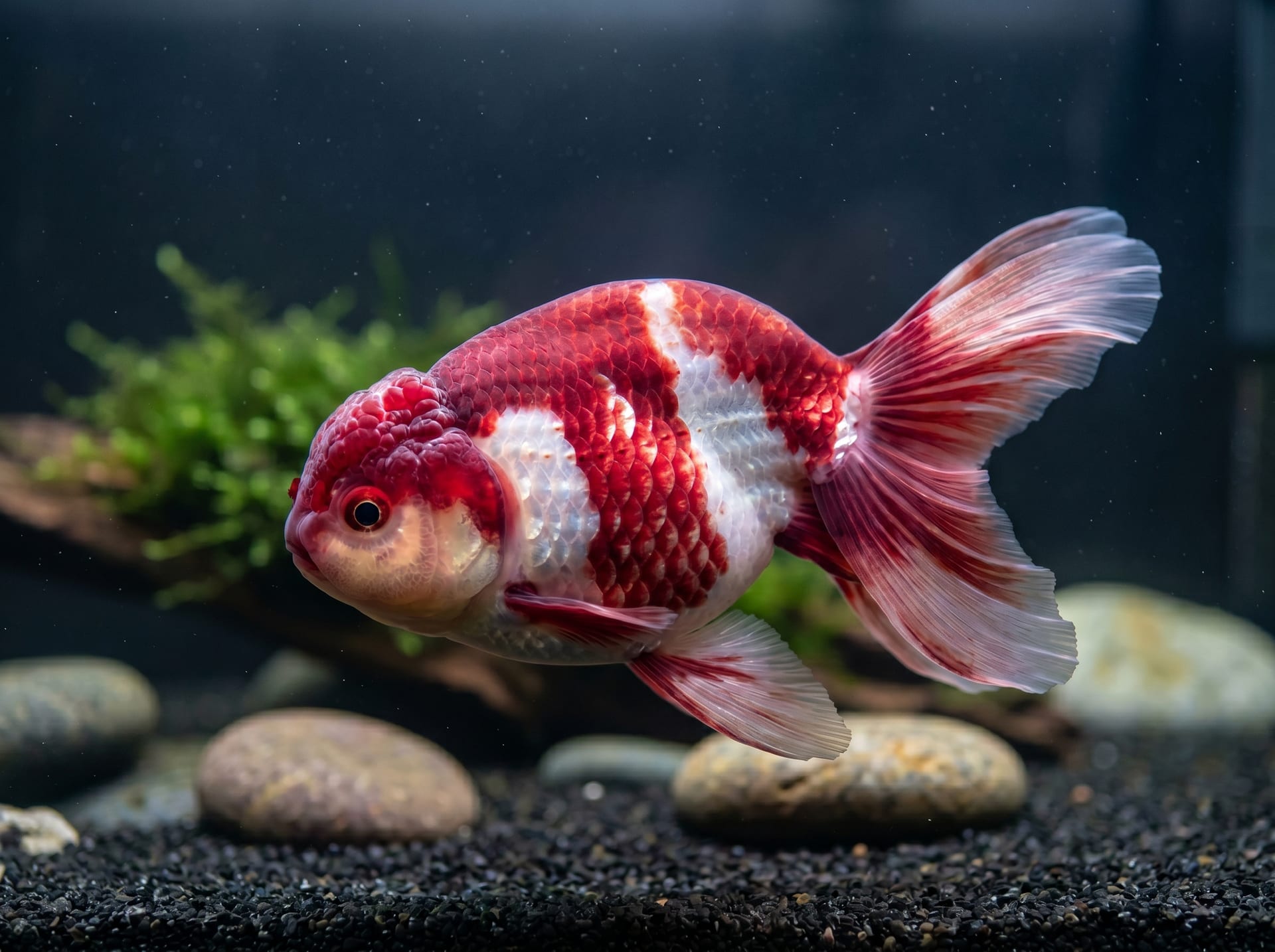
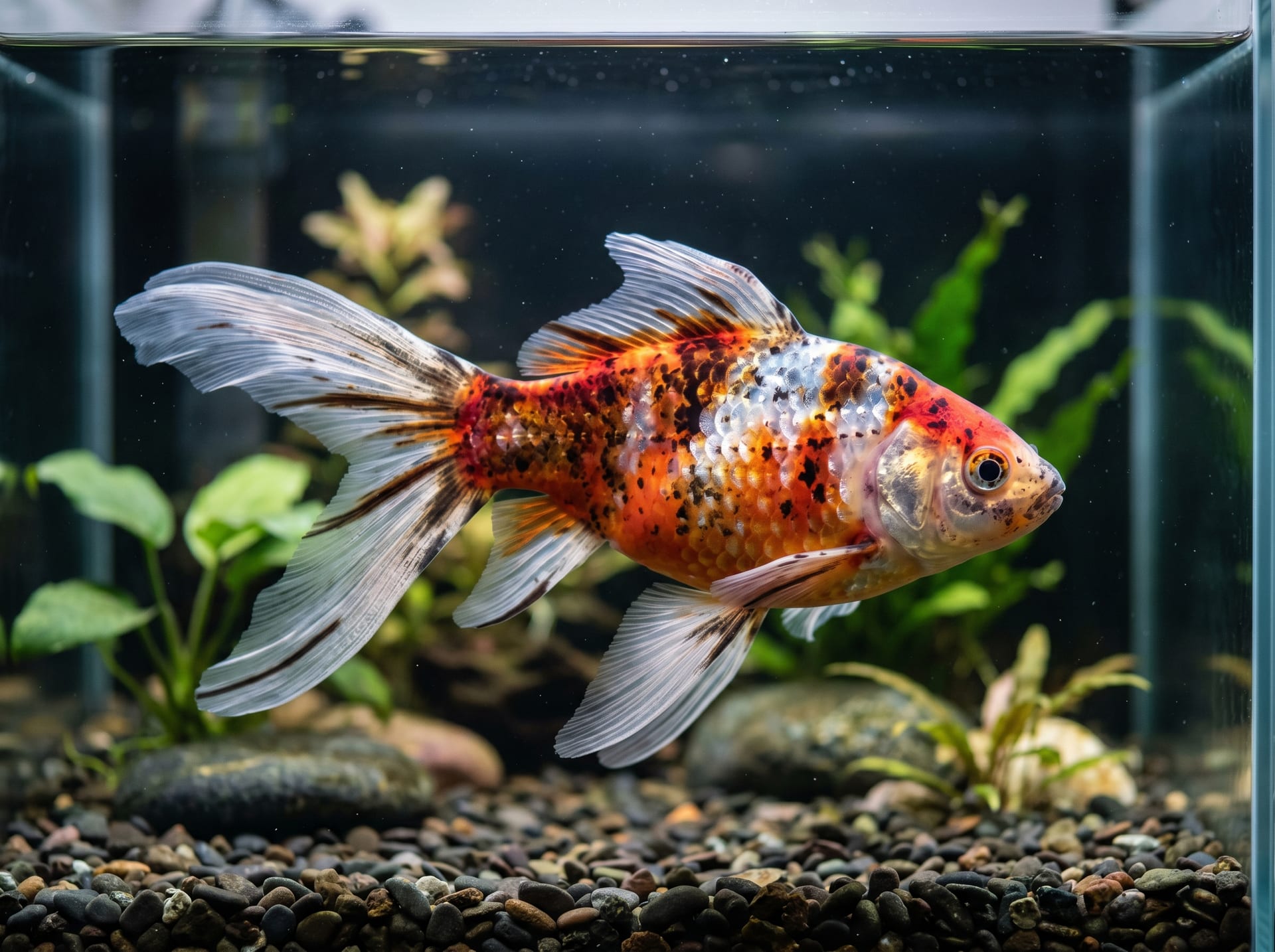
The most important consideration when planning a mixed-species goldfish aquarium is body type classification. Goldfish are broadly divided into two groups: "Wakin-type (long-bodied)" and "Round-type (Ryukin-type)".
Body Type Group
Swimming
Representative Varieties
Wakin-type (long-bodied)
Fast
Wakin, Comet, Kohaku, Bristol Kohaku
Round-type (Ryukin-type)
Slow
Ryukin, Oranda, Ranchu, Demekin, Toukinkn
Mixing these two groups is the combination most important to avoid. The slow-swimming round-type goldfish cannot keep up with the fast-swimming Wakin-type, resulting in missed meals causing malnutrition, and becoming stressed and weakened from being chased by the Wakin-type.
Specific Examples of Safe Combinations
Mixing Wakin-type goldfish with each other is relatively safe. Mixing round-type goldfish with each other is generally safe, but pay attention to differences in swimming ability. Specific points to note for each combination are as follows:
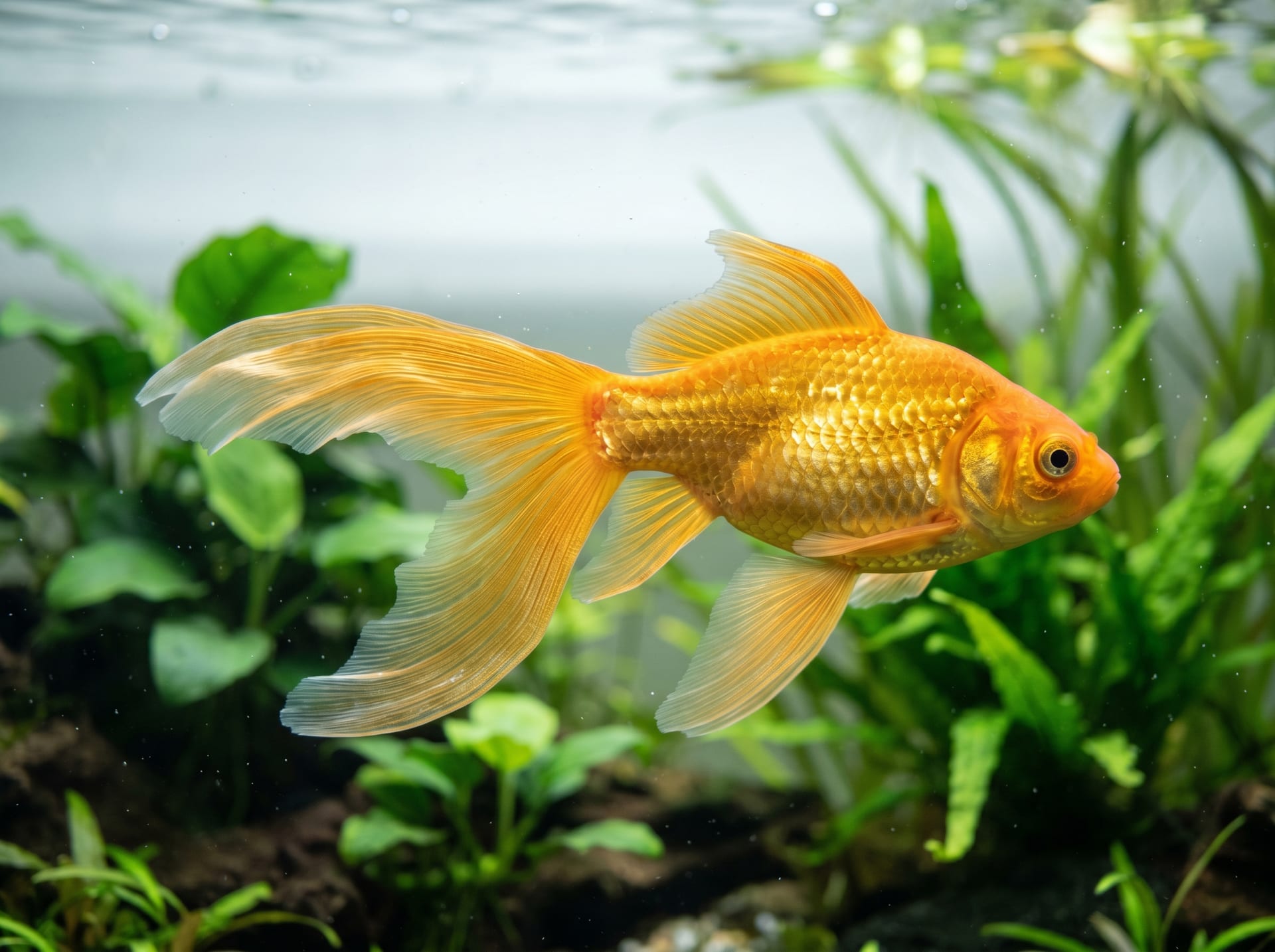
Wakin, Comet, Kohaku: Their swimming speeds are similar, and they can enjoy mixing actively. However, since Wakin sometimes nips the long fins of Comets, observation is necessary
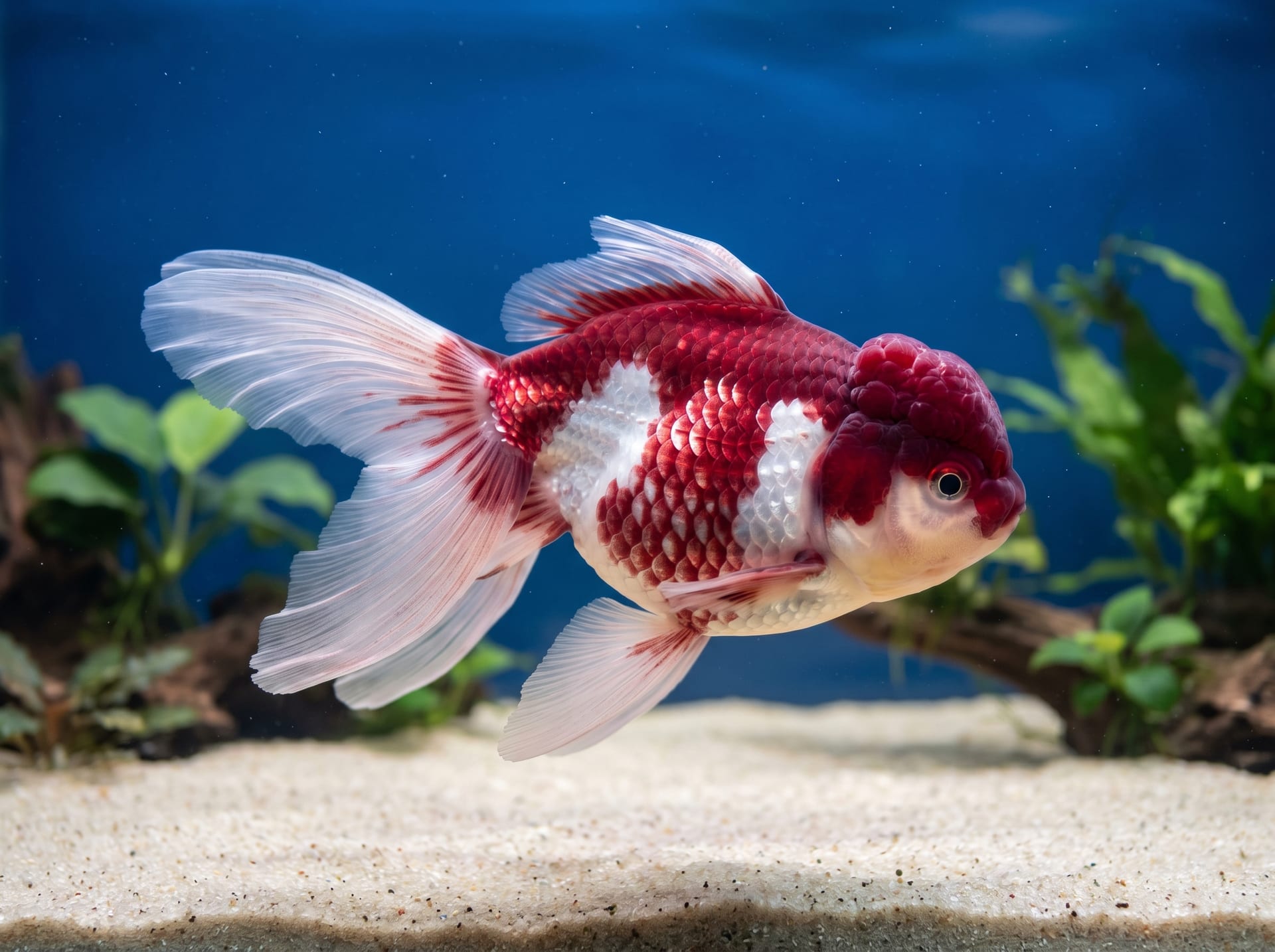
Ryukin and Oranda: Cohabitation is OK
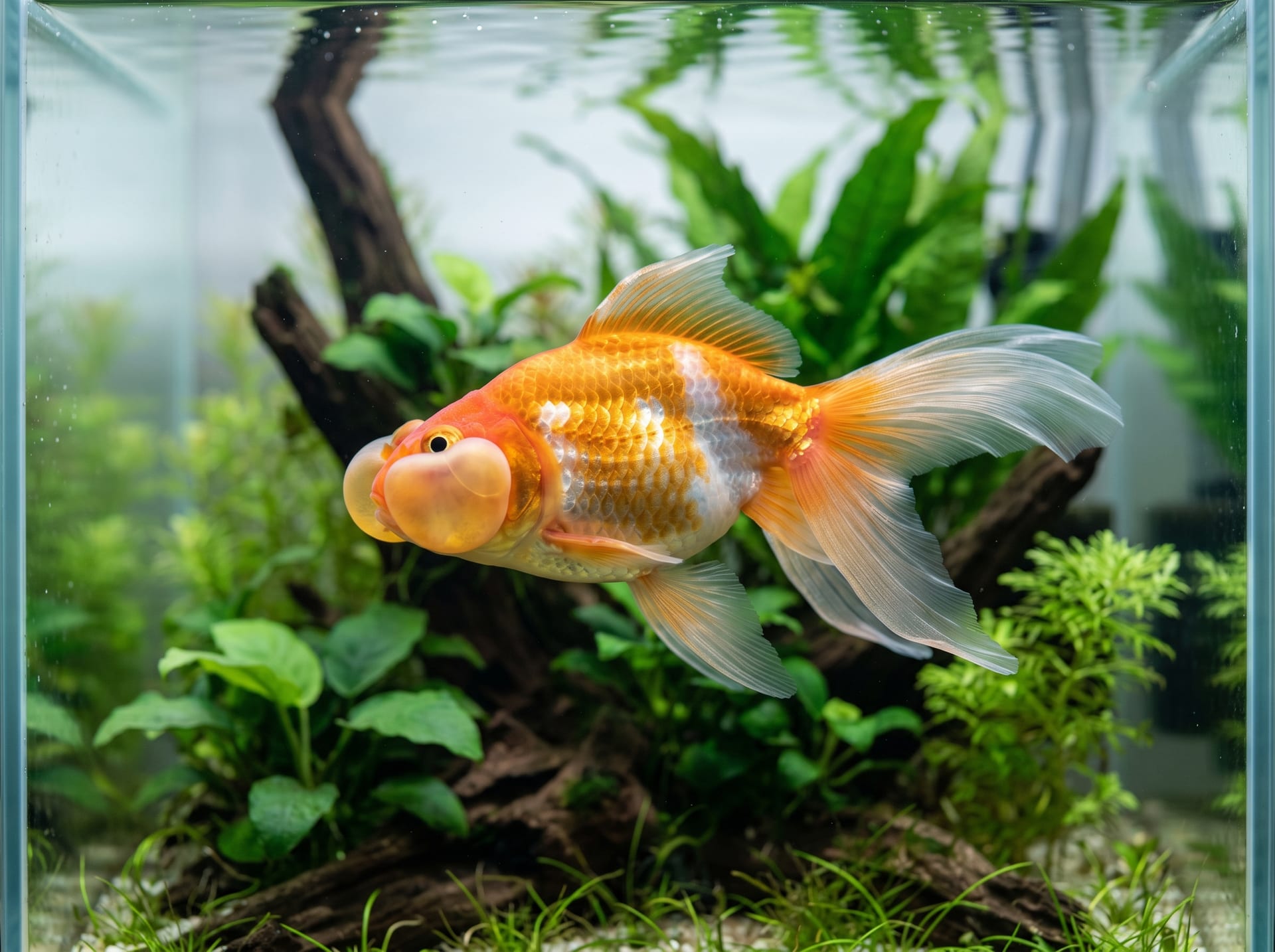
Ranchu or Bubble Eye with Ryukin: Mixing extremely slow-swimming Ranchu or Bubble Eye with the relatively faster-swimming Ryukin tends to result in food monopolization
Demekin: Because the eyes protrude, there is a risk of injury from bumping into or being pecked by other goldfish. It is safest to keep them with only the same variety or with very docile varieties
Even within the same variety, large size differences can cause problems. Larger individuals may chase smaller ones, or even eat individuals small enough to fit in their mouths. Aim to keep the size difference between cohabiting individuals to within 2 times. When adding new goldfish, select individuals of the same size as existing ones. Stocking density also affects the success of cohabitation. Overstocking not only worsens water quality but also increases aggressive behavior due to stress. The target number of individuals that can live comfortably in a 60cm tank is as follows:
Round-type: 3-4 fish
Wakin-type: 2-3 fish
Even if your filter has extra capacity, avoid greatly exceeding this number. Arranging aquatic plants or driftwood as hiding places allows chased individuals to escape, which can reduce cohabitation stress. If you want to reconsider the tank setup itself, refer to the Goldfish Tank Setup Guide.
Breeding Season Cohabitation Problems
During spring breeding season (water temperature 18-22°C), males can be seen vigorously chasing females in behavior called "star-chasing". This chasing behavior occurs regardless of variety, and females may become exhausted and stressed or develop wounds on their bodies. When males and females of different varieties cohabit, interspecific hybridization can occur. If you want to maintain breed purity, you need to separate males and females during the breeding season. Spawning stars appear as white nodule-like protrusions on the male's pectoral fins or gill covers; when you see these, it's a sign breeding season has begun. If the chasing becomes vigorous, divide the tank with a separator (divider plate) or move the chasing male to a separate tank.
Cohabitation with Other Fish Species
Cohabitation of goldfish with other fish species is generally not recommended, but is conditionally possible with some species. Compatibility with each species is as follows:
Fish Species
Possible to Cohabitate
Reason
Loaches (Oriental Weatherloach, Striped Loach)
Yes
Close water temperature range to goldfish, bottom-dwelling, so different living areas allow relatively safe cohabitation
Snails (Apple Snail, Small Apple Snail)
Yes
Useful as tank mates as they eat algae
Tropical Fish
No
Goldfish prefer 15-28°C, tropical fish prefer 24-28°C, so water temperature ranges differ; goldfish are kept without heaters in winter, so tropical fish cannot survive
Medaka (Japanese Rice Fish)
No
High risk of goldfish eating medaka as they grow
Shrimp
No
Shrimp are ideal food for goldfish, making cohabitation unsuitable
Tips for Managing a Mixed-Species Tank
When cohabiting multiple varieties of goldfish, keep the following management points in mind.
Feeding Tips
When fast-swimming and slow-swimming varieties are together (if cohabitation is unavoidable), scattering food at multiple locations in the tank simultaneously makes it easier for slow-swimming varieties to get food. Additionally, using both sinking and floating food is also effective.
Importance of Observation
After starting cohabitation, observe carefully for several days. Check for bullying, fin-nipping, food monopolization, and other problems. During breeding season (spring), you may see males vigorously chasing females in "chasing" behavior; if the female appears exhausted, consider dividing the tank with a separator or moving her to another container. If you notice abnormalities such as wounds or white spots on the body surface, refer to the Complete Goldfish Disease Prevention Guide and take action early.
Tank Environment
Installing decorations that serve as hiding places allows weaker individuals to avoid stress. However, be careful not to create narrow gaps where goldfish could get stuck.
To enjoy cohabitation, the secret to success is to choose individuals acquired at the same time that are the same size. With BreederDirect, you can consult with goldfish breeders about cohabitation, purchase combinations of compatible varieties, and acquire individuals of the same size in bulk. Based on breeders' experienced advice on compatible combinations, create your beautiful mixed-species goldfish tank.