Annual Goldfish Care Cost Guide | Cost Comparison by Tank Size
Explains annual costs for goldfish keeping by tank size. Introduces costs for filters, air pumps, food, and water quality management products, as well as money-saving tips for long-term care.
Key Takeaways
Explains annual costs for goldfish keeping by tank size. Introduces costs for filters, air pumps, food, and water quality management products, as well as money-saving tips for long-term care.
Related Species
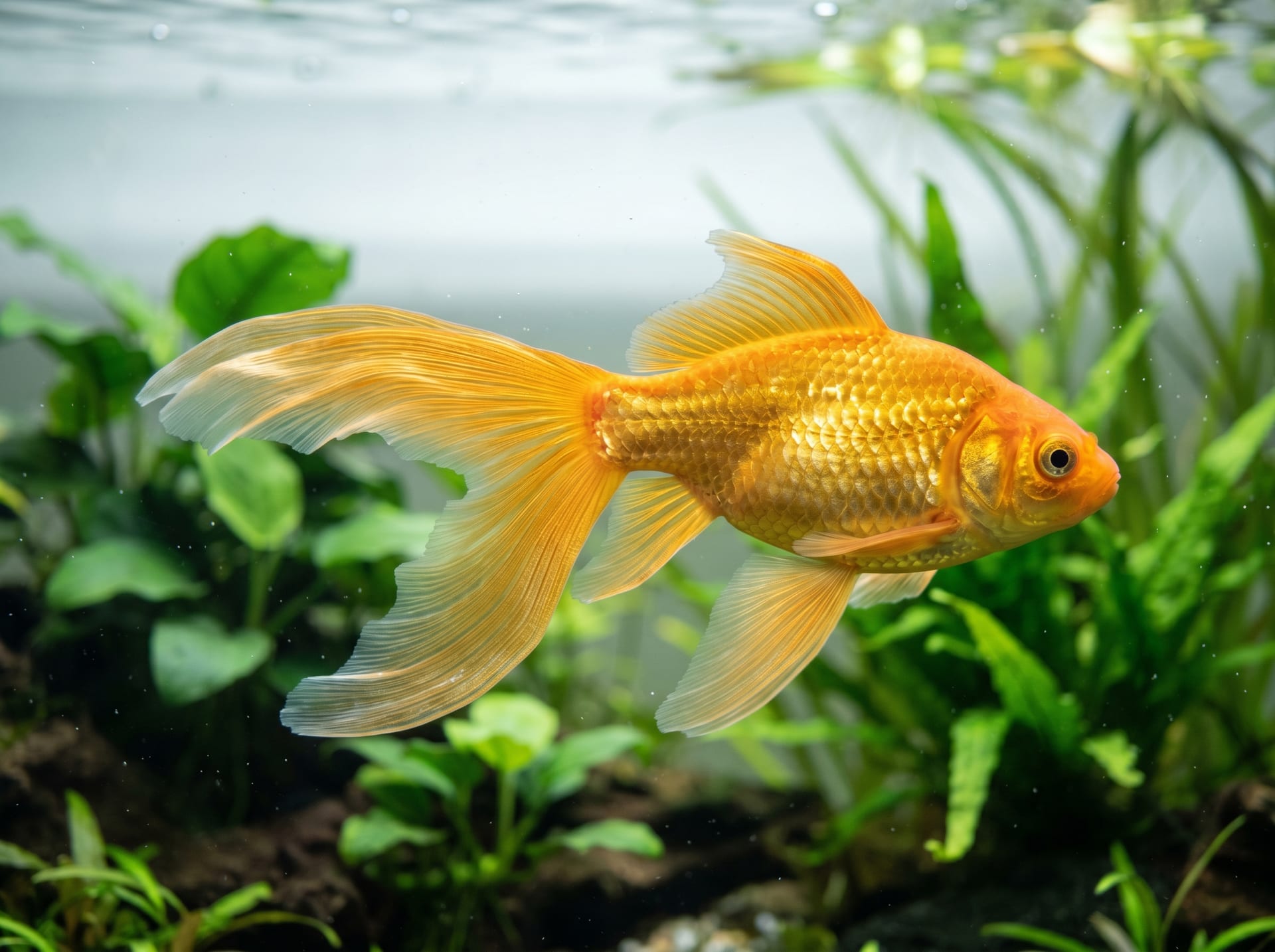
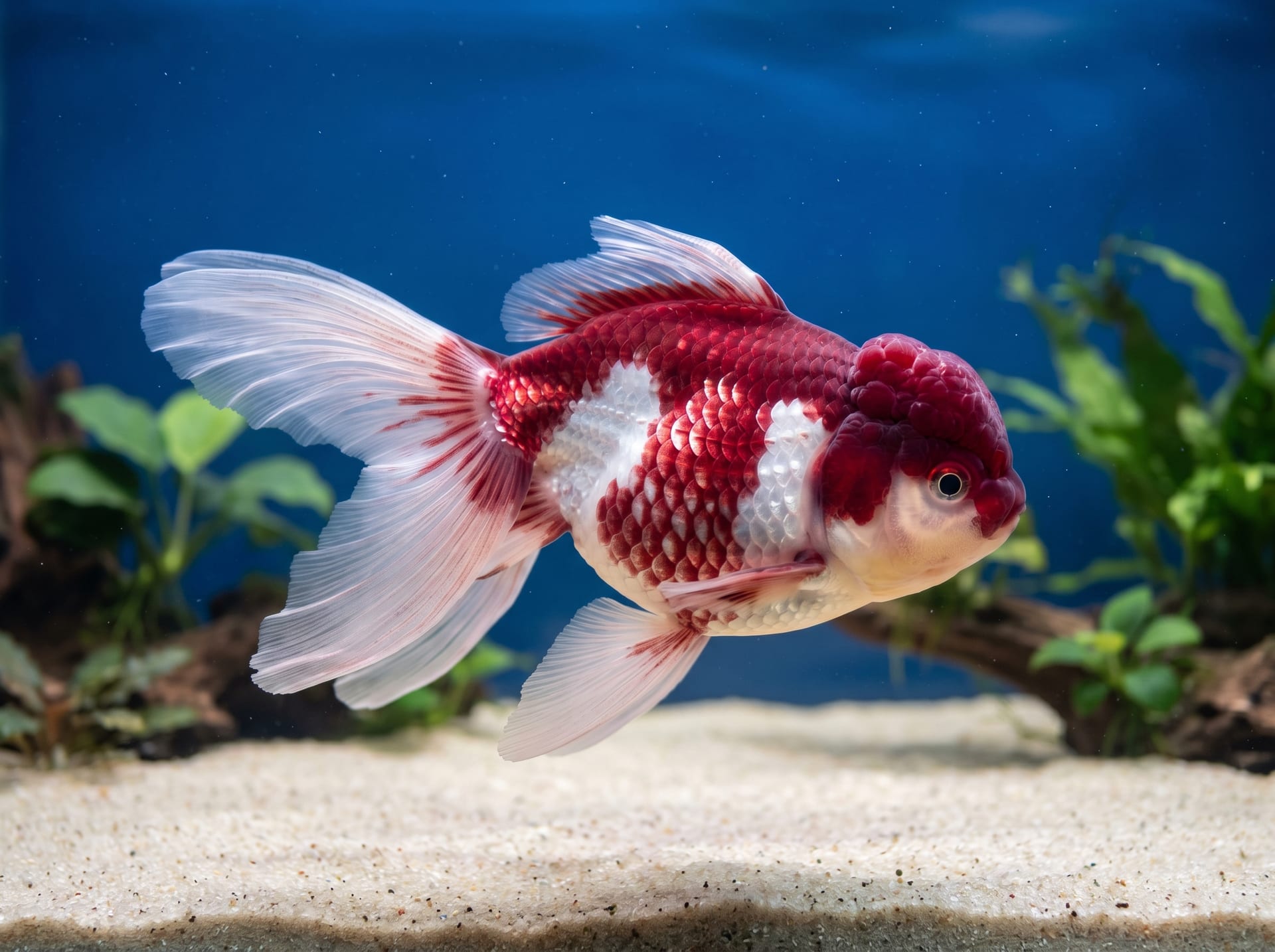
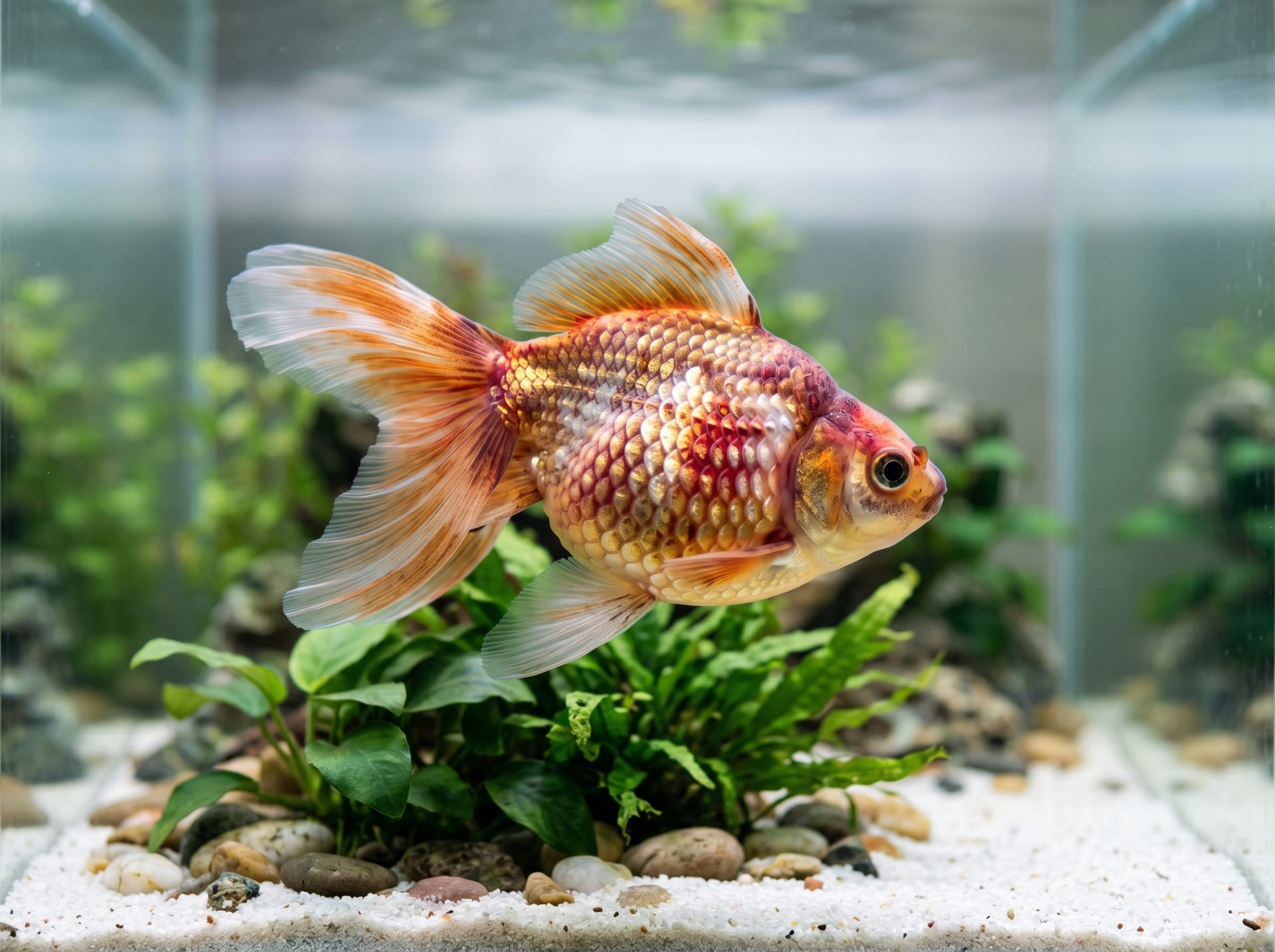
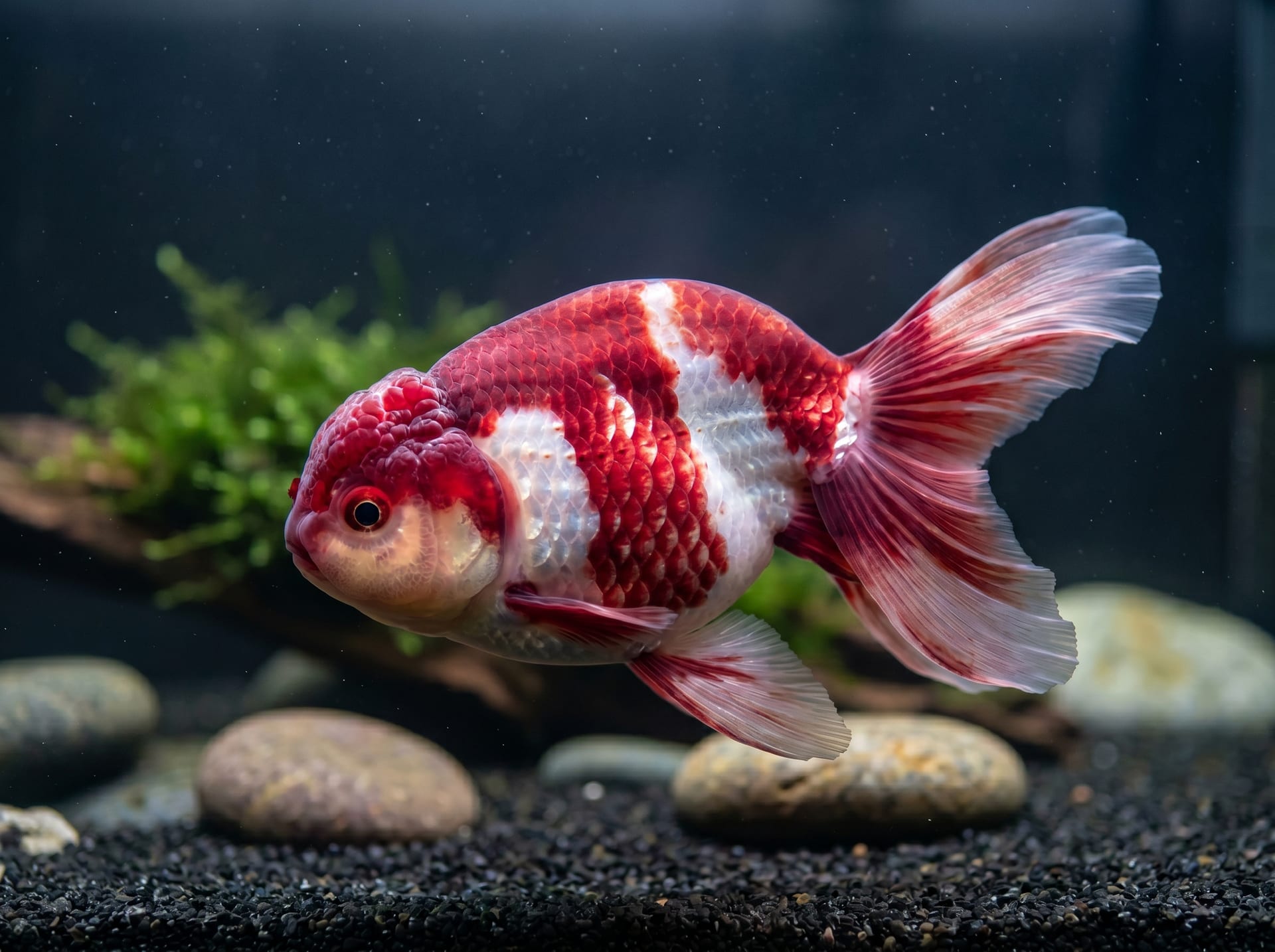
While goldfish may seem easy to get started with, they grow large and require an appropriately sized tank. Here we provide detailed comparisons of initial and running costs by tank size, and also introduce smart money-saving tips.
Initial Cost Guidelines (by Tank Size)
45cm Tank (for 3–5 fish)
| Item | Estimated Cost |
|---|---|
| Tank (45×24×30cm) | ¥2,000–5,000 |
| Top-filter or corner filter | ¥1,500–4,000 |
| Air pump | ¥1,000–2,000 |
| Substrate (coarse sand) | ¥500–1,500 |
| Dechlorinator and water conditioner | ¥300–500 |
| Thermometer, net, bucket, etc. | ¥500–1,000 |
| Goldfish (3–5 fish) | ¥500–3,000 |
| Total | Approximately ¥6,000–17,000 |
60cm Tank: Approximately ¥10,000–28,000 90cm Tank: Approximately ¥25,000–60,000
The difference in initial costs is mainly due to filter and tank quality. For 60cm and larger tanks, top-filters or external filters are effective for stable water conditions, and long-term cost-effectiveness is higher. Using bundled sets (tank + filter + light) can save ¥2,000–5,000 compared to individual purchases.
Monthly Running Costs
Food: ¥300–800 per month Goldfish flakes and pellets are the main diet. Feed once or twice daily, enough to be consumed in 2–3 minutes. Supplementing with frozen bloodworms or brine shrimp 1–2 times per week enhances color and health but adds ¥300–500 per month.
Electricity: ¥200–1,200 per month
- Air pump (3–5W): ¥50–100 per month
- Filter (5–15W): ¥80–200 per month
- Lighting (LED: ¥100–200 per month)
- Heater: typically unnecessary (goldfish adapt to 5–28°C)
- Summer cooling fan: ¥150–400 per month
- In environments where winter temperatures drop below 5°C, a heater may be necessary
Electricity rates vary by region and plan, so the above are estimates. With all-electric homes or night-rate plans, your actual costs may be even lower.
Consumables and water-change supplies: ¥150–400 per month
- Dechlorinator: ¥50–100 per month
- Filter media and wool: ¥100–200 per month
- Water-change bucket and hose wear: ¥0–100 per month
Monthly total: Approximately ¥650–2,400
Annual Total Costs and Tank Size Comparison
| Tank Size | Capacity | Annual Maintenance (Running Costs Only) | First Year (Including Initial Cost) |
|---|---|---|---|
| 45cm Tank | 3–5 fish | Approximately ¥9,000–29,000 | Approximately ¥15,000–46,000 |
| 60cm Tank | 5–8 fish | Approximately ¥12,000–35,000 | Approximately ¥22,000–63,000 |
| 90cm Tank | 8–15 fish | Approximately ¥18,000–50,000 | Approximately ¥43,000–110,000 |
Since goldfish do not require heaters, annual electricity costs are ¥5,000–15,000 lower than tropical fish. With lifespans of 10–15 years, spreading initial costs over the long term results in very low annual costs.
Often-Overlooked Additional Costs
Illness and medication: ¥0–5,000 per year Ich and bacterial infections may occur, requiring medication (such as Green-F Gold) at ¥500–1,500 per treatment. Salt baths can often be managed for around ¥100 and are more economical with early detection. Investing in a small quarantine tank (¥1,000–2,000) provides peace of mind.
Equipment replacement: Every 2–5 years Filter pumps and lighting degrade over 2–5 years. Plan to set aside ¥1,000–3,000 annually. Air pumps are relatively inexpensive (¥1,000–2,000) to replace.
Tank upsizing: 1–2 times as fish grow Goldfish grow quickly, and varieties like ranchus and ryukins can reach 15–25cm. Starting with a 45cm tank may require upgrading to a 60–90cm tank within 2–3 years. Starting with 60cm or larger saves replacement costs.
Practical Tips to Reduce Costs
- Use coarse sand as substrate: Washable and reusable indefinitely, eliminating replacement costs. Soil requires annual replacement and increases expenses
- Utilize bundled tank sets: Save 15–30% on initial costs compared to individual purchases
- Start with a corner filter: Sufficient for small tanks and offers the lowest running costs
- Choose LED lighting: Uses 60–70% less power than fluorescent bulbs and eliminates bulb replacement costs
- Buy premium goldfish directly from breeders: High-end varieties like ranchus, tosakin, and orandas are more affordable and healthier through direct breeder purchases (such as BreederDirect) compared to pet shop prices
Frequently Asked Questions (FAQ)
Q. Do goldfish need a heater? A. Generally no. Goldfish adapt to a wide temperature range of 5–30°C. However, keeping water at around 26°C during treatment increases medication effectiveness, so having a heater (¥1,500–3,000) is reassuring.
Q. Is keeping goldfish in a bowl cheaper? A. Equipment costs are lower, but small water volume means rapid quality deterioration and frequent water changes. Using at least 20L with a filter reduces long-term effort and cost.
Q. Is tank upsizing always necessary? A. It depends on the variety. Comet-type goldfish grow large and ideally need 90cm+. Round varieties like ranchus and ping-pong pearls remain smaller and can be kept in 60cm tanks with multiple fish.
Q. Which maintenance item costs the most each month? A. Food and electricity combined account for 60–70% of expenses. Summer cooling increases power use, but the benefit of no heater makes annual electricity much cheaper than tropical fish.