What Are Chinese Goldfish? Their Position in the Japanese Market
Goldfish originated in China. Selective breeding for ornamental purposes began during the Song Dynasty (10th–13th centuries) and was introduced to Japan during the Edo period. Even today, China remains the world's largest goldfish producer, and a significant proportion of goldfish sold in Japanese pet shops are Chinese-bred.
This article explores the specific characteristics of Chinese-bred goldfish, the import process, differences from domestic breeder goldfish, and key points for safely acquiring them.
Representative Varieties of Chinese-Bred Goldfish
There are varieties that are difficult to produce domestically or where Chinese-bred fish dominate in terms of pricing.
Ranchu and High-headed Varieties
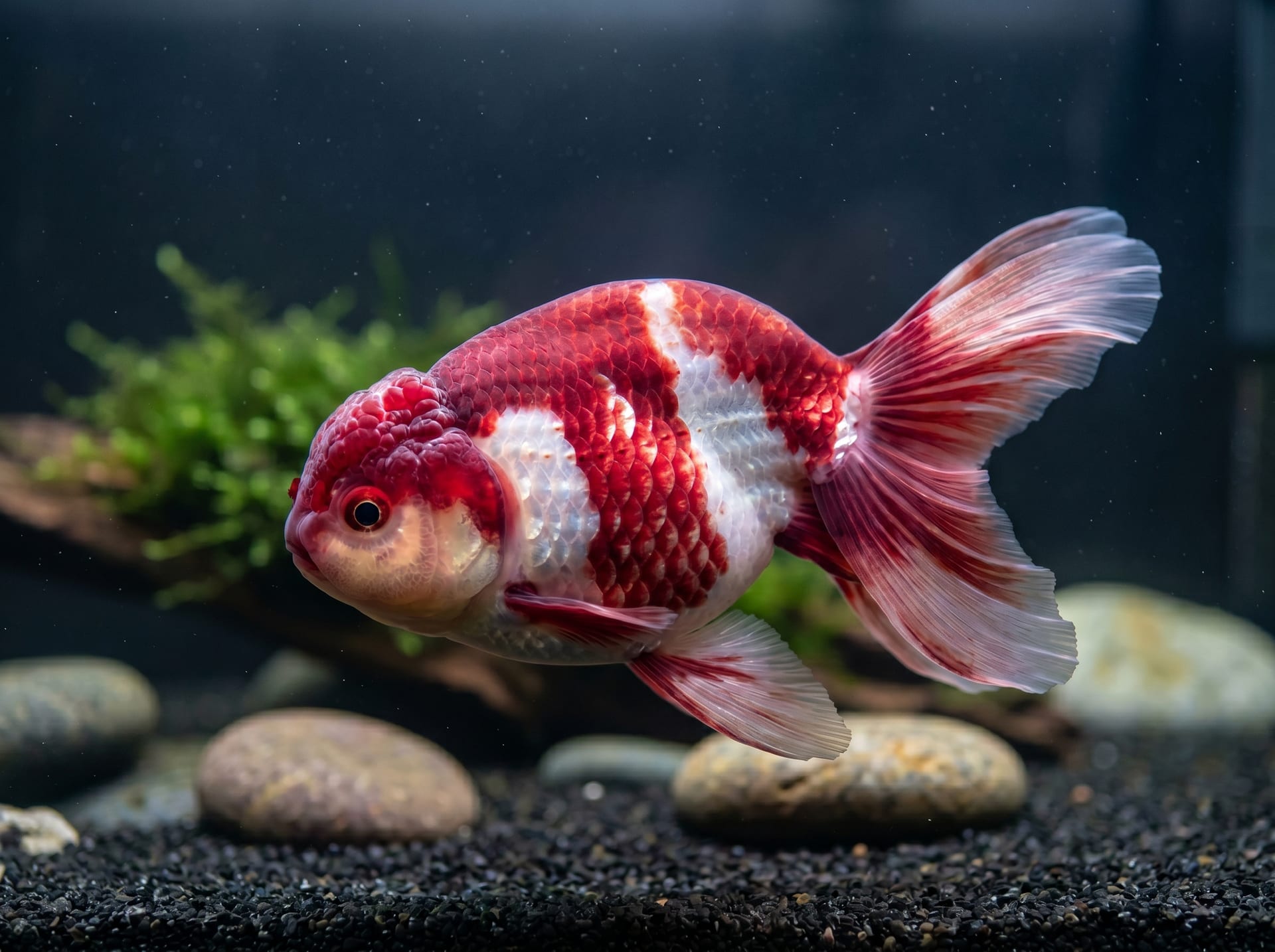
In China, a strain called "high-headed" (an advanced development of the ranchu) is actively produced. Many individuals have extremely well-developed cranial tumors (fleshy growths on the head), and their evaluation standards differ from Japanese show-quality ranchus. In recent years, these "high-headed ranchus" have been gaining popularity among Japanese collector circles.
Butterfly Tail Goldfish
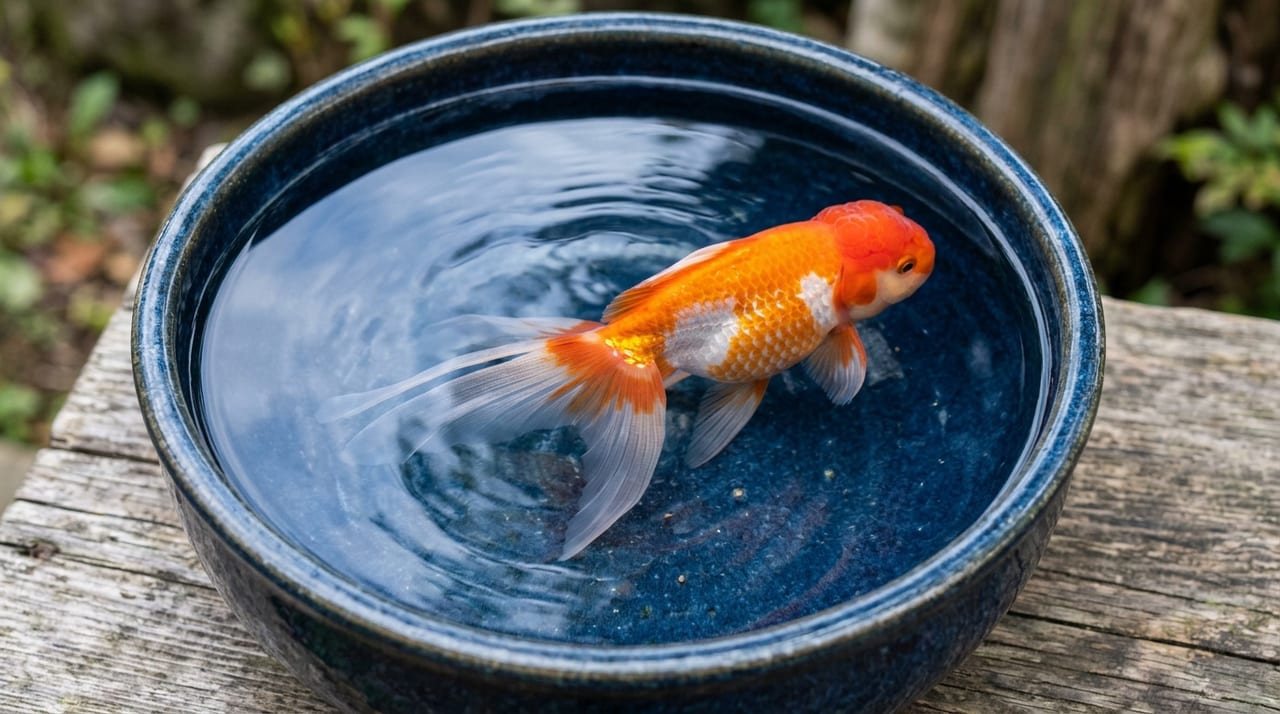
A variety with tail fins that spread like butterfly wings, particularly beautiful when viewed from above. Although produced domestically in Japan, Chinese-bred fish dominate the market in both quality and quantity.
Large Bubble Eye Goldfish
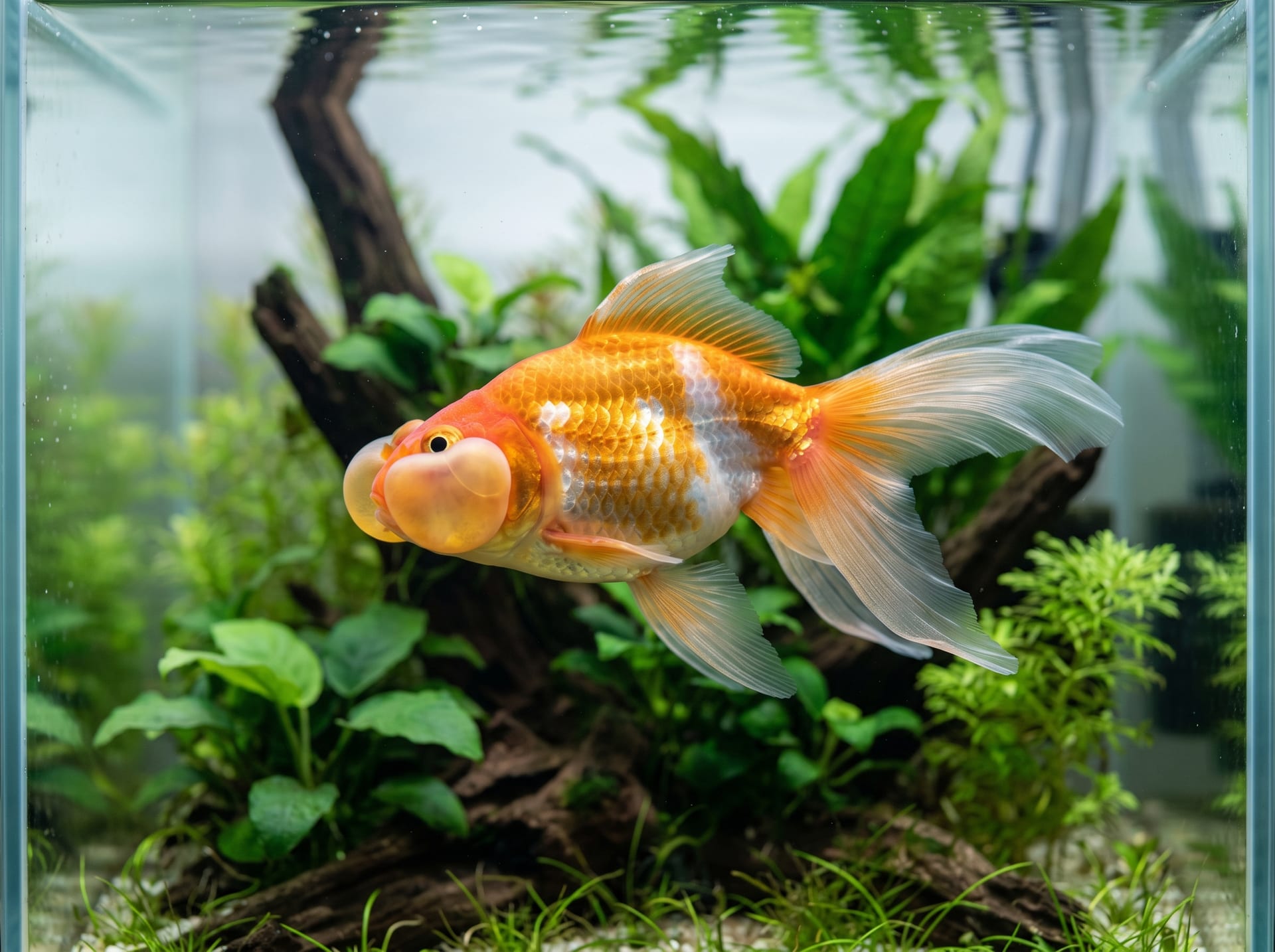
While bred domestically as well, large individuals are primarily imported from China.
Akininishiki and Tri-color Demekin
Varieties with complex scale color patterns are mass-produced by Chinese breeders, and domestic pricing remains relatively affordable.
The Import Process: How Chinese Goldfish Enter Japan
- Chinese farms → Export companies: Goldfish produced in breeding regions such as Guangdong and Fujian provinces are collected by specialized export businesses.
- Air transport: Live fish are placed in specialized oxygen-filled bags and transported under temperature control. Transport typically takes 6–12 hours.
- Japanese quarantine: Inspection by the Animal Quarantine Service is conducted. Goldfish fall under the category of "designated quarantine items," requiring a health certificate from the exporting country. Screening tests for bacteria and parasites are performed upon arrival.
- Domestic wholesale → Retail: Imported fish are distributed from importers to wholesalers and pet shops nationwide.
Comparison with Domestic Breeder Goldfish
Quality and Health Status
| Item | Chinese-bred | Domestic Breeder |
|---|
| Transport stress | Long-distance, high stress | Relatively low |
| Quarantine risk | Potential latent infection even after quarantine clearance | Low |
| Individual variation | Large (mass production) | Small (limited quantity, careful breeding) |
| Sourcing rare varieties | ○ (wide variety) | △ (limited breeds) |
| Price | Affordable to moderate | Moderate to premium |
| Lineage and history | Often unknown | Clear |
Body Shape and Appearance
Chinese breeding standards differ from Japanese show standards. In China, emphasis tends to be placed on the size of cranial growths and body roundness, resulting in proportions different from Japanese "Edo-style ranchus." The ideal source depends on your purpose—whether show competition or personal appreciation.
Important Checkpoints When Purchasing
Observation at the Shop
- Swimming behavior: Avoid fish that rest on the bottom or have folded fins
- Feces condition: White, thin feces may indicate internal parasites
- Body surface wounds and white spots: Wounds pose infection risk; white spots indicate ich (Ichthyophthirius multifiliis)
- Gill movement: Rapid or asymmetrical gill breathing indicates gill disease
Post-Acquisition Treatment (Quarantine Period)
When acquiring imported goldfish, always establish a 2–4 week quarantine and treatment period.
Basic procedure:
- Set up a quarantine tank: Manage the fish separately from existing fish
- 0.3–0.5% salt bath: For the first week, salt helps suppress bacteria and some parasites on the skin
- Monitor condition: Check daily, and transition to medicated baths if abnormalities appear
- Stable water temperature: Maintain 22–25°C to support immune function
Diseases to Watch For:
- Ich (Ichthyophthirius): Most common immediately after import
- Gill disease (Columnaris or Dactylogyrus): Parasitic and bacterial infection of the gills
- Costia (Ichthyobodo): Protozoan parasites on the skin's mucous membrane
How to Purchase Directly from Domestic and Foreign Breeders
Domestic Goldfish Specialist Breeders
On direct-to-consumer breeder platforms, domestic breeders list their fish directly. The clear lineage, rearing environment, and feeding history, combined with low quarantine risk, are major advantages.
Chinese Individual Breeders (Personal Import)
Personal imports through social media or specialized e-commerce sites (such as Taobao) are possible, but due to high difficulty with animal quarantine, shipping costs, and troubleshooting, they are not recommended for beginners.
Summary: How to Successfully Keep Chinese Goldfish
Chinese-bred goldfish offer advantages in terms of rarity and pricing, making them a compelling option for acquiring varieties unavailable domestically. However, it is essential to understand the risks of transport stress and potential infection, and thorough post-acquisition treatment is key to long-term husbandry success.
- Always conduct a 2–4 week isolation treatment after purchase
- Introduce to existing fish only after confirming good health
- By choosing between imported and domestic breeder goldfish based on your purpose, you can enjoy a richer goldfish collection